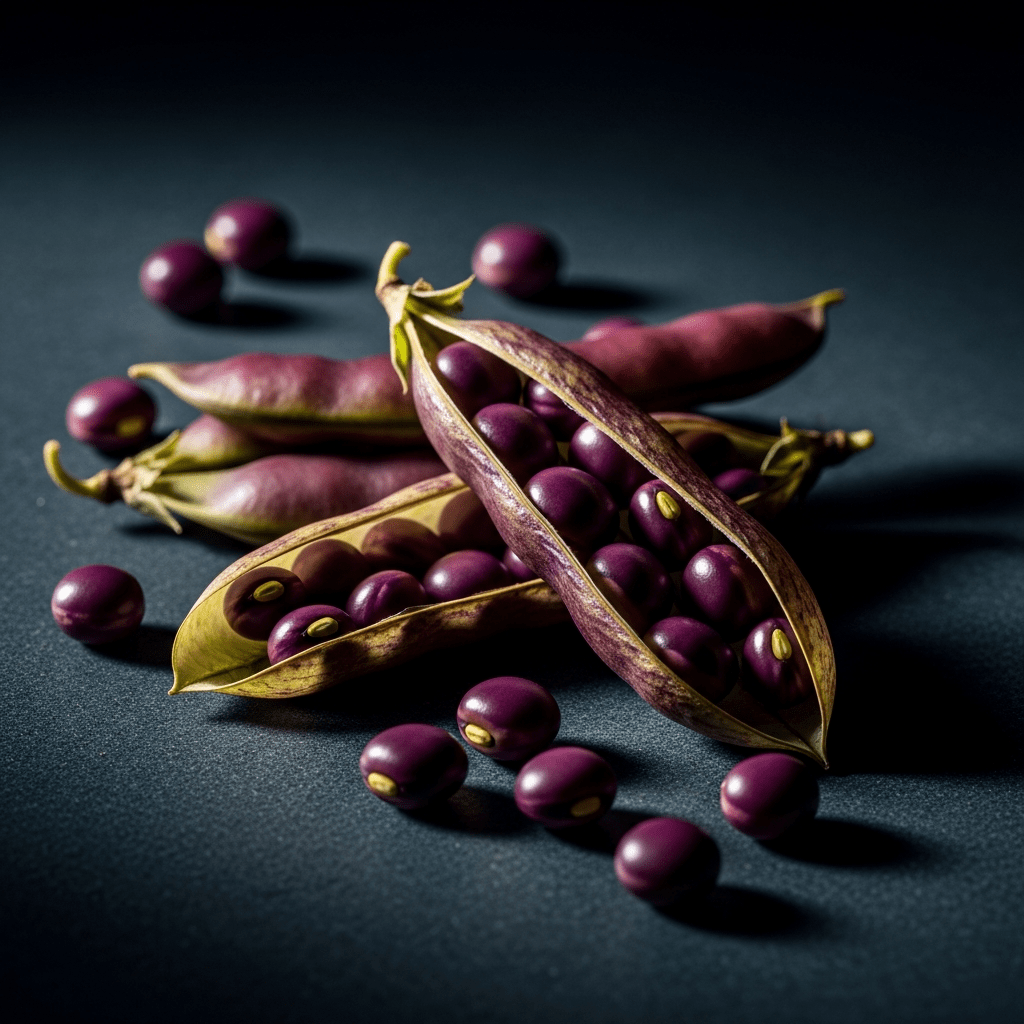
Purple Hull Pea
The Purple Hull Pea is a tender, edible legume known for its distinctive purple-tinged pods and valued especially in southern United States cuisine.
The Purple Hull Pea is a tender, edible legume known for its distinctive purple-tinged pods and valued especially in southern United States cuisine.
Originating as a landrace within the cowpea species Vigna unguiculata, the Purple Hull Pea traces its roots to West Africa before being domesticated and adapted in the southern United States. It evolved through open-pollinated selection by growers over generations, with some named cultivars developed by agricultural research stations in the U.S. South.
Botanically, the Purple Hull Pea belongs to the Fabaceae family, genus Vigna, and species unguiculata. Though commonly called a pea, it is a type of bean closely related to the black-eyed pea and classified within the cowpea group.
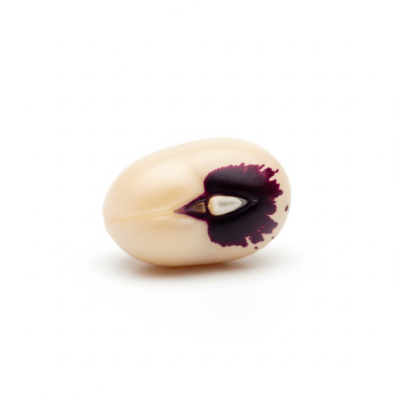
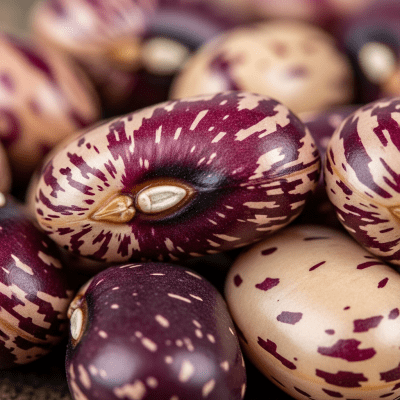
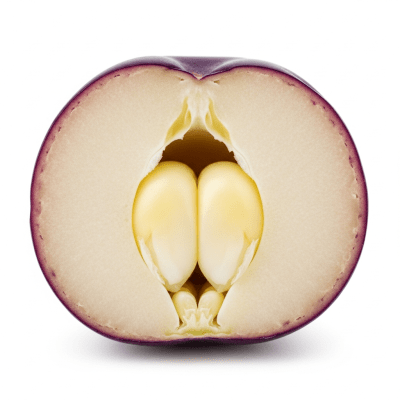
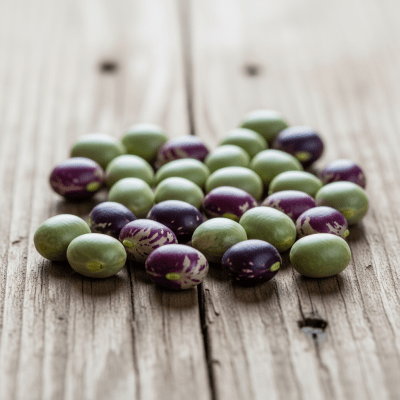
The plant typically grows as a bush reaching 45 to 60 centimeters tall. Its slender pods mature from green to a characteristic purple hue, measuring 15 to 20 centimeters long. Seeds are small, oval-shaped, and cream-colored with a distinctive pink or purple eye.
Primarily cultivated as a warm-season annual, the Purple Hull Pea thrives in sandy or loamy soils and exhibits notable heat and drought tolerance. It is harvested both for fresh pods and dried shelled peas, serving as a versatile legume in agriculture and home gardens.
Bring this kind into your world illustrated posters, mugs, and shirts.

Archival print, museum-grade paper
Buy Poster
Stoneware mug, dishwasher safe
Buy Mug
Soft cotton tee, unisex sizes
Buy ShirtDeeply embedded in southern U.S. food traditions, the Purple Hull Pea is celebrated in regional dishes and farmers' markets. Its presence in local cuisine underscores its role as a cultural staple, often associated with community gatherings and heritage cooking.
The Purple Hull Pea exhibits a bush growth habit, typically reaching 45 to 60 cm in height. Pods are slender and range from 15 to 20 cm long, each containing small, oval seeds with cream-colored coats accented by pink or purple eyes. This legume is adapted to warm climates, showing resilience to drought and resistance to nematodes and some fungal pathogens. It prefers sandy or loamy soils and matures in a warm growing season, making it well-suited for southern U.S. agriculture.

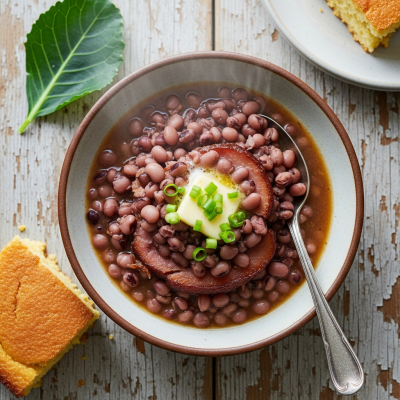
Consumed fresh or canned, Purple Hull Peas are a culinary staple in southern U.S. dishes such as "peas and snaps" and stewed preparations with pork. Their mild flavor and tender texture set them apart from related cowpeas like black-eyed peas. The pods are sometimes eaten whole when young, offering a versatile ingredient in regional cooking. Commercially, they are available fresh during summer months and commonly found in farmers' markets and local grocery outlets.
Among recognized cultivars, 'Pinkeye Purple Hull' is notable, developed through selective breeding by agricultural research stations in the southern United States. Most Purple Hull Peas remain open-pollinated landraces, reflecting a rich tradition of grower selection rather than formal breeding programs.
For optimal growth, plant Purple Hull Peas in warm, well-drained sandy or loamy soils. They thrive in full sun and require moderate watering, with good drought tolerance reducing irrigation needs. Harvest pods when immature for fresh use or allow to dry for shelled peas. Monitor for pests such as cowpea curculio and mosaic viruses, and practice crop rotation to minimize disease risks.
Fresh Purple Hull Peas should be refrigerated and consumed quickly to maintain tenderness. For longer storage, drying the peas extends shelf life significantly. Canned forms are widely available and provide convenient preservation. Properly dried seeds can be stored in cool, dry conditions to preserve viability and flavor for future planting or cooking.