Green Bean
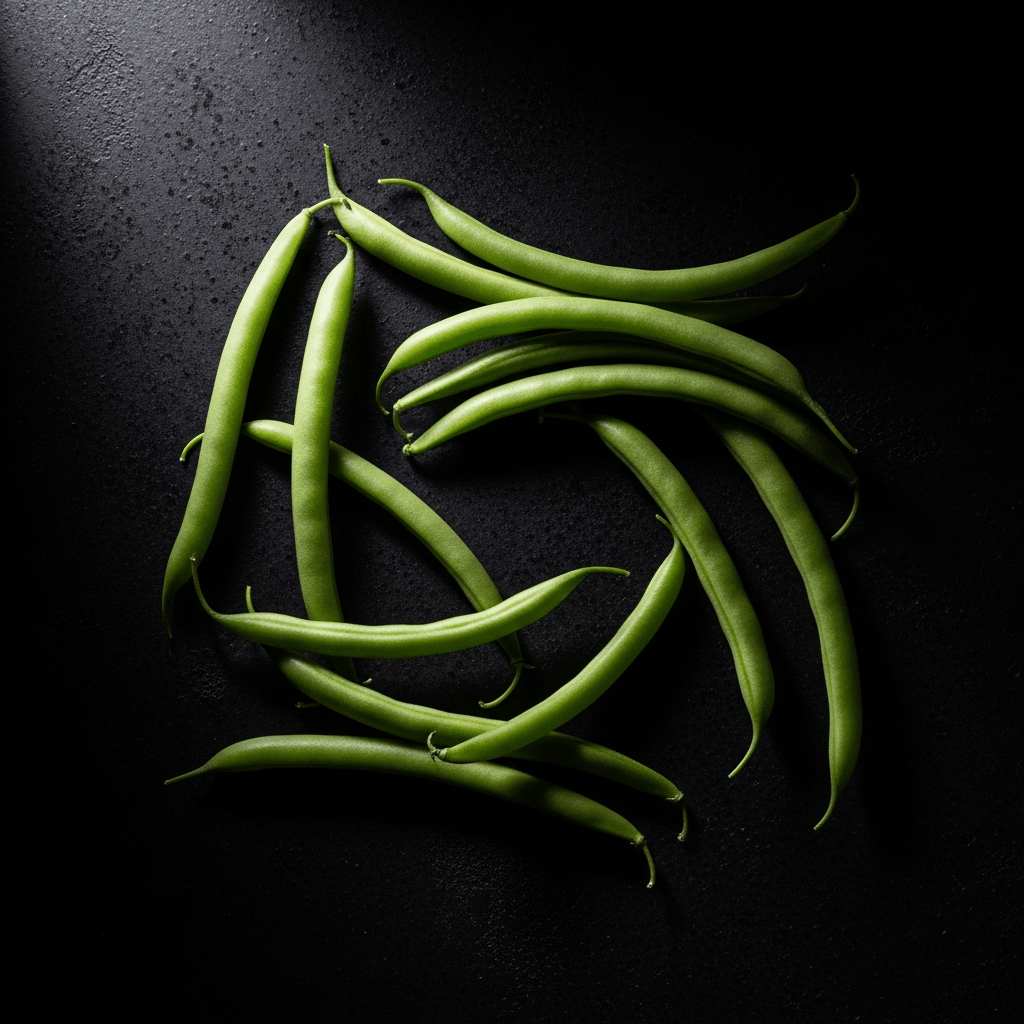
Green bean refers to the immature, edible pods of Phaseolus vulgaris, prized worldwide for their crisp texture and mild flavor as a fresh vegetable staple.
Green bean refers to the immature, edible pods of Phaseolus vulgaris, prized worldwide for their crisp texture and mild flavor as a fresh vegetable staple.
Originating from Central and South America thousands of years ago, green beans were domesticated early and later selectively bred for tender, stringless pods. Notably, the stringless trait was stabilized by Calvin Keeney in New York, USA, in 1894, marking a key advancement in modern green bean cultivation.
Green beans belong to the Fabaceae family, genus Phaseolus, species vulgaris. They are part of a broad group of edible legumes commonly called beans, distinct from peas or lentils, and are classified botanically as common beans.
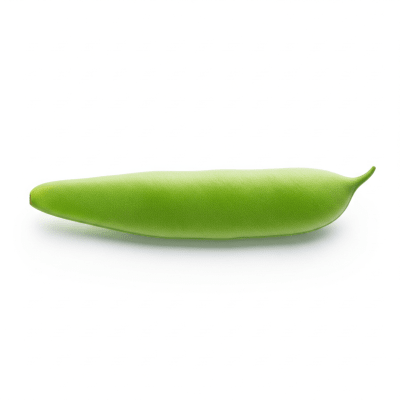
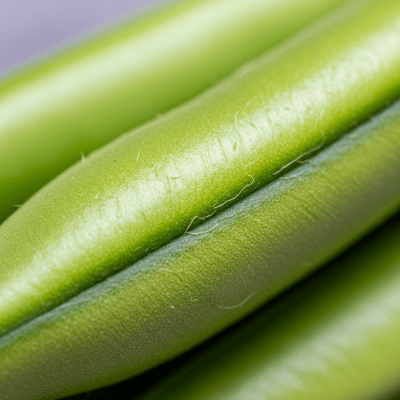
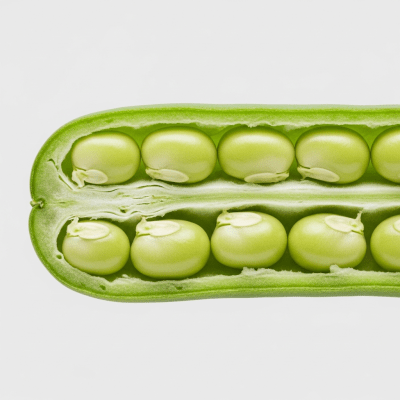
Green bean pods are slender and cylindrical, typically ranging from 8 to 15 centimeters in length. Their color varies from classic green to yellow or purple in some cultivars. The pods are harvested immature, ensuring a tender and crisp texture prized in culinary uses.
Green beans function primarily as a fresh vegetable consumed worldwide. They are harvested while pods are still tender and stringless, making them suitable for steaming, boiling, stir-frying, or canning. Their crisp texture and mild flavor make them versatile in salads, casseroles, and side dishes.
Bring this kind into your world illustrated posters, mugs, and shirts.
Archival print, museum-grade paper
Buy Poster
Stoneware mug, dishwasher safe
Buy Mug
Soft cotton tee, unisex sizes
Buy ShirtGreen beans hold a prominent place in global cuisines, celebrated in dishes across Europe, Asia, and the Americas. Specialty varieties like the French "haricots verts" are esteemed for their slender, delicate pods, reflecting culinary refinement and tradition.
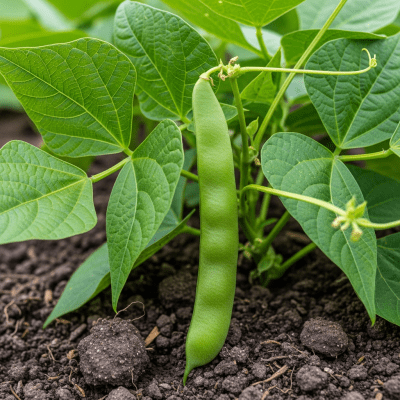
🌱 Green beans grow as annual plants with a bush-type growth habit, though pole varieties also exist. Pods measure 8 to 15 cm in length and come in green, yellow, or purple colors. They are harvested immature for optimal tenderness. The plants thrive in well-drained soils but are susceptible to fungal diseases such as anthracnose and rust. Refrigeration is recommended to preserve pod freshness, which otherwise has a short shelf life.
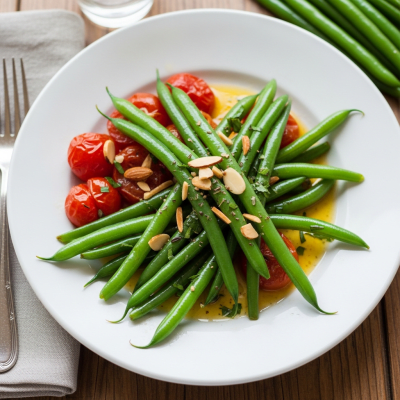
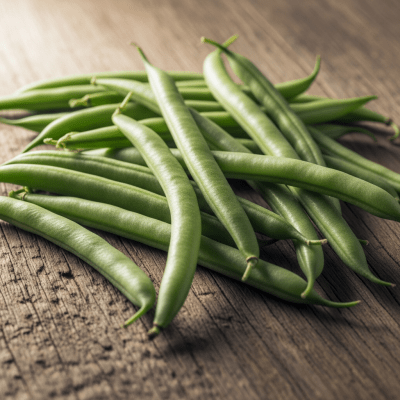
🍽️ Green beans are consumed fresh, canned, or frozen, making them available year-round. They are commonly steamed, boiled, stir-fried, or included in salads, casseroles, and side dishes. Nutritionally, they offer a mild flavor and crisp texture that complements many cuisines. Major production regions include China, India, and the United States. Specialty cultivars like the French "haricots verts" are prized for their slender, tender pods.
🌿 Among green bean cultivars, "Keeney’s Stringless Green Pod" is historically significant, bred by Calvin Keeney in 1894 to stabilize the stringless pod trait. Various other cultivars exist, developed by breeders worldwide to enhance yield, disease resistance, and pod quality.
👩🌾 Green beans prefer well-drained soils and moderate temperatures. Bush varieties mature faster and suit mechanical harvesting, while pole types yield over a longer season. Protecting plants from fungal diseases like anthracnose and rust is important. Regular watering and avoiding waterlogged conditions help maintain healthy growth.
📸️ Due to their short shelf life, green beans are best stored refrigerated at moderate humidity to maintain crispness. They can be blanched and frozen to preserve freshness for longer periods. Avoid prolonged storage at room temperature to prevent loss of texture and flavor.