Origin Story
The domestication of cows began over 10,000 years ago in regions of the Near East and South Asia, where wild ancestors such as the aurochs were first tamed. From these early origins, two main lineages emerged: Bos taurus, adapted to temperate climates, and Bos indicus, suited for tropical environments. Selective breeding over millennia shaped numerous breeds tailored to local needs, environments, and human uses.
Classification
Cows belong to the family Bovidae and subfamily Bovinae, with the genus Bos encompassing the primary domestic species Bos taurus and Bos indicus. These species are further divided into breeds and strains recognized by registries worldwide. Classification also considers production types—dairy, beef, dual-purpose, and draught—and genetic lineages such as taurine, indicine, and their hybrids, reflecting adaptation and utility.
Appearance or Form
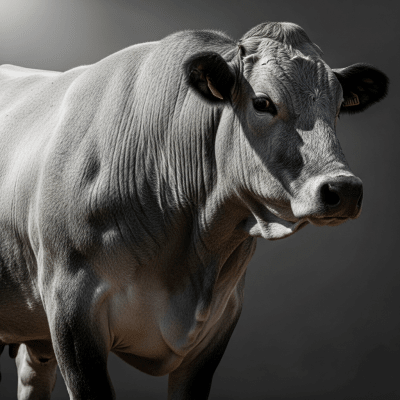
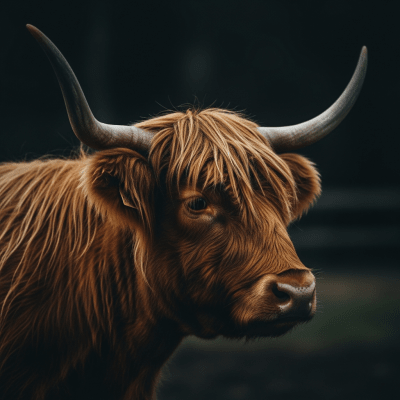
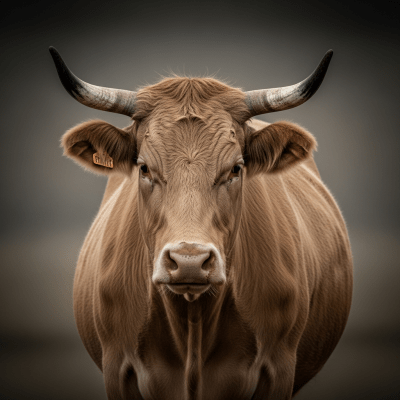
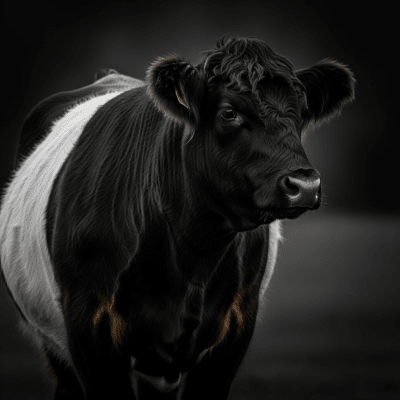
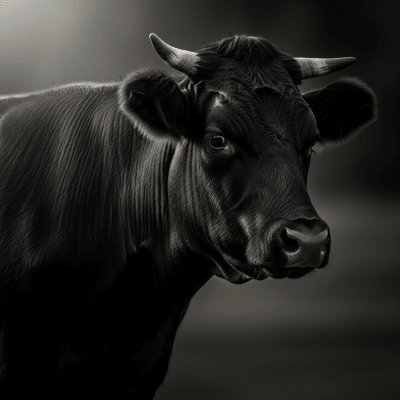
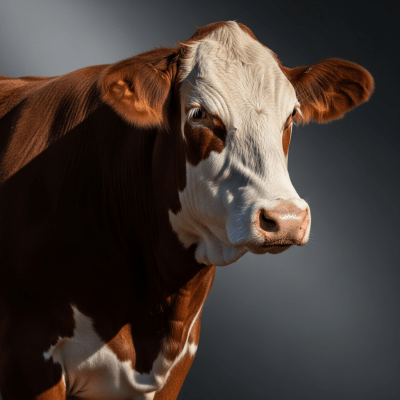
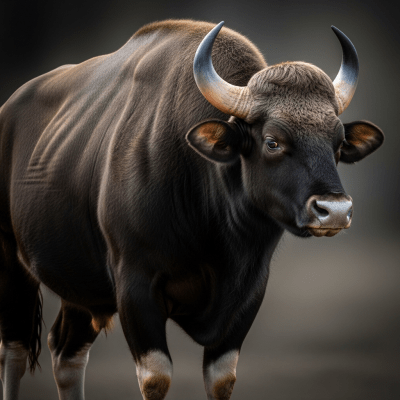
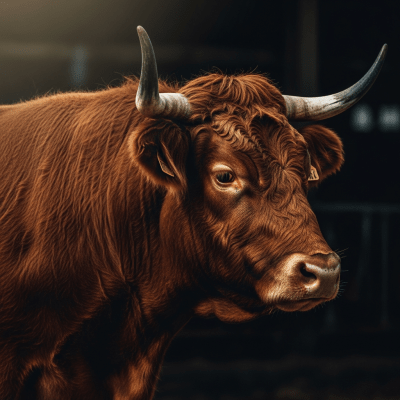
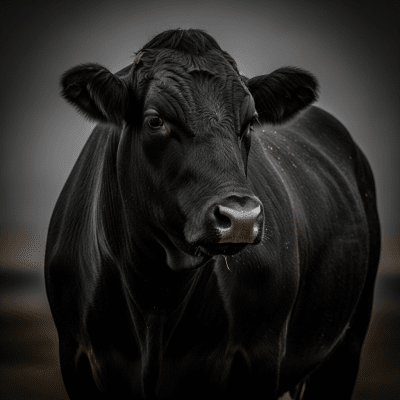
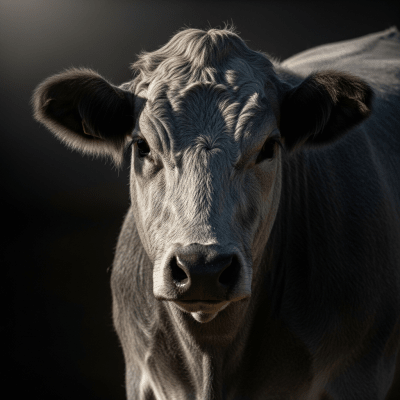
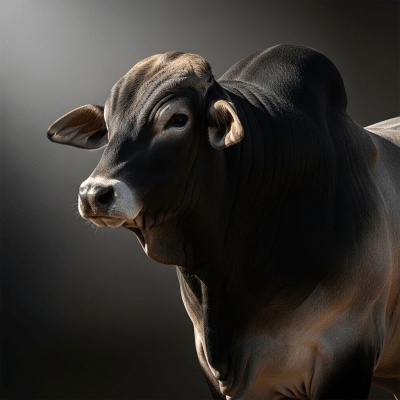
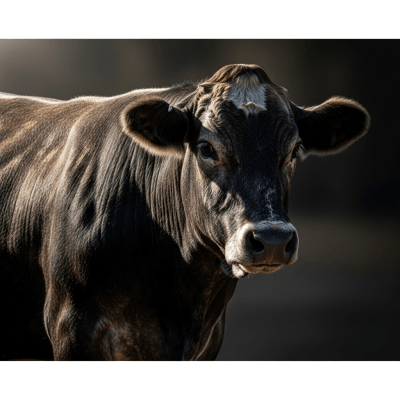
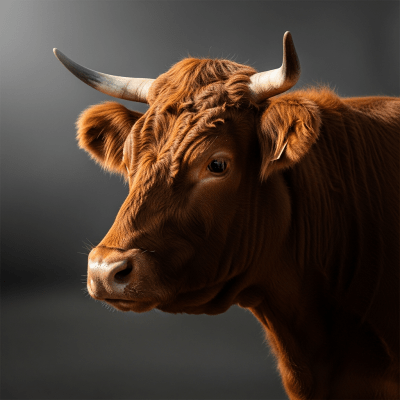
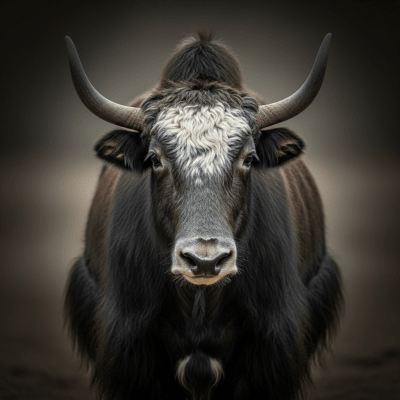
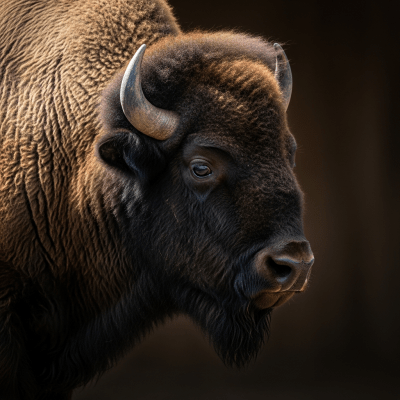
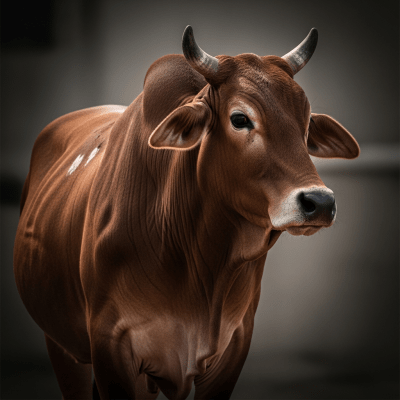
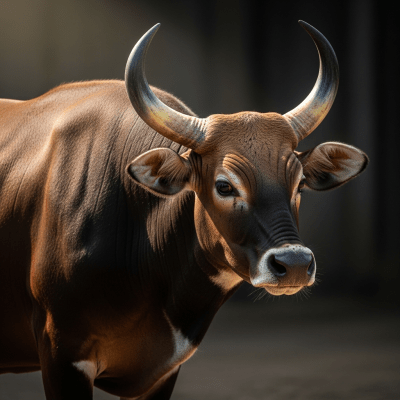
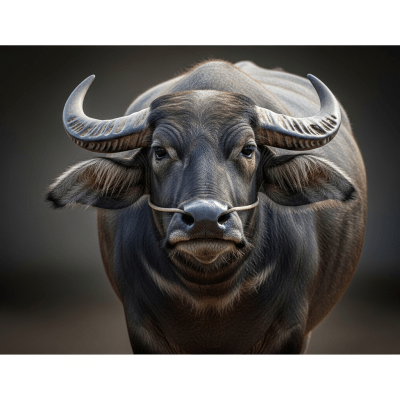
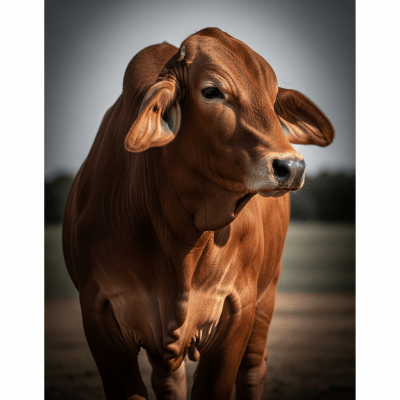
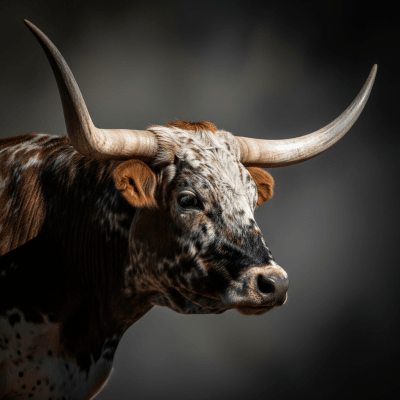
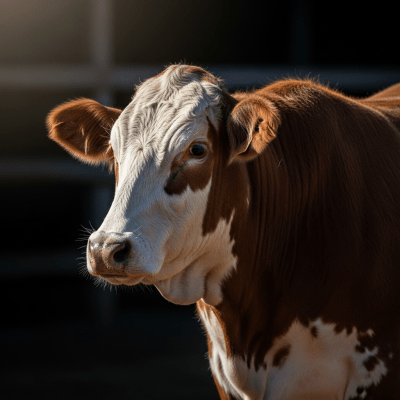
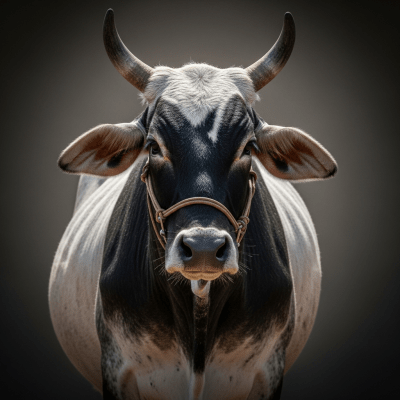
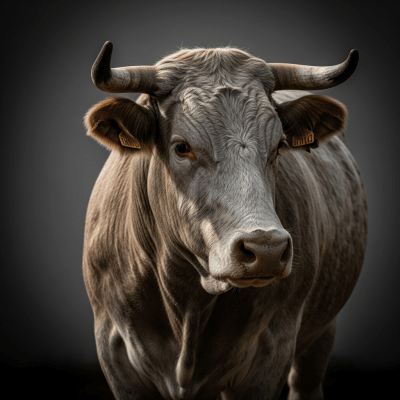
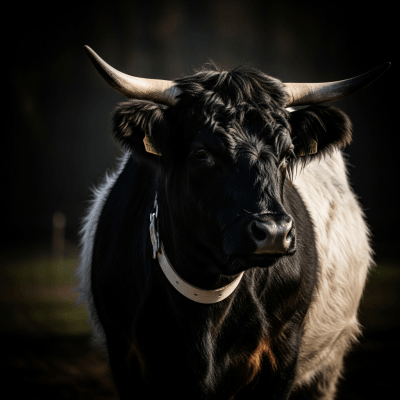
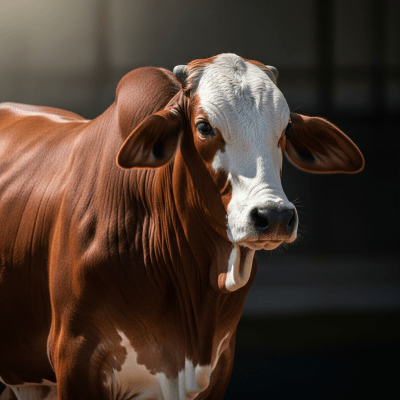
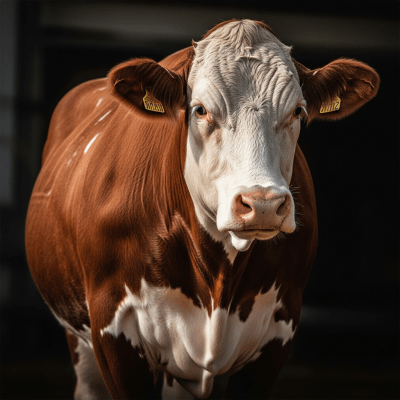
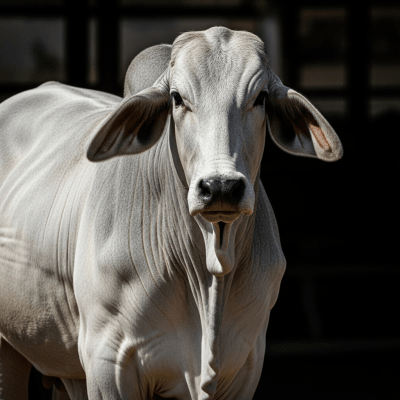
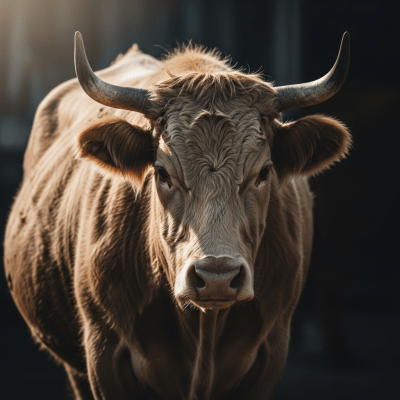
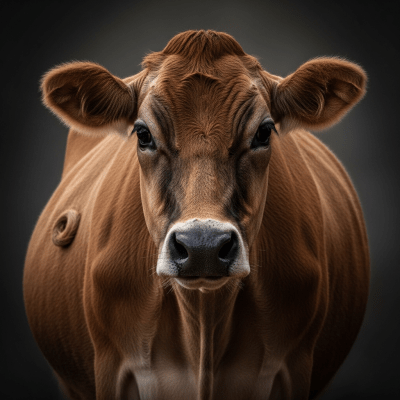
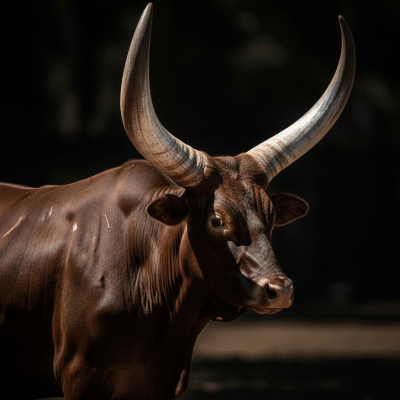
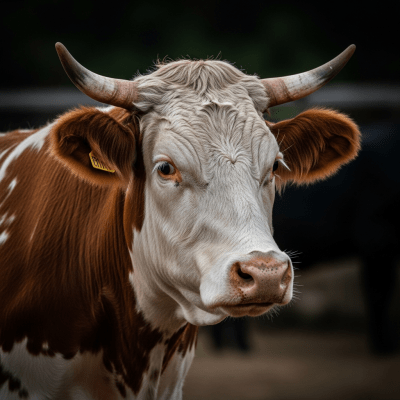
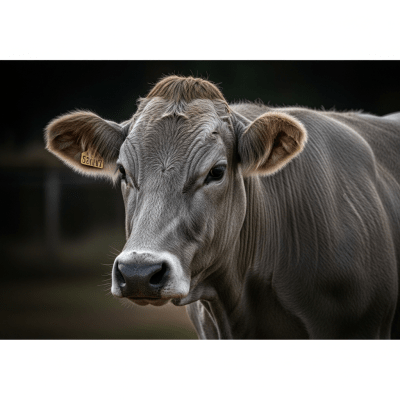
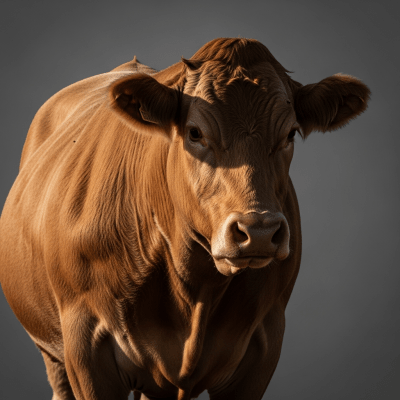
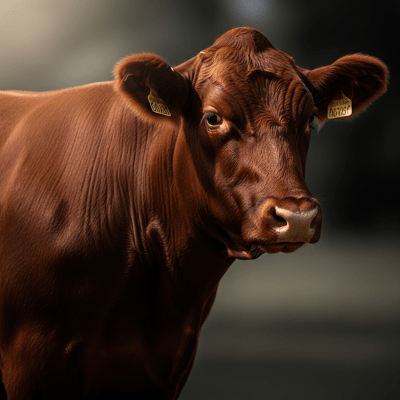
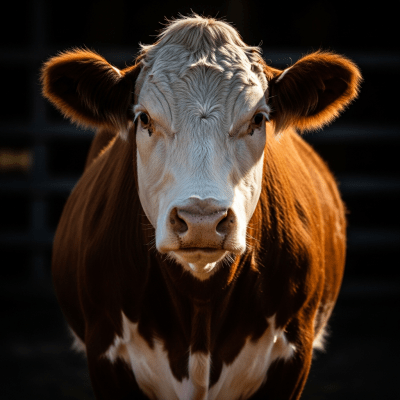
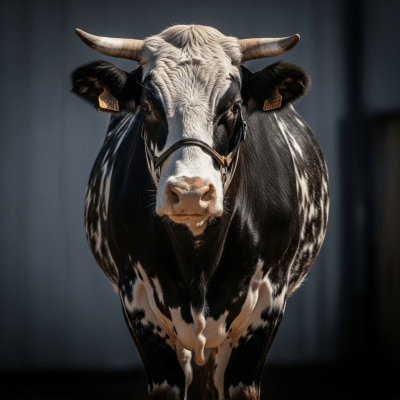
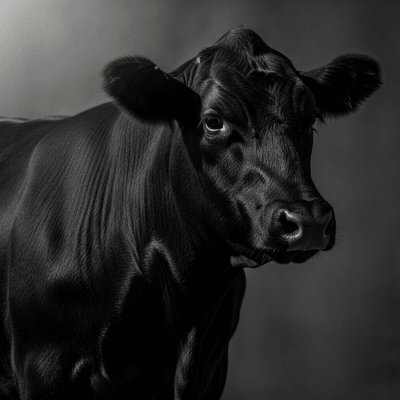
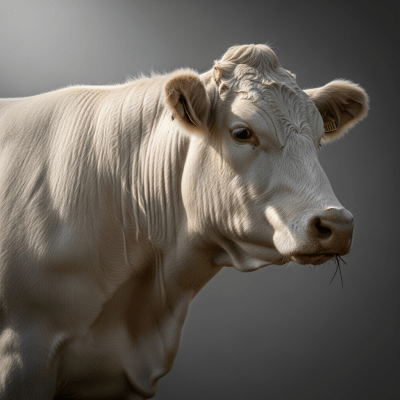
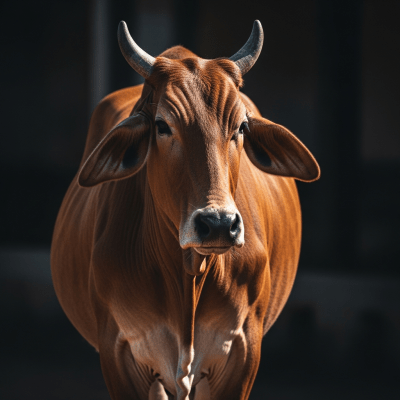
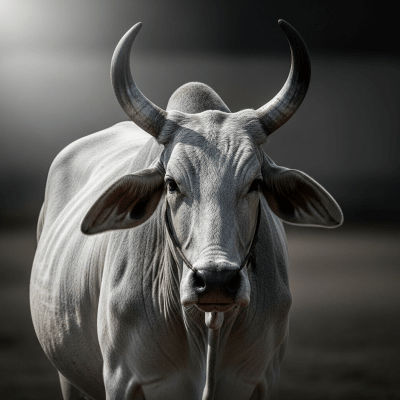
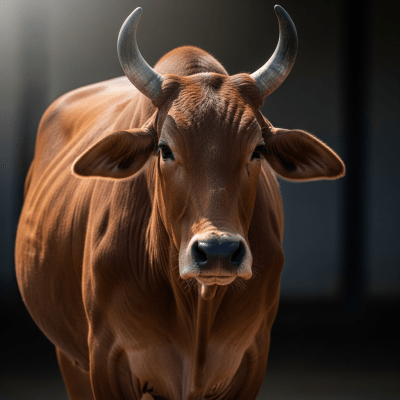
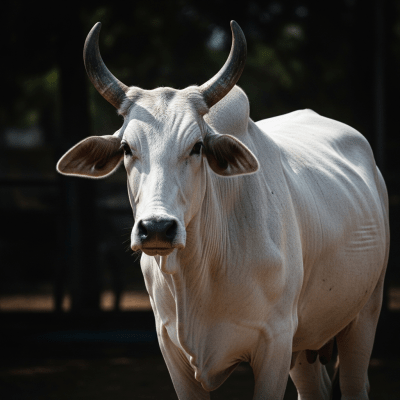
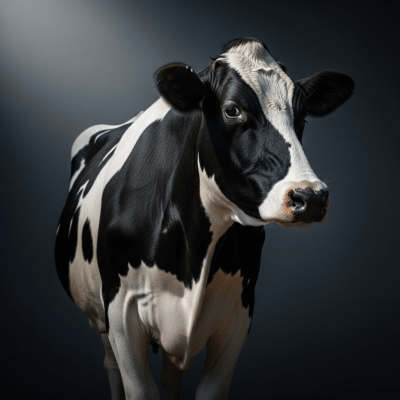
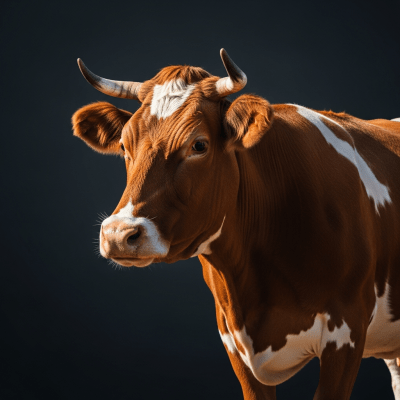
Cows exhibit a wide range of physical traits, including size, coat color, and horn presence. Typically, they have a sturdy body, cloven hooves, and a distinctive muzzle. Taurine cattle often have smooth coats in colors from black and white to red and brown, while indicine cattle are characterized by a prominent shoulder hump and loose skin. Breed-specific features, such as polled (hornless) varieties, contribute to their diverse forms.
Behavior or Usage
Cows play multifaceted roles in human society, primarily as sources of milk, meat, leather, and labor. Dairy breeds are specialized for high milk production, while beef breeds are optimized for meat yield. Draught cattle, often called oxen when trained, provide essential traction in agriculture and transport. Their behavior is generally docile, facilitating management, though temperament varies among breeds and individuals.