Devon
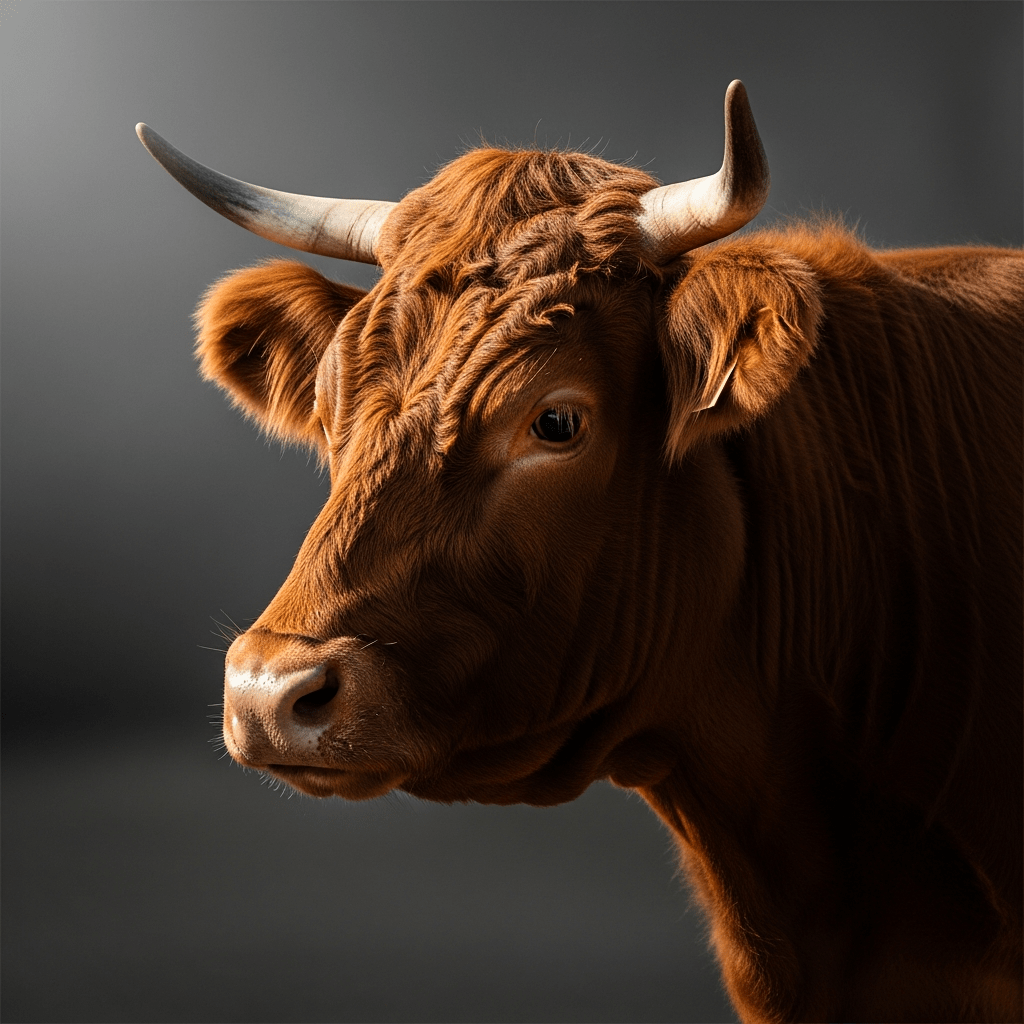
The Devon, also known as the Red Devon, is a traditional British cattle breed celebrated for its deep red coat, docile nature, and prized beef quality.
The Devon, also known as the Red Devon, is a traditional British cattle breed celebrated for its deep red coat, docile nature, and prized beef quality.
Originating in Devon, South West England, the Devon breed dates back to at least the 16th century. It developed from local British cattle populations without recent crossbreeding, with the Devon Cattle Society established in 1884 to preserve its lineage.
The Devon is classified as a domestic beef breed within Bos taurus, recognized for its historic dual-purpose use in beef production and draught work. It belongs to the group of traditional British cattle breeds and is registered by the Devon Cattle Society.
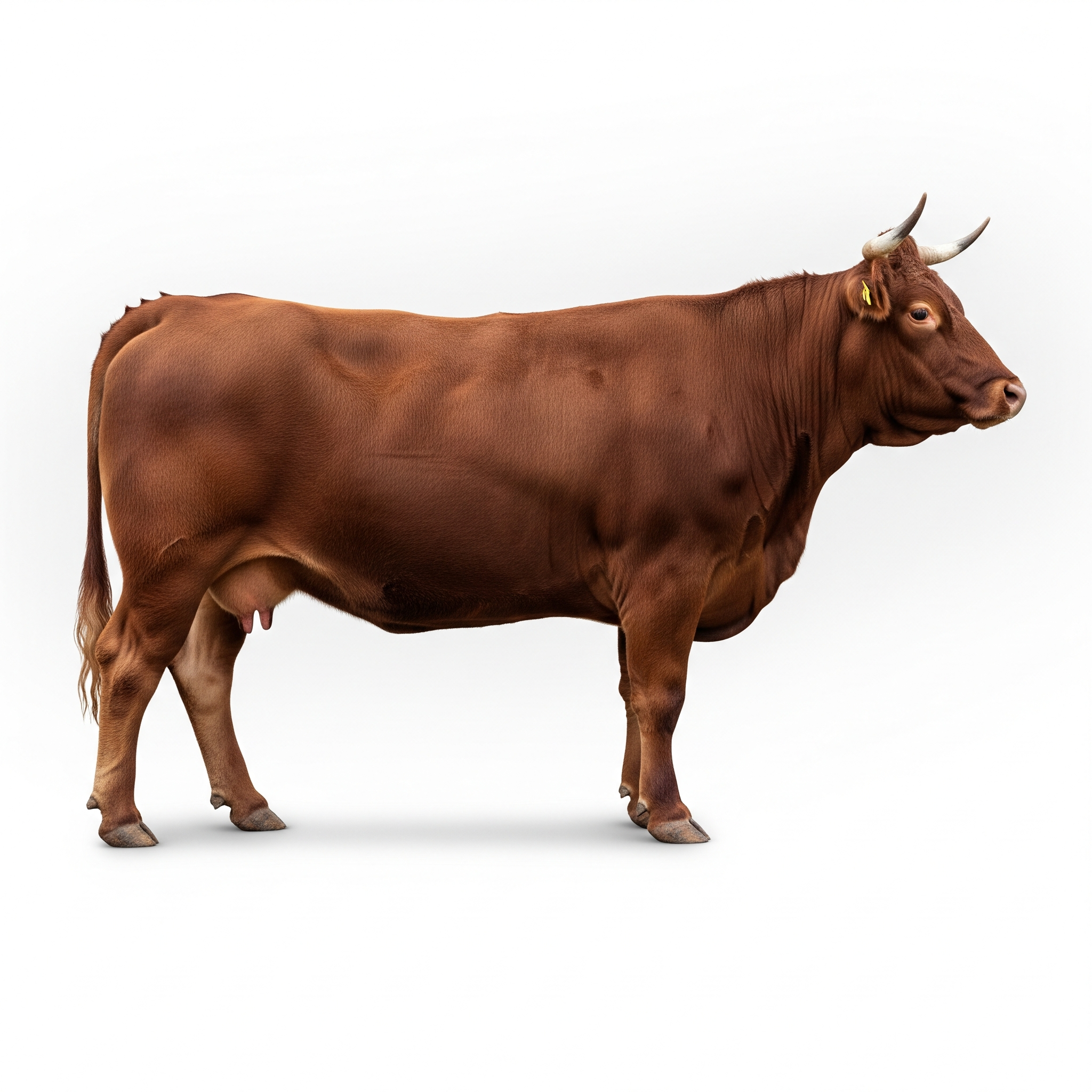
Devons are medium-sized cattle, with mature individuals weighing between 500 and 1,100 kilograms. They feature a rich, deep red coat often described as ruby or chestnut, accented by lighter hair around the muzzle and eyes. The breed is naturally polled, though horned variants exist.
Known for their calm temperament and ease of handling, Devons are adaptable to varied climates, including wet and hilly pastures. Historically valued for both draught and beef, they are now primarily raised for high-quality beef production, exhibiting efficient forage conversion and longevity.
Bring this kind into your world illustrated posters, mugs, and shirts.
Archival print, museum-grade paper
Buy Poster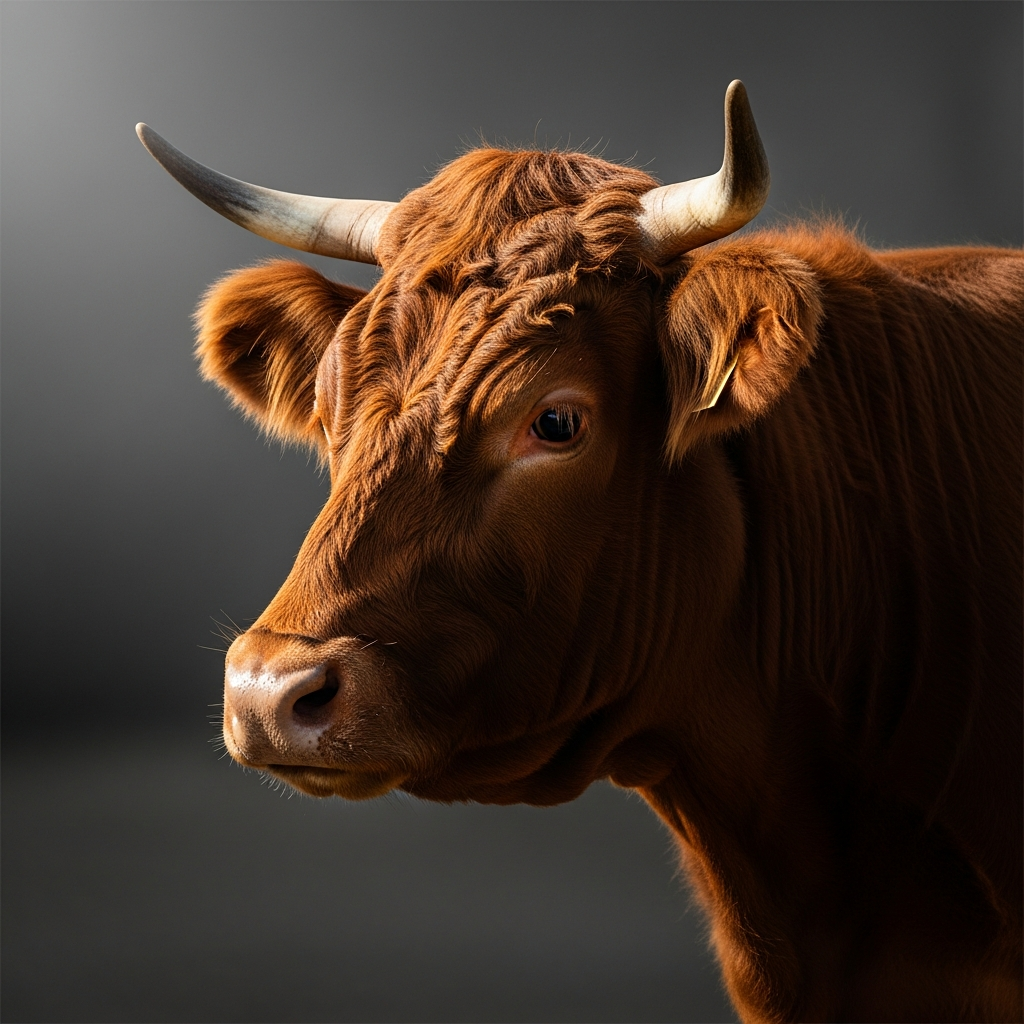
Stoneware mug, dishwasher safe
Buy Mug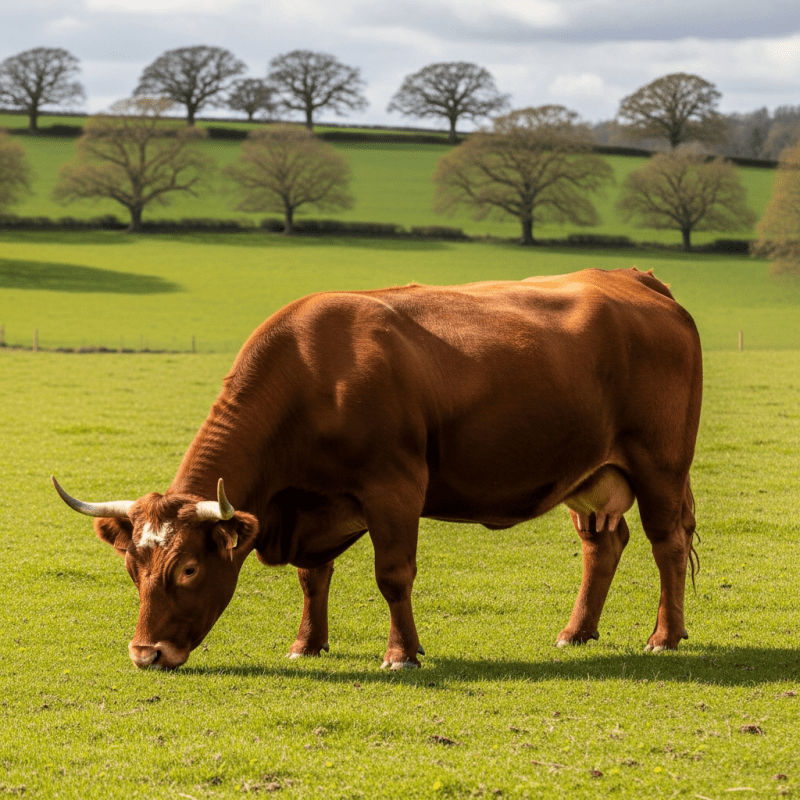
Soft cotton tee, unisex sizes
Buy ShirtThe Devon breed holds cultural importance in the UK as one of the oldest native beef breeds, symbolizing traditional British farming heritage. Its distinctive red coat and historic role in rural livelihoods feature in regional identity and heritage beef marketing.
The Devon breed is recognized primarily as a single, traditional breed without major regional variants. It is sometimes called Red Devon or North Devon to distinguish it from the separate South Devon breed. Polled and horned strains exist, with polled animals more common in some areas.

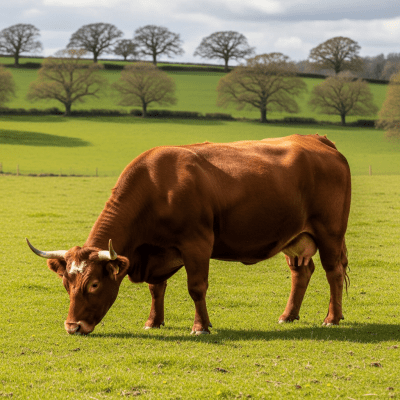
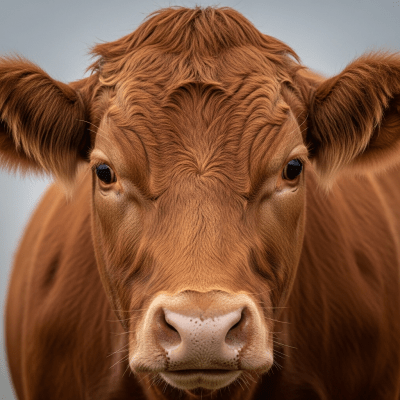
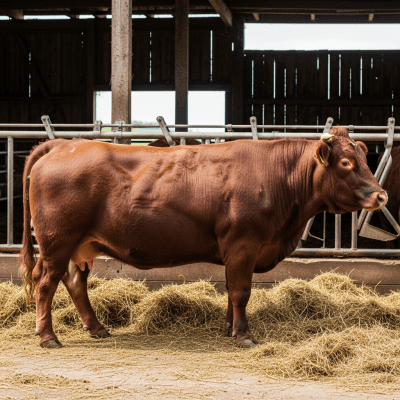
Devon cattle produce beef renowned for its rich flavor, fine marbling, and tenderness, making it a favorite in premium and heritage beef markets across the UK, USA, Australia, and New Zealand. Milk production is modest and typically reserved for calf nourishment rather than commercial use.
Adaptable to wet and hilly pastures, Devons efficiently convert forage into quality beef, supporting sustainable grazing systems. Their hardiness and longevity reduce the need for intensive inputs, aligning well with environmentally conscious farming practices.
Best managed in pasture-based systems, Devons thrive in varied climates including challenging wet and hilly terrain. Their docile temperament facilitates handling, and their efficient forage conversion supports low-input feeding strategies. Historically used for draught work, modern care focuses on beef production with attention to longevity and fertility.