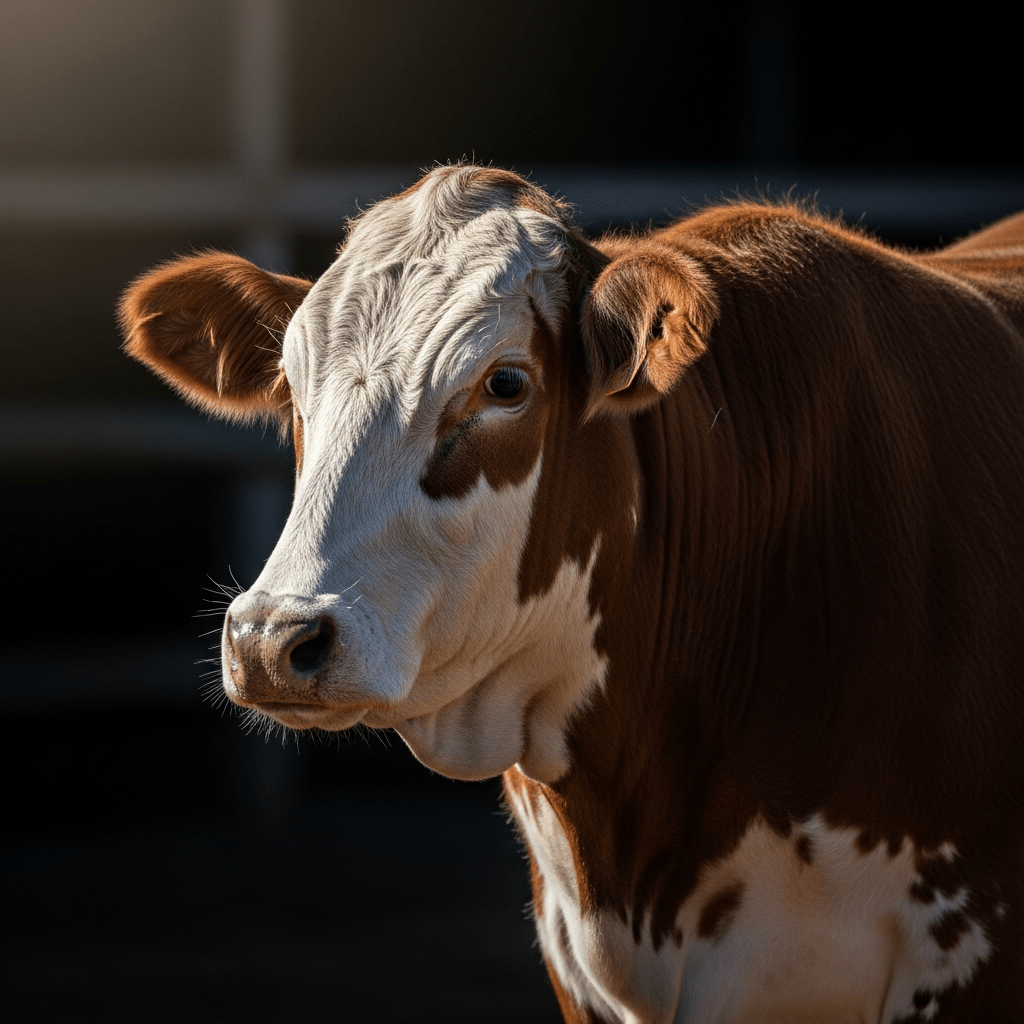
Taurine–Indicine Hybrid
A Taurine–Indicine hybrid is a cattle breed resulting from crosses between Bos taurus (taurine) and Bos indicus (indicine) lineages, combining traits from both ancestries for enhanced adaptability and productivity.
A Taurine–Indicine hybrid is a cattle breed resulting from crosses between Bos taurus (taurine) and Bos indicus (indicine) lineages, combining traits from both ancestries for enhanced adaptability and productivity.
Taurine–Indicine hybrids originated in regions where both Bos taurus and Bos indicus cattle coexisted, notably South Asia, Africa, and the Americas. Since the 19th century, breeders have intentionally crossed European taurine breeds like Hereford, Angus, and Shorthorn with indicine breeds such as Brahman, Gir, and Nelore. Formal composite breeds emerged in countries including the United States, Brazil, India, and Australia, developed through selective breeding to combine desirable traits from both lineages.
These hybrids belong to the domestic cattle group, representing composites of the two primary cattle species: Bos taurus (taurine) and Bos indicus (indicine). They are recognized as composite breeds or taurindicine crosses, blending genetic lineages to optimize performance in diverse environments, especially tropical and subtropical regions.
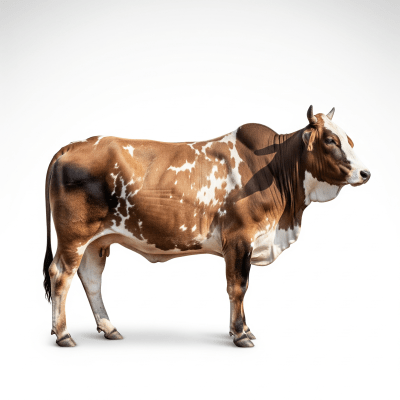
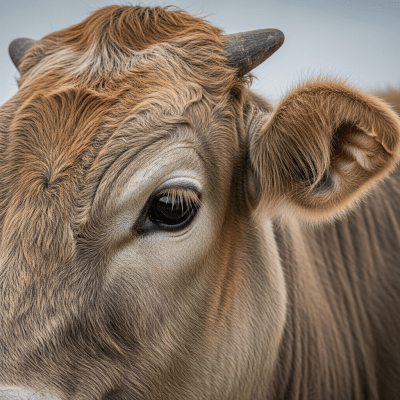
Taurine–Indicine hybrids exhibit intermediate physical traits, typically moderate to large in size with loose skin and sometimes a slight hump characteristic of indicine ancestry. Their coat colors vary widely but are often solid or brindled. Body conformation reflects a blend of both parent types, balancing robustness with adaptability.
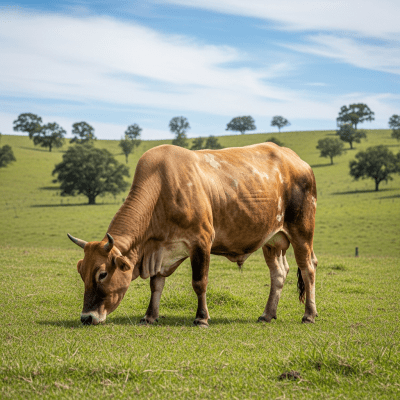
These hybrids are valued primarily for beef production and, in some cases, dual-purpose roles including milk. They combine the heat tolerance, tick resistance, and drought resilience of indicine cattle with the higher growth rates and meat quality of taurine breeds. Their hardiness and adaptability make them well-suited for extensive grazing systems in challenging climates.
Bring this kind into your world illustrated posters, mugs, and shirts.
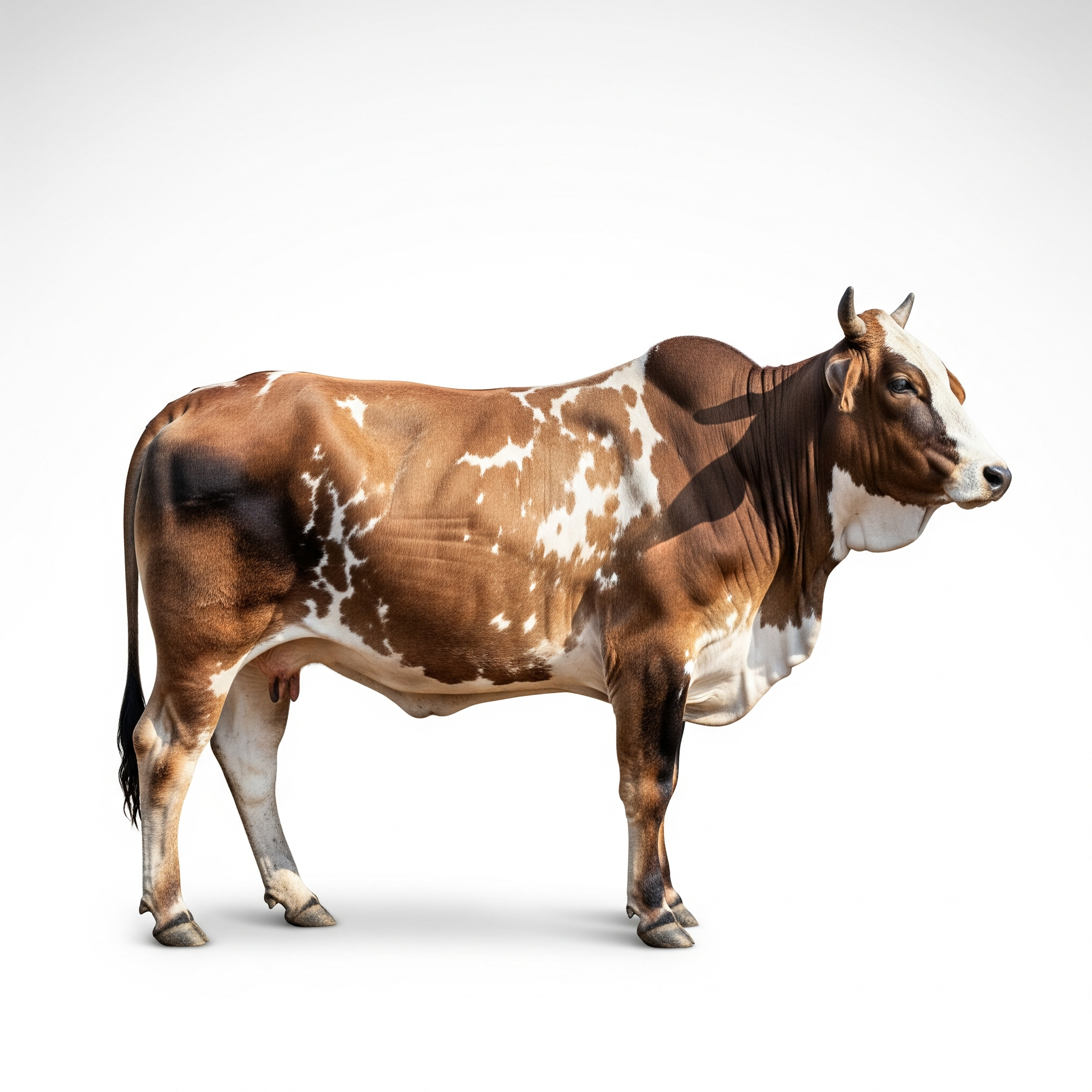
Archival print, museum-grade paper
Buy Poster
Stoneware mug, dishwasher safe
Buy Mug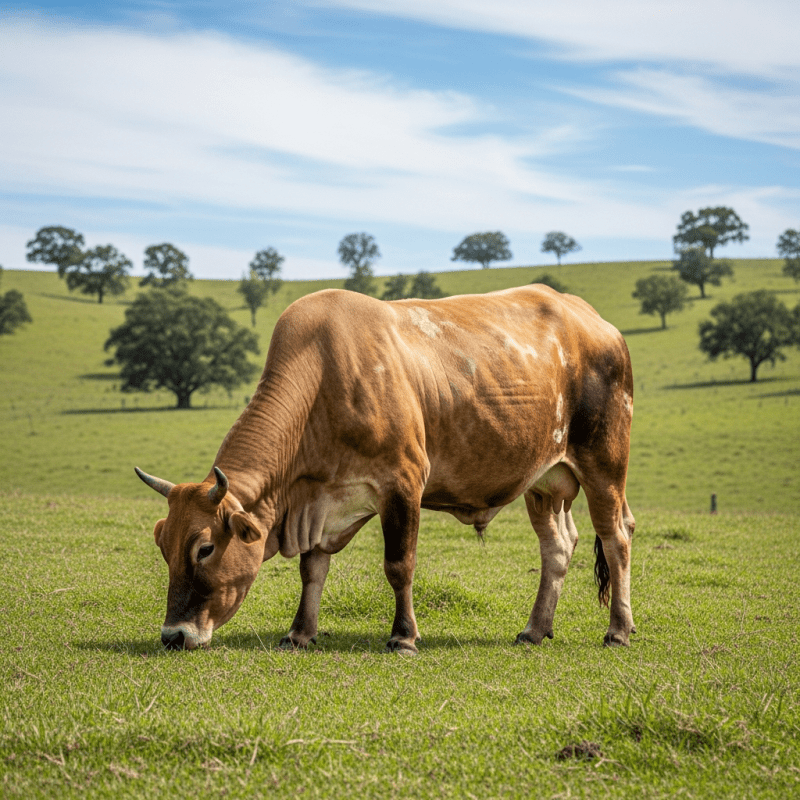
Soft cotton tee, unisex sizes
Buy ShirtTaurine–Indicine hybrids hold cultural importance in many tropical and subtropical regions where traditional taurine breeds struggle. Composite breeds like Santa Gertrudis, Beefmaster, and Brangus have become symbols of modern cattle breeding innovation, reflecting efforts to sustainably meet local agricultural needs while preserving breed heritage.
Common Taurine–Indicine composite breeds include Santa Gertrudis, Beefmaster, Brangus, Girolando, Braford, and Brahmousin. Regional variants like Criollo in Latin America and Sanga in Africa also represent hybrid populations adapted to local environments. These breeds differ in proportions of taurine and indicine ancestry, coat patterns, and production focus.
Meat from Taurine–Indicine hybrids is prized for improved tenderness and marbling compared to pure indicine cattle, making it more desirable in many markets. Some hybrids, such as the Girolando breed, are also valued for their high milk yield combined with heat tolerance, offering dual-purpose benefits in tropical dairy systems.
Taurine–Indicine hybrids contribute positively to sustainable livestock farming in hot and challenging climates by combining heat tolerance and disease resistance with efficient growth. Their adaptability reduces the need for intensive inputs, supporting extensive grazing systems that can be more environmentally resilient than those relying solely on taurine breeds.
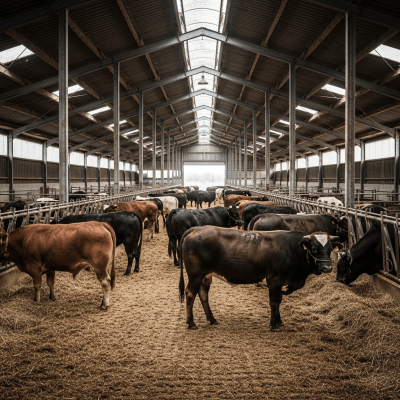
Effective management of Taurine–Indicine hybrids involves leveraging their hardiness and adaptability. They thrive under extensive grazing with minimal shelter but benefit from good nutrition to maximize growth and production. Attention to breeding selection helps maintain desired traits such as fertility, temperament, and disease resistance, ensuring long-term herd productivity.