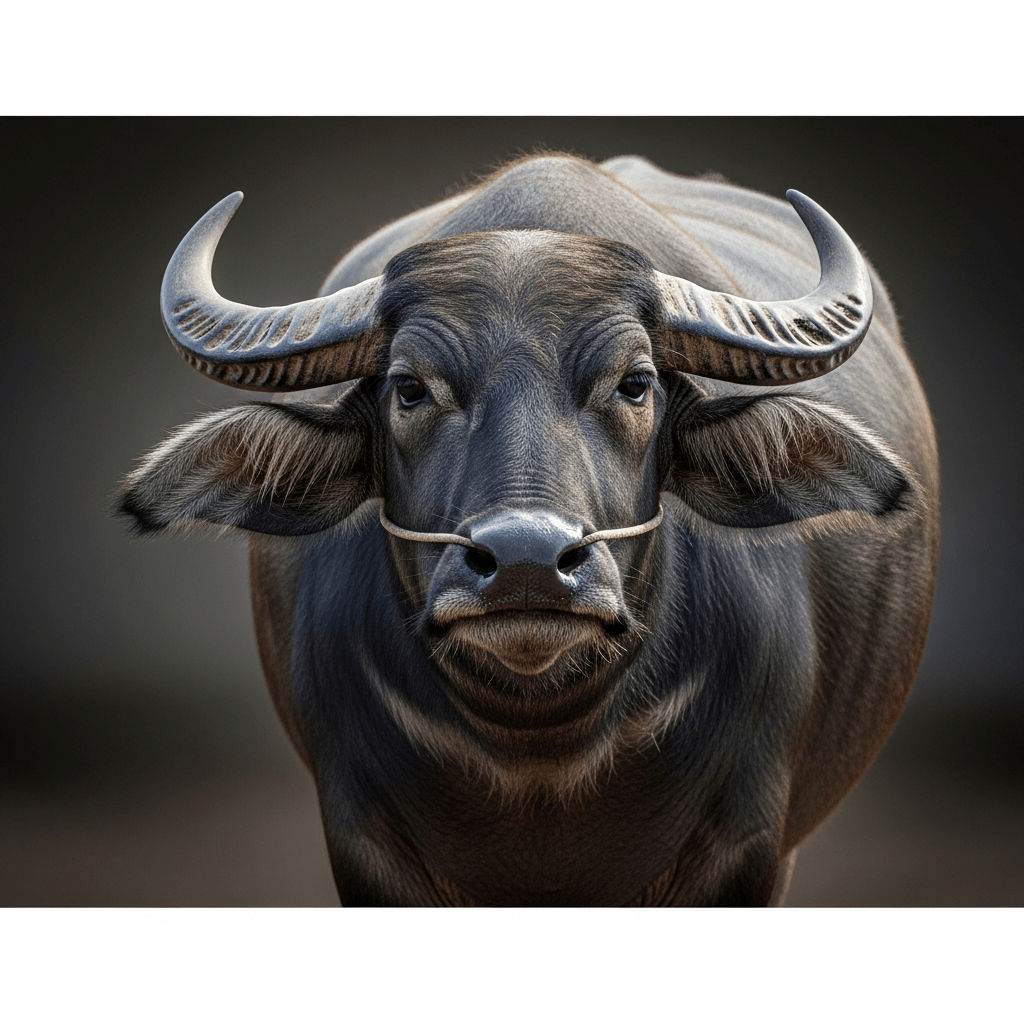
Bubalus Bubalis
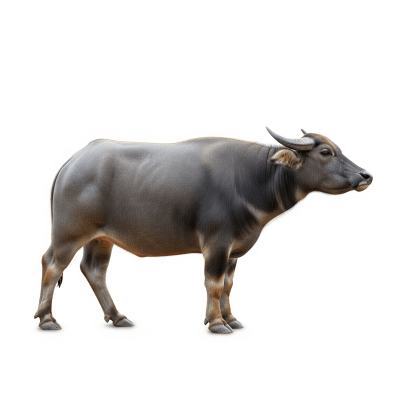
Bubalus bubalis, commonly known as the domestic water buffalo, is a large, robust bovid domesticated primarily across Asia for its milk, meat, and draught power.
Bubalus bubalis, commonly known as the domestic water buffalo, is a large, robust bovid domesticated primarily across Asia for its milk, meat, and draught power.
The domestic water buffalo originated in the Indian subcontinent and Southeast Asia, where it was domesticated from the wild Asian buffalo (Bubalus arnee) over 5,000 years ago. Two main types emerged: the river buffalo, found mainly in the Indian subcontinent and West Asia, and the swamp buffalo, prevalent in Southeast Asia and China, each with distinct genetic and physical traits.
Bubalus bubalis belongs to the Bovidae family and the subfamily Bovinae, standing adjacent to the genus Bos, which includes true cattle. Though not a true "cow" in the Bos genus, it is culturally and agriculturally recognized as a type of bovine and often referred to as "buffalo" or "cow" in many regions.
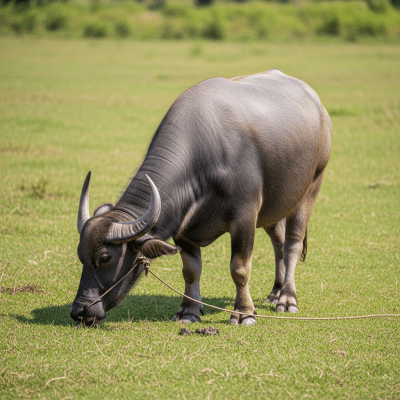
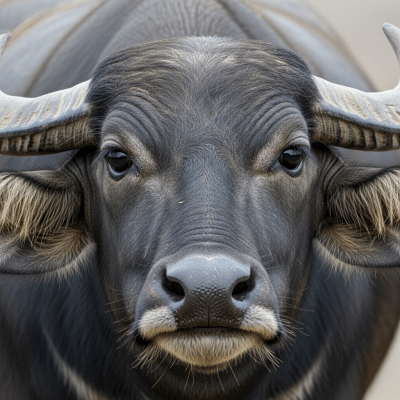
Water buffalo are large and sturdy animals weighing between 300 and 1,200 kilograms. River buffalo tend to be larger with longer bodies and distinctive curled horns, while swamp buffalo are stockier with sweeping horns. Their coat colors range from black to slate gray, and their skin is generally sparse-haired, adapted for hot and humid environments.
Highly adapted to wet and marshy environments, water buffalo thrive on coarse forage and tolerate hot, humid climates. They are valued for multiple uses: dairy production with high-fat milk, beef known as carabeef, and draught power, especially for plowing rice fields and transporting goods in many Asian agricultural systems.
Bring this kind into your world illustrated posters, mugs, and shirts.
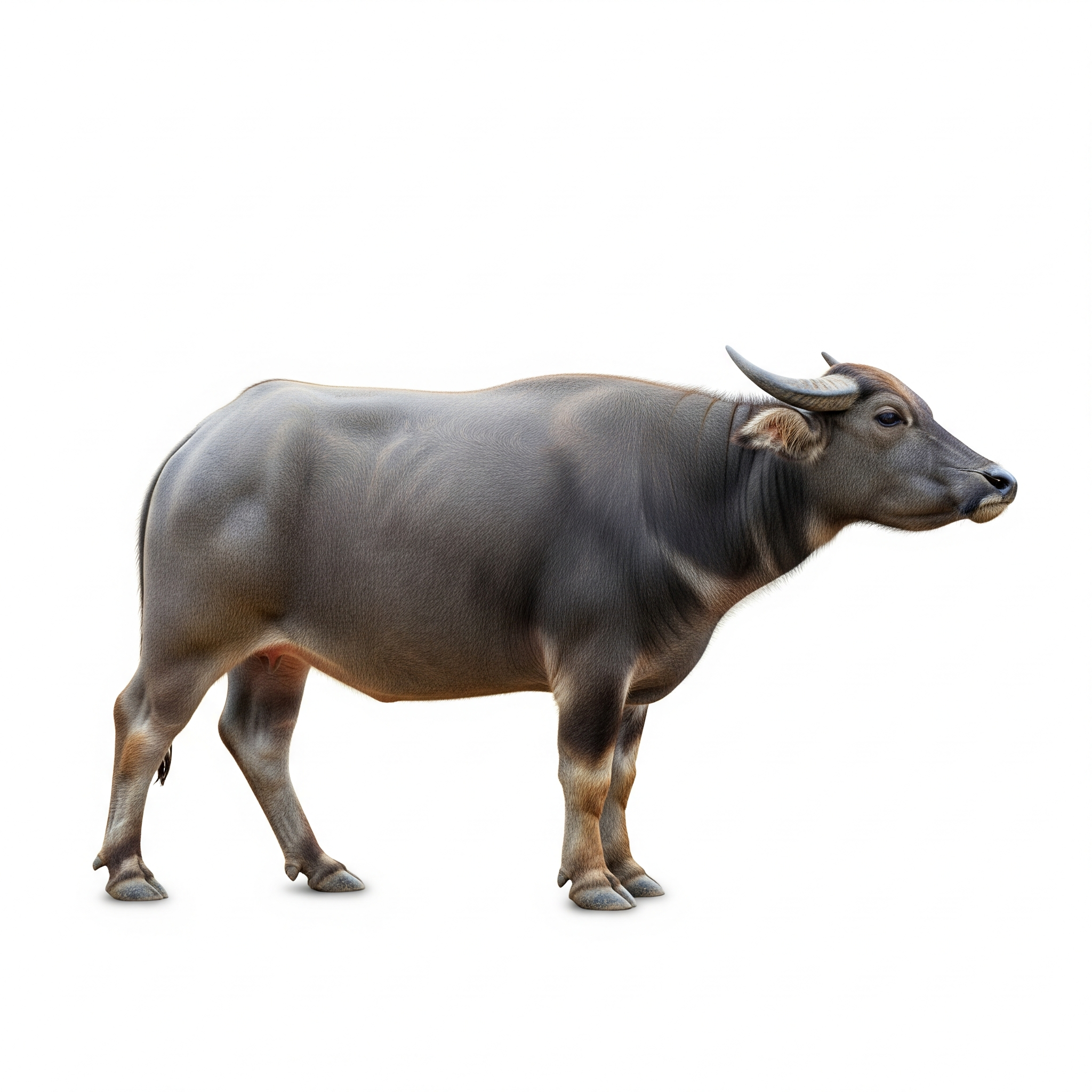
Archival print, museum-grade paper
Buy Poster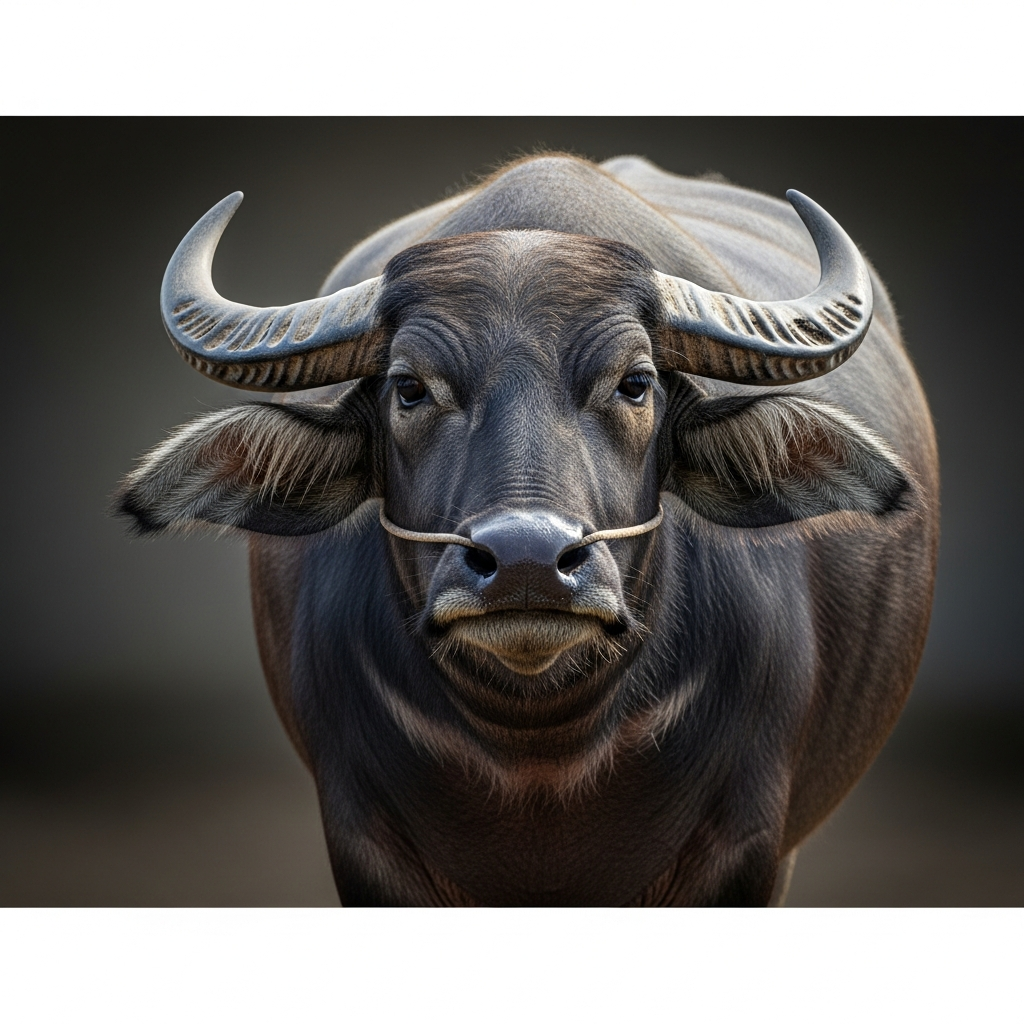
Stoneware mug, dishwasher safe
Buy Mug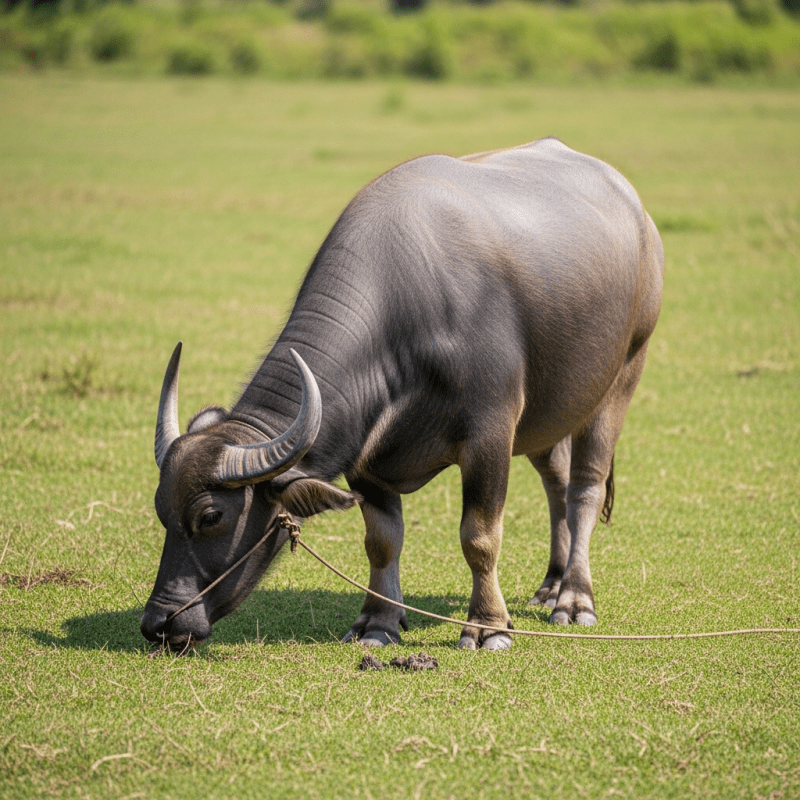
Soft cotton tee, unisex sizes
Buy ShirtWater buffalo hold deep cultural importance across South and Southeast Asia. They feature prominently in traditional farming, festivals, and rituals in countries like India, Nepal, Thailand, and the Philippines. Their role extends beyond agriculture into symbolic and communal life, often celebrated in art and local customs.
Water buffalo breeds vary regionally, primarily divided into river and swamp types. Notable river buffalo breeds include Murrah, Nili-Ravi, and Jafarabadi, known for higher milk yields and larger size. Swamp buffalo breeds are more common in Southeast Asia and China, adapted to wetland environments and valued for draught power and meat rather than high milk production.
Water buffalo milk is distinguished by its rich, creamy texture and high butterfat content of 7–8%, making it ideal for dairy products such as mozzarella, yogurt, and ghee. Buffalo meat, often called carabeef, is a lean and nutritious protein source widely consumed in several countries. Additionally, their hides are used in leather production, adding economic value beyond food.
Water buffalo significantly influence wetland ecosystems where they graze and wallow, often helping maintain marshy habitats. Their ability to thrive on coarse forage and in humid climates makes them sustainable in regions unsuitable for other livestock. However, their need for water and susceptibility to diseases like foot rot require careful environmental and health management to minimize negative impacts.
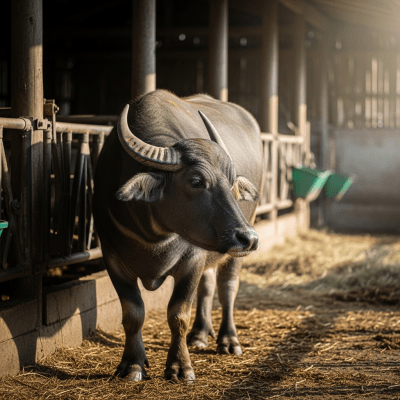
Effective care of water buffalo involves providing access to water for cooling and wallowing, as they rely on water to regulate body temperature. They require diets rich in coarse forage suited to wet environments and benefit from management practices that prevent foot rot and other common diseases. Proper shelter, regular health monitoring, and adaptation to local climatic conditions are essential for their well-being and productivity.