Feral Cattle
Feral cattle are free-living populations of domestic cattle that survive without direct human care, having reverted to a wild or unmanaged state.
Feral cattle are free-living populations of domestic cattle that survive without direct human care, having reverted to a wild or unmanaged state.
Feral cattle originate worldwide from domestic herds—primarily Bos taurus and Bos indicus—that escaped or were released into the wild. These populations arose in diverse regions such as the United Kingdom, Hawaii, Australia, and New Zealand, with feralization events spanning centuries to recent decades. Their ancestry often reflects mixed local breeds introduced by settlers or ranchers, though exact lineages are usually undocumented due to genetic admixture and lack of formal registry oversight.
Feral cattle belong to the broader group of domestic cattle (Bos taurus and Bos indicus) but are distinguished by their unmanaged, free-ranging status. They are classified as feral populations derived from domestic breeds rather than separate species or wild bovines, occupying a unique niche between domesticated cattle and truly wild bovids.
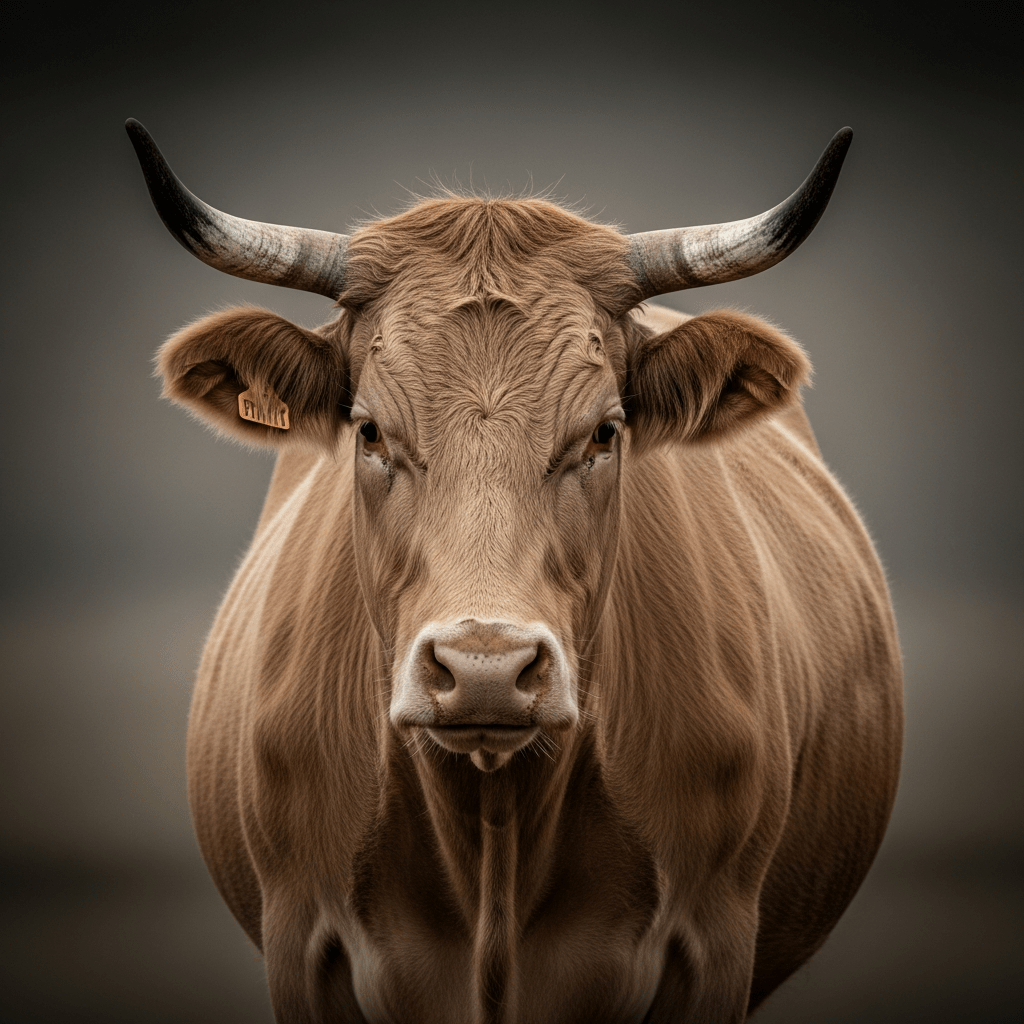
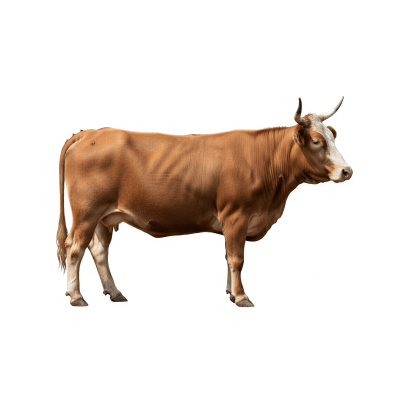
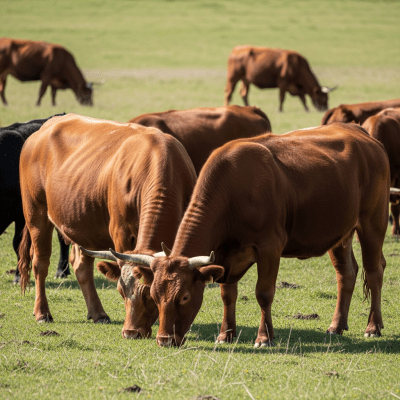
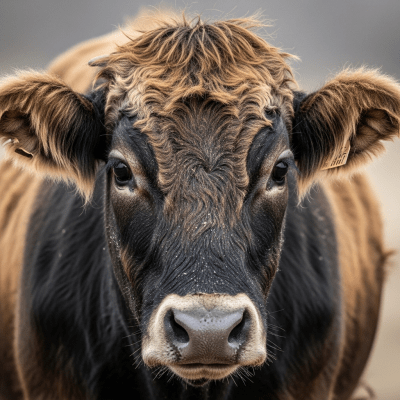
Feral cattle display highly variable physical traits influenced by their diverse domestic origins and local adaptation. Their coat colors range widely, including black, brown, red, and piebald patterns. Sizes and body types vary considerably among populations, reflecting founder effects and environmental pressures rather than standardized breed characteristics.
Living without human management, feral cattle exhibit survival behaviors and hardiness suited to unmanaged environments. While generally not part of formal agricultural systems, they are occasionally harvested for meat and hides. Some populations serve as reservoirs of genetic diversity or cultural heritage, whereas others are viewed as invasive pests requiring control or culling.
Bring this kind into your world illustrated posters, mugs, and shirts.
Archival print, museum-grade paper
Buy Poster
Stoneware mug, dishwasher safe
Buy Mug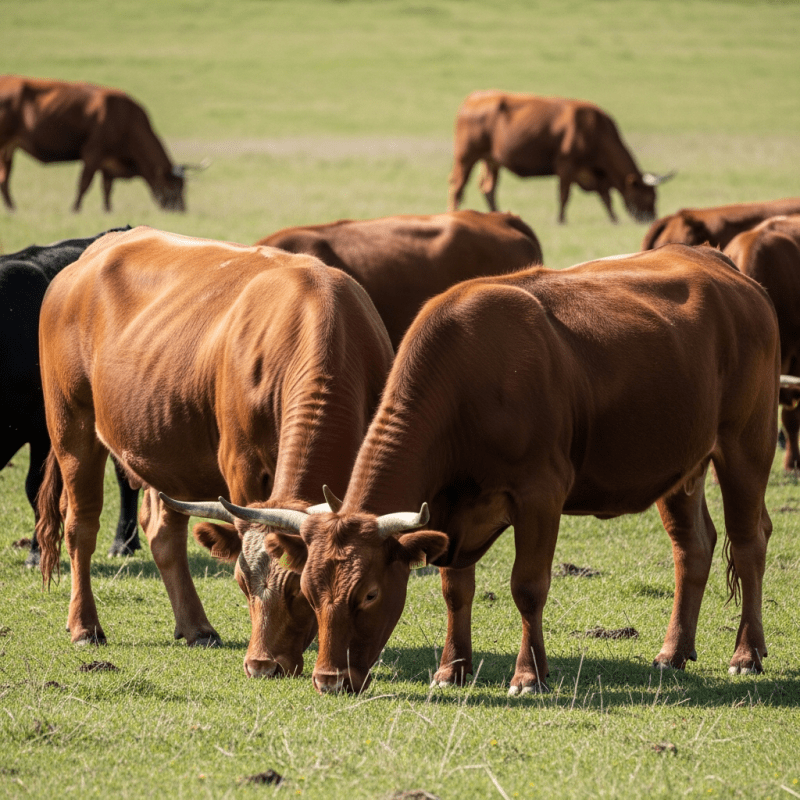
Soft cotton tee, unisex sizes
Buy ShirtFeral cattle hold varied cultural roles depending on region. Certain groups, like the Chillingham cattle in the UK, are cherished for their historical and genetic uniqueness, inspiring conservation efforts and local pride. In contrast, feral cattle in places like Australia and New Zealand often appear in discussions about invasive species and land management challenges, reflecting complex human-wildlife interactions.
Feral cattle populations are not standardized breeds but rather mixed or locally adapted groups derived from various domestic cattle breeds. Examples include the Chillingham cattle in the UK, Hawaiian wild cattle, Australian scrub cattle, and New Zealand's maroon cattle. Each population reflects unique genetic admixtures and environmental adaptations rather than formal breed classifications.
Milk production and composition data for feral cattle are generally unavailable or minimal, as these populations are not managed for dairy purposes. Meat from feral cattle is occasionally harvested and valued for its natural, free-range qualities, though it may vary in tenderness and flavor depending on diet and genetics. Commercial use is limited and often regulated.
Feral cattle can significantly affect ecosystems by grazing native vegetation, altering soil composition, and competing with indigenous wildlife. Their environmental impact varies by region, with some populations considered invasive pests requiring control measures, while others occupy ecological niches with less disruption. Their presence raises important questions about sustainability and land management.
Since feral cattle live without direct human care, management typically involves population control through culling or regulated harvesting to mitigate ecological impacts. Conservation efforts focus on protecting unique feral herds with cultural or genetic value, balancing preservation with environmental concerns. Active husbandry practices are generally absent, emphasizing natural survival and adaptation.