Ankole-Watusi
The Ankole-Watusi is a striking African cattle breed famed for its enormous lyre-shaped horns and valued for milk, meat, and cultural prestige across East and Central Africa.
The Ankole-Watusi is a striking African cattle breed famed for its enormous lyre-shaped horns and valued for milk, meat, and cultural prestige across East and Central Africa.
Originating in the Great Lakes region of East Africa—including Uganda, Rwanda, Burundi, and the Democratic Republic of the Congo—the Ankole-Watusi descends from ancient Sanga cattle, a hybrid of indigenous African Bos taurus and Asian Bos indicus. It evolved over centuries through traditional pastoralist selection, closely linked to the Tutsi (Watusi) people who historically kept the breed.
Classified within the Sanga group of African cattle, the Ankole-Watusi represents a unique taurine–indicine hybrid lineage adapted to tropical environments. It is recognized as a domestic breed distinct from specialized European taurine or indicine zebu breeds, embodying traits shaped by its African pastoralist heritage.
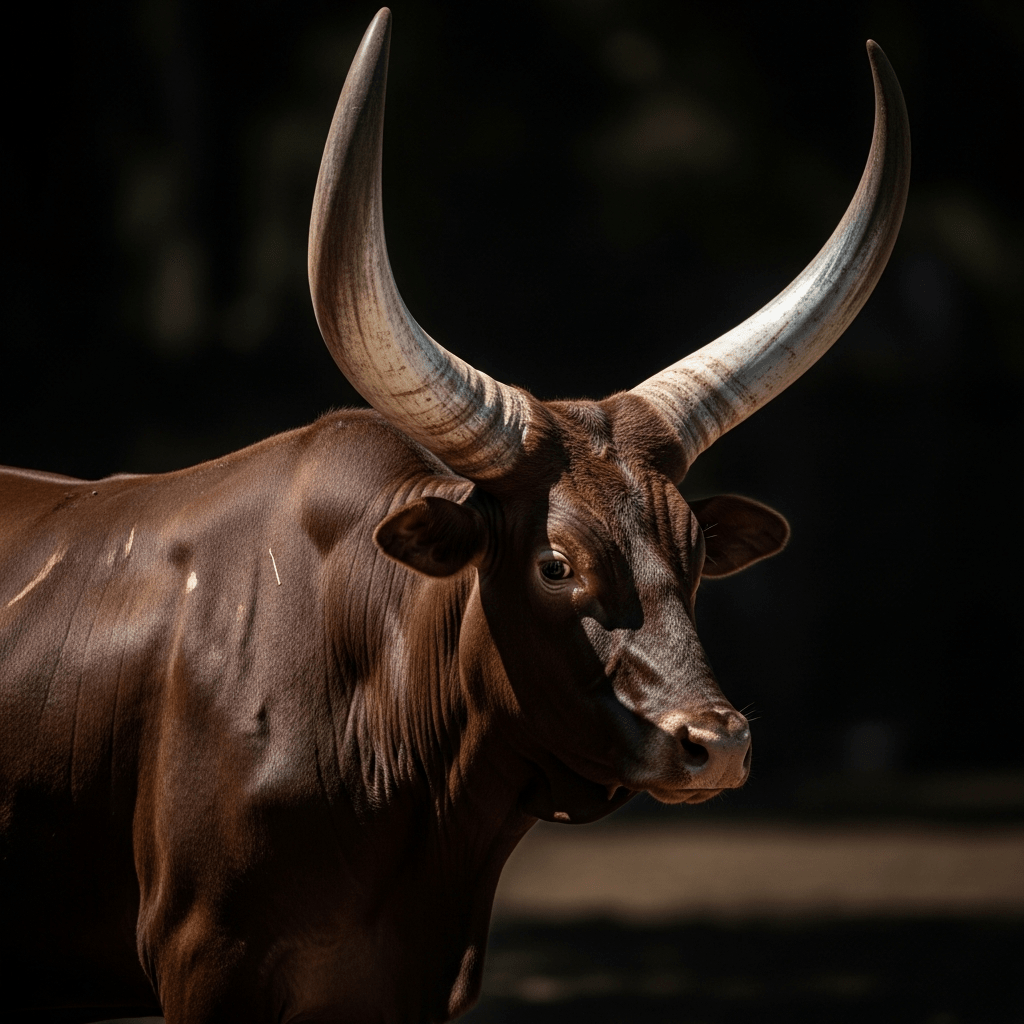
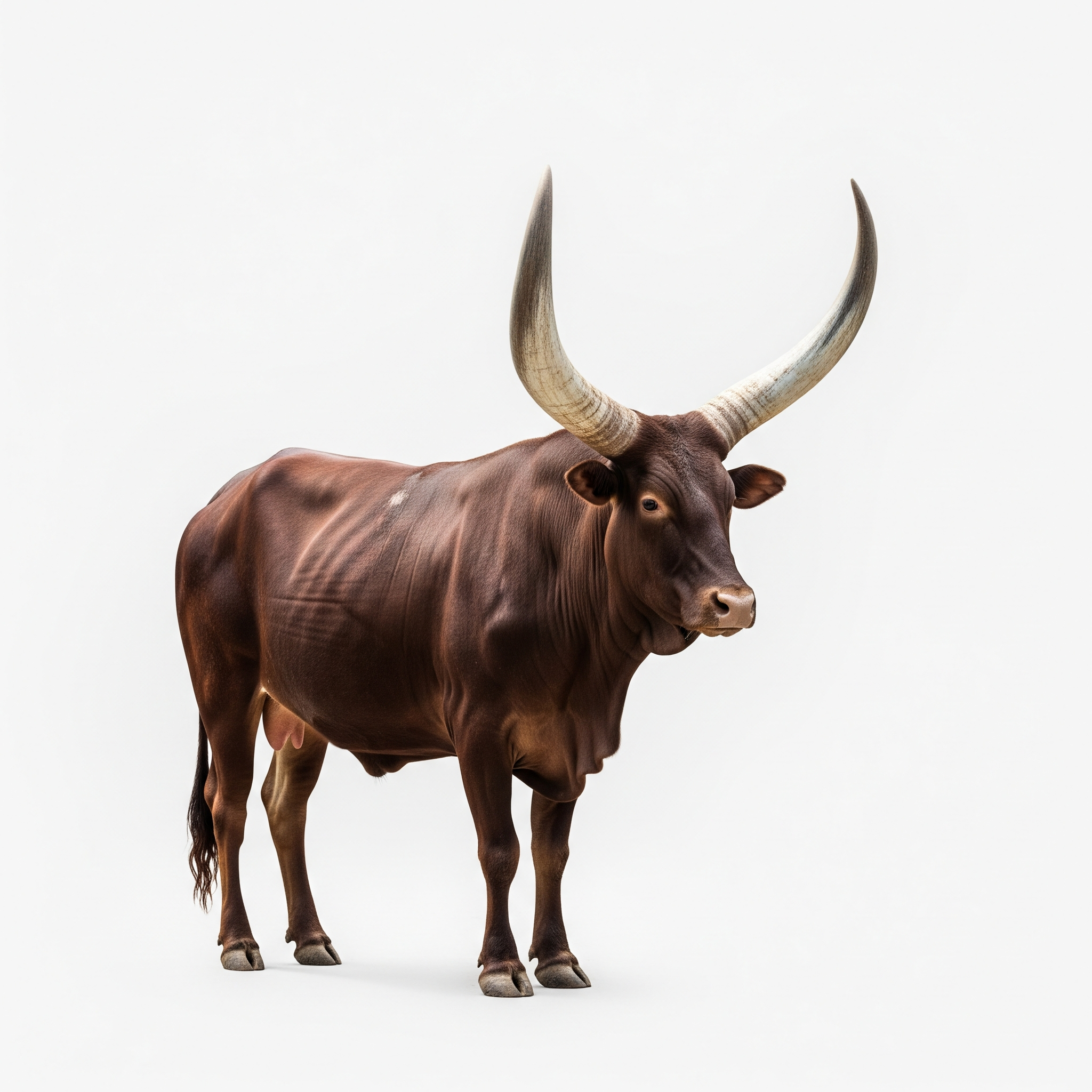
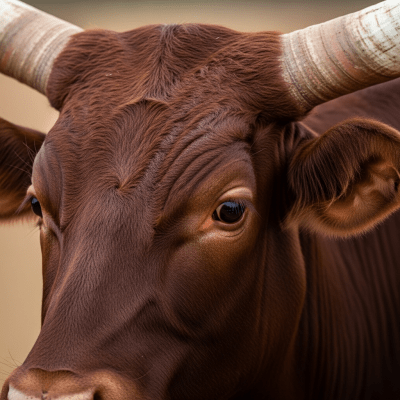
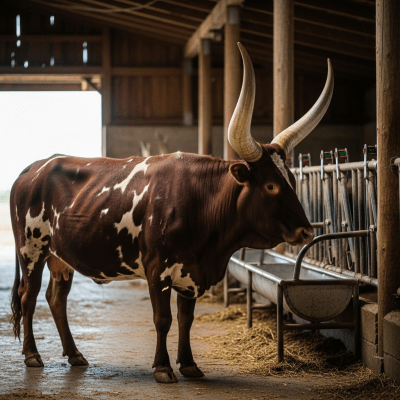
Ankole-Watusi cattle are medium to large-sized, with mature individuals weighing between 410 and 730 kilograms. Their most remarkable feature is their massive, outward-curving horns, which can span up to 2.4 meters (8 feet), serving both as a cooling mechanism and a symbol of status. Coat colors vary widely, including red, fawn, black, and spotted patterns, presenting a visually diverse and elegant form.
Primarily raised for dairy and beef, the Ankole-Watusi produces moderate milk yields averaging 1 to 3 liters daily, with milk prized for its high butterfat content. The breed thrives in harsh climates, showing exceptional tolerance to heat, drought, and poor forage quality. Beyond production, it serves as a living symbol of wealth and prestige, with its impressive horns often used ornamentally or ceremonially.
Bring this kind into your world illustrated posters, mugs, and shirts.
Archival print, museum-grade paper
Buy Poster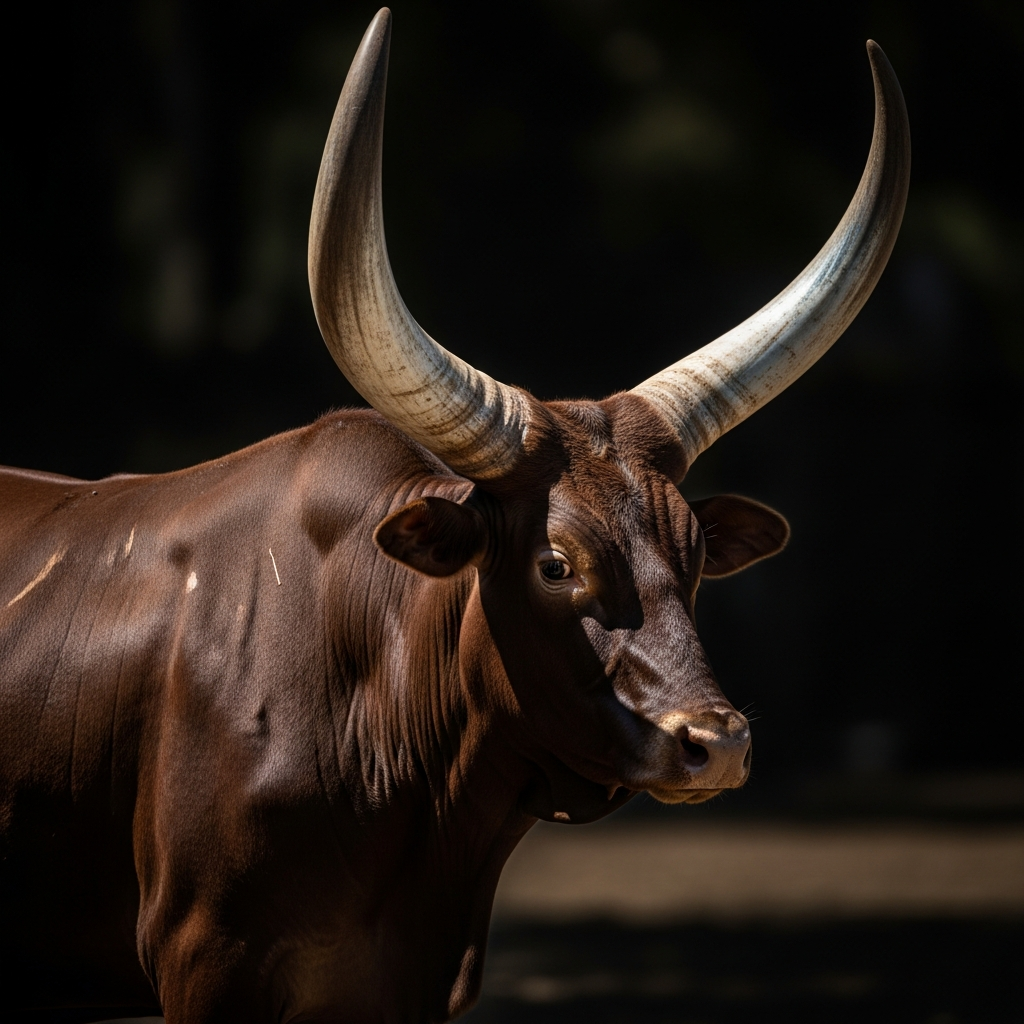
Stoneware mug, dishwasher safe
Buy Mug
Soft cotton tee, unisex sizes
Buy ShirtThe Ankole-Watusi holds deep cultural importance among East African communities, especially the Tutsi people, where ownership of large-horned cattle signifies social status and wealth. Its horns are not only practical but also carry symbolic weight in rituals and art, making the breed a potent emblem of identity and tradition.
The Ankole-Watusi encompasses regional strains such as the Bahima and Bashi, which reflect local adaptations and pastoralist preferences. While these variants share core breed traits, formal distinctions in registries are limited. The breed is also known by alternate names including Ankole, Watusi, Ankole Longhorn, and broadly as part of the Sanga cattle group.

Ankole-Watusi milk is notable for its high butterfat content, lending a rich flavor prized in fresh and fermented forms. Meat yields are modest compared to specialized European beef breeds, but the meat remains an important local protein source. The breed’s dual-purpose nature supports both subsistence and cultural uses.
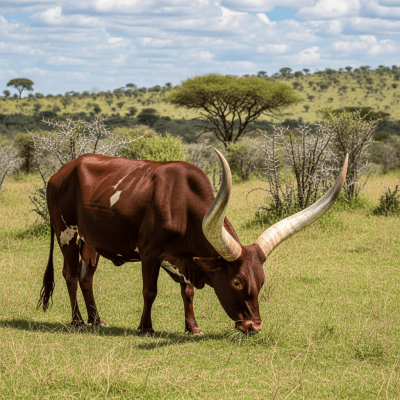
Thanks to its adaptability, the Ankole-Watusi thrives on poor-quality forage and withstands drought and heat, making it well-suited to fragile African savannah ecosystems. Its resilience reduces the need for intensive feed inputs, supporting sustainable pastoralist systems. However, like all cattle, management practices influence its environmental footprint.
Effective care of Ankole-Watusi cattle involves extensive pastoralist grazing systems that leverage their heat and drought tolerance. They require minimal supplemental feeding under natural conditions but benefit from disease monitoring to maintain longevity. Traditional management emphasizes herd mobility and social structures aligned with cultural practices.