Texas Longhorn
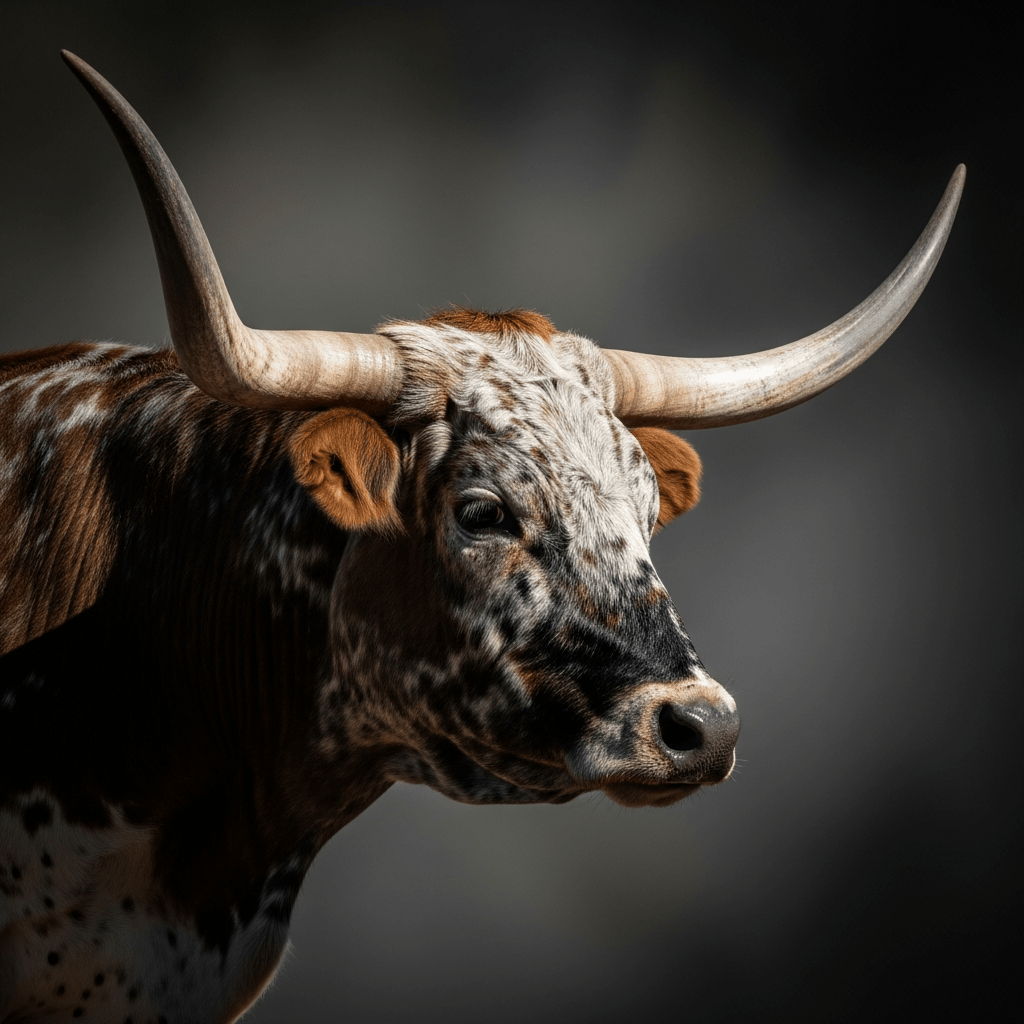
The Texas Longhorn is a distinctive American cattle breed known for its iconic long, curved horns and remarkable hardiness across diverse environments.
The Texas Longhorn is a distinctive American cattle breed known for its iconic long, curved horns and remarkable hardiness across diverse environments.
Originating in the southwestern United States, primarily Texas, the Texas Longhorn traces its roots to cattle brought by Spanish settlers in the late 15th and early 16th centuries. Over centuries, it developed through natural selection from Spanish Iberian cattle mixed with English and other European breeds during the 18th and 19th centuries. The breed emerged from feral and ranching populations before formal recognition in the early 20th century. The Texas Longhorn Breeders Association of America was established in 1964 to preserve and promote the breed.
The Texas Longhorn belongs to the domestic cattle group Bos taurus and is classified as a beef breed with additional cultural and conservation significance. It fits within the broader family Bovidae and subfamily Bovinae, representing a historic American breed shaped by Iberian and European cattle lineages.
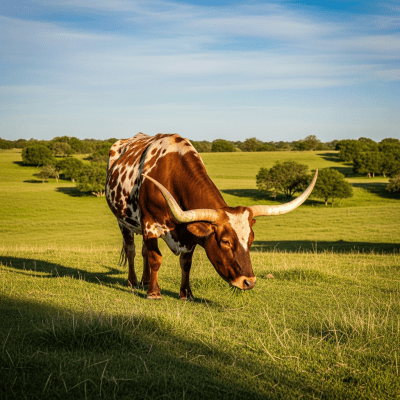
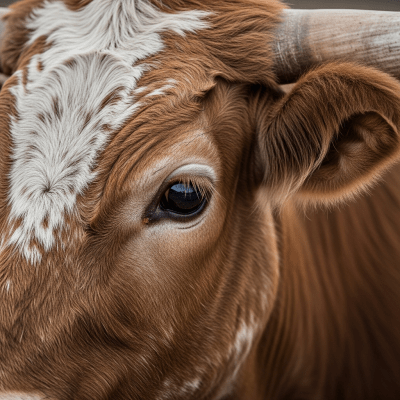
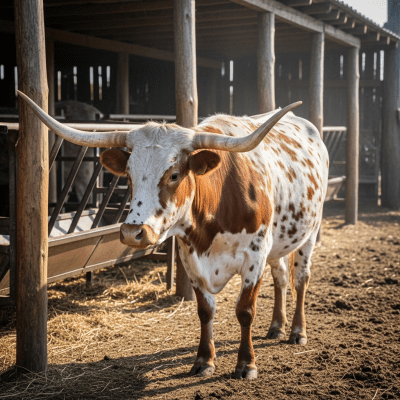
Texas Longhorns are medium to large cattle characterized by their extremely long, gracefully curved horns that can span up to two meters from tip to tip. Their coat colors are highly variable, featuring combinations of red, white, black, brown, and brindle patterns. This striking appearance, combined with a sturdy body type, makes them easily recognizable and emblematic of the American West.
Renowned for their hardiness, Texas Longhorns thrive in arid and rugged environments where many other breeds struggle. They exhibit resistance to numerous diseases and parasites and are known for ease of calving. Primarily raised for beef, they are well suited to low-input, extensive grazing systems and are also valued in conservation grazing projects and heritage livestock programs.
Bring this kind into your world illustrated posters, mugs, and shirts.
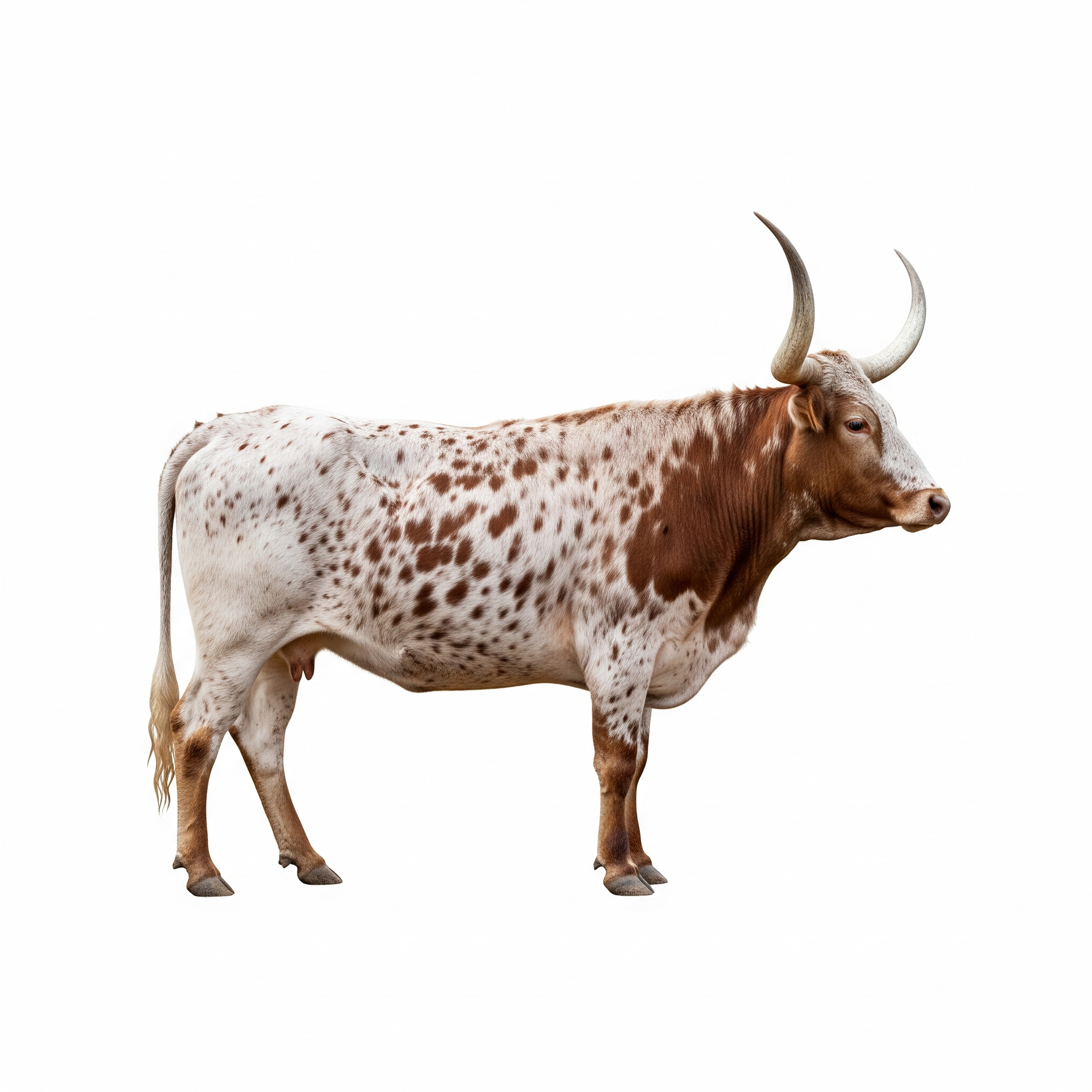
Archival print, museum-grade paper
Buy Poster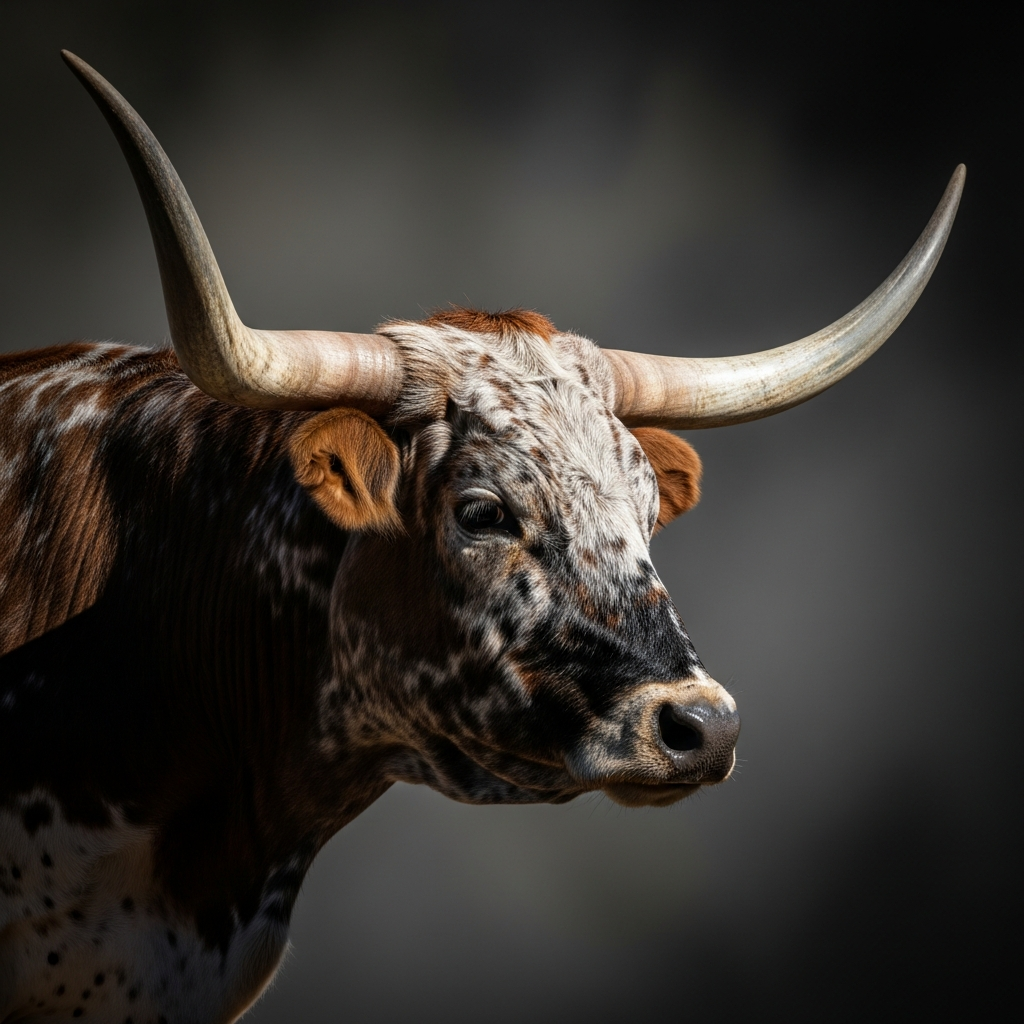
Stoneware mug, dishwasher safe
Buy Mug
Soft cotton tee, unisex sizes
Buy ShirtThe Texas Longhorn holds a storied place in American culture as a symbol of the Old West and frontier heritage. It features prominently in rodeos, parades, tourism, and promotional events, embodying the rugged spirit of Texas and the southwestern United States. Its unique appearance and historical legacy make it a living icon of American ranching history.
The Texas Longhorn is a distinct breed with no widely recognized sub-breeds or strains. While sometimes confused with other "Longhorn" cattle such as the English Longhorn, the Texas Longhorn is uniquely American, shaped by its Iberian and European ancestry and natural selection in the southwestern United States.
Primarily valued for beef, Texas Longhorns produce lean meat with lower fat content and a distinctive, rich flavor. Their beef is often marketed as specialty or heritage grass-fed products. Milk production is minimal and not a significant aspect of their use.
Texas Longhorns are well-suited to sustainable, low-input grazing systems due to their hardiness and adaptability. Their ability to thrive in arid and rugged landscapes reduces the need for intensive feed and veterinary interventions. This makes them valuable in conservation grazing projects that support ecosystem health and biodiversity.
Raising Texas Longhorns involves extensive grazing management suited to arid and semi-arid environments. Their natural disease resistance and ease of calving reduce veterinary needs. Best practices emphasize low-stress handling, adequate forage availability, and maintaining genetic diversity through careful breeding to preserve their hardy traits.