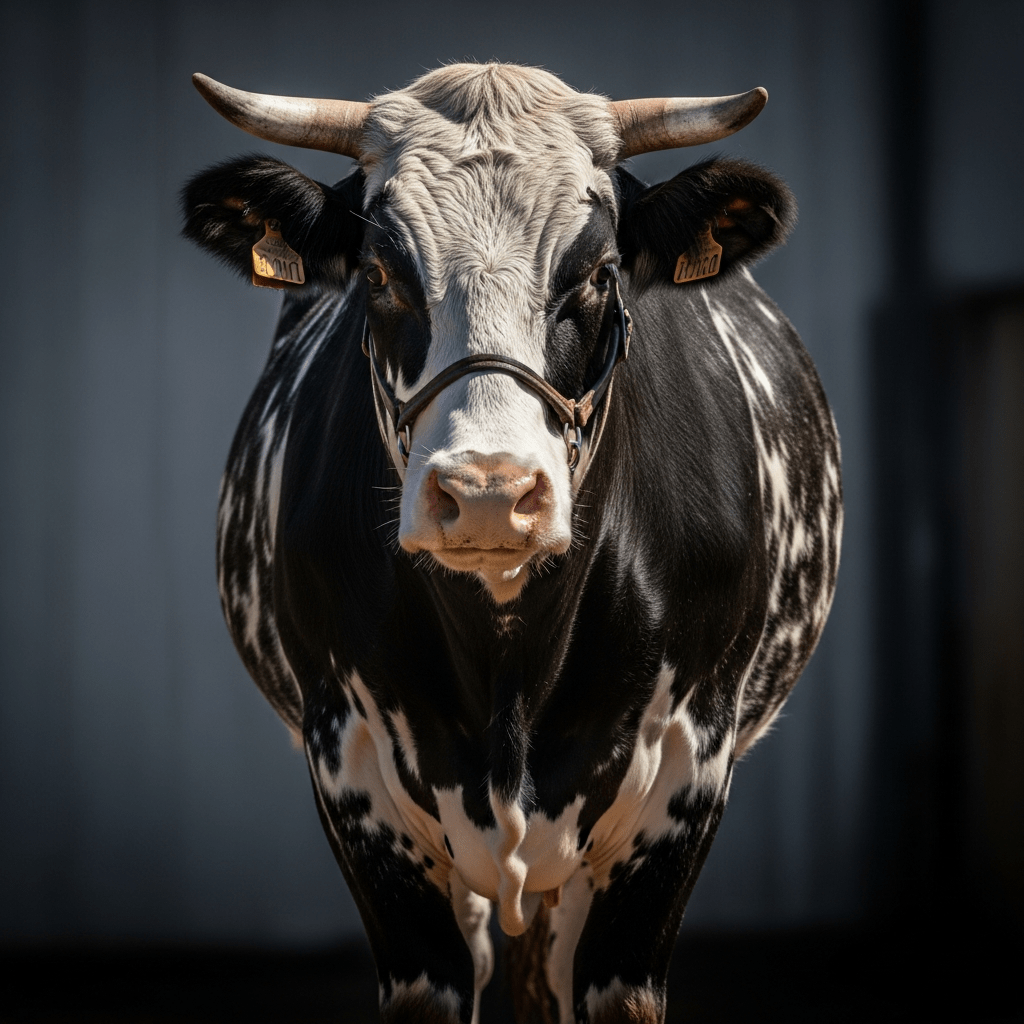
Local Unregistered Landraces
Local unregistered landraces are diverse, very-local cattle populations maintained by smallholder farmers worldwide without formal breed recognition or registry documentation.
Local unregistered landraces are diverse, very-local cattle populations maintained by smallholder farmers worldwide without formal breed recognition or registry documentation.
These landraces originate from centuries of informal selection within isolated communities or regions across various localities worldwide. Their development reflects long-term adaptation to specific environments, occasional crossbreeding, and genetic drift, with no single breeder or institution responsible for their lineage.
Local unregistered landraces fall outside formal breed registries and recognized classifications, representing a broad category of domestic cattle shaped by local environmental and cultural factors rather than standardized breeding programs.
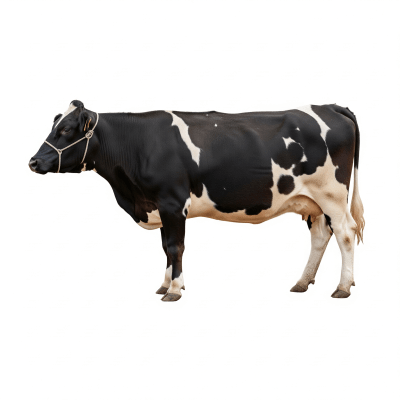
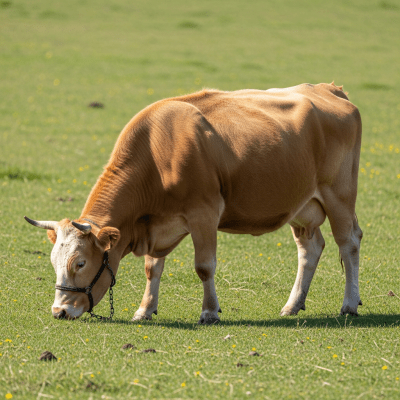
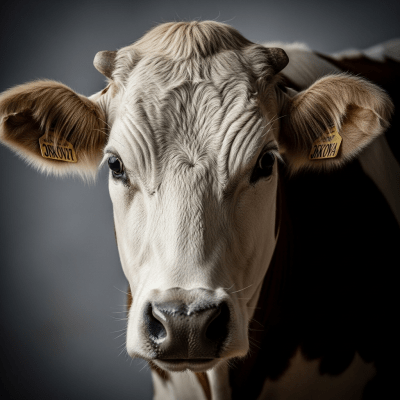
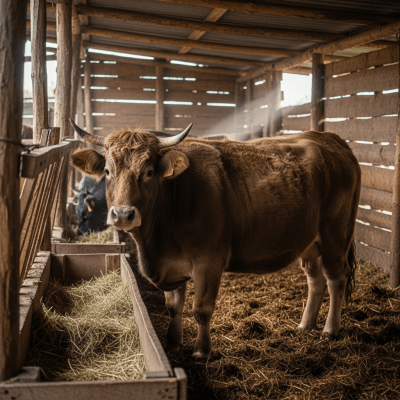
These cattle exhibit highly variable physical traits, including a wide range of coat colors and patterns. Body size and conformation differ significantly among populations, reflecting adaptation to local climates and husbandry practices.
Landraces serve multiple roles depending on local needs, including dairy production, beef supply, draft work, and other subsistence purposes. Their behavior and utility are closely tied to the environments and traditional farming systems where they are raised.
Bring this kind into your world illustrated posters, mugs, and shirts.
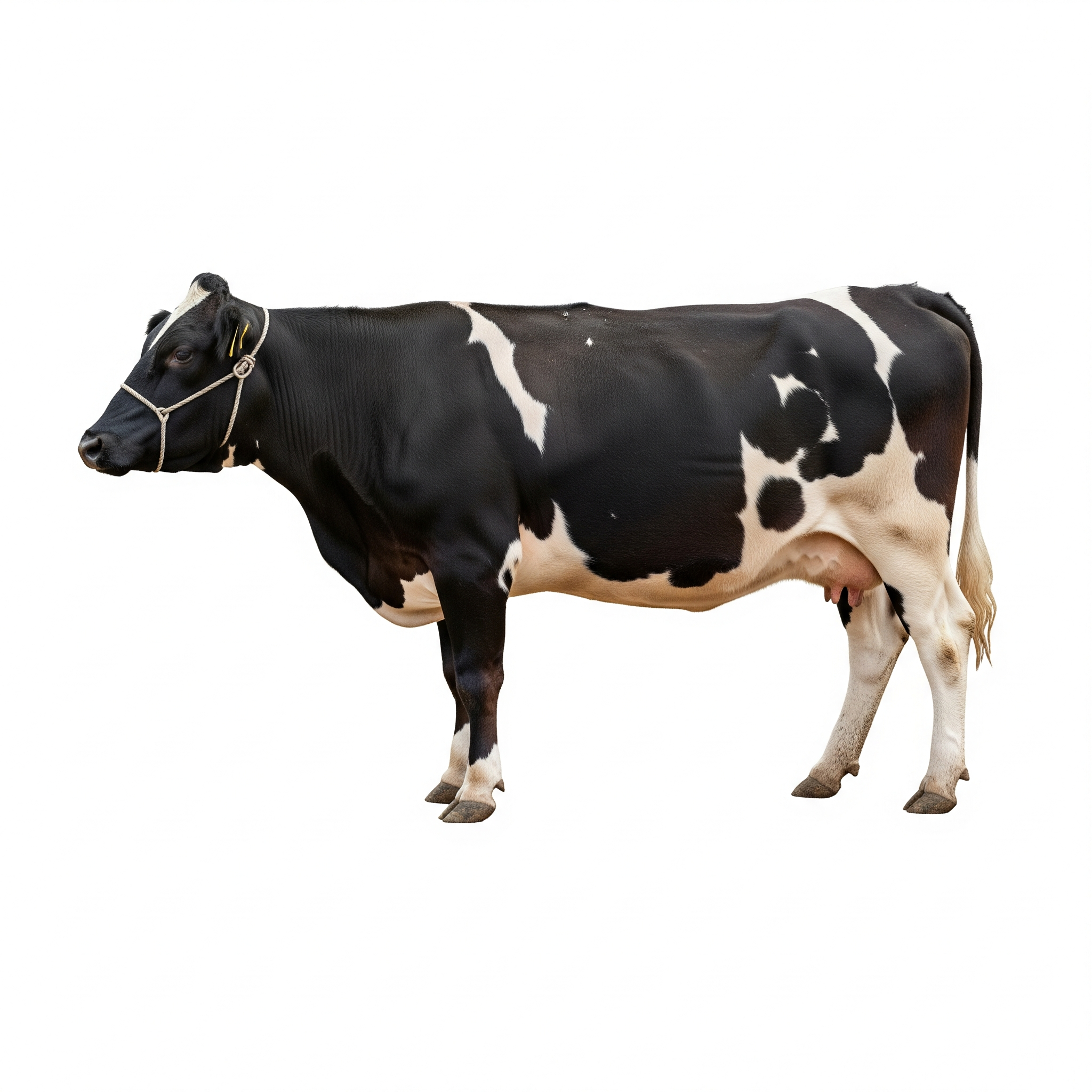
Archival print, museum-grade paper
Buy Poster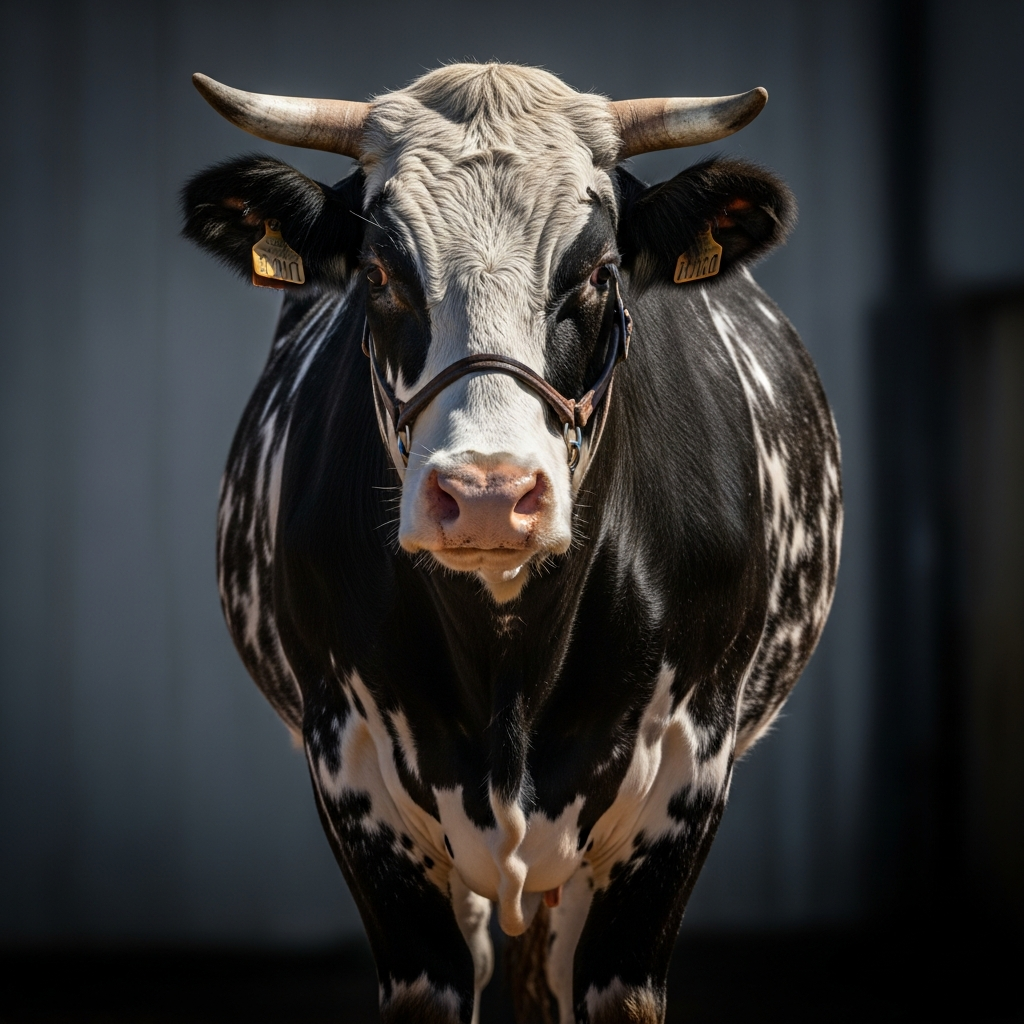
Stoneware mug, dishwasher safe
Buy Mug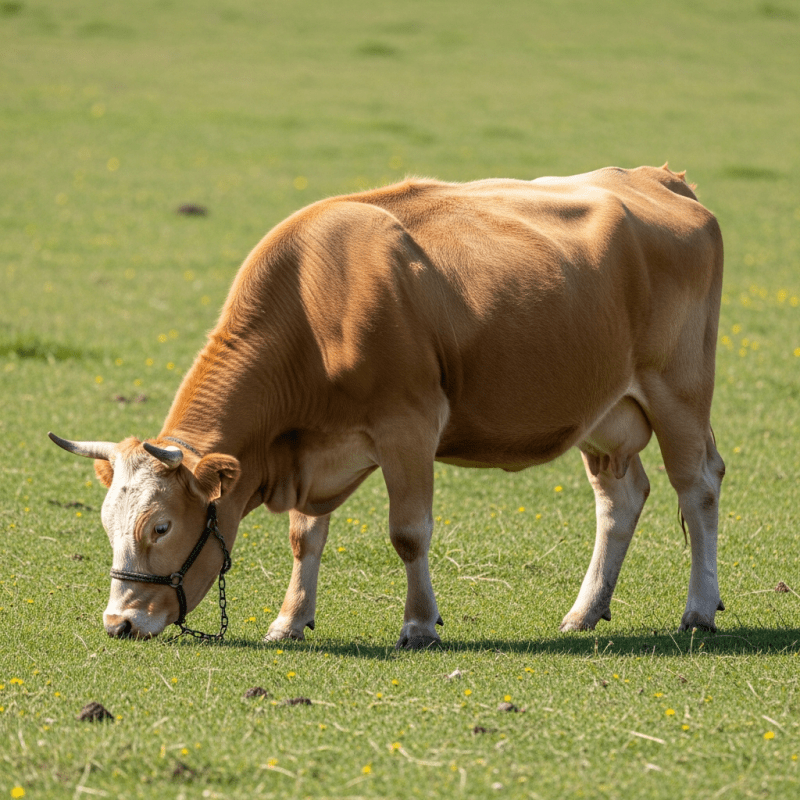
Soft cotton tee, unisex sizes
Buy ShirtThese cattle often hold deep cultural importance within their communities, symbolizing heritage and local identity. Their value frequently extends beyond economics, featuring in traditional practices and local customs.
This category encompasses numerous unnamed and regionally distinct cattle populations worldwide, each adapted to its local environment. Variations include differences in size, coat color, and utility, but none have formal breed standards or registries.
Milk and meat quality vary widely among these landraces, with no standardized data available. Generally, their products serve local consumption needs, and culinary preferences are shaped by traditional practices rather than commercial grading.
Local unregistered landraces often contribute positively to ecosystem sustainability by thriving on native forage and adapting to local climates. Their genetic diversity supports resilience but may be vulnerable to replacement by commercial breeds.
Management practices for these cattle are typically traditional and low-input, relying on extensive grazing and local knowledge. Best care emphasizes maintaining genetic diversity, adapting husbandry to local conditions, and supporting smallholder livelihoods.