Belted Galloway
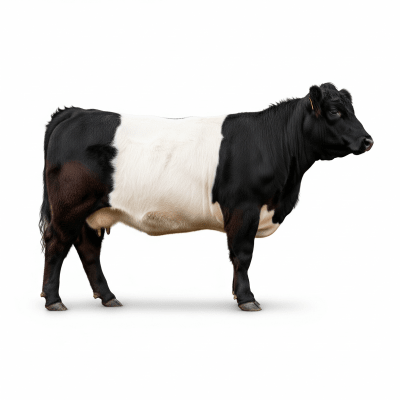
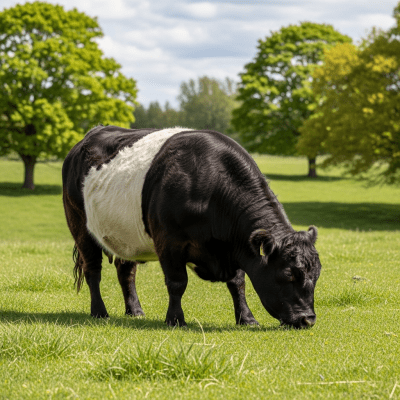
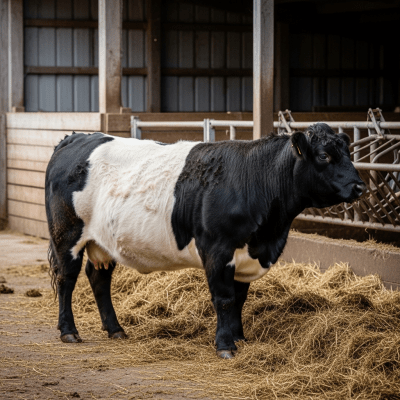
The Belted Galloway is a distinctive beef cattle breed known for its striking broad white belt encircling a black, dun, or red body, prized for its hardiness and high-quality lean beef.
The Belted Galloway is a distinctive beef cattle breed known for its striking broad white belt encircling a black, dun, or red body, prized for its hardiness and high-quality lean beef.
Originating in southwest Scotland, the Belted Galloway was developed in the Galloway region with formal breed records beginning in 1921. Its unique belt marking likely arose from crossing traditional Galloway cattle with Dutch Lakenvelder cattle during the 17th or 18th century.
The Belted Galloway is a domestic beef breed within Bos taurus, classified among hardy, medium-sized cattle breeds. It belongs to the polled (hornless) group and is maintained by dedicated breed societies in the UK and North America.
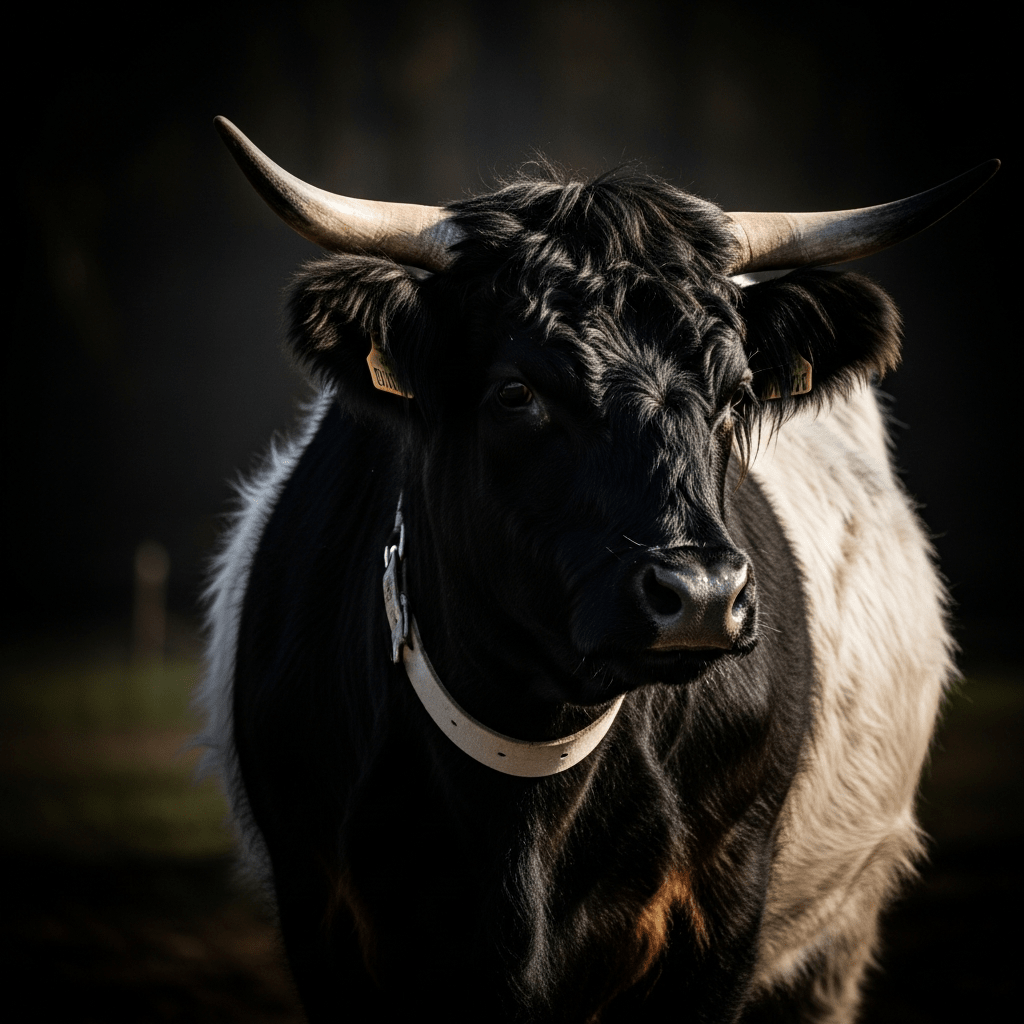
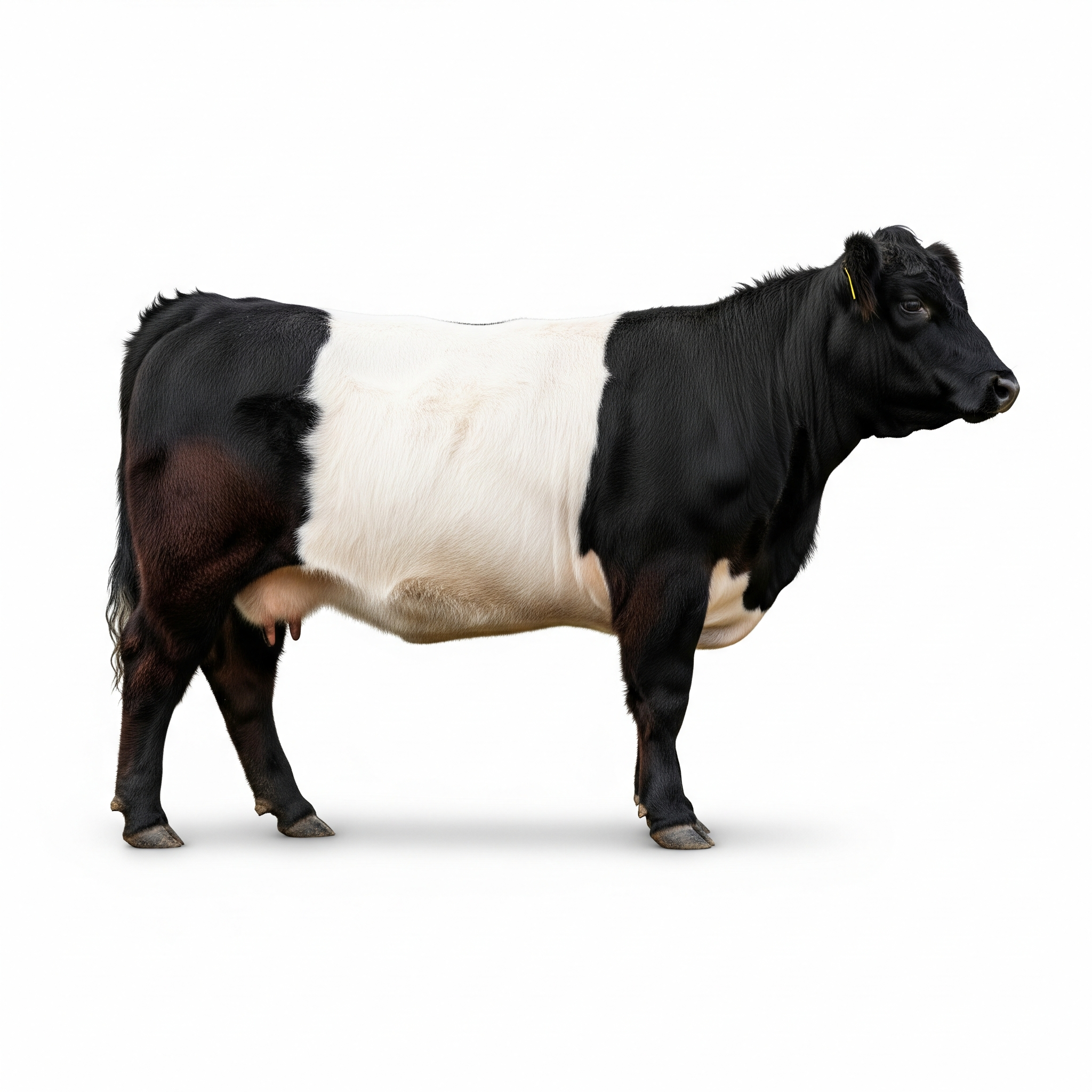
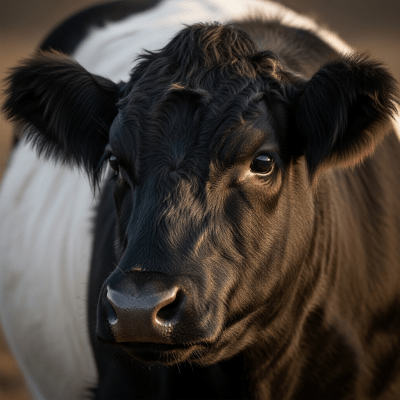
This medium-sized breed features a thick, double-layered coat that insulates against harsh climates. Its hallmark is a broad, unbroken white belt around the midsection contrasting sharply with a black, dun, or occasionally red coat. Naturally polled, Belted Galloways weigh between 450 and 850 kg depending on sex and maturity.
Primarily raised for beef, Belted Galloways are slow-growing but efficient converters of rough forage. They thrive in poor grazing conditions and cold, wet weather, showing strong disease resistance. Their moderate milk production supports calf rearing rather than commercial dairy use.
Bring this kind into your world illustrated posters, mugs, and shirts.
Archival print, museum-grade paper
Buy Poster
Stoneware mug, dishwasher safe
Buy Mug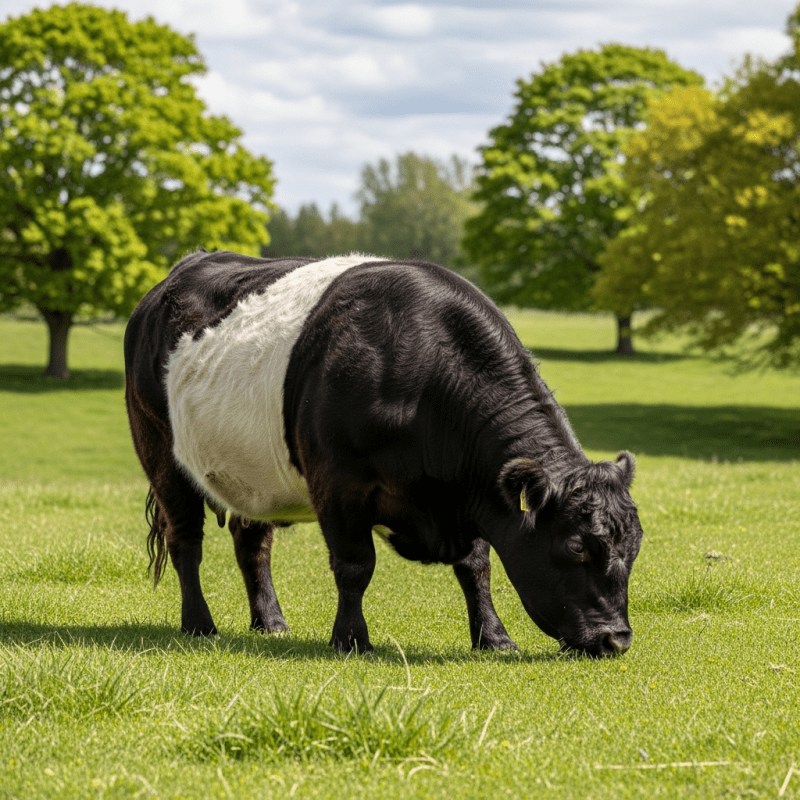
Soft cotton tee, unisex sizes
Buy ShirtThe Belted Galloway's striking appearance has made it a popular symbol in heritage breed programs and conservation grazing projects. Its unique look also earns it a place in exhibitions and specialty farming, embodying both agricultural tradition and aesthetic appeal.
The Belted Galloway is a distinct breed within the broader Galloway cattle group. While related to the unbelted Galloway breed, it is uniquely identified by its white belt. Variations include coat colors of black, dun, and red, but the belt marking remains consistent. The breed is recognized and preserved by societies in the UK and North America.
Belted Galloway beef is celebrated for its tenderness, rich flavor, and leanness, making it a favorite in specialty and grass-fed markets. While milk production is limited and not commercially significant, the breed’s meat quality is highly valued for its marbling and low saturated fat content.
Thanks to its efficiency in converting rough forage and adaptability to poor grazing lands, the Belted Galloway supports sustainable beef production in marginal environments. Its hardy nature reduces the need for intensive feed inputs and shelter, aligning well with conservation grazing and low-impact farming practices.
Management of Belted Galloways emphasizes extensive grazing on rough pastures. Their thick coats and natural hardiness reduce shelter requirements, though adequate nutrition during harsh winters is essential. Polled and generally disease-resistant, they require standard health monitoring and benefit from breed society guidance on breeding and herd management.