Mongolian Cattle
Mongolian cattle are a resilient group of local cattle ecotypes native to Mongolia, prized for their adaptability to harsh climates and multipurpose utility in pastoralist societies.
Mongolian cattle are a resilient group of local cattle ecotypes native to Mongolia, prized for their adaptability to harsh climates and multipurpose utility in pastoralist societies.
Developed over centuries through traditional nomadic herding in Mongolia, Mongolian cattle descend primarily from indigenous taurine populations with some limited Bos indicus influence. Their evolution reflects adaptation to the extreme continental climate and extensive steppe grazing, with no single formal breed registry or centralized breeder overseeing their lineage.
Mongolian cattle belong to the domestic cattle group within the genus Bos, representing indigenous taurine cattle ecotypes with some regional introgression from indicine (zebu) lineages. They encompass multiple local strains such as Khalkha, Darkhad, and Selenge, recognized more by regional and ecological distinctions than formal breed standards.
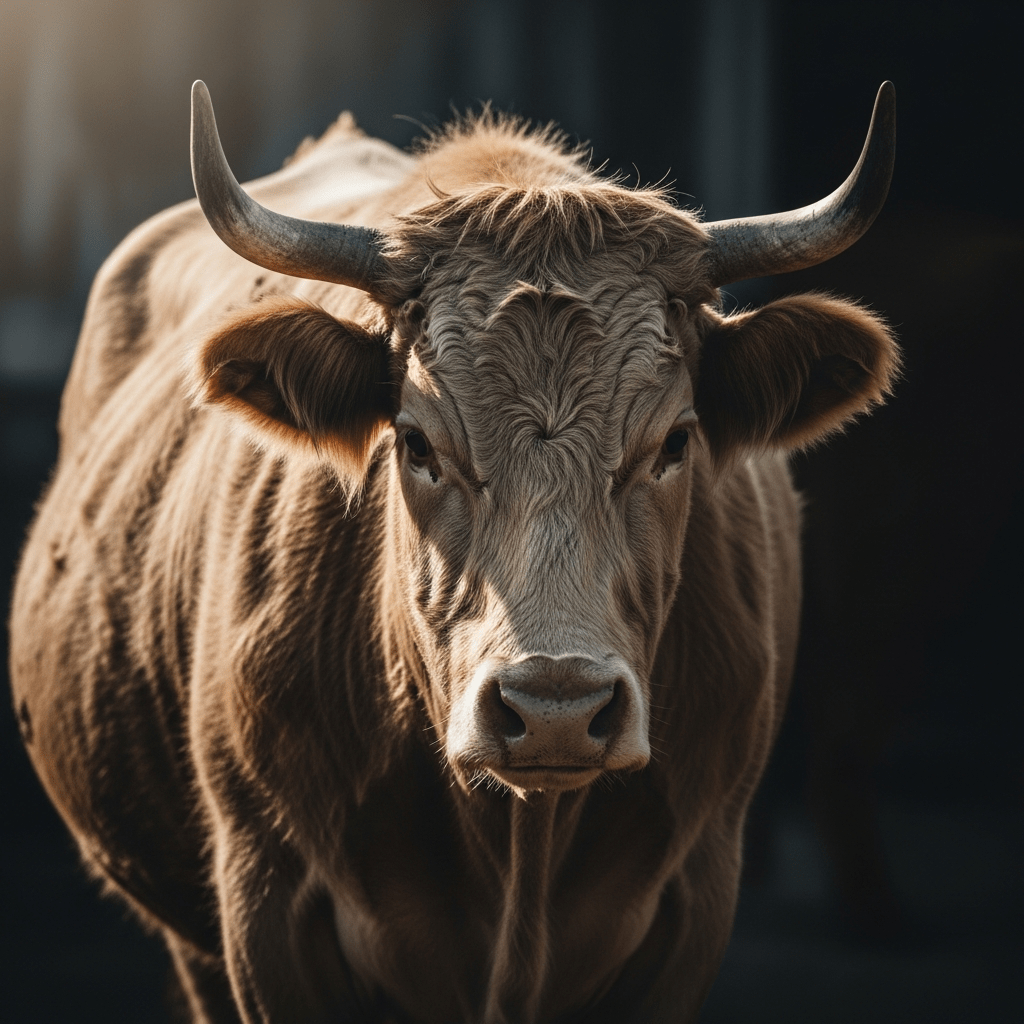
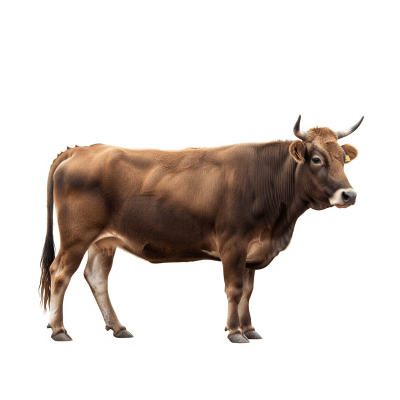
These cattle are typically small to medium-sized, weighing between 250 and 500 kilograms. Their coat colors vary widely, including brown, red, black, and pied patterns, often changing in thickness and length with the seasons to withstand Mongolia's severe temperature swings. Physically, they have strong legs and robust frames, well-suited to the demands of the steppe environment.
Mongolian cattle serve multiple roles in local livelihoods: they provide beef and milk, contribute as draft animals, and hold cultural significance. Their hardy nature allows them to thrive on sparse forage and endure extreme cold and drought. While their growth rates and milk yields are modest compared to commercial breeds, their resilience and disease tolerance make them invaluable to nomadic herders.
Bring this kind into your world illustrated posters, mugs, and shirts.

Archival print, museum-grade paper
Buy Poster
Stoneware mug, dishwasher safe
Buy Mug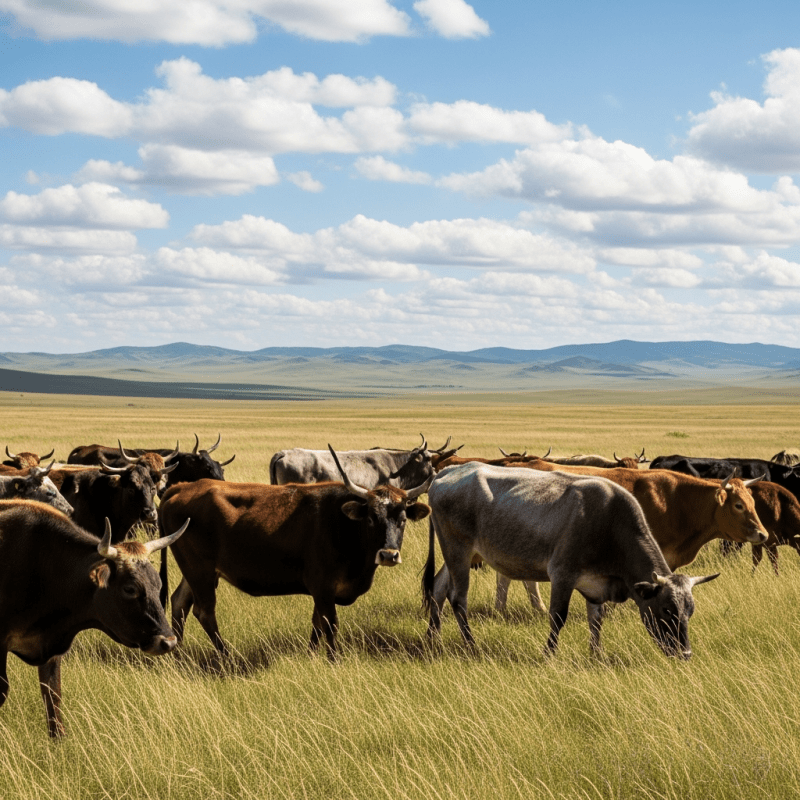
Soft cotton tee, unisex sizes
Buy ShirtBeyond their economic uses, Mongolian cattle are deeply woven into the cultural fabric of Mongolian society. They feature prominently in festivals, rituals, and traditional products such as borts (air-dried meat) and suutei tsai (milk tea). Their hides are also used for leather goods, underscoring their multifaceted importance.
Mongolian cattle comprise various regional ecotypes such as Khalkha, Darkhad, and Selenge cattle. These local strains differ subtly in traits and adaptation but are generally grouped under the broader Mongolian cattle category without formal breed distinctions or registries.

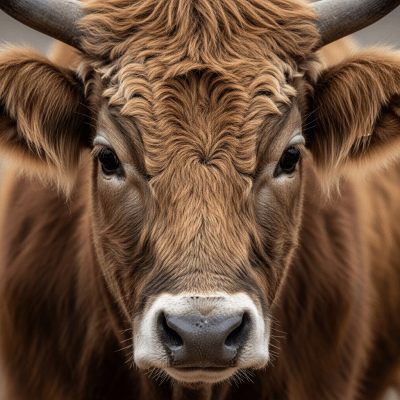
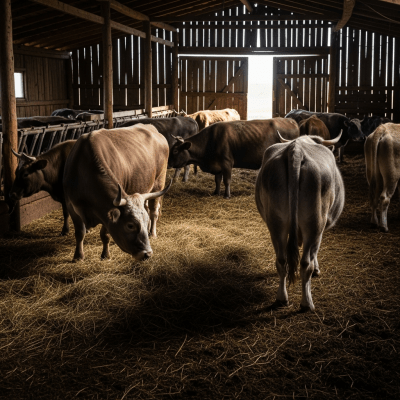
The milk of Mongolian cattle is produced in modest quantities, typically between 500 and 800 liters per year, with relatively low fat content. Their beef is lean and favored locally, often consumed fresh, dried as borts, or processed into traditional products. Milk is also used to make butter, cheese (aaruul), and fermented dairy items, reflecting local culinary traditions.
Adapted to the fragile Mongolian steppe ecosystem, Mongolian cattle graze efficiently on sparse vegetation and withstand harsh climatic extremes. Their hardiness reduces the need for intensive inputs, but their grazing must be managed carefully to prevent overuse of delicate pasturelands, ensuring sustainable coexistence with the environment.
Raising Mongolian cattle involves extensive pastoralist practices adapted to nomadic lifestyles. Herds are managed to optimize grazing across vast steppe areas, relying on the cattle's natural resilience to cold, drought, and low-quality forage. Due to the lack of formal breeding programs, management focuses on traditional knowledge and local adaptation rather than intensive genetic improvement.