Bali Cattle
Bali cattle are a distinctive breed of domestic cattle indigenous to Indonesia, known for their tropical adaptation and direct descent from the wild banteng (Bos javanicus).
Bali cattle are a distinctive breed of domestic cattle indigenous to Indonesia, known for their tropical adaptation and direct descent from the wild banteng (Bos javanicus).
Originating in Indonesia, Bali cattle were domesticated on the islands of Bali, Java, and nearby regions. Unlike most domestic cattle breeds, they descend directly from the wild banteng, making their lineage unique. Local farmers have bred and managed them for centuries, with formal recognition established through Indonesian breed registries.
Bali cattle belong to the genus Bos but stand apart from the common domestic species Bos taurus and Bos indicus. They are considered a domestic breed derived from the wild banteng (Bos javanicus), positioning them as a rare example of a non-taurine, non-indicine cattle lineage within the broader cattle taxonomy.
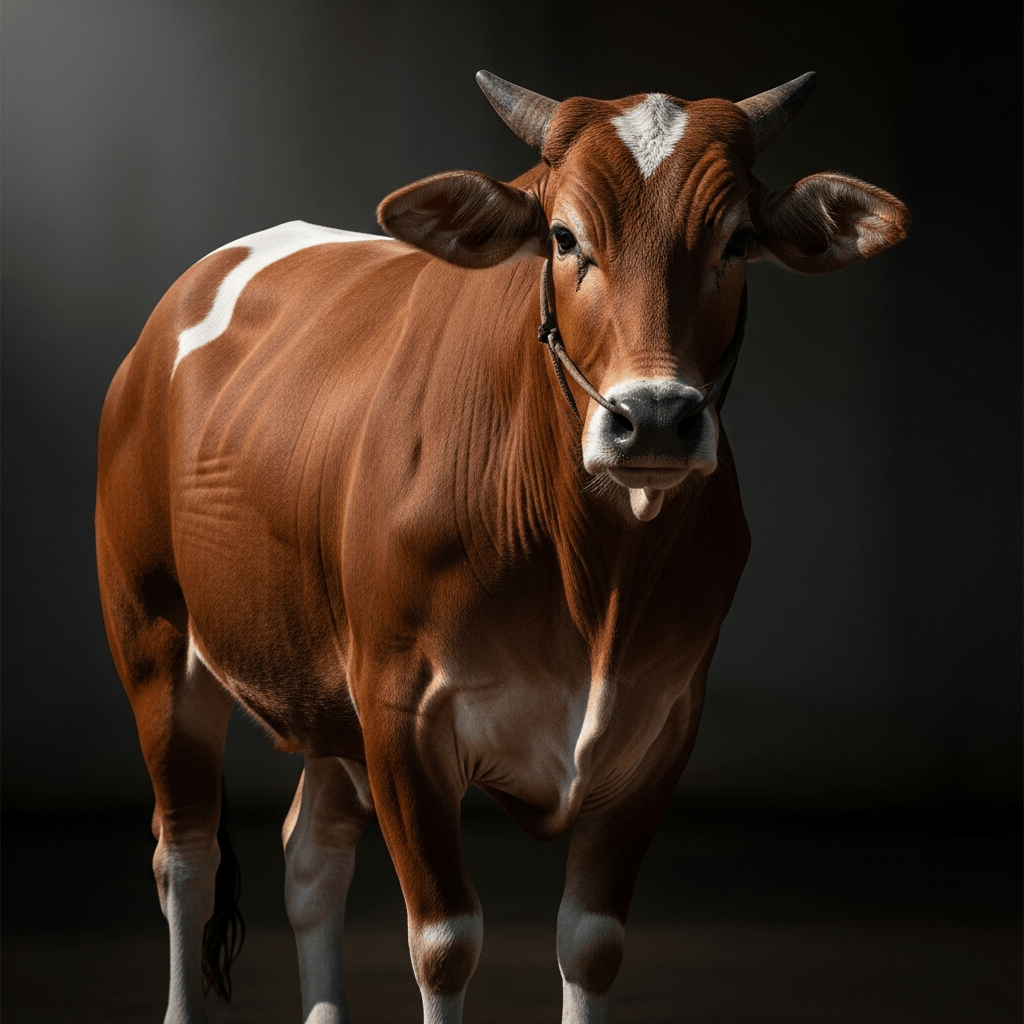
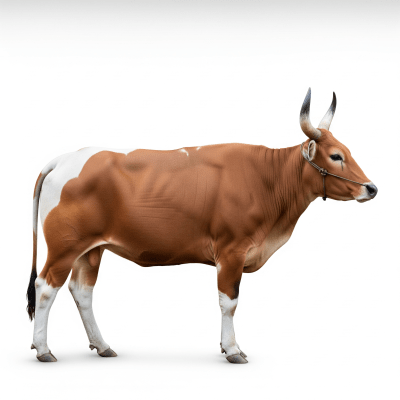
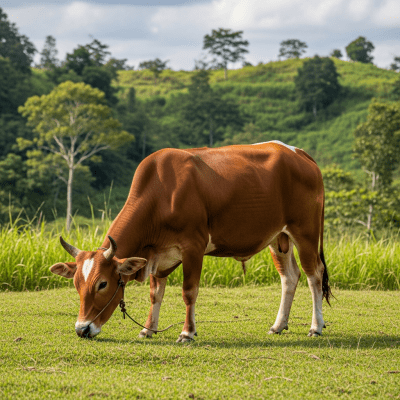
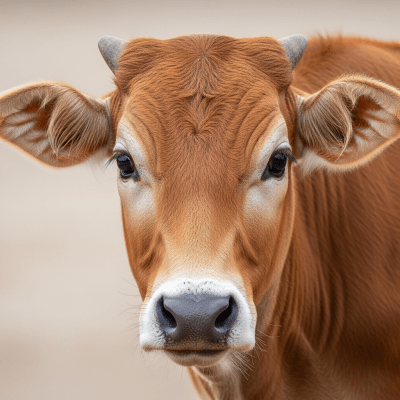
Bali cattle are medium-sized with a compact body, slender legs, and a humpless back. Their coat is a striking reddish-brown, accented by distinctive white markings on the rump, legs, and face, along with black tips on the lower legs. This combination of colors and their sturdy build reflects their banteng ancestry and tropical adaptation.
Primarily raised for beef, Bali cattle are valued for their efficient conversion of feed into lean meat. They also serve as draught animals, particularly in rice paddies and other agricultural tasks. Their hardiness and ability to thrive on poor-quality forage make them well-suited for low-input farming systems in tropical environments.
Bring this kind into your world illustrated posters, mugs, and shirts.
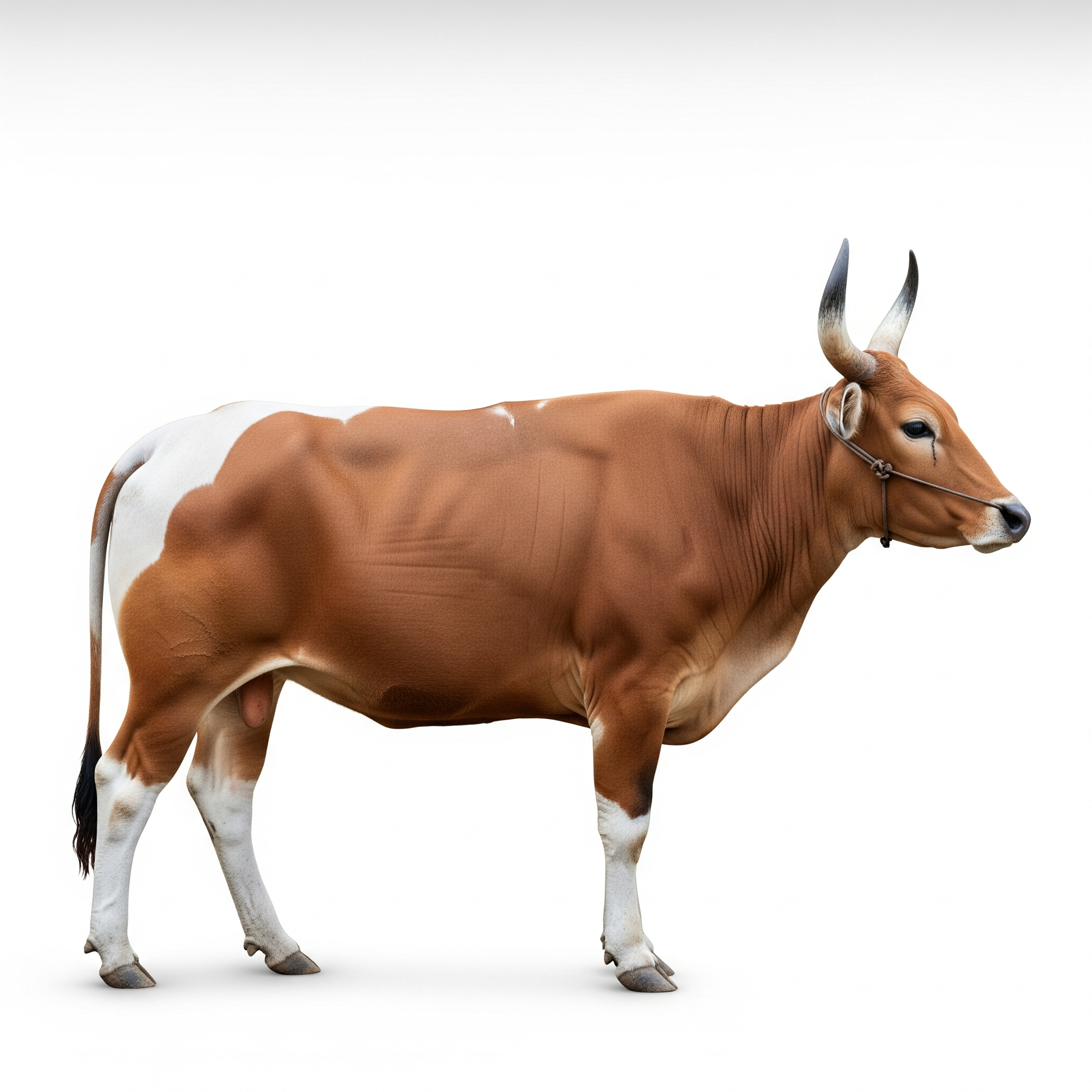
Archival print, museum-grade paper
Buy Poster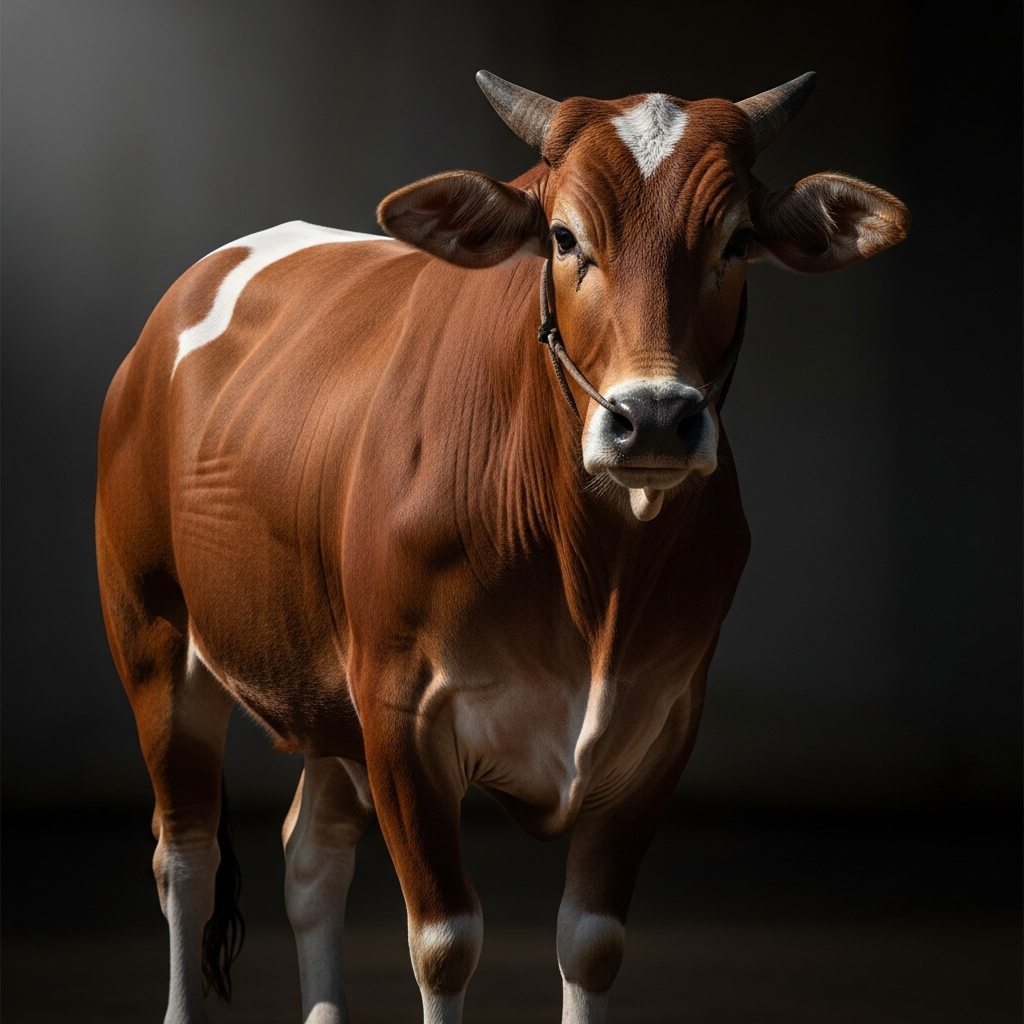
Stoneware mug, dishwasher safe
Buy Mug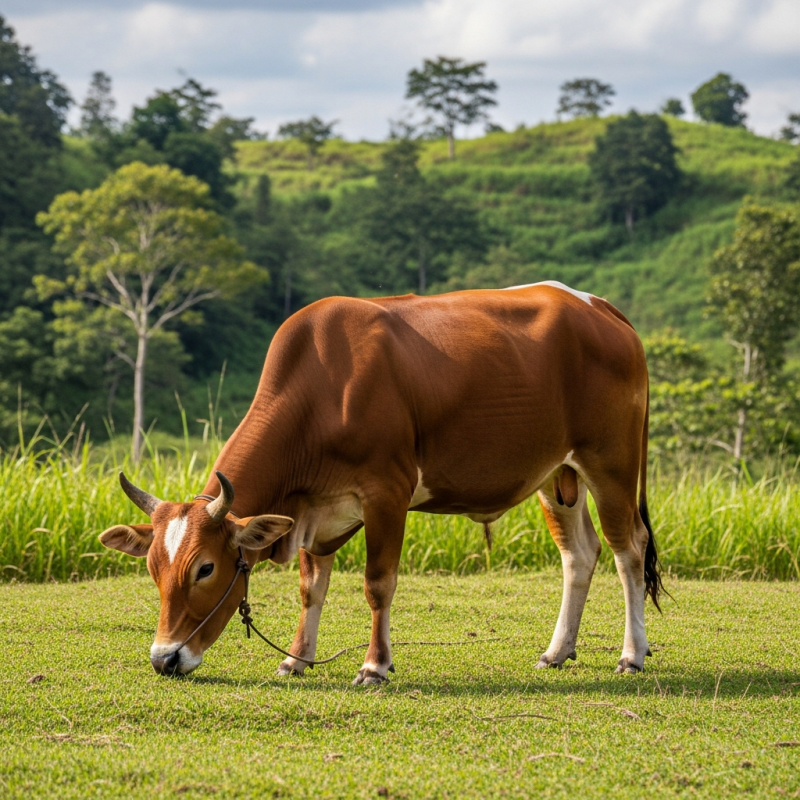
Soft cotton tee, unisex sizes
Buy ShirtIn Indonesia, Bali cattle hold cultural importance beyond their agricultural roles. They are intertwined with local farming traditions and rural livelihoods, symbolizing resilience and sustainable animal husbandry. Their presence is recognized in national breed registries, reflecting their valued status within Indonesian agriculture and heritage.
Bali cattle are recognized as a distinct breed within Indonesian breed registries and do not have widely documented sub-breeds or strains. Their genetic identity is closely tied to their banteng ancestry, making them a unique breed without extensive regional variants.
Bali cattle produce beef that is highly valued locally for its leanness and rich flavor, serving as an important protein source in rural Indonesian communities. While their milk yield is low and not a primary focus, their meat quality supports domestic consumption and some regional trade within Southeast Asia.
Adapted to tropical environments, Bali cattle contribute to sustainable farming by efficiently converting low-quality forage into protein and supporting smallholder agricultural systems. Their hardiness reduces the need for intensive inputs, though their environmental footprint is typical of medium-sized beef cattle within tropical ecosystems.
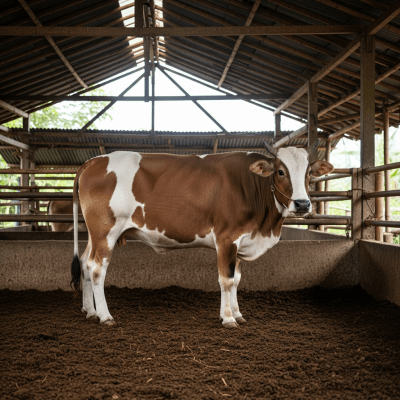
Effective management of Bali cattle involves leveraging their adaptability to tropical climates and low-quality forage. They thrive under low-input conditions common in Indonesian smallholder farms. Care practices focus on maintaining herd health, managing grazing to prevent overuse, and utilizing them for both beef production and draught work in agricultural fields.