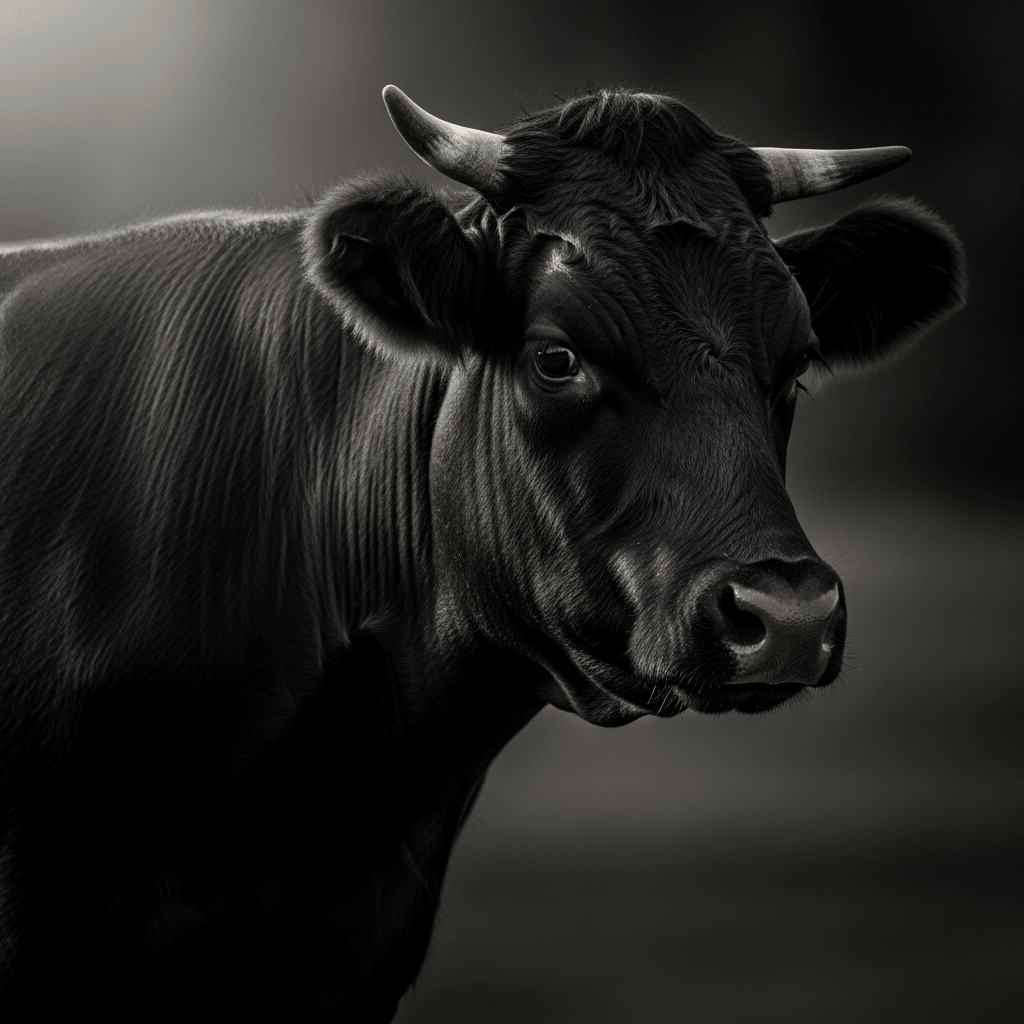
Dexter
The Dexter is a small, hardy breed of domestic cattle from Ireland, prized for its versatility in both dairy and beef production.
The Dexter is a small, hardy breed of domestic cattle from Ireland, prized for its versatility in both dairy and beef production.
Originating in southwestern Ireland, particularly County Kerry, the Dexter breed emerged in the early 19th century through selective breeding of native Kerry cattle. Local farmers favored smaller stature and dual-purpose utility, leading to the breed's development. The Dexter Cattle Society was established in 1892 in the United Kingdom, formalizing its recognition.
Dexter cattle belong to the species Bos taurus and are classified as a domestic breed within the broader family of cattle. They are recognized as a distinct breed noted for their compact size and dual-purpose use, fitting within the taurine lineage of European-origin cattle.
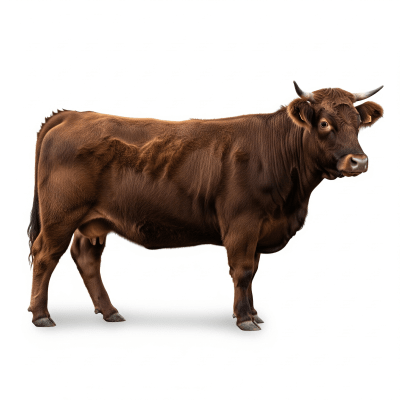
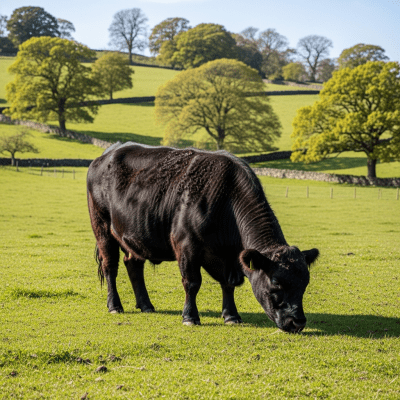
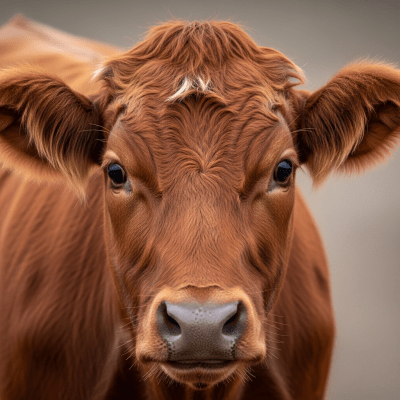
Dexters are among the smallest cattle breeds, with mature cows weighing between 300 and 350 kg and bulls ranging from 400 to 500 kg. Their height at the withers typically spans 92 to 107 cm. They have a compact, sturdy build and predominantly black coats, though red and dun color variants are also accepted. Naturally horned, polled strains exist as well.
Known for their docile temperament and maternal instincts, Dexters are well-suited to low-input and small-scale farming. They serve as dual-purpose cattle, providing moderate milk yields and quality beef. Their adaptability allows them to thrive on marginal pastures, making them popular among smallholders and hobby farmers worldwide.
Bring this kind into your world illustrated posters, mugs, and shirts.

Archival print, museum-grade paper
Buy Poster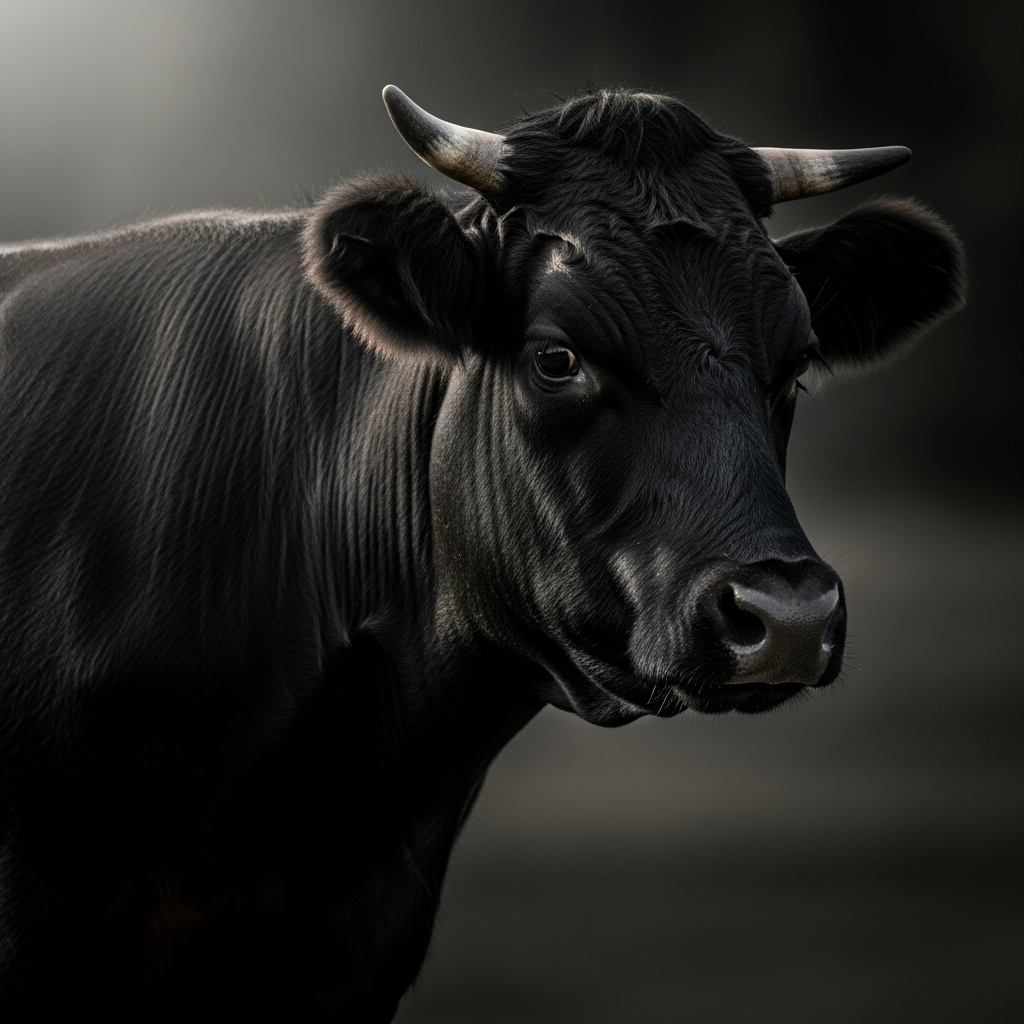
Stoneware mug, dishwasher safe
Buy Mug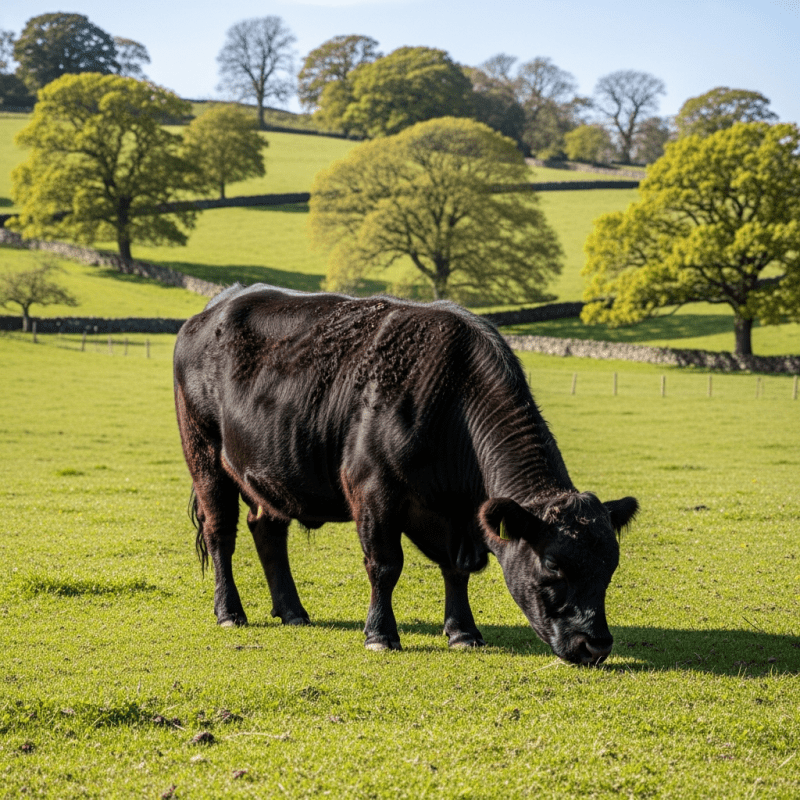
Soft cotton tee, unisex sizes
Buy ShirtDexter cattle hold a valued place in heritage livestock conservation and agrotourism, often featured in educational programs and conservation grazing projects. Their Irish origins and enduring presence reflect regional farming traditions and contribute to cultural identity in rural communities.
The Dexter breed includes naturally horned and polled strains, with coat colors primarily black but also red and dun variants recognized by breed registries. While sometimes marketed as "miniature cattle," this term is not an official breed variant but reflects their small stature. The breed is registered and promoted by organizations such as the Dexter Cattle Society in the UK and the American Dexter Cattle Association in the US.

Dexter milk is notable for its high butterfat content, ranging from 4.0 to 4.5%, making it excellent for cheese and cream production. Their beef is valued for its fine grain, tenderness, and rich flavor, often marketed as a premium product in niche and local markets. The breed's smaller carcass size suits direct-to-consumer sales and small-scale processing.
Thanks to their compact size and efficient adaptability, Dexters thrive on marginal pastures and require fewer resources than larger breeds. Their robust health and longevity reduce the need for intensive interventions, supporting sustainable small-scale farming. As conservation grazers, they contribute positively to habitat management and biodiversity.
Dexter cattle are well-suited to low-input management systems. They require pasture-based feeding and benefit from minimal supplemental nutrition. Their calm temperament and maternal qualities facilitate easy handling and calving. Regular health monitoring is advisable, though the breed shows above-average disease resistance. Suitable for smallholder environments, they thrive with attentive but straightforward care.