Bison Bison
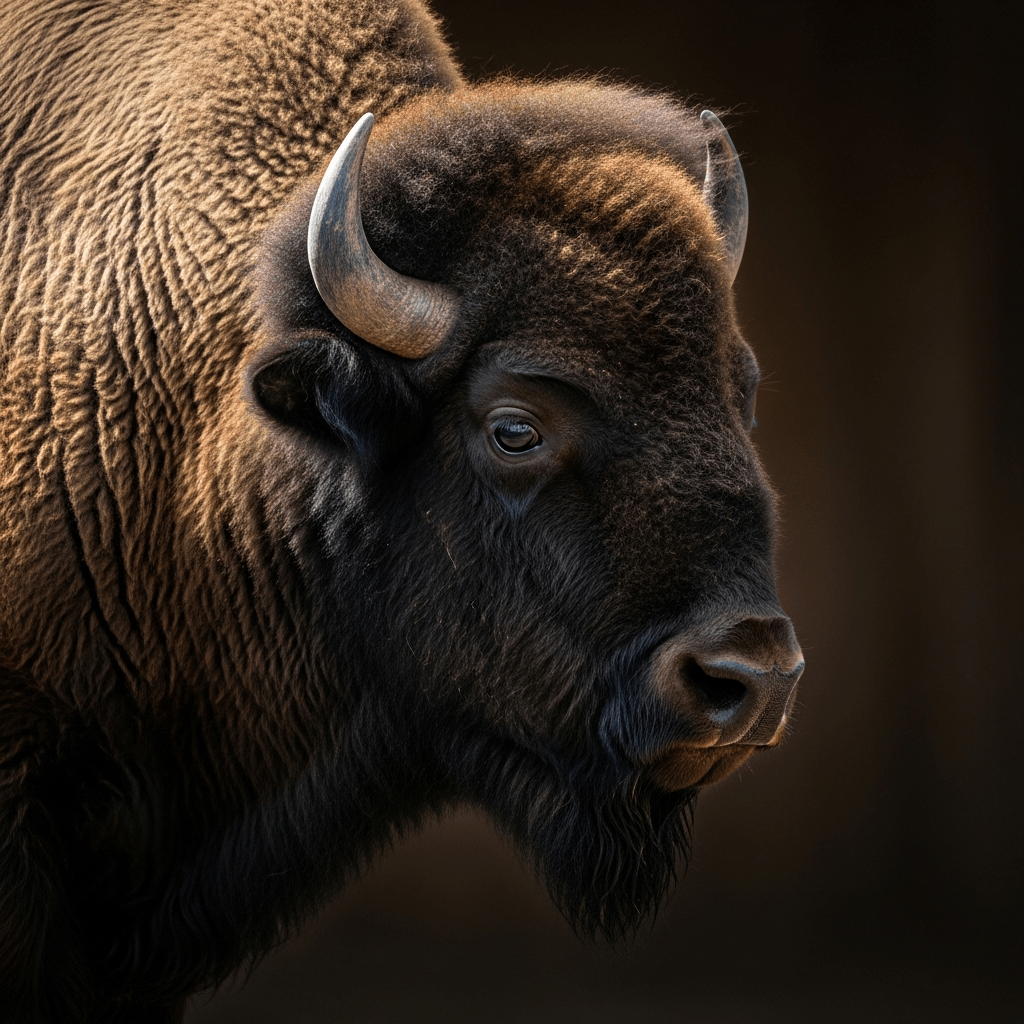
The American bison (Bison bison) is a large, wild bovid native to North America, recognized for its impressive size, distinctive hump, and cultural importance, often managed similarly to domestic cattle despite its wild origins.
The American bison (Bison bison) is a large, wild bovid native to North America, recognized for its impressive size, distinctive hump, and cultural importance, often managed similarly to domestic cattle despite its wild origins.
First described by Linnaeus in 1758, Bison bison is indigenous to the grasslands and woodlands of North America. It comprises two subspecies: the Plains bison and the Wood bison. Conservation and reintroduction efforts by agencies like the U.S. National Park Service have helped maintain managed populations across its native range.
The American bison belongs to the family Bovidae and subfamily Bovinae, distinct from domestic cattle (Bos taurus). Though not a true cow taxonomically, it is often grouped with cattle in ranching and cultural contexts and is part of the broader bovine lineage.
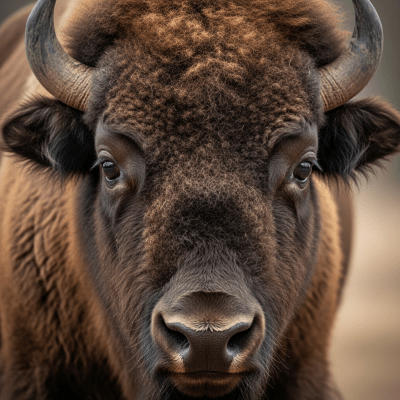
American bison are massive mammals characterized by a prominent shoulder hump, a large head, and a thick dark brown coat that grows especially shaggy during winter. Adult males weigh between 700 and 1,000 kilograms, while females range from 400 to 600 kilograms, reflecting their robust and powerful build.
Bison are primarily grazers adapted to native prairie grasses, exhibiting strong herd behavior and seasonal migrations. They are managed mainly for their meat and hides rather than milk. Their resilience to harsh climates and some cattle diseases makes them valuable for both conservation grazing and sustainable meat production.
Bring this kind into your world illustrated posters, mugs, and shirts.

Archival print, museum-grade paper
Buy Poster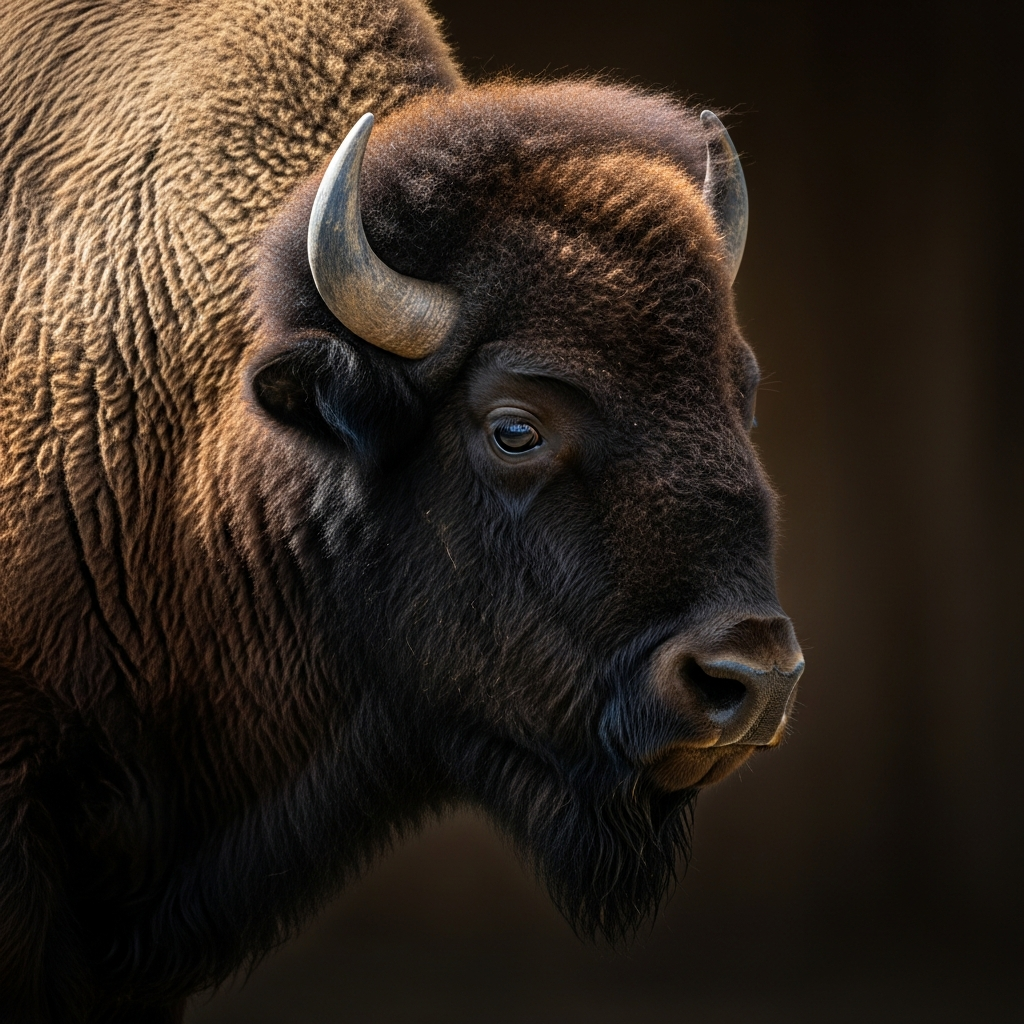
Stoneware mug, dishwasher safe
Buy Mug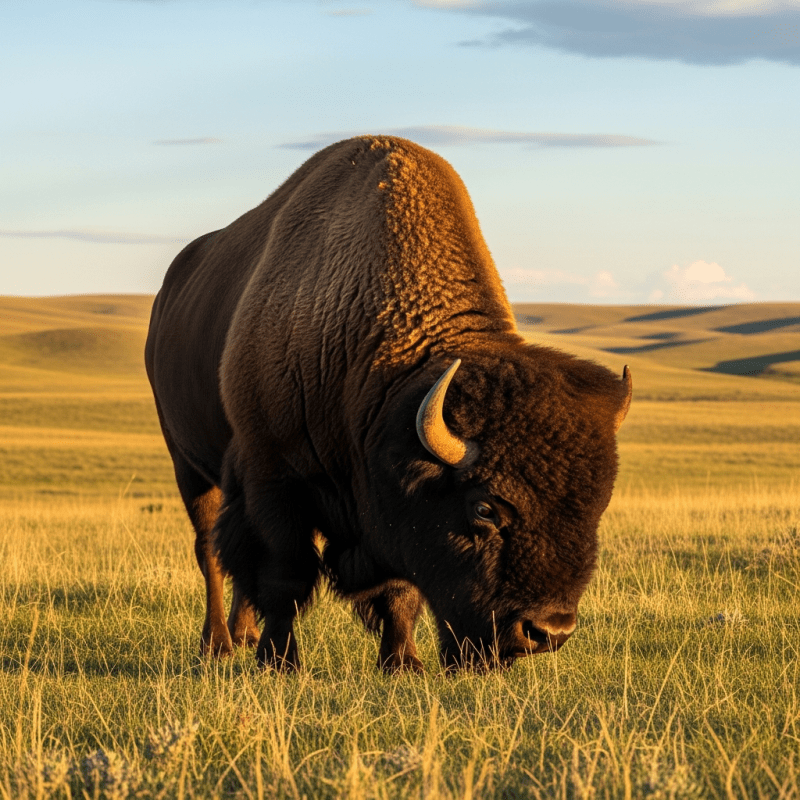
Soft cotton tee, unisex sizes
Buy ShirtThe American bison holds profound cultural and spiritual significance for many Indigenous peoples of North America, featuring prominently in ceremonies and traditional economies. Beyond cultural roles, bison are a major attraction for ecotourism and wildlife viewing, symbolizing the heritage and wilderness of the continent.
The species Bison bison includes two main subspecies: the Plains bison (Bison bison bison) and the Wood bison (Bison bison athabascae). These subspecies differ slightly in size, habitat preference, and coat characteristics but are both integral to conservation and managed herds.
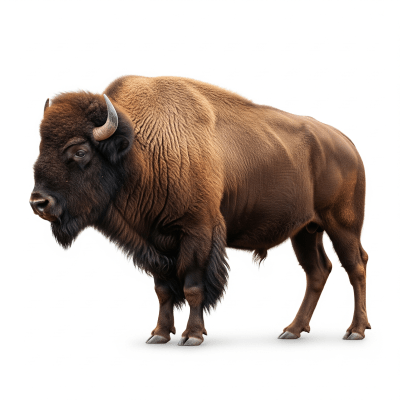


Bison meat is renowned for its leanness, rich protein content, and distinctive flavor, making it a sought-after alternative to traditional beef. Unlike domestic cattle, bison are not milked commercially, so milk quality data is not applicable. Their meat is often marketed as a premium product in North America.
American bison play a vital ecological role in maintaining prairie ecosystems through grazing patterns that promote biodiversity. Their adaptability to extreme climates and native forage supports sustainable land management. Conservation herds help restore grassland health, though disease susceptibility and habitat loss remain challenges.
Managing bison requires understanding their wild origins and herd dynamics. They thrive on native grasses and withstand harsh weather but need space for natural behaviors like migration. Disease monitoring, especially for brucellosis, is essential. Conservation programs balance protection with sustainable meat production and cultural respect.