Holstein
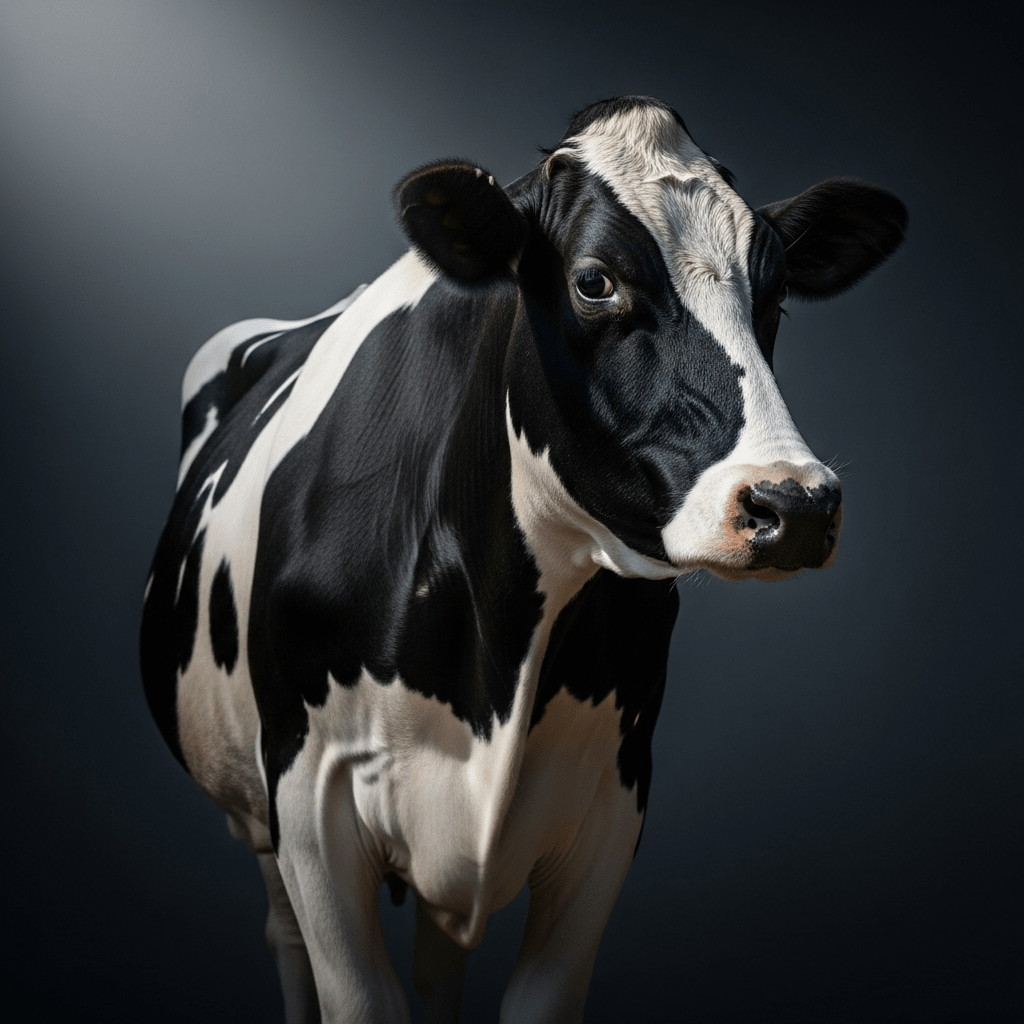
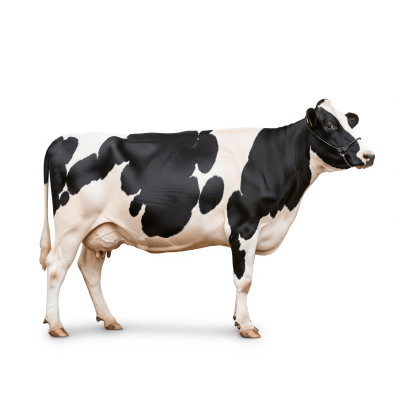
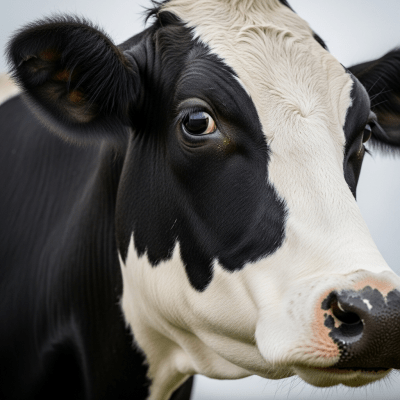
The Holstein is the world’s most widely recognized dairy cattle breed, famed for its distinctive black-and-white or red-and-white coat and exceptional milk production.
The Holstein is the world’s most widely recognized dairy cattle breed, famed for its distinctive black-and-white or red-and-white coat and exceptional milk production.
Originating in the northern provinces of the Netherlands, especially Friesland and North Holland, the Holstein breed traces its lineage back over 2,000 years. It was standardized in the 19th century through Dutch and German breeders, with formal breed registration beginning in 1885 via the Holstein Association USA.
The Holstein belongs to the taurine lineage of domestic cattle (Bos taurus) and is classified as a pure dairy breed within the broader family Bovidae. It is not a hybrid but a well-established breed with a dedicated registry and breed standards.
Holsteins are large-framed cattle typically weighing between 580 and 680 kilograms and standing 145 to 155 centimeters tall at the withers. Their striking coat features sharply contrasting black-and-white or red-and-white patches. They have long legs and a wedge-shaped body designed to optimize dairy production efficiency.
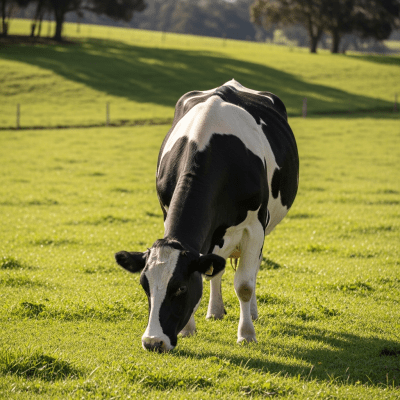
Primarily raised for commercial dairy production, Holsteins excel in high milk yield and adaptability to both intensive and pasture-based farming systems. While mainly dairy-focused, cull cows and male calves are also used for beef, though their meat quality is generally lower than specialized beef breeds.
Bring this kind into your world illustrated posters, mugs, and shirts.
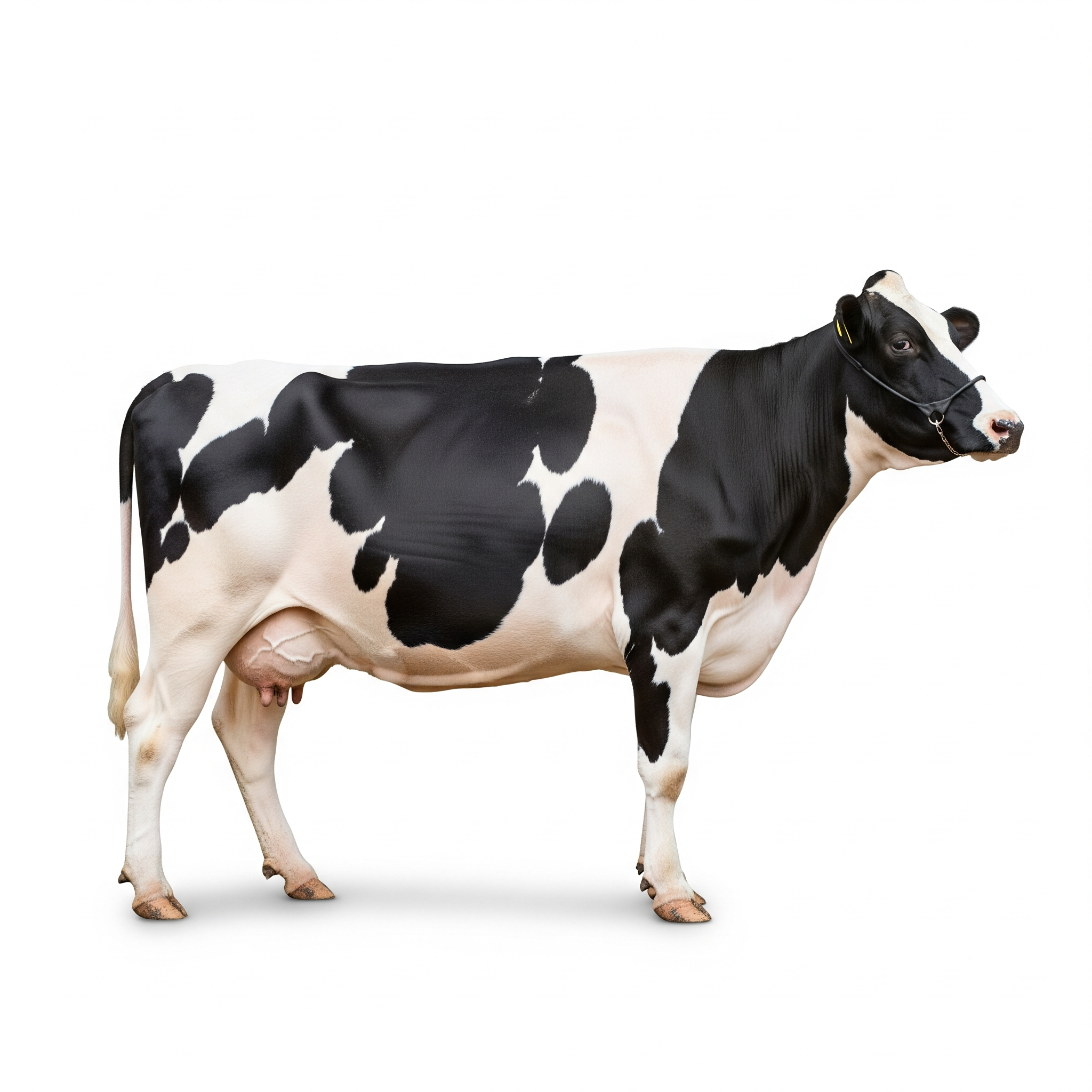
Archival print, museum-grade paper
Buy Poster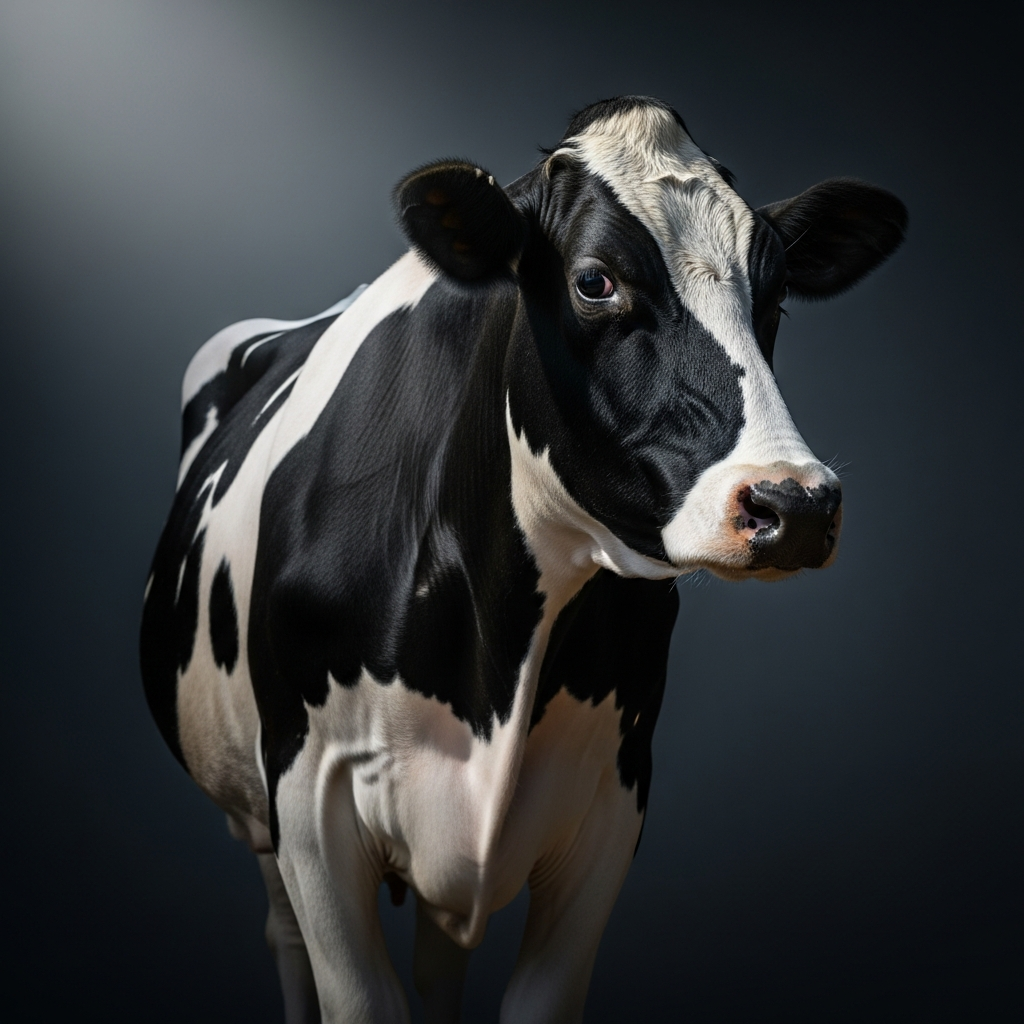
Stoneware mug, dishwasher safe
Buy Mug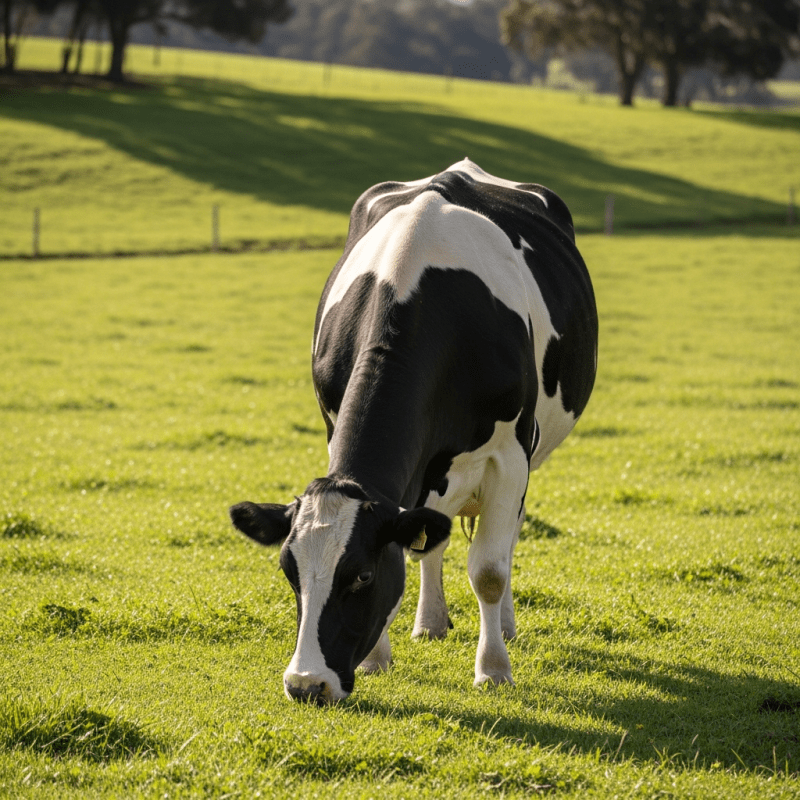
Soft cotton tee, unisex sizes
Buy ShirtHolsteins have become iconic symbols of modern dairy farming worldwide, often depicted in agricultural art and media as the quintessential dairy cow. Their black-and-white pattern is instantly recognizable and has influenced dairy branding and cultural perceptions of milk production.
The Holstein breed includes recognized color variants such as the classic black-and-white Holstein and the red-and-white Holstein-Rotbunt. Regional terms like "Friesian" sometimes refer to local dairy cattle with partial Holstein ancestry, but the pure Holstein lineage remains distinct and registry-controlled.
Holstein milk is prized for its high volume and balanced composition, featuring 3.7 to 3.9% butterfat and 3.2 to 3.3% protein, making it ideal for fluid milk and processed dairy products like cheese and yogurt. While Holstein beef is produced from cull cows and male calves, it generally lacks the marbling and tenderness of specialized beef breeds.
Holsteins’ high milk production efficiency helps reduce the environmental footprint per liter of milk compared to lower-yield breeds. However, their intensive management and susceptibility to health issues can increase resource use and emissions if not carefully managed, highlighting the need for sustainable farming practices.
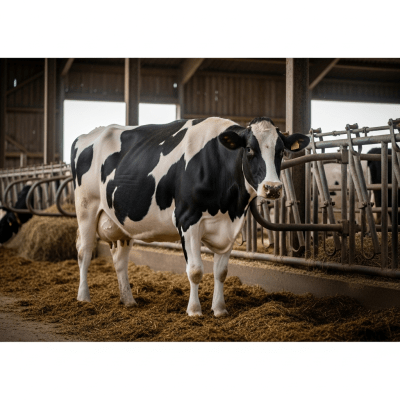
Effective Holstein management balances high production demands with health care to prevent mastitis and lameness. They thrive under both intensive and pasture-based systems but require attentive nutrition, regular veterinary care, and comfortable housing to maintain productivity and welfare.