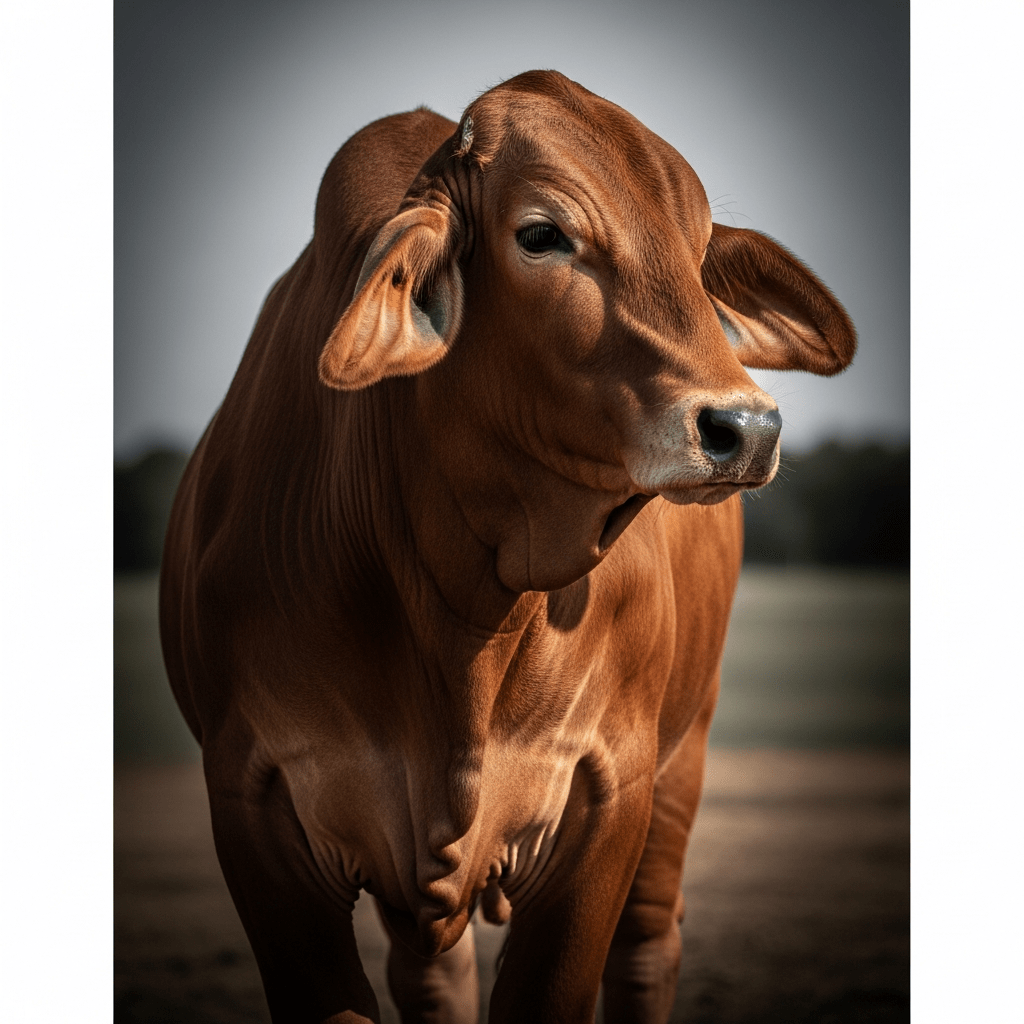
Santa Gertrudis
Santa Gertrudis is a pioneering American beef cattle breed known for its exceptional heat tolerance, adaptability to harsh climates, and high-quality beef production.
Santa Gertrudis is a pioneering American beef cattle breed known for its exceptional heat tolerance, adaptability to harsh climates, and high-quality beef production.
Developed in the early 20th century at Texas's King Ranch, Santa Gertrudis cattle emerged from a deliberate crossbreeding of Brahman bulls and Shorthorn cows. This blend, stabilized by 1940, combined the hardiness of Bos indicus with the beef qualities of Bos taurus, establishing the first beef breed developed in the United States.
Santa Gertrudis belongs to the domestic cattle group within the genus Bos, classified as a composite breed combining taurine (Shorthorn) and indicine (Brahman) lineages. It is officially registered and maintained by the International Santa Gertrudis Society.
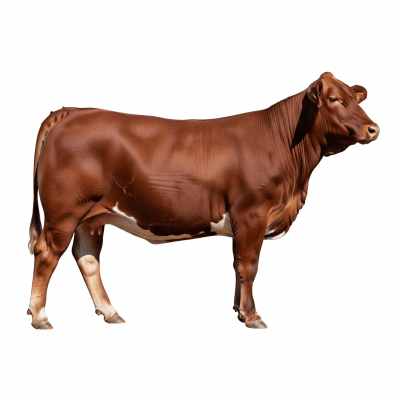
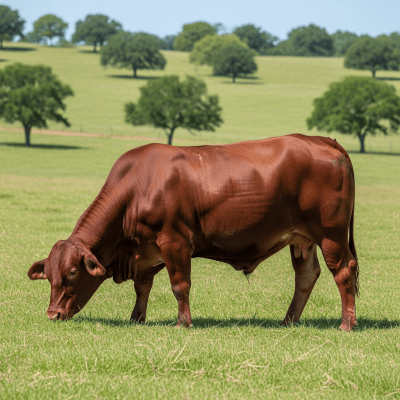
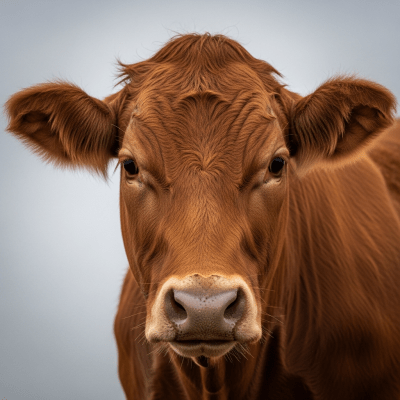
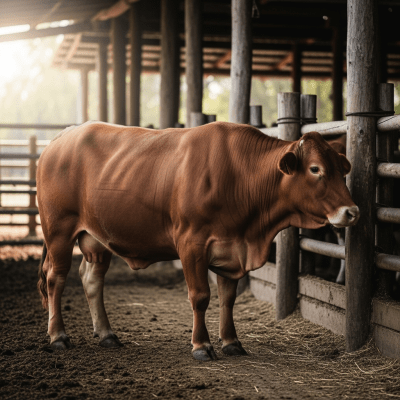
These cattle are medium to large in size, weighing between 700 and 1,100 kilograms. They display a solid deep cherry-red coat, loose skin, and a moderate hump inherited from their Brahman ancestry. Both polled and horned individuals are common, presenting a robust yet docile appearance.
Primarily raised for beef, Santa Gertrudis cattle thrive in subtropical and tropical environments thanks to their heat tolerance and resistance to ticks and parasites. They efficiently convert low-quality forage into high-quality beef and exhibit strong growth rates, making them valuable for commercial beef production and crossbreeding programs aimed at improving herd resilience.
Bring this kind into your world illustrated posters, mugs, and shirts.
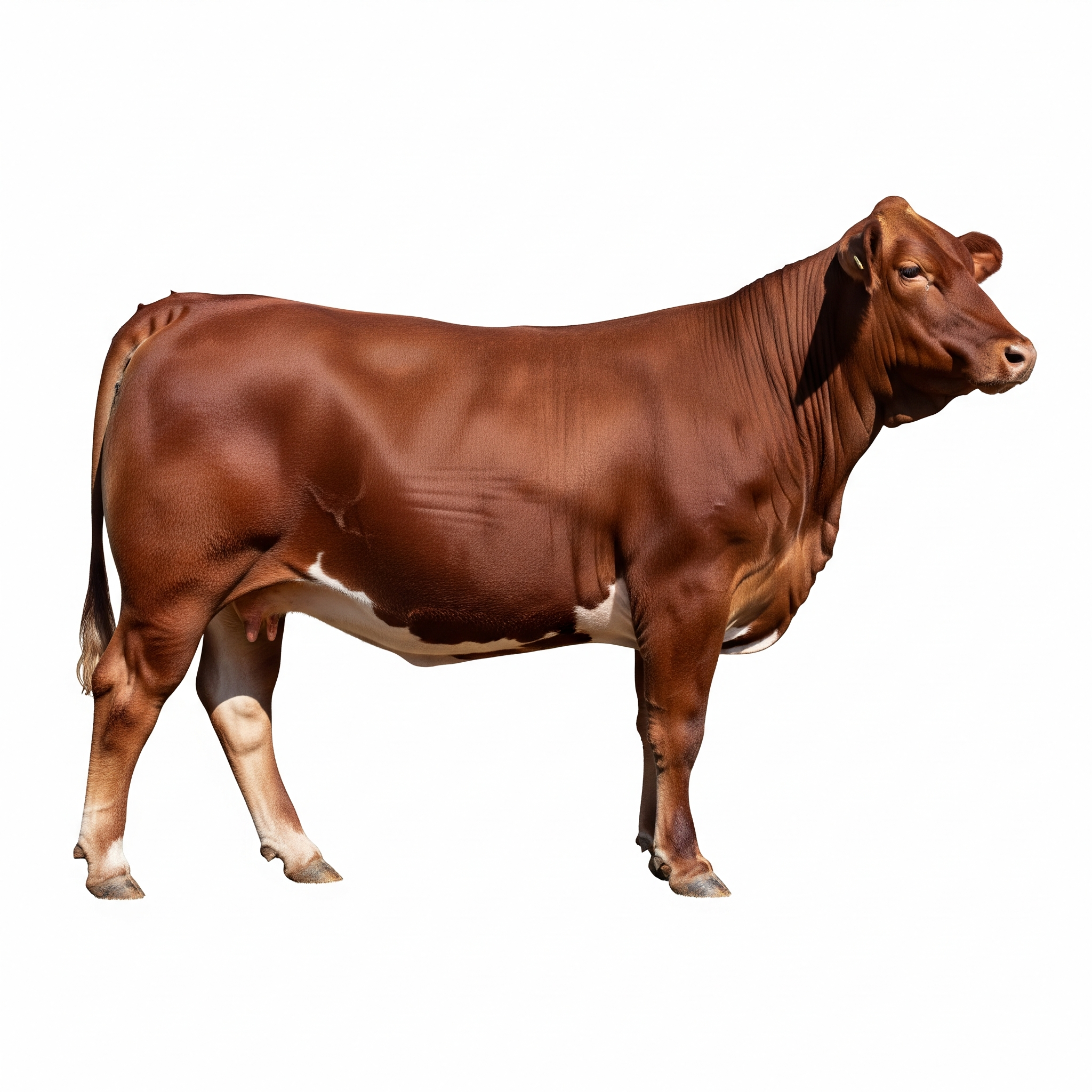
Archival print, museum-grade paper
Buy Poster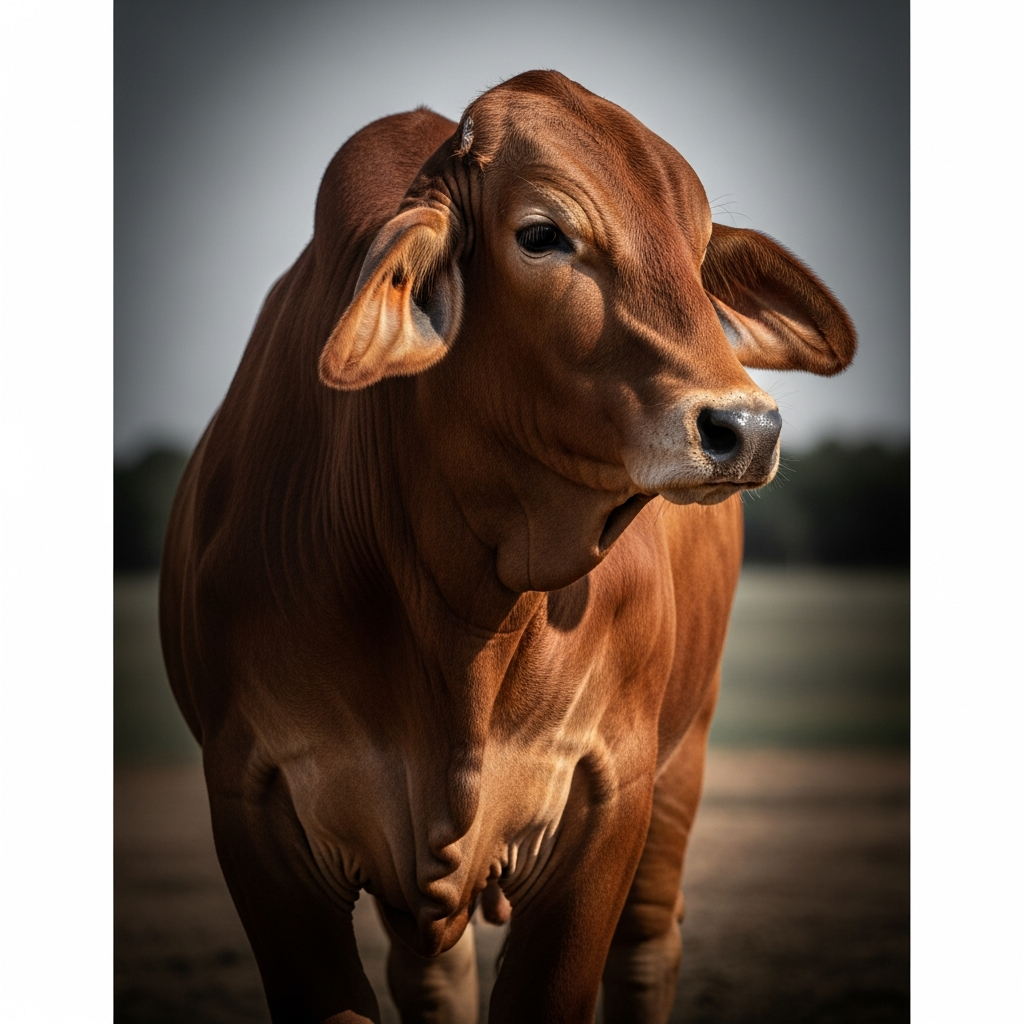
Stoneware mug, dishwasher safe
Buy Mug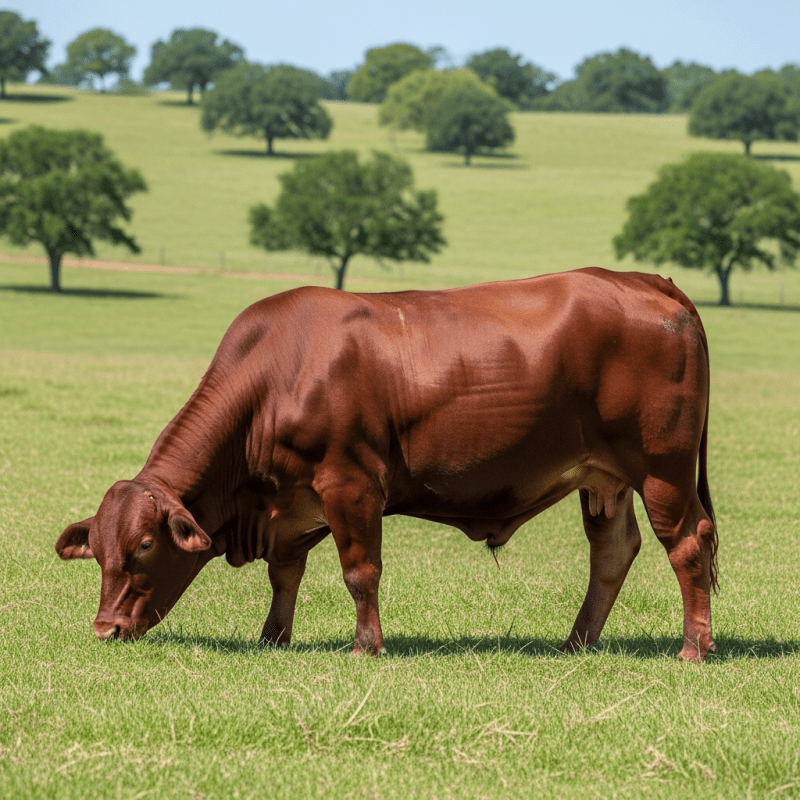
Soft cotton tee, unisex sizes
Buy ShirtAs the first beef breed developed in the United States, Santa Gertrudis holds a special place in American ranching history. Known also as "King Ranch cattle," they symbolize innovation in breed development and adaptation to challenging climates, reflecting the legacy of the King Ranch and its influence on modern beef cattle breeding.
Santa Gertrudis is a distinct composite breed without widely recognized sub-breeds or regional variants. However, it is often used in crossbreeding programs to enhance heat tolerance and beef quality in other cattle populations across the southern United States, Australia, and South America.
While Santa Gertrudis cattle are not used for dairy, their beef is highly regarded for tenderness and marbling. The breed delivers excellent carcass yields with dressing percentages ranging from 58 to 62%, making it a preferred choice for tropical beef production systems.
Santa Gertrudis cattle contribute positively to sustainable beef production in hot, harsh climates by efficiently utilizing poor-quality forage and demonstrating resistance to parasites. Their adaptability reduces the need for intensive inputs, supporting environmentally resilient livestock systems in subtropical and tropical regions.
Effective management of Santa Gertrudis cattle involves leveraging their natural heat tolerance and parasite resistance. They thrive on extensive grazing systems with low-quality forage, requiring minimal supplemental feeding. Both polled and horned animals are managed according to ranch preferences, and their generally docile temperament facilitates handling.