
Simmental
The Simmental is a large, dual-purpose cattle breed known for its exceptional milk production and high-quality beef, originating from the Simme Valley in Switzerland.
The Simmental is a large, dual-purpose cattle breed known for its exceptional milk production and high-quality beef, originating from the Simme Valley in Switzerland.
Originating in the Simme Valley of Switzerland, the Simmental breed traces its documented lineage back to the Middle Ages. Developed through selective breeding by regional Swiss farmers and breed societies, it was refined for both dairy and beef traits. The breed later spread beyond Switzerland, adapting to diverse climates worldwide, with the International Simmental Federation now overseeing its standards and registry.
Simmental cattle belong to the domestic cattle group Bos taurus and are classified as a dual-purpose breed, valued for both dairy and beef production. They are part of the broader taurine cattle lineage and are recognized globally, with regional strains such as Fleckvieh in German-speaking countries and several composite breeds derived from Simmental genetics.
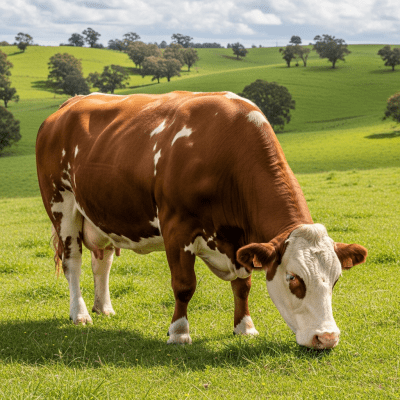
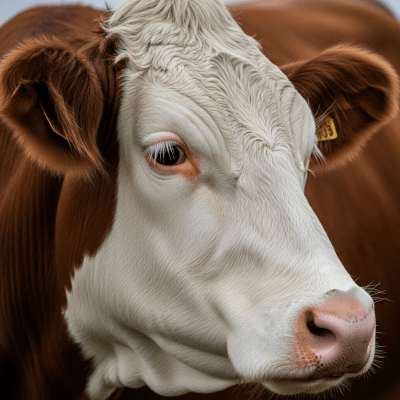
Simmental cattle are large-framed animals, with mature cows weighing between 700 and 900 kilograms and bulls reaching up to 1,300 kilograms. Their coat colors range from pale gold to deep red and white, often featuring distinctive white faces and lower legs. This striking coloration, combined with their robust build, makes them easily recognizable.
Primarily raised for both milk and beef, Simmental cattle exhibit rapid growth rates and strong fertility. They are adaptable to various climates and management systems, thriving in both intensive and extensive husbandry. While less common today, some strains are also used for draft work. Their genetics are frequently utilized in crossbreeding programs to enhance production traits in other cattle populations.
Bring this kind into your world illustrated posters, mugs, and shirts.
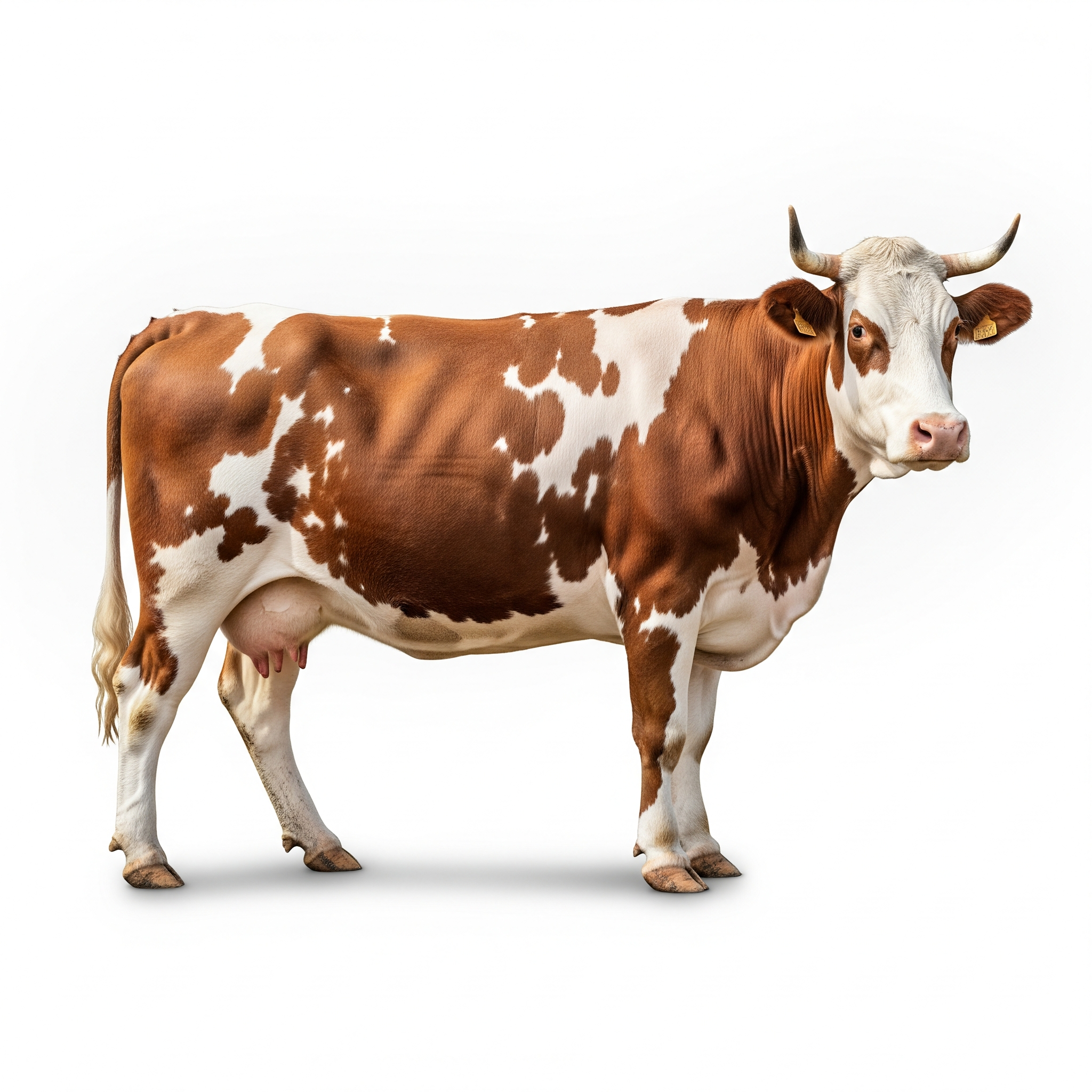
Archival print, museum-grade paper
Buy Poster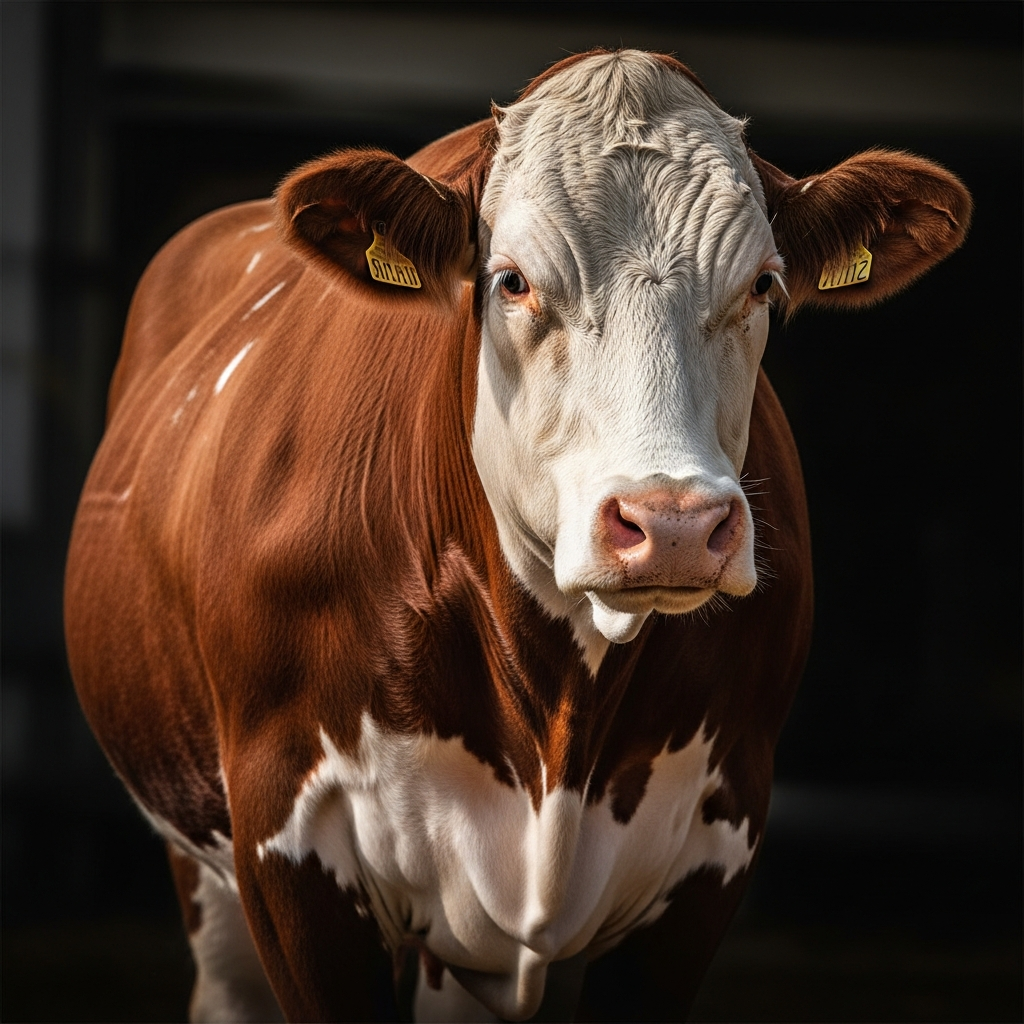
Stoneware mug, dishwasher safe
Buy Mug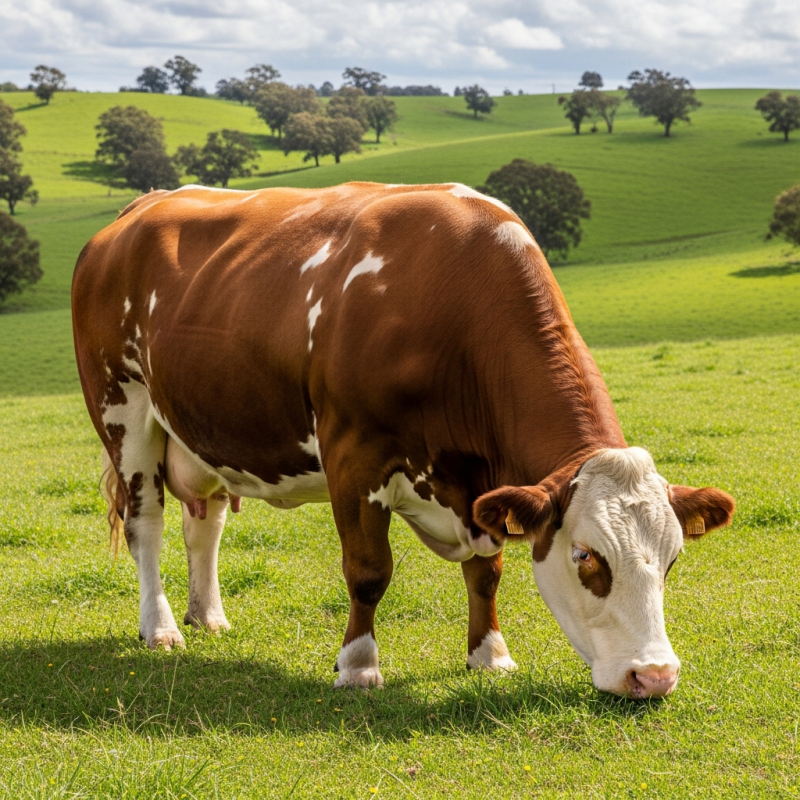
Soft cotton tee, unisex sizes
Buy ShirtSimmental cattle hold cultural importance in their native Swiss regions and across Europe, where they are celebrated for their contribution to traditional dairy and beef farming. The breed’s distinctive appearance and versatility have made it a symbol of agricultural heritage, often featured in regional fairs and livestock exhibitions.
Simmental cattle have several regional strains and variations. In German-speaking countries, the breed is commonly known as Fleckvieh, often bred for dual-purpose or beef-specific traits. Other notable variants include the American Simmental and South African Simmentaler, as well as composite crosses like Simmental-Hereford. These variations reflect adaptations to local environments and production goals.
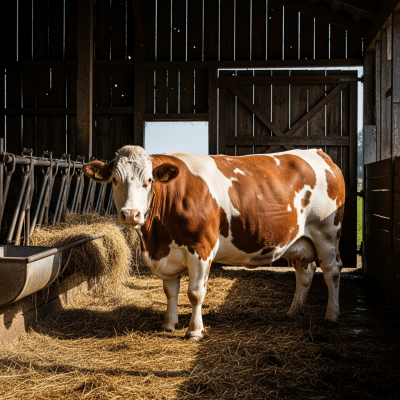
Simmental cattle produce between 5,000 and 8,000 liters of milk per lactation, with milk prized for fluid consumption and cheese-making, especially in Europe. Their beef is renowned for marbling, tenderness, and high carcass yields, making it a favored choice in both local and export markets. This combination of quality milk and meat underscores their dual-purpose status.
Simmental cattle’s adaptability allows them to thrive in diverse environments, supporting both intensive and extensive farming systems. Their robust health and fertility contribute to sustainable herd management. However, like all cattle, their environmental impact depends on management practices, including grazing intensity and feed sources, which influence greenhouse gas emissions and land use.
Effective care of Simmental cattle involves providing balanced nutrition to support their rapid growth and high milk production. They require management suited to their large size, with attention to health monitoring to maintain fertility and disease resistance. Their adaptability allows for flexible housing and grazing systems, making them suitable for various farming operations worldwide.