Bos Indicus
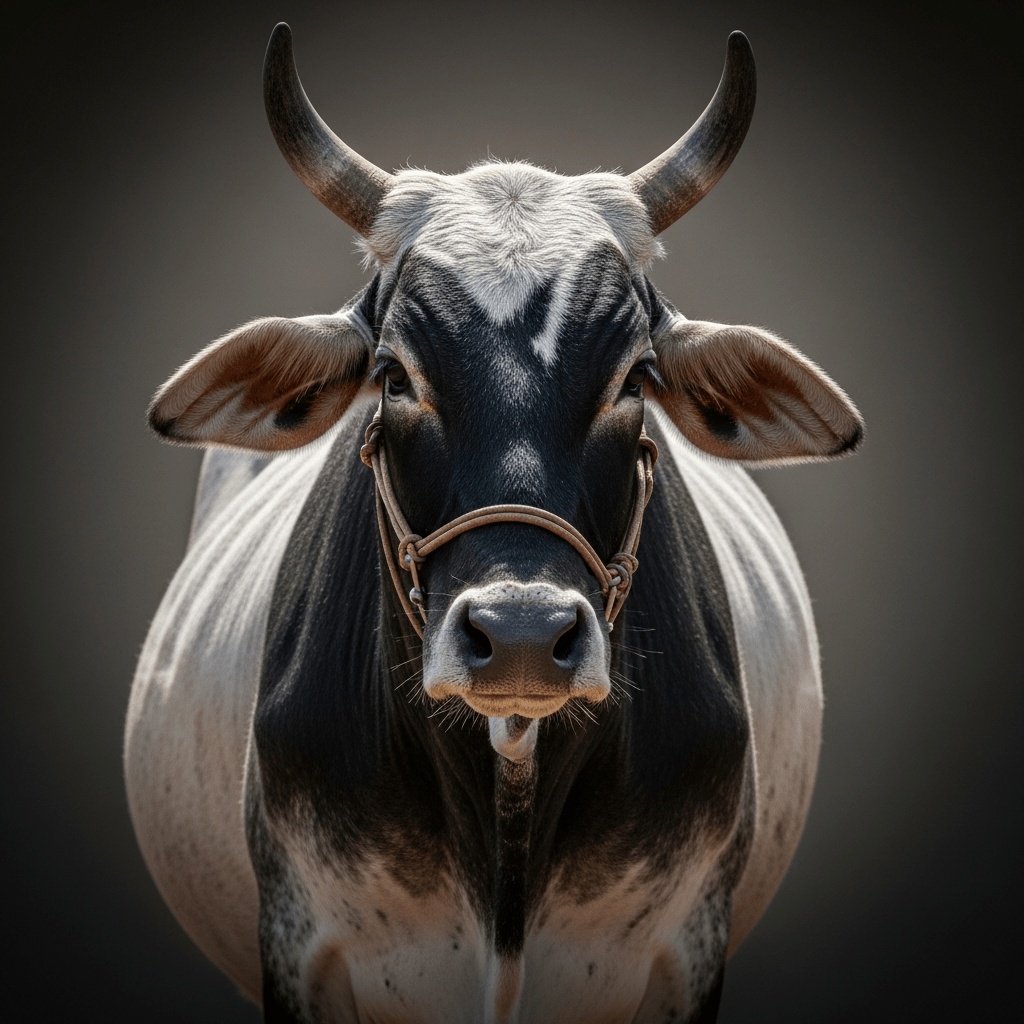
Bos indicus, commonly known as zebu or indicine cattle, is a distinctive lineage of domestic cattle recognized for its prominent shoulder hump, drooping ears, and remarkable adaptation to tropical climates.
Bos indicus, commonly known as zebu or indicine cattle, is a distinctive lineage of domestic cattle recognized for its prominent shoulder hump, drooping ears, and remarkable adaptation to tropical climates.
Bos indicus originated on the Indian subcontinent, with domestication dating back between 8,000 and 10,000 years. Descended from the wild Indian aurochs (Bos primigenius namadicus), these cattle developed through ancient, diffuse domestication events and centuries of selective breeding.
Bos indicus is classified within the genus Bos and is often treated either as a separate species or as a subspecies (Bos taurus indicus) of domestic cattle. It forms one of the two primary domestic cattle lineages alongside taurine cattle (Bos taurus), distinguished by unique genetic and morphological traits adapted to tropical environments.
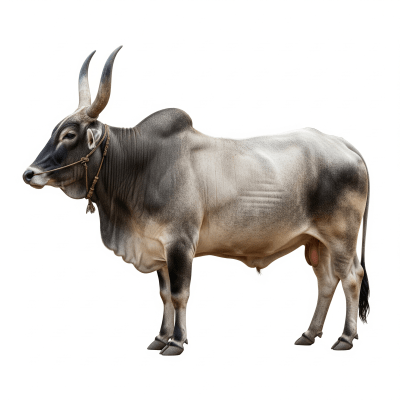
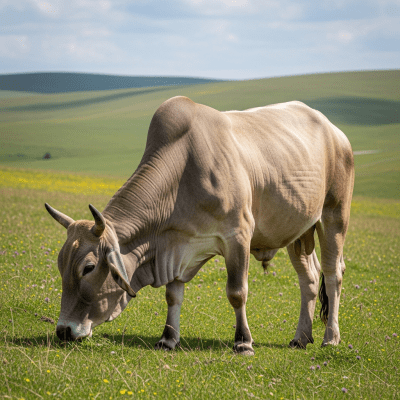
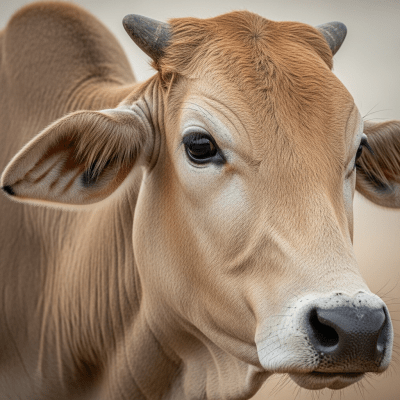
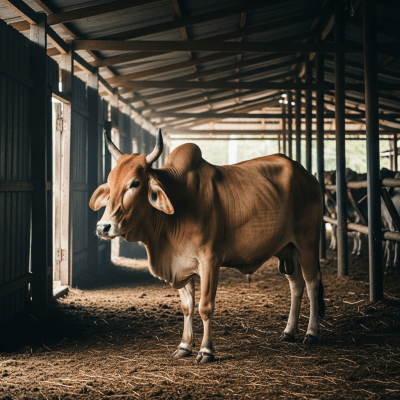
Zebu cattle are medium to large-sized animals, typically weighing between 300 and 800 kilograms. They feature a pronounced dorsal hump over the shoulders, a large pendulous dewlap, and long, drooping ears. Their short, sleek coats vary in color, commonly gray, white, or light brown, depending on the breed.
Bos indicus cattle are valued for their versatility and resilience. They serve multiple roles including dairy and beef production, as well as draught work. Their exceptional heat tolerance and resistance to ticks and tropical diseases make them indispensable in hot climates. Zebu oxen are commonly used for plowing and transport, prized for their endurance and generally docile temperament.
Bring this kind into your world illustrated posters, mugs, and shirts.
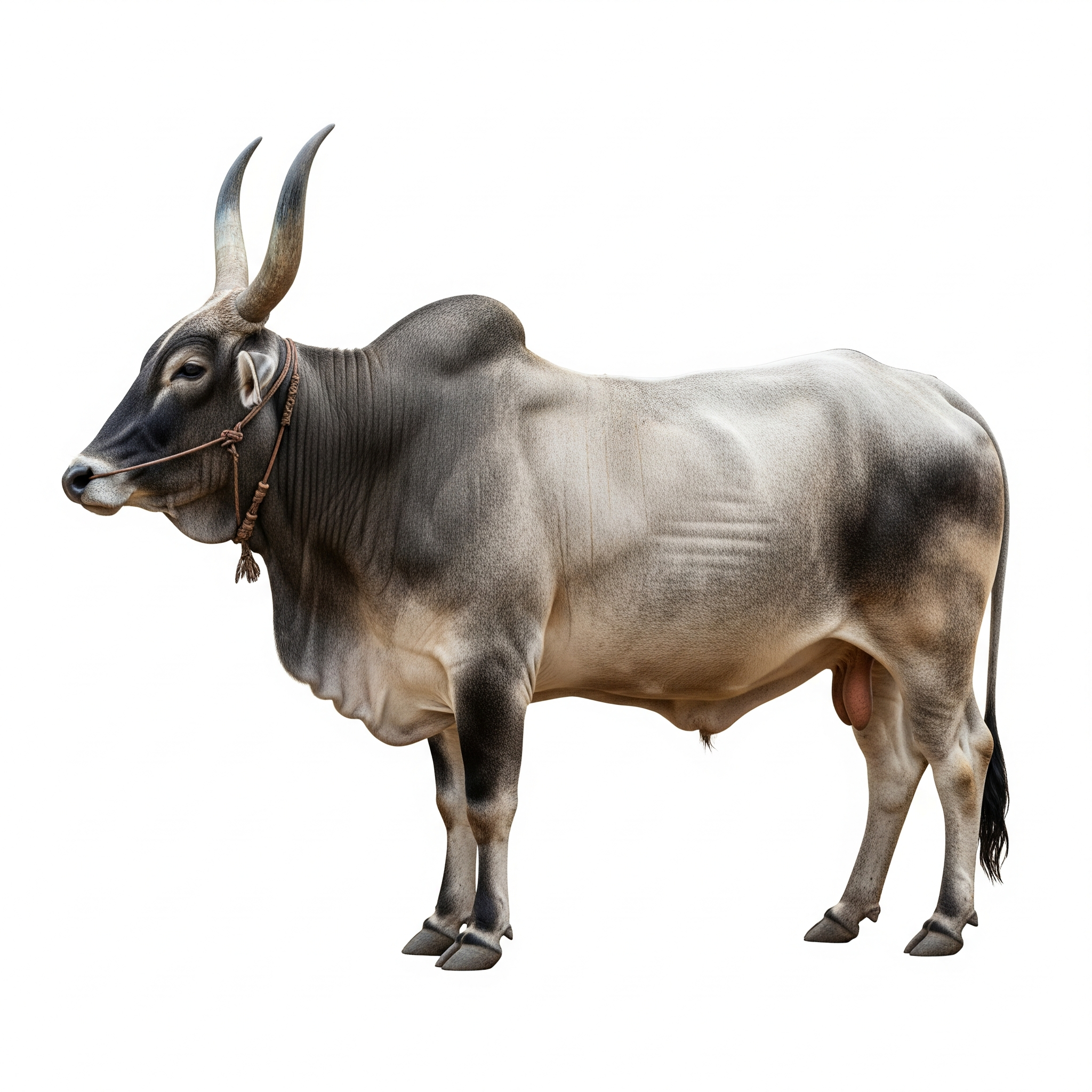
Archival print, museum-grade paper
Buy Poster
Stoneware mug, dishwasher safe
Buy Mug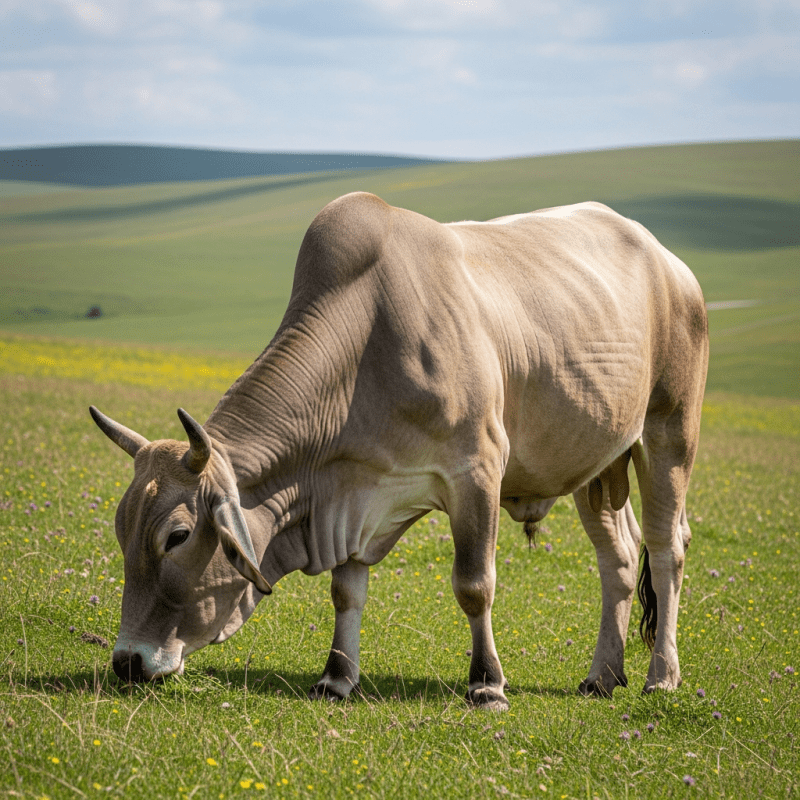
Soft cotton tee, unisex sizes
Buy ShirtIn regions like India and Nepal, zebu cattle hold profound cultural and religious importance. They appear in traditional art and mythology, and legal protections often restrict their slaughter. Beyond symbolism, they remain integral to rural livelihoods and ceremonial practices, embodying a deep connection between agriculture and culture.
Common breeds within Bos indicus include Gir, Sahiwal, Red Sindhi, and Brahman—the latter being a composite breed developed in the United States from Indian zebu stock. These breeds vary in size, coat color, and production traits but share the hallmark zebu features and tropical adaptability.
Zebu cattle produce moderate milk yields with annual volumes between approximately 730 and 2,920 liters. Their milk is prized for processing into ghee, yogurt, and cheese. Beef from zebu tends to be leaner and sometimes less tender than that of taurine cattle but remains a staple protein source in many tropical regions.
Bos indicus cattle are well adapted to harsh tropical environments, often thriving on low-quality forage and resisting local parasites, which reduces the need for intensive veterinary interventions. Their hardiness supports sustainable livestock systems in regions where other cattle might struggle, though like all cattle, they contribute to greenhouse gas emissions and land use considerations.
Effective management of zebu cattle involves leveraging their heat tolerance and disease resistance while ensuring adequate nutrition, especially during dry seasons. They require pasture or forage suited to tropical climates and benefit from traditional husbandry practices that emphasize draught use and low-input feeding systems. Their generally docile nature facilitates handling and integration into mixed farming systems.