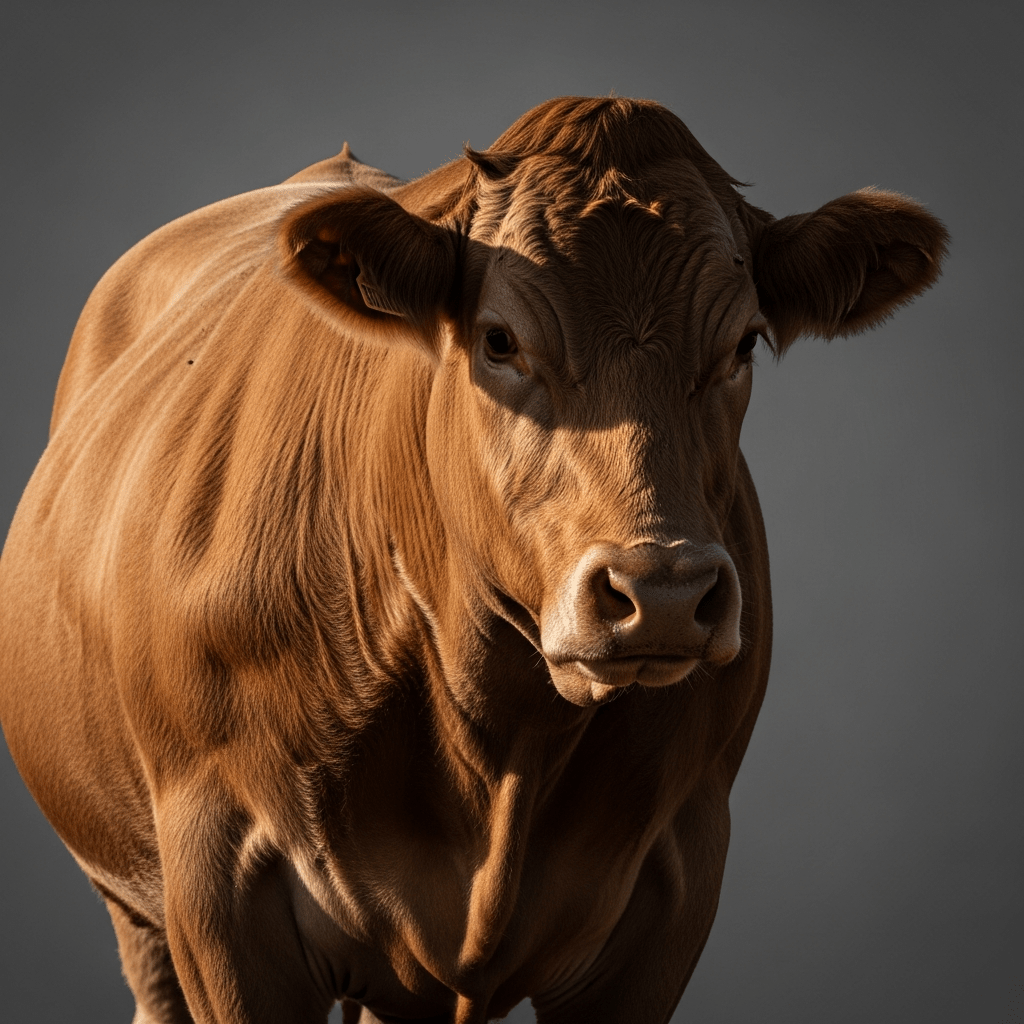
Limousin
The Limousin is a French beef cattle breed celebrated for its muscular build, feed efficiency, and adaptability, making it a premier choice for quality beef production worldwide.
The Limousin is a French beef cattle breed celebrated for its muscular build, feed efficiency, and adaptability, making it a premier choice for quality beef production worldwide.
Originating in the Limousin and Marche regions of central France, the Limousin breed traces its documented lineage back to the 18th century. It was formally standardized with the establishment of the French Limousin Herd Book in 1886, cementing its legacy as a distinct Bos taurus breed.
Classified within the species Bos taurus, Limousin cattle are a pure taurine breed with no known hybrid ancestry. They belong to the broader family of domestic beef cattle, distinguished by their specific regional and genetic heritage.
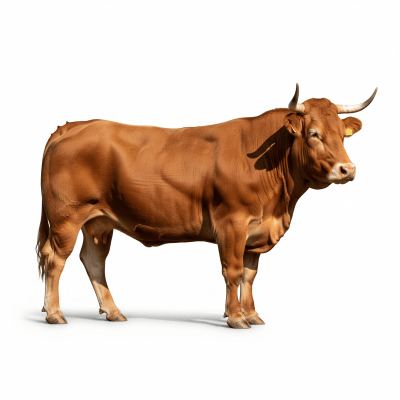
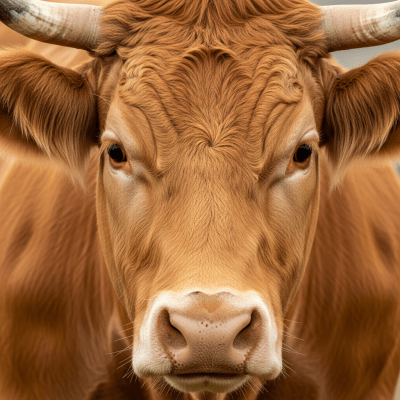
Limousin cattle are medium to large-sized with mature bulls weighing between 1,000 and 1,300 kilograms and cows ranging from 650 to 850 kilograms. They display a striking golden-red or lighter wheat-colored coat, often lighter around the eyes, muzzle, and underbelly. Their well-muscled frame is complemented by fine bone structure, and individuals may be either polled or horned.
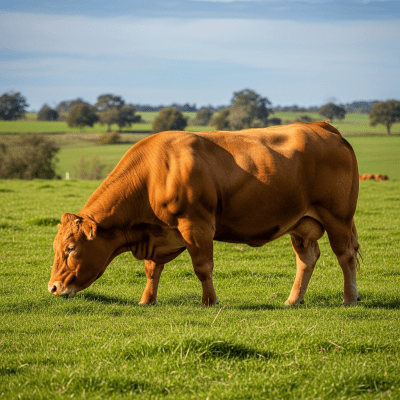
Primarily raised for beef, Limousin cattle excel in rapid growth and high feed conversion efficiency, thriving in varied climates and extensive grazing systems. While their moderate milk production supports calf rearing, they are not suited for commercial dairy. Occasionally, they serve limited roles as draught animals but are predominantly valued for meat.
Bring this kind into your world illustrated posters, mugs, and shirts.
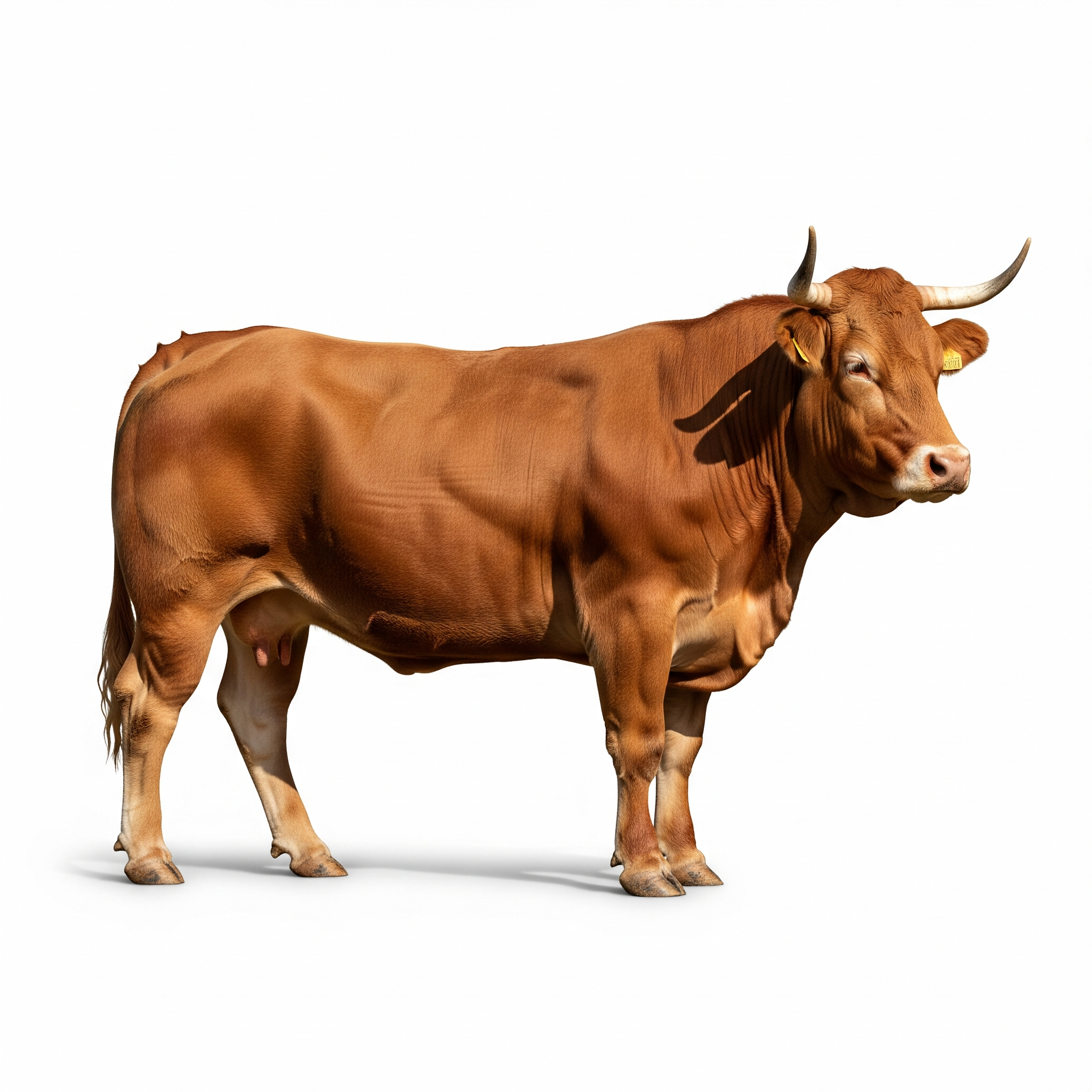
Archival print, museum-grade paper
Buy Poster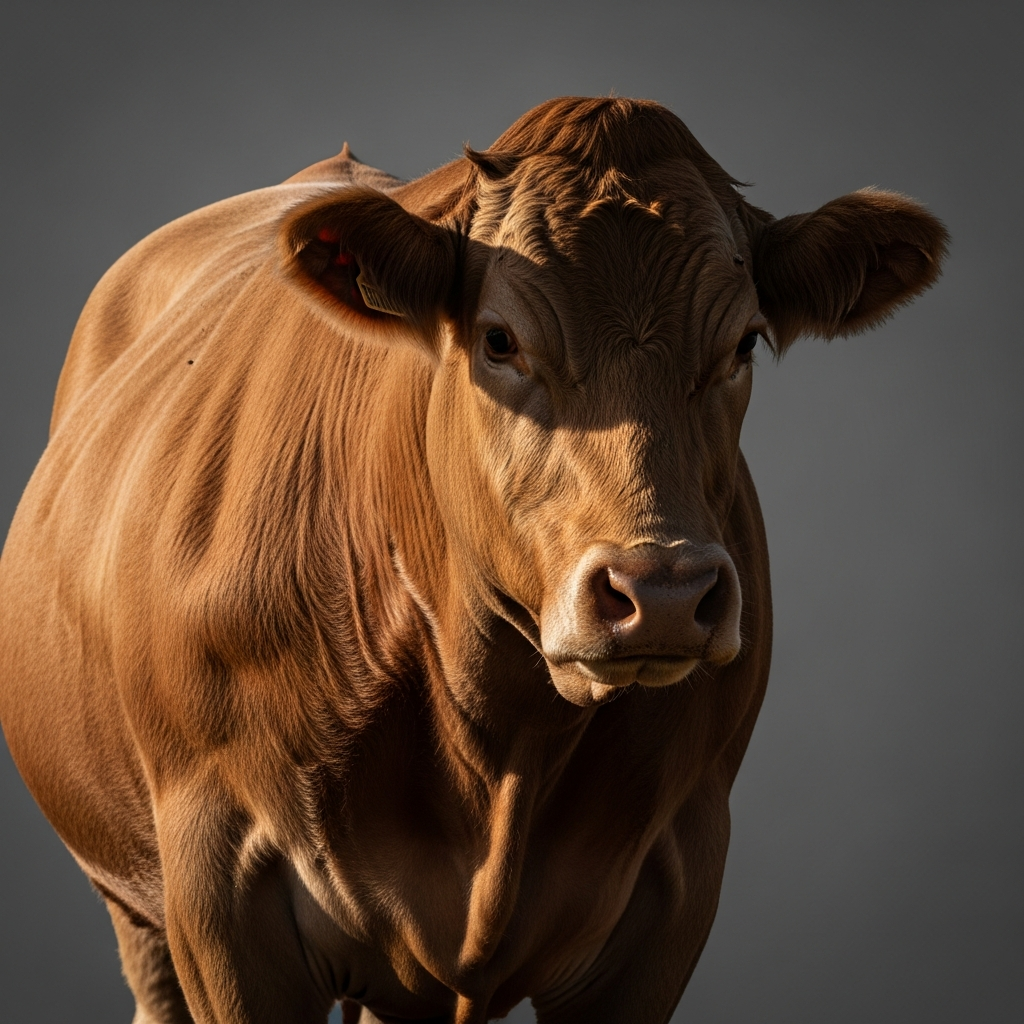
Stoneware mug, dishwasher safe
Buy Mug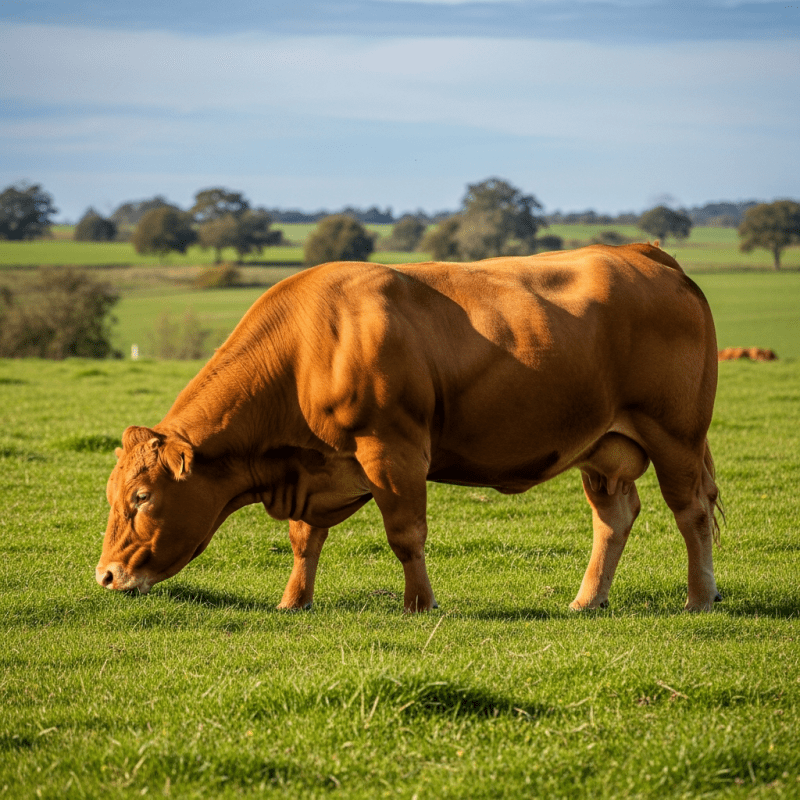
Soft cotton tee, unisex sizes
Buy ShirtThe Limousin breed holds a prominent place in French agricultural heritage and has become a symbol of premium beef quality globally. Its reputation for lean, tender meat has influenced culinary traditions and crossbreeding programs aimed at enhancing carcass quality in diverse beef markets.
While the Limousin breed itself is genetically uniform, regional adaptations have led to variants in North America, South America, Australia, and the UK. Crossbreeding efforts have produced composites like the "Lim-Flex" in the United States, which blend Limousin traits with other breeds to enhance muscling and carcass quality.
Limousin cattle produce lean, tender beef with low fat content and a high yield of saleable meat. Their meat is favored in premium markets for its fine muscle fibers and minimal marbling, making it ideal for gourmet preparations and retail cuts. Milk production is moderate and primarily supports calf nutrition rather than commercial dairy use.
Thanks to their high feed conversion efficiency and adaptability, Limousin cattle can be raised sustainably across diverse climates and grazing systems. Their resilience reduces the need for intensive inputs, helping to mitigate environmental pressures commonly associated with beef production.
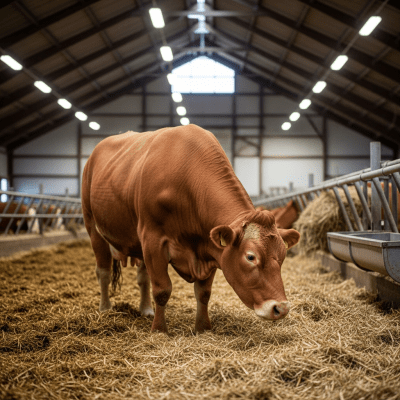
Effective management of Limousin cattle involves providing ample grazing space suited to their adaptability and monitoring health to leverage their disease resistance. Their rapid growth and feed efficiency benefit from balanced nutrition, while their moderate milk production requires attention to calf-rearing needs. Both horned and polled individuals may require handling considerations tailored to their physical traits.