Charolais
The Charolais is a large-framed, muscular beef cattle breed from France, prized worldwide for its rapid growth and superior meat quality.
The Charolais is a large-framed, muscular beef cattle breed from France, prized worldwide for its rapid growth and superior meat quality.
Originating in the Charolles region of eastern France, the Charolais breed was formally developed during the 18th century and standardized with the establishment of the Herd Book Charolais in 1864. Since the early 20th century, Charolais cattle have been exported globally, notably to the United States, South America, and Australia, where their genetics enhance local beef production.
Charolais cattle belong to the taurine lineage of domestic cattle (Bos taurus) and are classified as a pure beef breed without composite or hybrid ancestry. They are recognized and registered by the Herd Book Charolais, a French breed registry established in the mid-19th century.
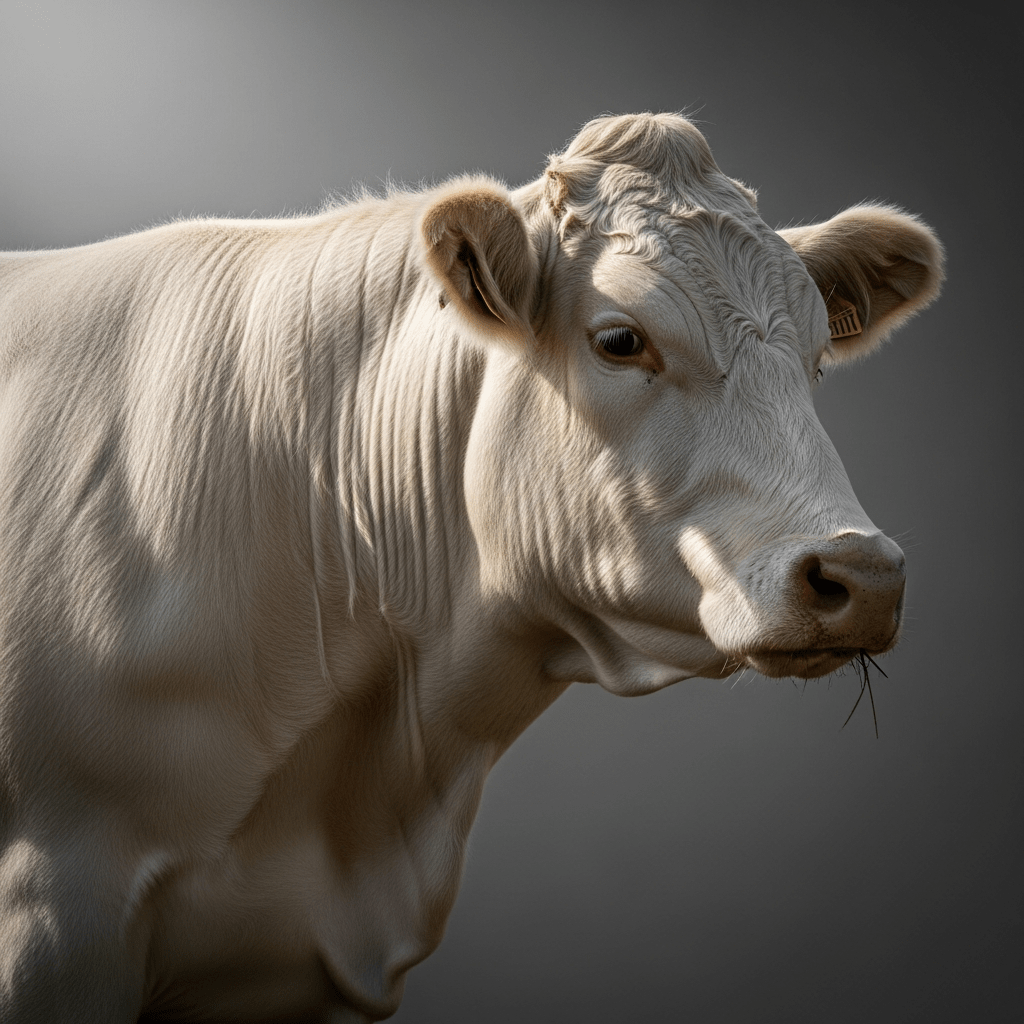
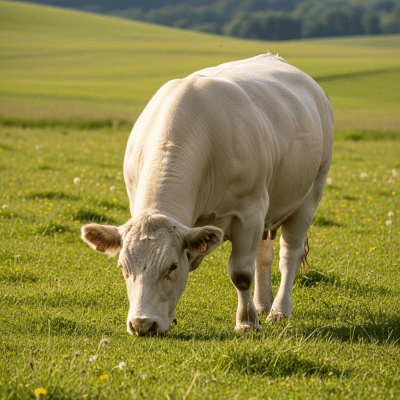
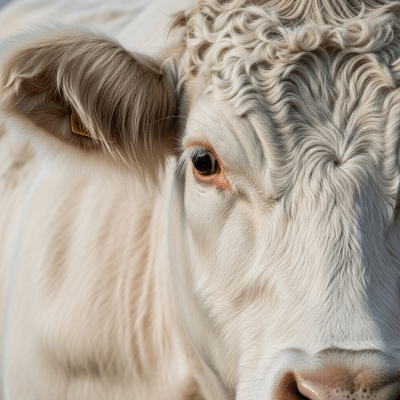
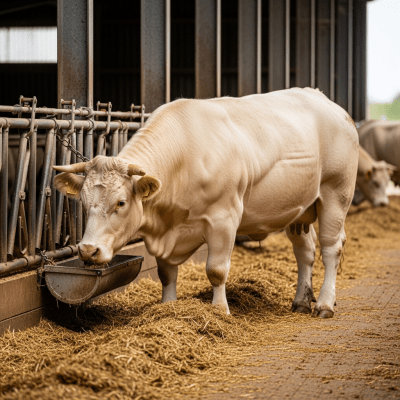
Charolais cattle are distinguished by their large size and muscular build, featuring a broad, deep body with well-developed muscling especially in the hindquarters. Their coat ranges from white to creamy hues, complemented by pink skin. Depending on lineage, individuals may be polled or horned, contributing to their robust and striking appearance.
Primarily bred for beef production, Charolais cattle exhibit rapid growth rates and high feed efficiency. They adapt well to diverse climates and demonstrate good foraging ability. While calving ease is moderate, some challenges arise due to the breed's large birth weights. Their lean, tender meat makes them a preferred choice in commercial beef operations worldwide.
Bring this kind into your world illustrated posters, mugs, and shirts.

Archival print, museum-grade paper
Buy Poster
Stoneware mug, dishwasher safe
Buy Mug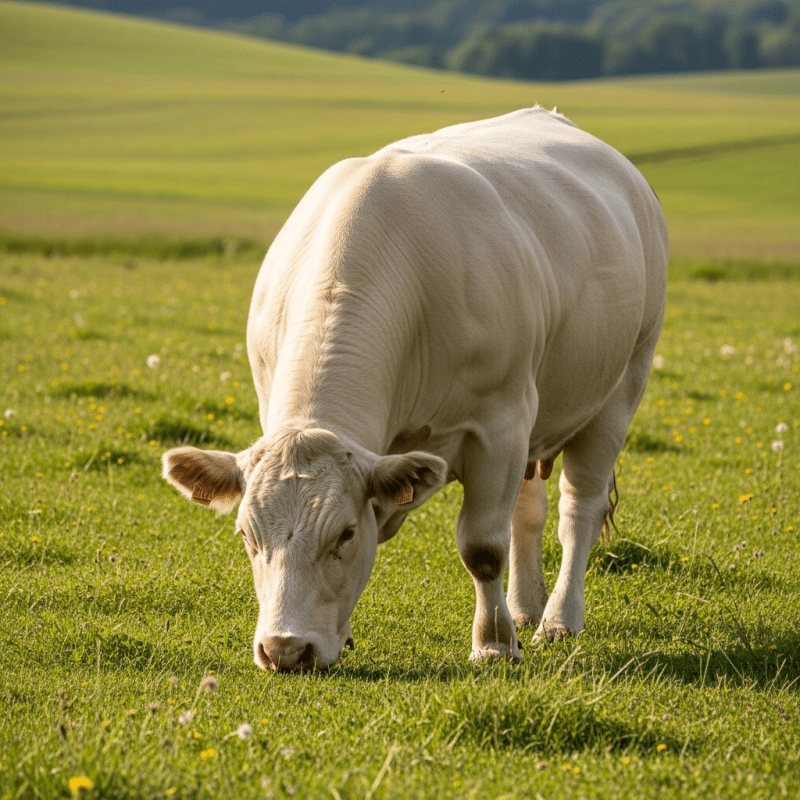
Soft cotton tee, unisex sizes
Buy ShirtCharolais cattle hold a prominent place in global beef culture, symbolizing quality and efficiency in meat production. Their distinctive white coat and powerful build have made them a recognizable breed in agricultural shows and marketing, while their genetics influence numerous crossbreeding programs that shape modern beef cattle industries.
The canonical Charolais breed is defined by the French registry and is characterized by its pure taurine lineage. Regional variations exist mainly through crossbreeding, such as the Charbray, a composite breed combining Charolais and Brahman genetics, popular in Australia and the United States. However, the core Charolais breed maintains consistent standards worldwide.
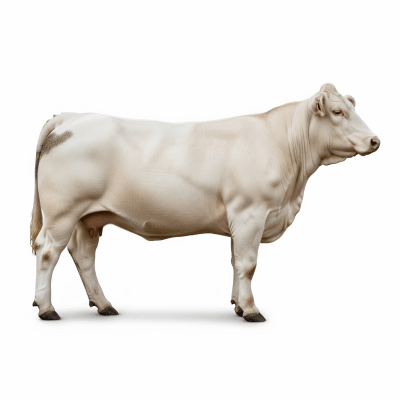
Charolais cattle are renowned for producing lean, tender beef with superior flavor and high carcass yields, among the best in beef breeds globally. They are rarely used for dairy purposes, as their milk production is minimal and not commercially significant. Their meat quality makes them a preferred choice for premium beef markets.
Charolais cattle demonstrate adaptability to various climates and good foraging ability, which supports sustainable grazing practices. However, their large size and rapid growth require efficient feed management to minimize environmental footprint. Like other beef breeds, responsible care and pasture management are essential to balance productivity with ecosystem health.
Effective management of Charolais cattle involves monitoring calving due to moderate difficulty associated with large birth weights. Their adaptability allows them to thrive in diverse environments, but attention to nutrition and health is vital to maintain rapid growth and feed efficiency. Both polled and horned individuals require appropriate handling to ensure safety and welfare.