Shorthorn
The Shorthorn is a historic British cattle breed renowned for its versatility as a dual-purpose breed, valued for both beef and dairy production.
The Shorthorn is a historic British cattle breed renowned for its versatility as a dual-purpose breed, valued for both beef and dairy production.
Originating in northeastern England during the late 18th century, the Shorthorn breed was developed in the counties of Durham, Northumberland, and Yorkshire. Early breeders such as Charles and Robert Colling, Thomas Bates, and John Booth selectively crossed local Teeswater and Holderness cattle to improve meat and milk traits. The breed’s formal herd books were established in the early 19th century, marking its organized development.
Shorthorn cattle belong to the domestic cattle group within the genus Bos, classified as Bos taurus. They are recognized as a distinct breed within the taurine cattle lineage and are categorized as dual-purpose cattle, serving both dairy and beef production roles.
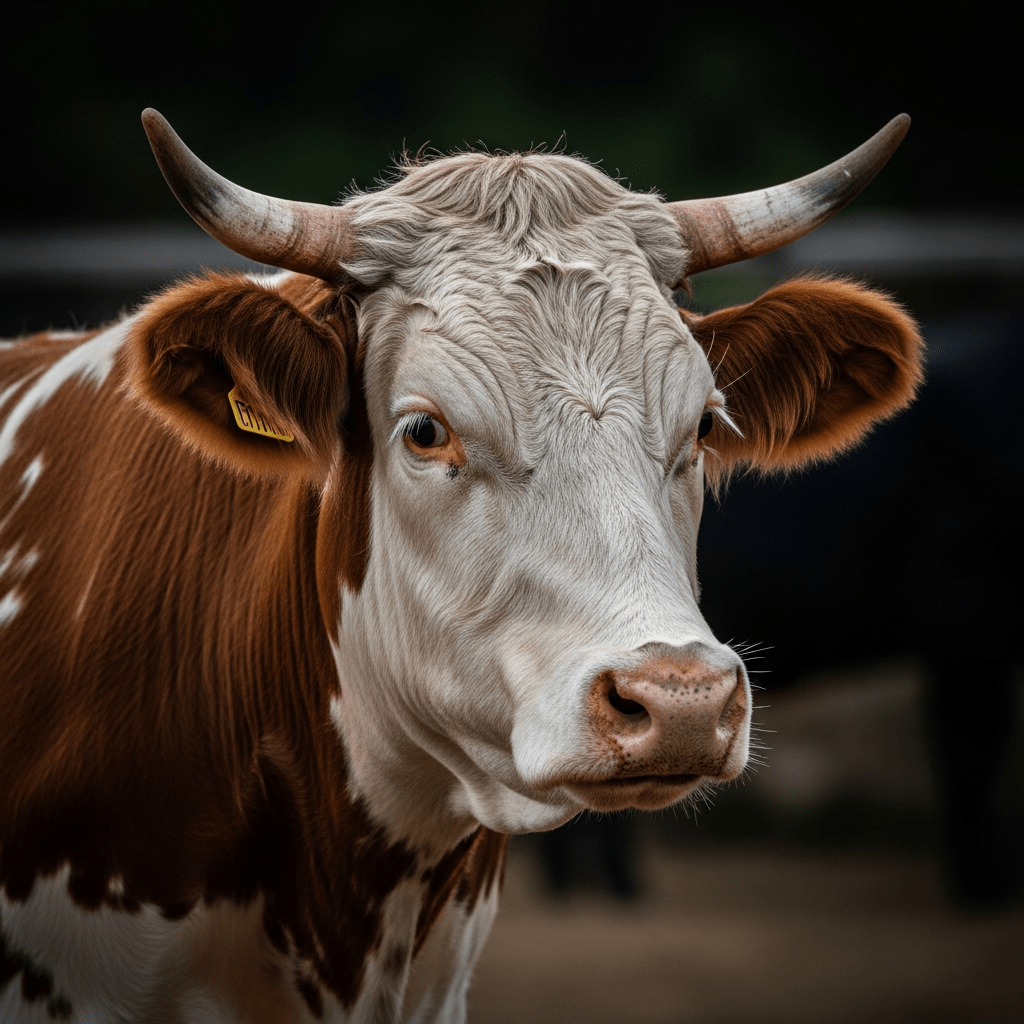
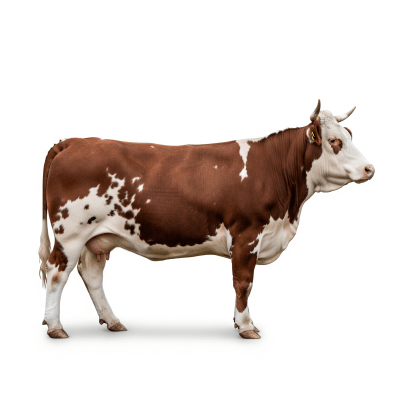
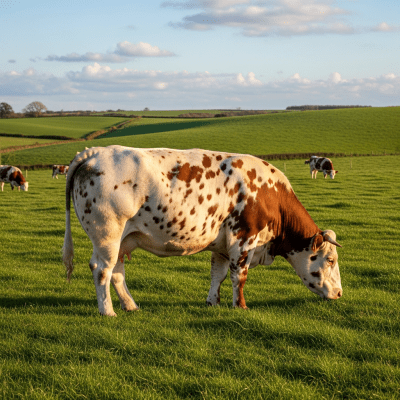
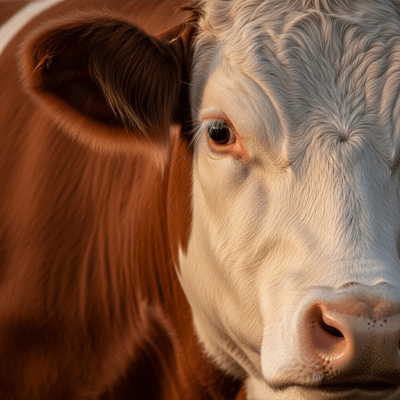
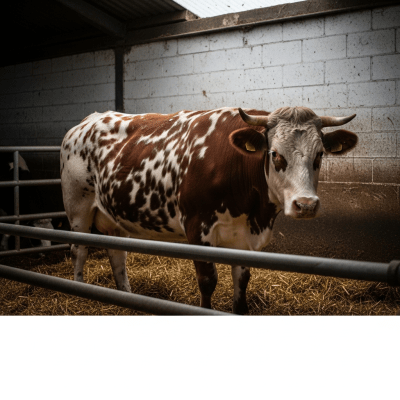
Shorthorns are medium to large-sized cattle, with mature individuals weighing between 600 and 1,100 kilograms. Their coat colors typically include red, white, and roan—a striking blend of red and white hairs. The breed is known for its solid, balanced build and generally docile temperament, making them visually distinctive and manageable.
Primarily raised as dual-purpose cattle, Shorthorns are valued for both their beef and dairy capabilities. Beef strains are selected for meat yield and carcass quality, producing tender, flavorful, and well-marbled beef. Dairy strains yield between 5,000 and 7,000 kilograms of milk annually, suitable for fluid consumption and cheese production. Their docile nature and good mothering ability contribute to their popularity in diverse grazing and management systems.
Bring this kind into your world illustrated posters, mugs, and shirts.
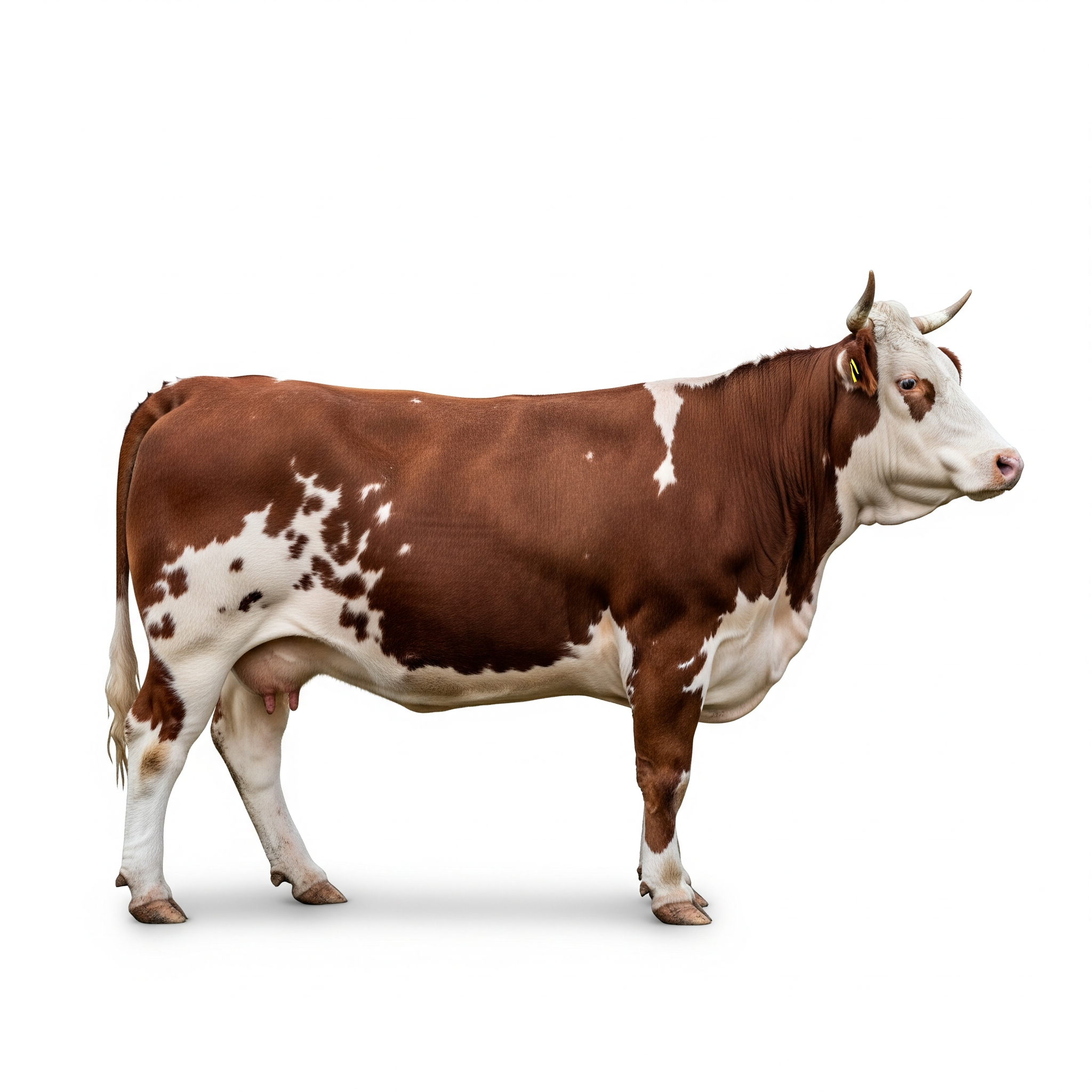
Archival print, museum-grade paper
Buy Poster
Stoneware mug, dishwasher safe
Buy Mug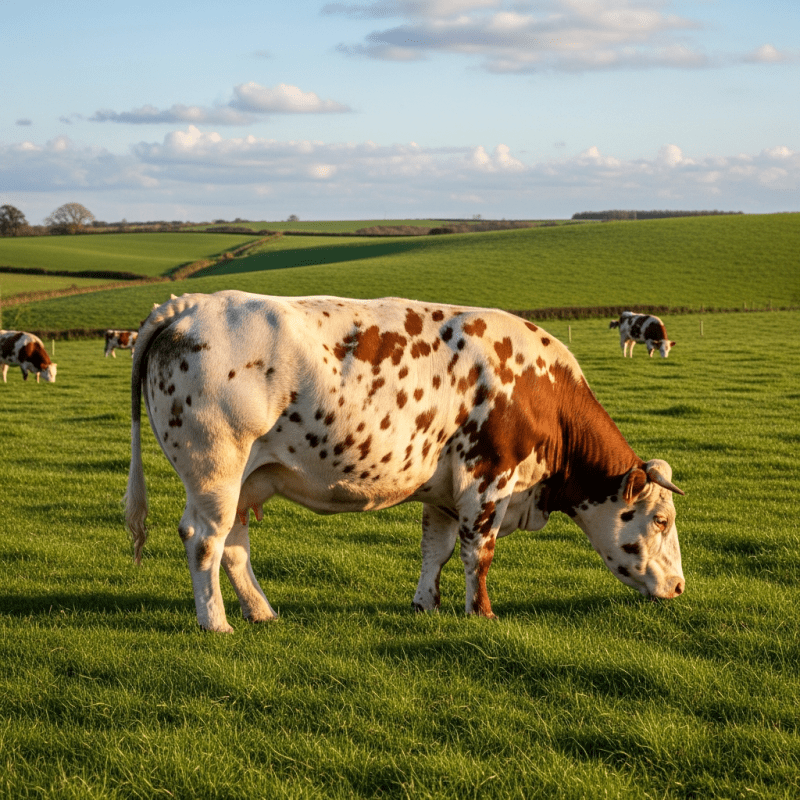
Soft cotton tee, unisex sizes
Buy ShirtThe Shorthorn breed holds a significant place in British agricultural heritage, symbolizing the advancement of selective breeding in the 18th and 19th centuries. Its influence extends internationally, shaping cattle breeding programs in countries such as the United States, Australia, and New Zealand. The breed’s legacy is preserved through dedicated breed societies and its continued presence in cultural and farming traditions.
The Shorthorn breed includes two principal strains: the Beef Shorthorn, bred for superior meat quality and yield, and the Dairy Shorthorn, selected for enhanced milk production. Regional variants and composites derived from Shorthorn genetics include the Australian Shorthorn, Irish Shorthorn, and the North American Milking Shorthorn, each adapted to local conditions and breeding goals.
Shorthorn beef is prized for its tenderness, marbling, and rich flavor, making it a favorite in premium meat markets. Dairy Shorthorns produce between 5,000 and 7,000 kilograms of milk annually, with milk well-suited for both fluid consumption and cheese-making. This combination of quality meat and milk production underscores the breed’s dual-purpose value.
Shorthorn cattle demonstrate adaptability to diverse climates and grazing systems, contributing to sustainable livestock management. Their moderate feed requirements and hardiness allow them to thrive with less intensive inputs, supporting environmentally conscious farming practices. However, like all cattle, their grazing and methane emissions require mindful management to minimize ecological footprints.
Effective management of Shorthorns involves providing balanced nutrition suited to their dual-purpose role, ensuring access to quality pasture or feed. Their docile temperament facilitates handling and breeding, while their adaptability allows them to perform well under various grazing systems. Regular health monitoring and protection from extreme weather enhance their productivity and longevity.