Angus
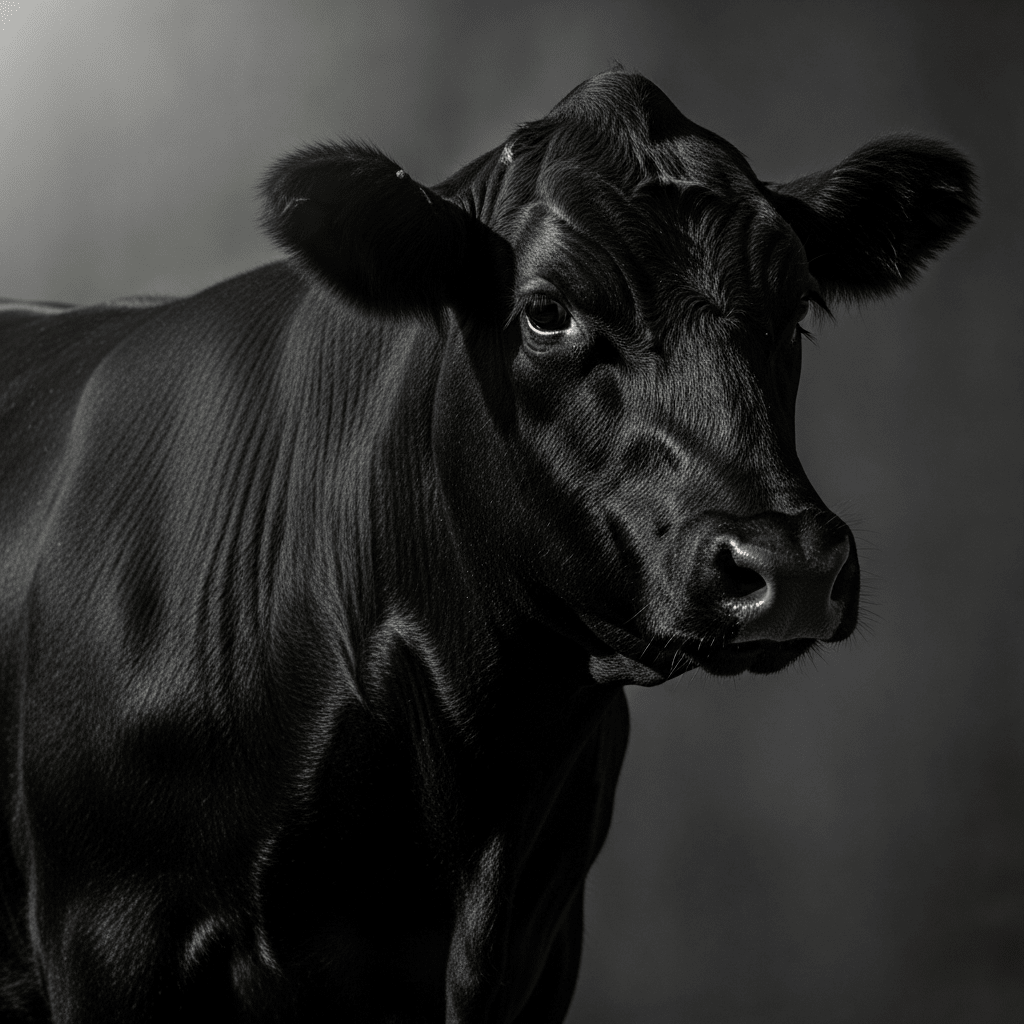
The Angus is a renowned beef cattle breed originating from Scotland, celebrated worldwide for its naturally hornless trait, solid black or red coat, and exceptional meat quality.
The Angus is a renowned beef cattle breed originating from Scotland, celebrated worldwide for its naturally hornless trait, solid black or red coat, and exceptional meat quality.
The Angus breed traces its roots to the northeastern Scottish counties of Aberdeenshire and Angus, where it was formally developed in the early 19th century. Scottish breeders like Hugh Watson and William McCombie standardized the breed, culminating in the first herdbook published in 1862. The breed was introduced to the United States in 1873, with the American Angus Association established in 1883 to maintain its registry. Angus cattle are pure Bos taurus, with no indicine lineage.
Angus cattle belong to the species Bos taurus and are classified as a domestic beef breed within the taurine lineage. They are distinguished by their polled (hornless) genetics and are widely recognized as a premier beef breed globally, often used in purebred and crossbreeding programs to enhance meat quality.
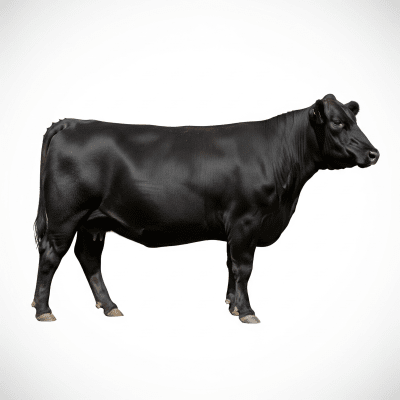
Angus cattle are medium-sized and naturally polled, typically exhibiting a solid black or red coat. Mature cows weigh between 550 and 700 kilograms, while bulls range from 850 to 1000 kilograms. Their robust build and uniform coloration contribute to their distinct and easily recognizable appearance.
Primarily raised for beef production, Angus cattle are prized for their early maturity, high fertility, and strong maternal instincts. They adapt well to varied climates and are known for ease of calving and resilience to harsh weather. Their genetics are extensively used in crossbreeding to improve carcass quality and introduce polled traits in commercial herds.
Bring this kind into your world illustrated posters, mugs, and shirts.
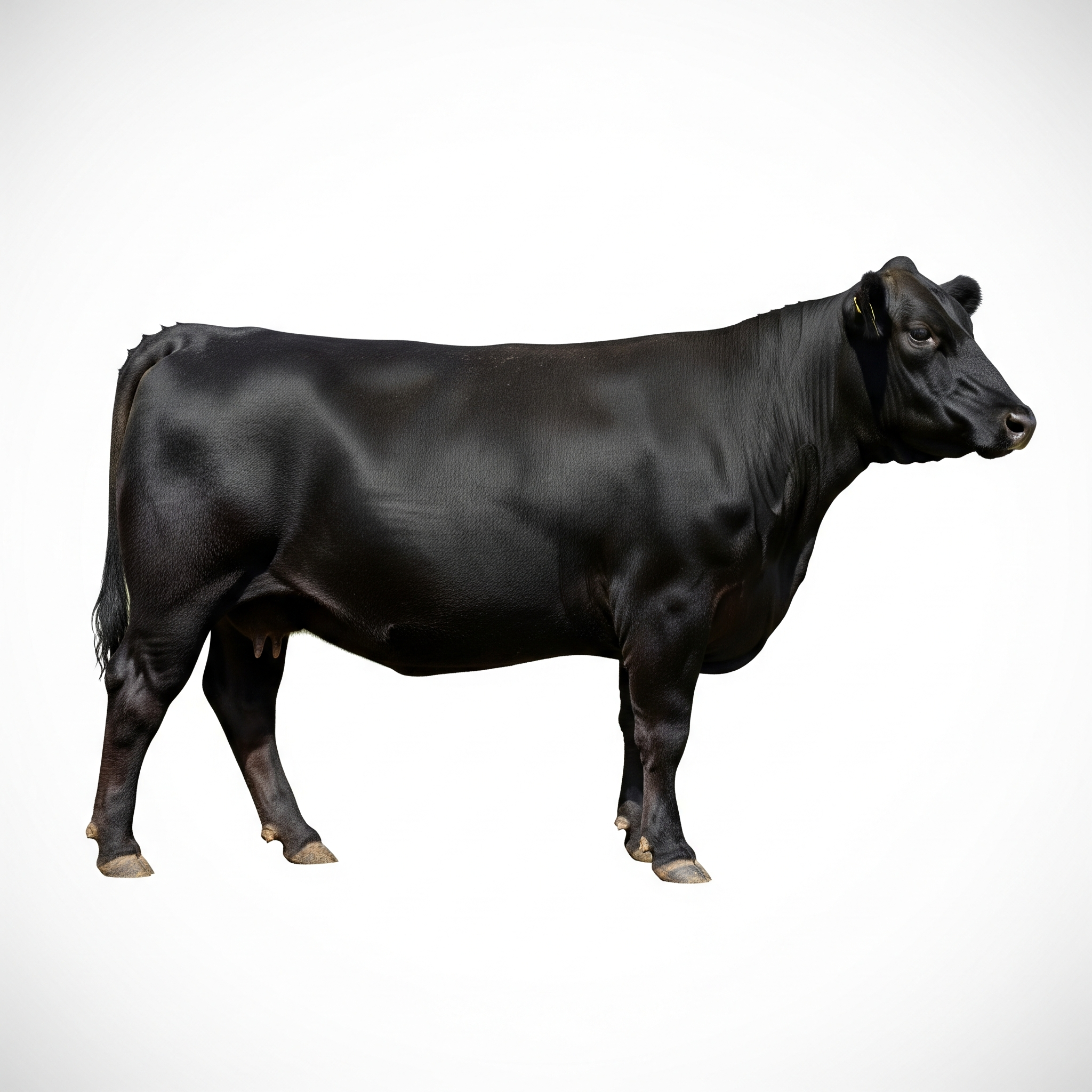
Archival print, museum-grade paper
Buy Poster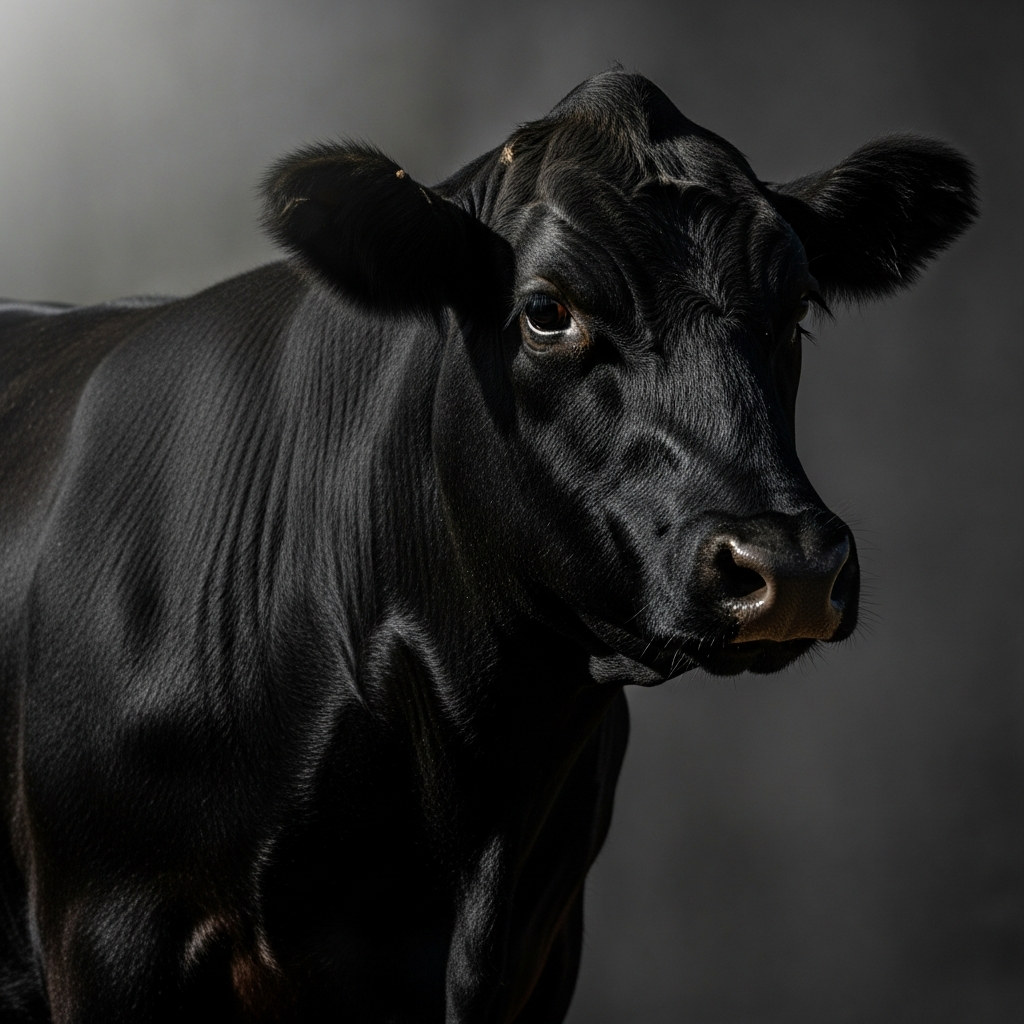
Stoneware mug, dishwasher safe
Buy Mug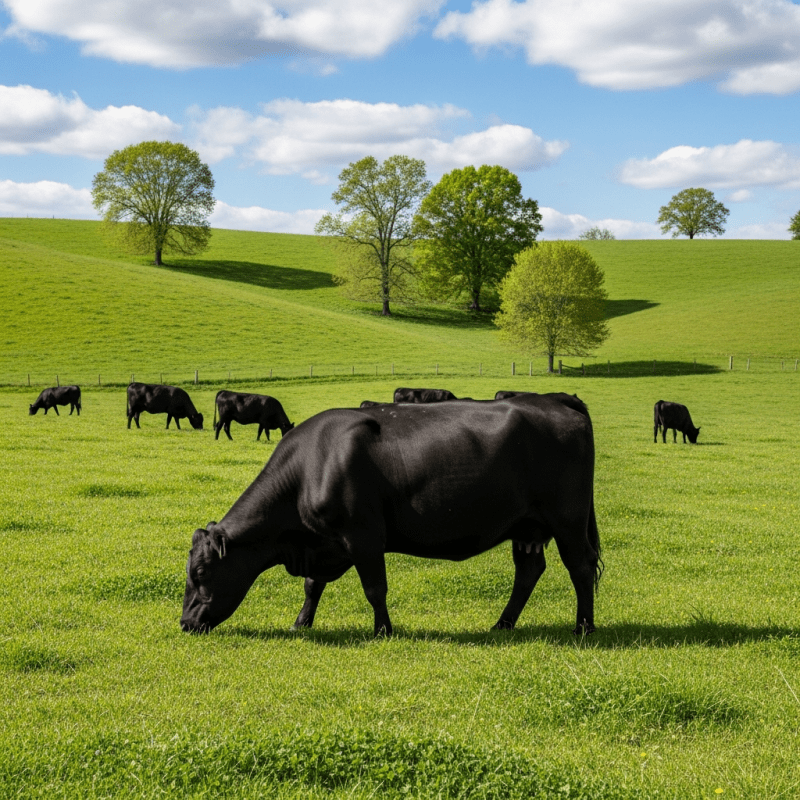
Soft cotton tee, unisex sizes
Buy ShirtAngus cattle hold a prominent place in global beef culture, symbolizing quality and premium meat. Their image is often associated with branded programs like Certified Angus Beef®, which emphasize superior marbling and tenderness. The breed’s Scottish heritage also contributes to its cultural identity in agricultural history.
The Angus breed includes the well-known Black Angus and the Red Angus, the latter recognized as a separate breed by some registries. While Black Angus dominates global commercial beef production, Red Angus has gained distinct recognition, especially in the United States. Both share similar traits but differ primarily in coat color.
Angus cattle produce beef highly valued for its marbling, tenderness, and rich flavor, often commanding premium prices in global markets. Their carcasses yield a high dressing percentage, averaging around 62%, making them efficient producers of quality beef. Milk production is minimal and not a primary focus for this breed.
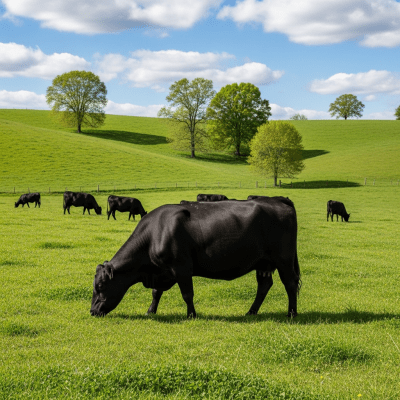
Angus cattle are adaptable to a range of climates and management systems, which supports sustainable beef production in diverse environments. Their ease of calving and hardiness reduce the need for intensive interventions, although like all cattle, they contribute to greenhouse gas emissions and require responsible pasture and resource management to mitigate environmental impacts.
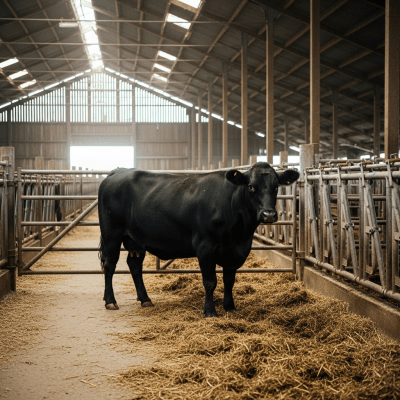
Effective management of Angus cattle involves providing suitable pasture or feedlot conditions that support their early maturity and fertility. Their adaptability allows for varied climate tolerance, but attention to calving ease and health monitoring ensures herd productivity. Breeders often select for polled genetics to reduce injury risks associated with horns.