Brown Swiss
The Brown Swiss is a distinguished dairy cattle breed from Switzerland, celebrated for its robust build, longevity, and high-quality milk production.
The Brown Swiss is a distinguished dairy cattle breed from Switzerland, celebrated for its robust build, longevity, and high-quality milk production.
Originating in the Alpine regions of Switzerland, the Brown Swiss breed has a documented history dating back to the 15th century. It was formally registered in 1879 and introduced to the United States in 1869. This breed represents a pure taurine lineage, carefully maintained by the International Brown Swiss Association and national registries.
Brown Swiss cattle belong to the species Bos taurus, placing them within the taurine group of domestic cattle. They are recognized as a pure breed rather than a composite or hybrid, fitting solidly within the dairy cattle classification.
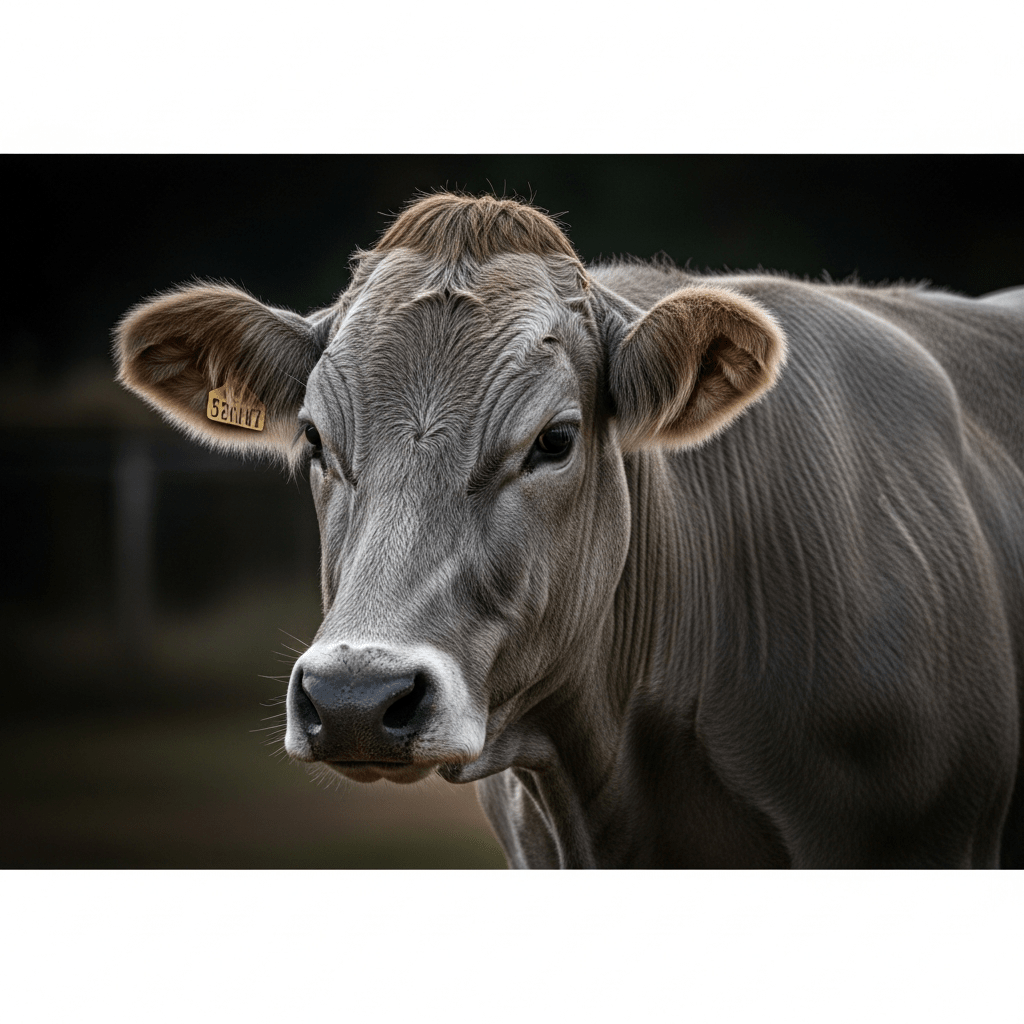
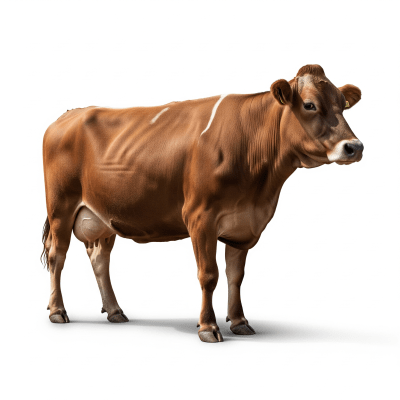
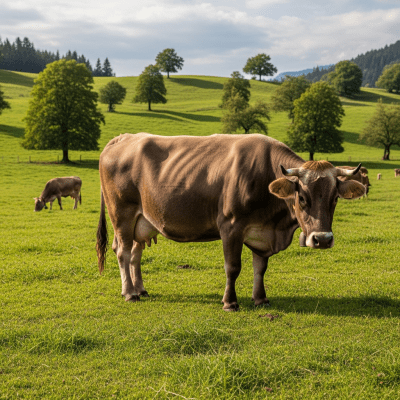
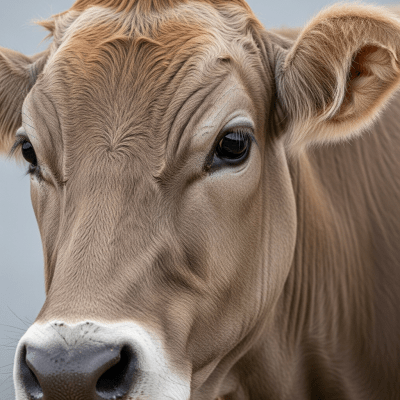
Brown Swiss cattle are medium to large in size, with mature cows weighing between 600 and 700 kilograms and standing 140 to 150 centimeters tall at the withers. Their coat is a solid brown or grey-brown shade, complemented by a black nose and hooves, and a distinctive light-colored ring around the muzzle. They possess strong legs and hooves, contributing to their notable longevity and suitability for pasture-based environments.
Primarily bred for dairy production, Brown Swiss cattle are prized for their high milk yield and docile temperament. They adapt well to varied climates and resist heat stress, making them suitable for both commercial dairy operations and smallholder farms. In some regions, they serve dual purposes, providing both milk and draught power.
Bring this kind into your world illustrated posters, mugs, and shirts.
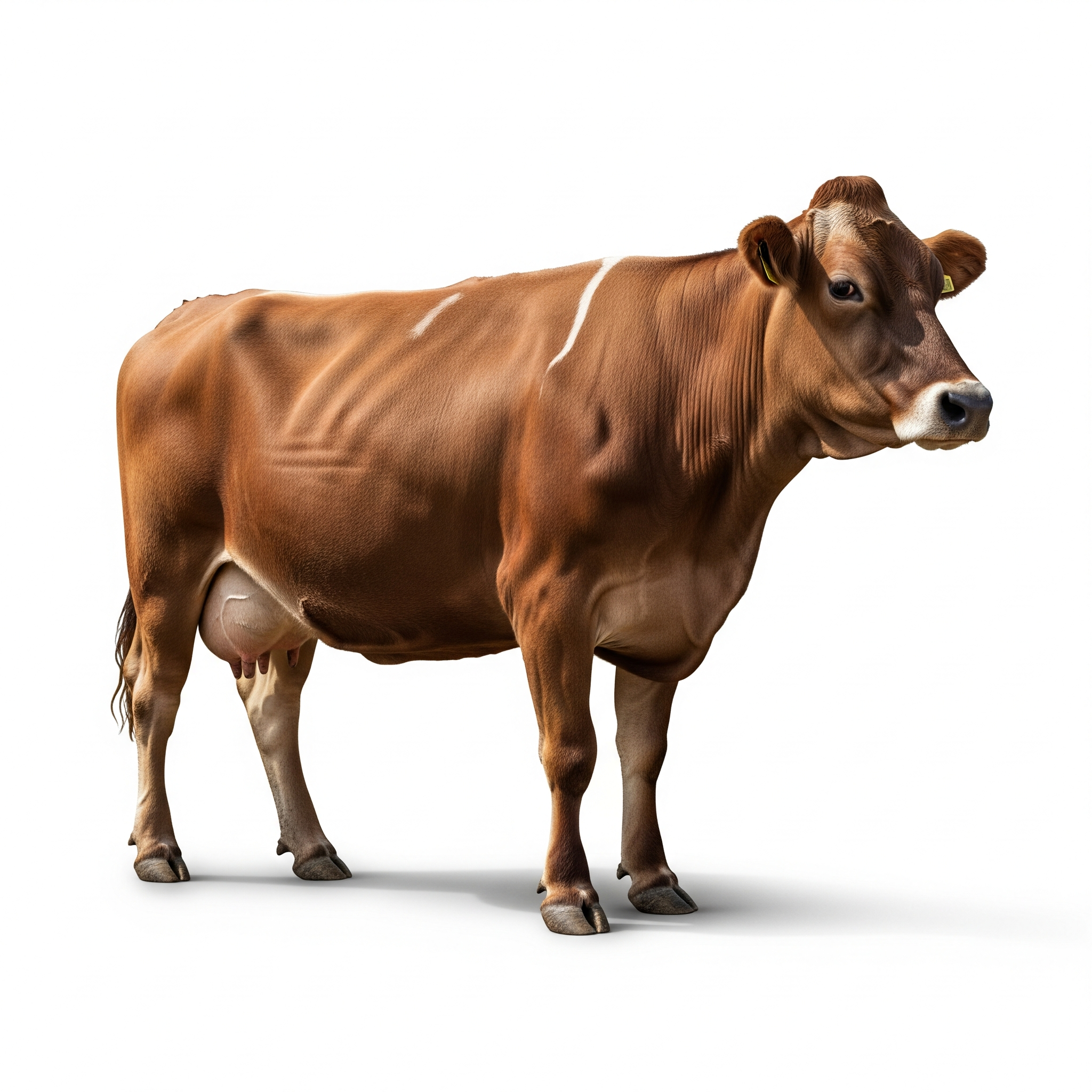
Archival print, museum-grade paper
Buy Poster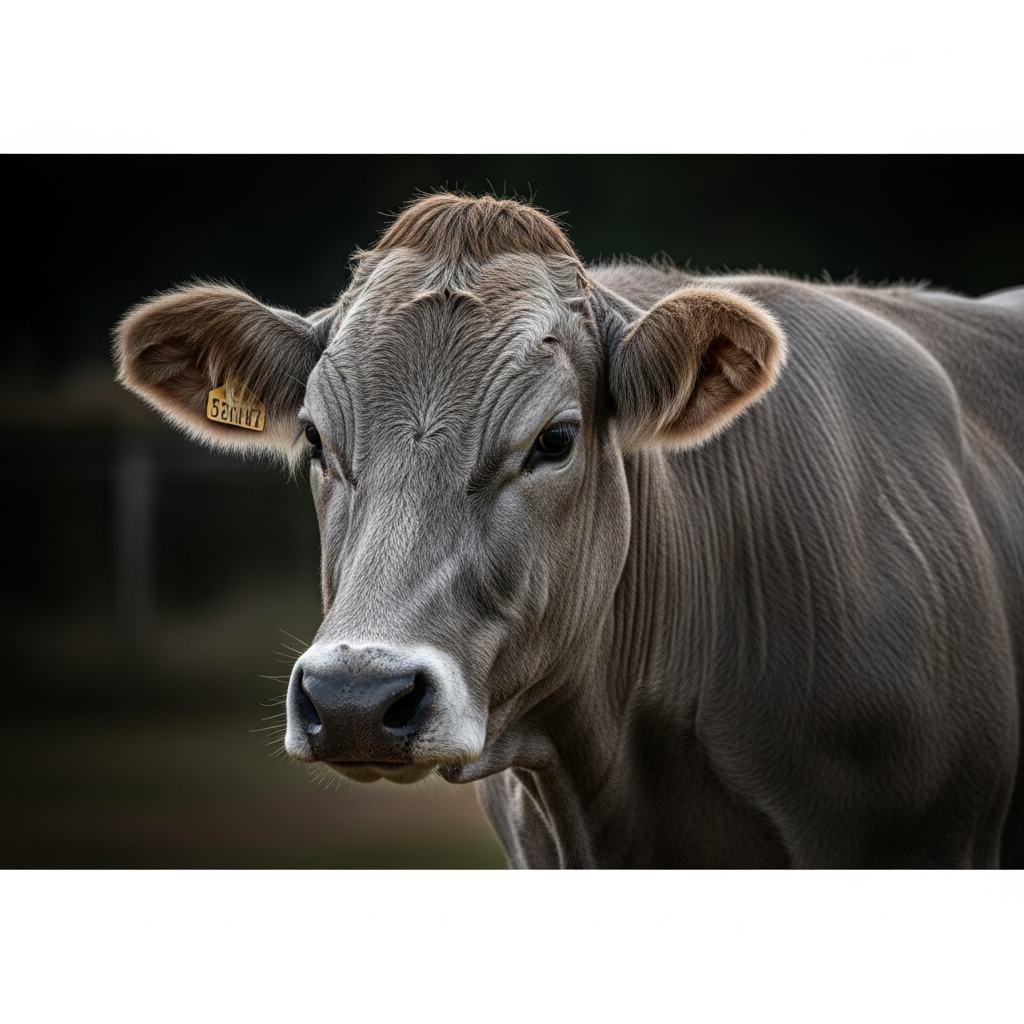
Stoneware mug, dishwasher safe
Buy Mug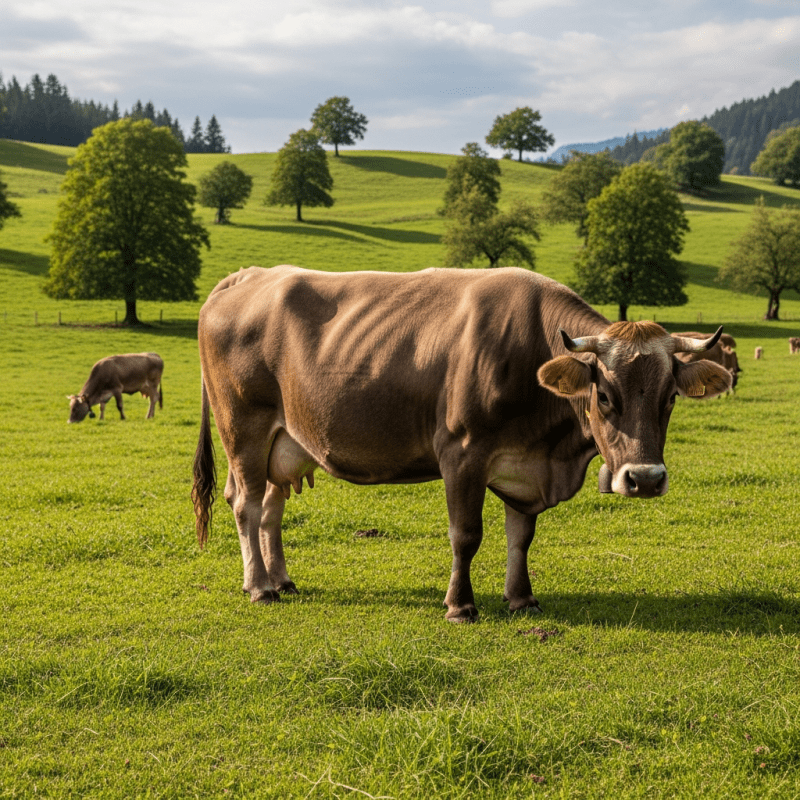
Soft cotton tee, unisex sizes
Buy ShirtBrown Swiss cattle hold cultural importance in Switzerland and beyond, where their milk is integral to traditional cheese-making. Their association with iconic Swiss cheeses like Emmental and Gruyère reflects their embedded role in European dairy heritage and culinary traditions.
The Brown Swiss breed includes regional variants such as the American Brown Swiss, which has developed distinct conformation and milk yield traits through selective breeding. In Switzerland, the term "Braunvieh" may refer to both dairy and beef strains, though internationally "Brown Swiss" typically denotes the dairy type. Synonyms include "Braunvieh," "Swiss Brown," and "Bruna Alpina," reflecting its broad European heritage.
Brown Swiss milk is prized for its superior cheese-making qualities, attributed to a favorable protein-to-fat ratio and high casein content. This makes it especially suitable for producing renowned Swiss and European cheeses such as Emmental and Gruyère. Although not primarily bred for beef, meat from cull cows and surplus males is lean and valued in certain markets.
Thanks to their robust health and adaptability, Brown Swiss cattle thrive in pasture-based systems, which can support sustainable grazing practices. Their resistance to heat stress reduces the need for intensive housing or cooling systems, potentially lowering environmental footprints compared to less adaptable breeds.
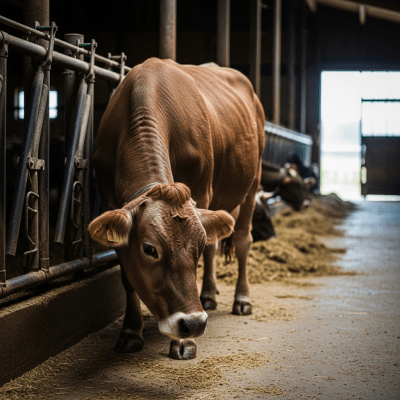
Effective management of Brown Swiss cattle involves providing ample pasture access to leverage their strong legs and hooves. Their docile nature facilitates handling, while their adaptability allows for diverse climatic conditions. Maintaining herd health through routine veterinary care and balanced nutrition supports their longevity and high milk yield.