Galloway
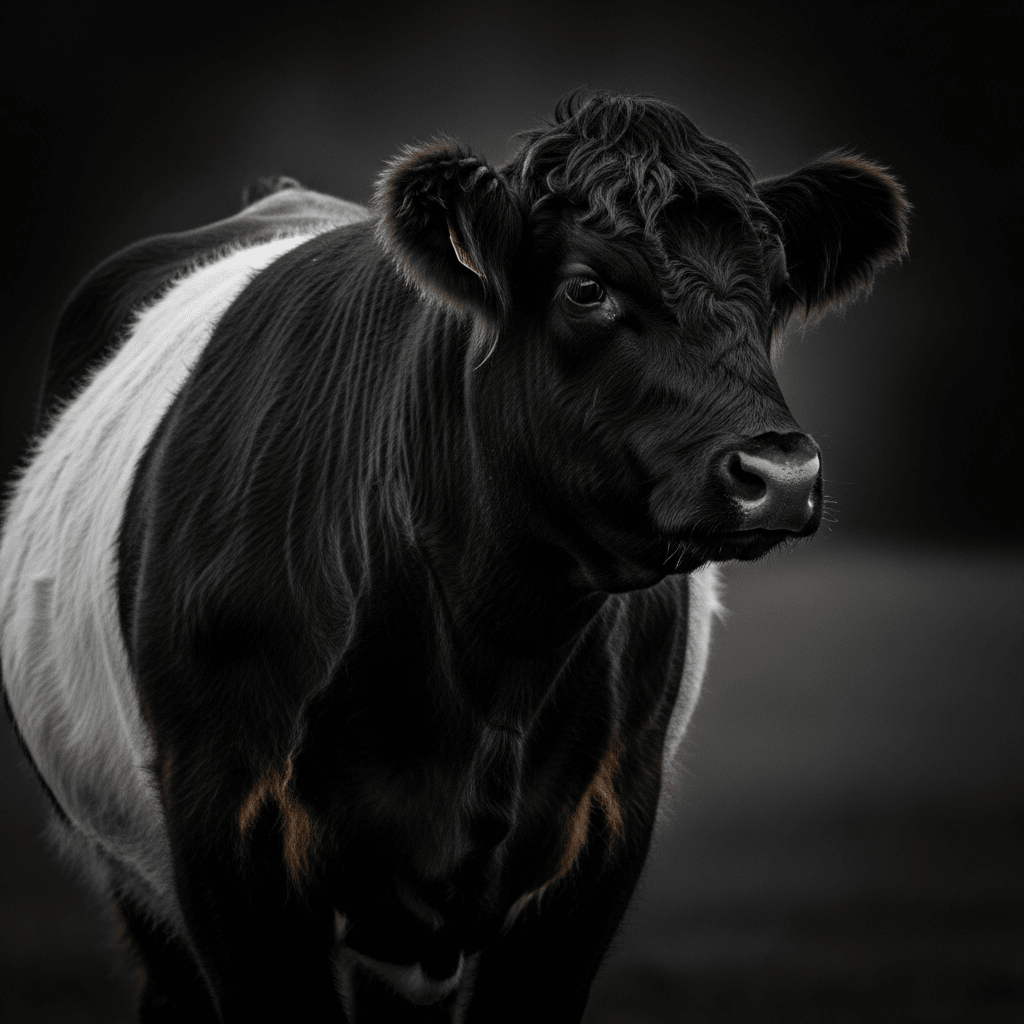
The Galloway is a heritage Scottish beef cattle breed known for its distinctive long, curly double-layered coat and exceptional hardiness in cold, wet climates.
The Galloway is a heritage Scottish beef cattle breed known for its distinctive long, curly double-layered coat and exceptional hardiness in cold, wet climates.
Originating in the Galloway region of southwest Scotland, the Galloway breed dates back to the 17th century. It developed from native polled cattle carefully selected over centuries for resilience and superior beef quality. The notable Belted Galloway variant likely arose through crossbreeding with Dutch Lakenvelder cattle, adding its characteristic white belt.
Galloway cattle belong to the domestic cattle group within the Bos taurus species, classified as a beef breed. They are polled (naturally hornless) and fit within the broader family of hardy, cold-adapted European taurine cattle, distinguished by their unique coat and regional heritage.
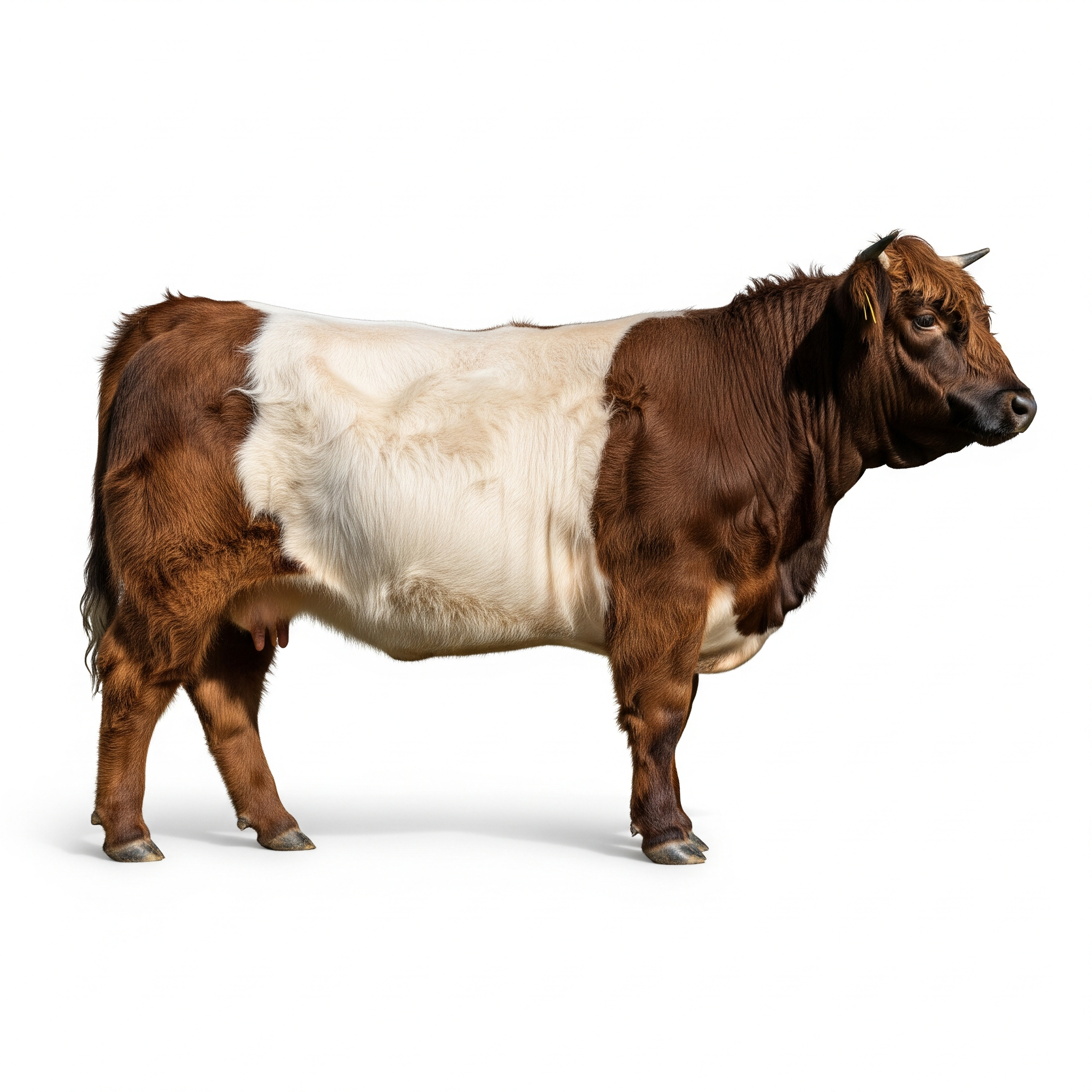
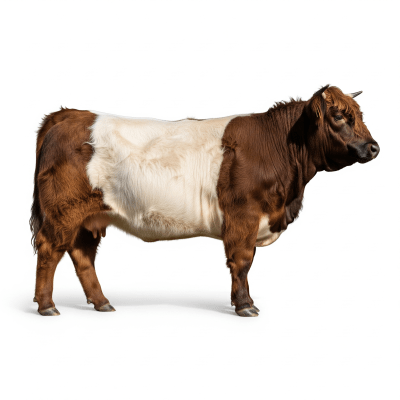
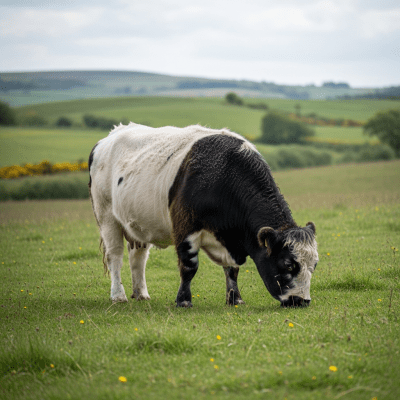
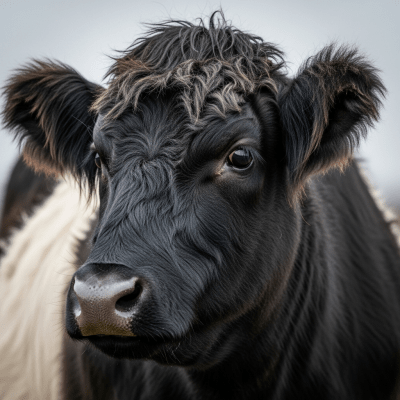
Medium-sized and naturally hornless, Galloways are easily recognized by their thick, curly double-layered coat that insulates them against harsh weather. Their coat colors vary from black—the most common—to dun, red, and the striking belted pattern featuring a white band encircling the middle of the body.
Primarily raised for beef production, Galloways are slow-growing but efficient at converting forage into high-quality meat. Their docile temperament and adaptability make them well-suited for extensive grazing systems, especially on marginal lands where their hardiness in cold, wet climates is a significant advantage.
Bring this kind into your world illustrated posters, mugs, and shirts.
Archival print, museum-grade paper
Buy Poster
Stoneware mug, dishwasher safe
Buy Mug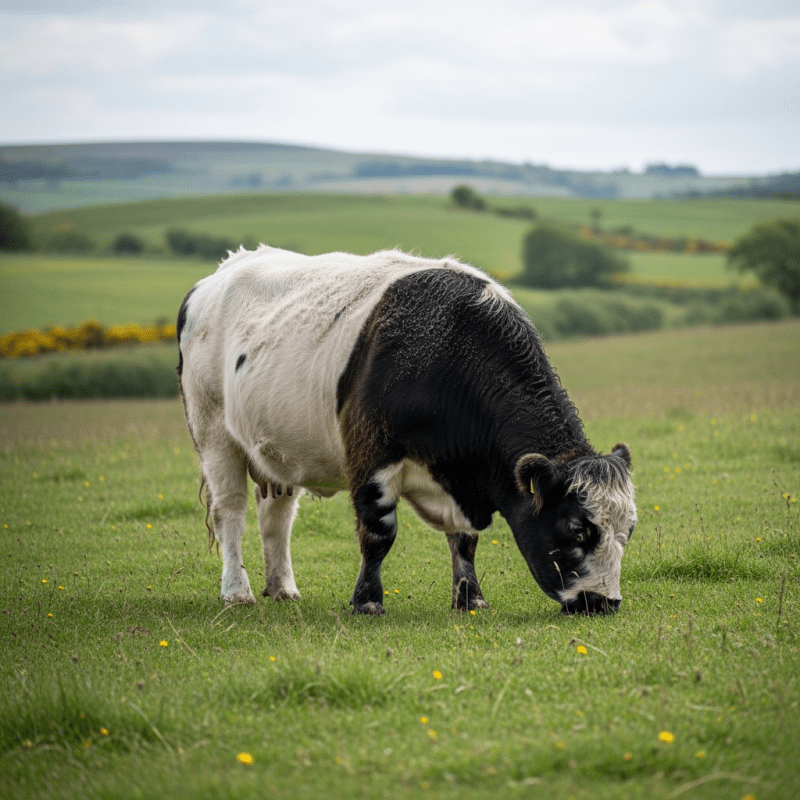
Soft cotton tee, unisex sizes
Buy ShirtThe Galloway breed holds a cherished place in Scottish agricultural heritage and is celebrated for its role in sustainable farming practices. Its distinctive appearance, especially the Belted Galloway variant, has made it a popular subject in rural art and conservation grazing projects across the UK and beyond.
The Galloway breed includes several variants, most notably the Belted Galloway, recognized for its distinctive white belt. Another variation is the Riggit Galloway, known for its striped coat pattern. These variations share the breed’s hallmark hardiness and beef quality but differ in coat coloration and pattern.
While not used for dairy, Galloway cattle produce high-quality beef prized for its leanness, tenderness, and fine marbling. Their meat contains low fat content and is marketed as a premium product across the UK, Europe, North America, and Australia, often linked to sustainable and conservation-focused farming.
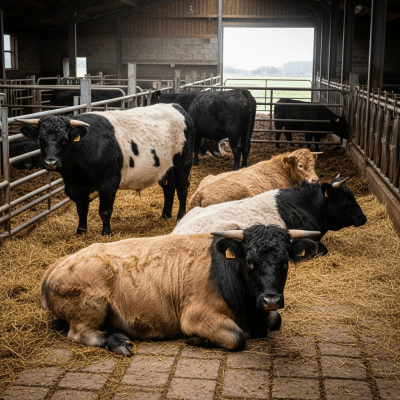
Galloways are well-adapted to extensive grazing on marginal lands, contributing to sustainable agriculture by efficiently converting forage with minimal inputs. Their hardiness reduces the need for intensive shelter or medical intervention, supporting environmentally friendly livestock management and conservation grazing initiatives.
Best managed in extensive grazing systems, Galloways thrive in cold, wet climates due to their insulating coat and natural resilience. They require minimal shelter and exhibit strong resistance to disease and parasites. Their slow growth rate calls for patient, low-input husbandry focused on forage quality and pasture management.