Kankrej
The Kankrej is a distinguished Indian zebu cattle breed known for its dual-purpose use in draught work and dairy production, prized for its resilience in arid and semi-arid climates.
The Kankrej is a distinguished Indian zebu cattle breed known for its dual-purpose use in draught work and dairy production, prized for its resilience in arid and semi-arid climates.
Originating from the Kankrej region of Gujarat, India, the Kankrej breed developed over centuries through natural and selective breeding of indigenous zebu cattle. It has been formally recognized by Indian breed registries and international agricultural databases, reflecting its deep-rooted heritage in northwestern India.
Kankrej belongs to the Bos indicus species, commonly known as zebu cattle, characterized by a distinctive hump and heat tolerance. Within the broader cattle family, it is classified as a domestic breed adapted for multipurpose use, bridging draught and dairy functions in tropical environments.
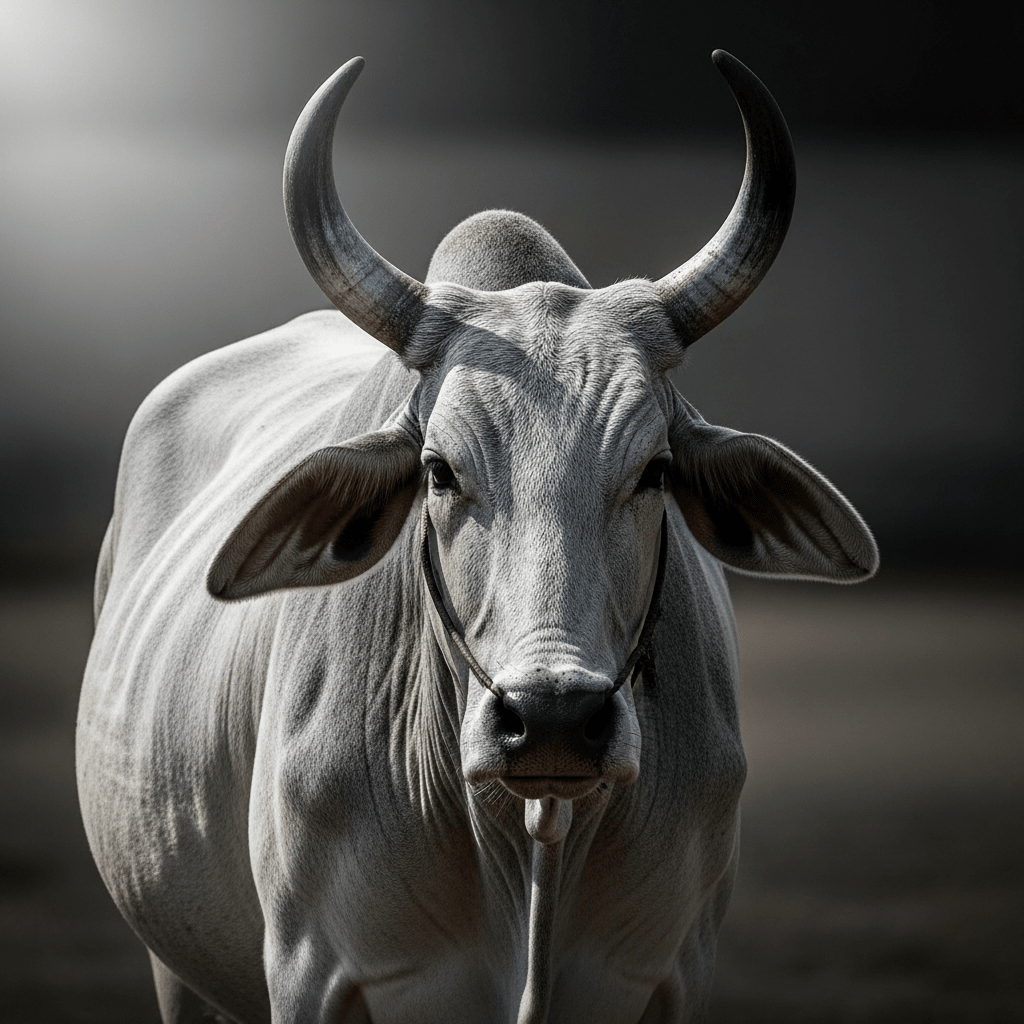
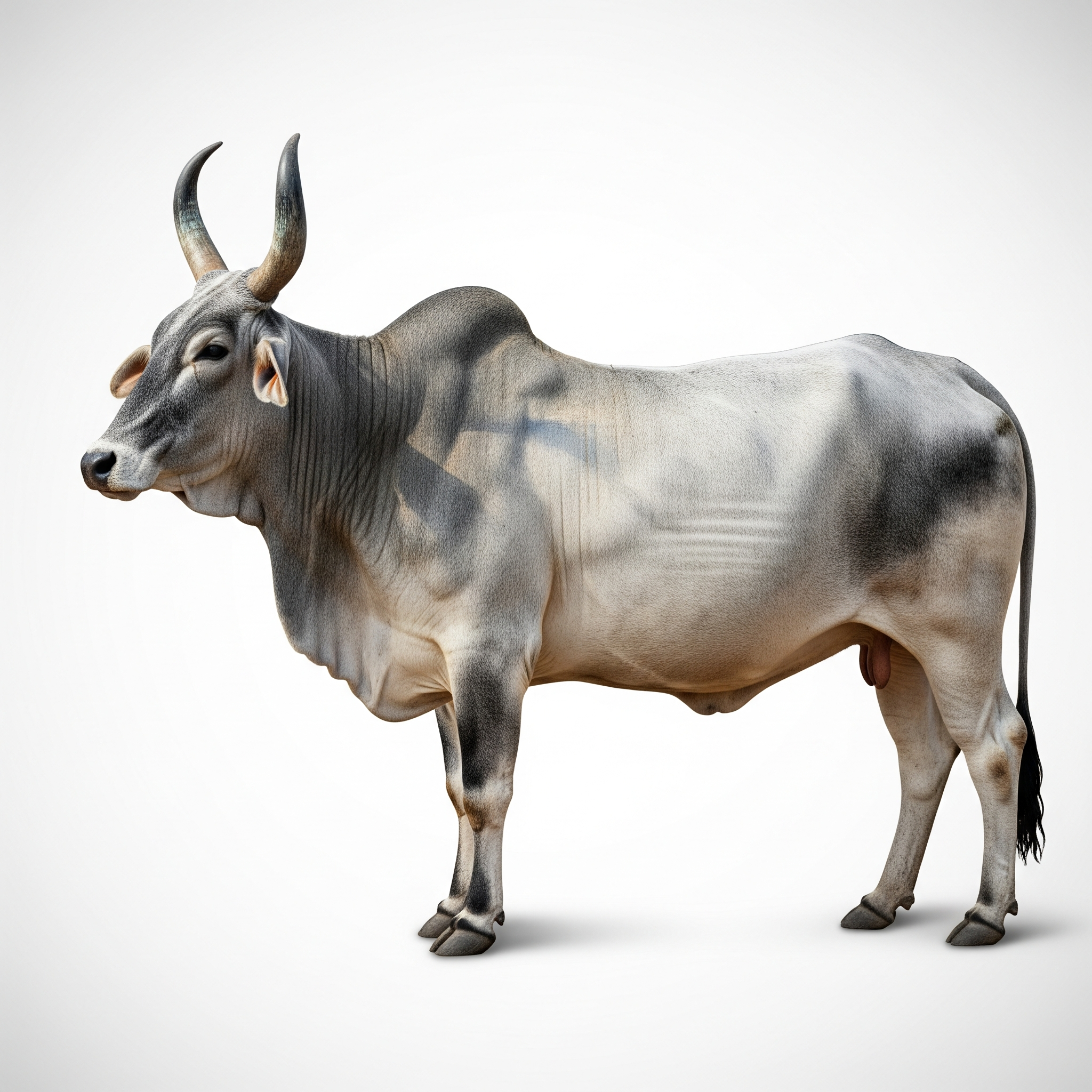
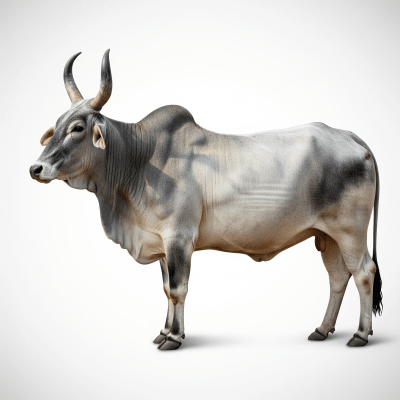
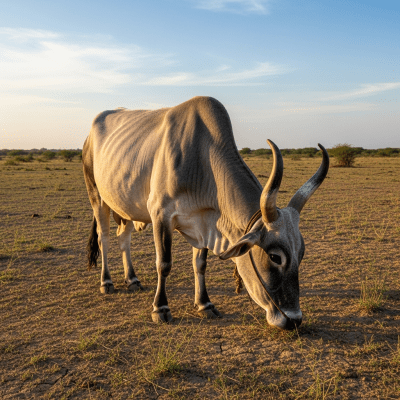
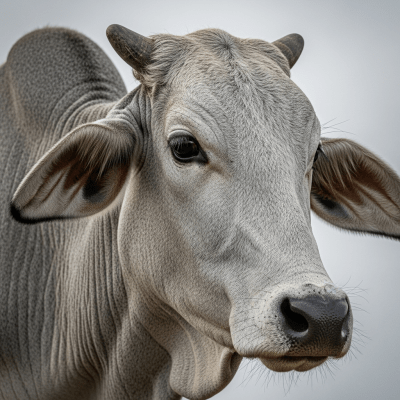
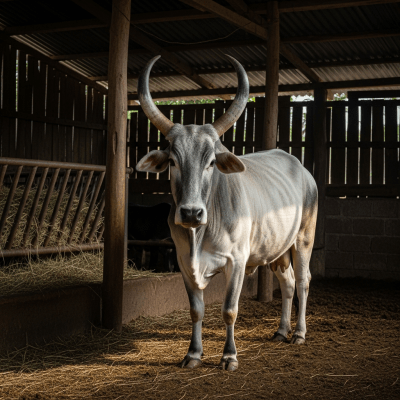
Kankrej cattle are large and robust, with mature bulls weighing up to 600 kg and cows around 325–350 kg. Their coat ranges from grey to silver, accented by darker shading on the forequarters and hindquarters. A hallmark feature is their elegant lyre-shaped horns, complementing their sturdy body type suited for endurance.
Renowned for their strength and stamina, Kankrej cattle serve primarily as draught animals in agriculture and transport. Alongside their labor role, they provide a respectable milk yield of 1,400 to 1,600 liters per lactation, supporting rural dairy needs. Their adaptability allows them to thrive on low-quality forage, making them invaluable in challenging environments.
Bring this kind into your world illustrated posters, mugs, and shirts.
Archival print, museum-grade paper
Buy Poster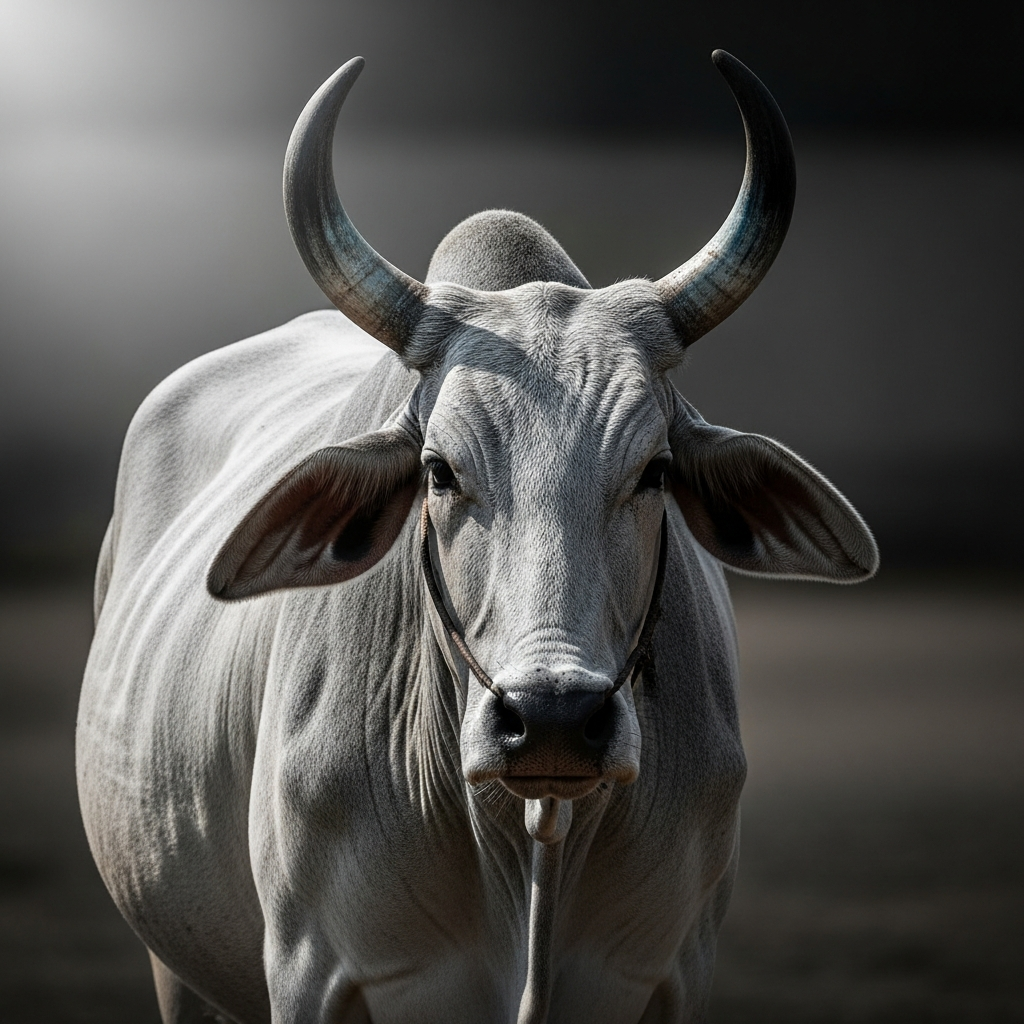
Stoneware mug, dishwasher safe
Buy Mug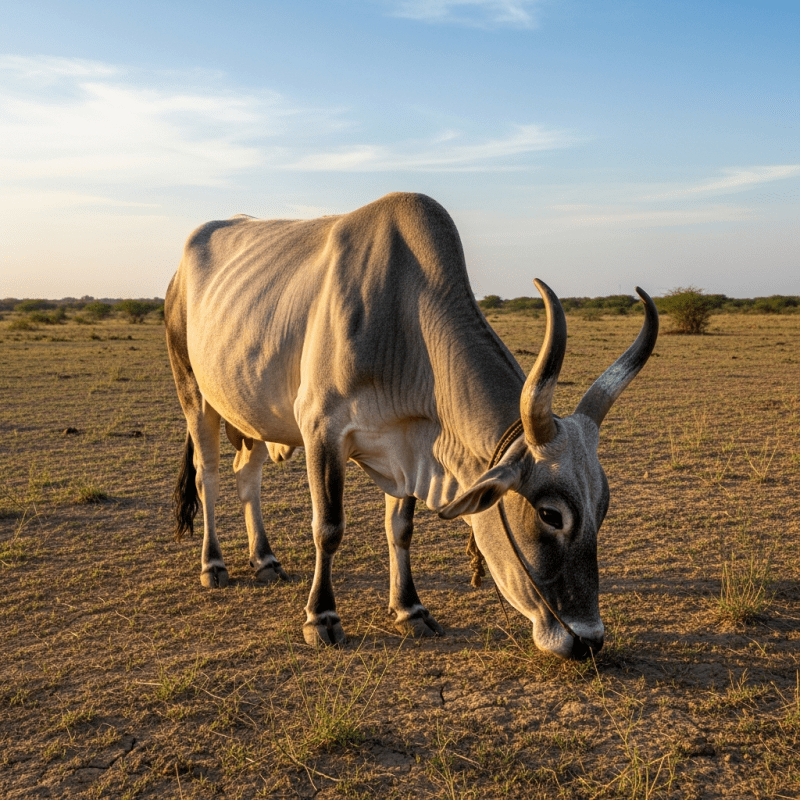
Soft cotton tee, unisex sizes
Buy ShirtEmbedded in the rural traditions of Gujarat and neighboring regions, Kankrej cattle hold cultural importance as symbols of agricultural vitality and resilience. Known locally by various names such as Bannai, Wagad, and Vadhiyar, they feature in regional folklore and contribute to the identity of pastoral communities.
The Kankrej breed encompasses regional variants known by names such as Bannai, Wagad, Vadhiyar, Talabda, and Nagar within Gujarat and Rajasthan. Internationally, it is sometimes referred to as Gujarat Grey. These variants share core traits but reflect localized breeding adaptations.
Kankrej milk is moderately rich and traditionally processed into dairy products like ghee and curd, valued in local diets. Although the breed produces beef, its consumption is limited and largely local due to cultural and legal restrictions in India, with no widespread commercial beef market.
Adapted to arid and semi-arid environments, Kankrej cattle contribute to sustainable agriculture by thriving on low-quality forage and requiring minimal intensive inputs. Their resilience reduces the need for resource-heavy management, supporting eco-friendly livestock practices in challenging climates.
Effective management of Kankrej cattle involves extensive grazing systems suited to arid regions, capitalizing on their hardiness and feed efficiency. Their natural resistance to heat and disease reduces veterinary demands, though regular health monitoring and adequate water supply remain essential for optimal productivity.