Anatolian Black
The Anatolian Black is a resilient native Turkish cattle breed known for its adaptability to harsh environments and multipurpose use in dairy, beef, and draught work.
The Anatolian Black is a resilient native Turkish cattle breed known for its adaptability to harsh environments and multipurpose use in dairy, beef, and draught work.
Originating from the Anatolia region of Turkey, the Anatolian Black has evolved over centuries as an indigenous landrace through local selection by Turkish farmers. Its lineage is primarily taurine (Bos taurus), shaped by natural adaptation rather than formal breeding programs.
Classified within the Bos taurus species, the Anatolian Black is a domestic cattle breed representing a traditional landrace rather than a formally registered breed. It fits within the taurine lineage, with no documented composite or hybrid ancestry.
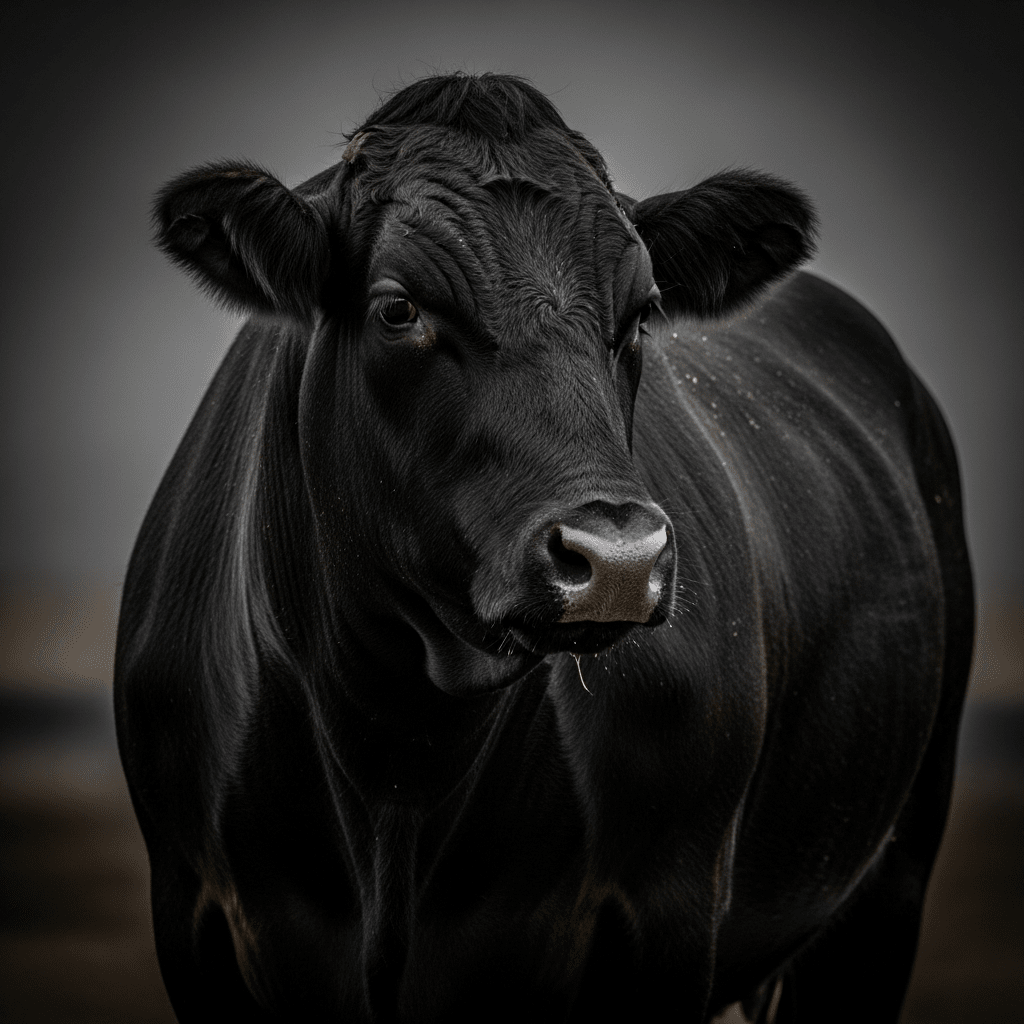
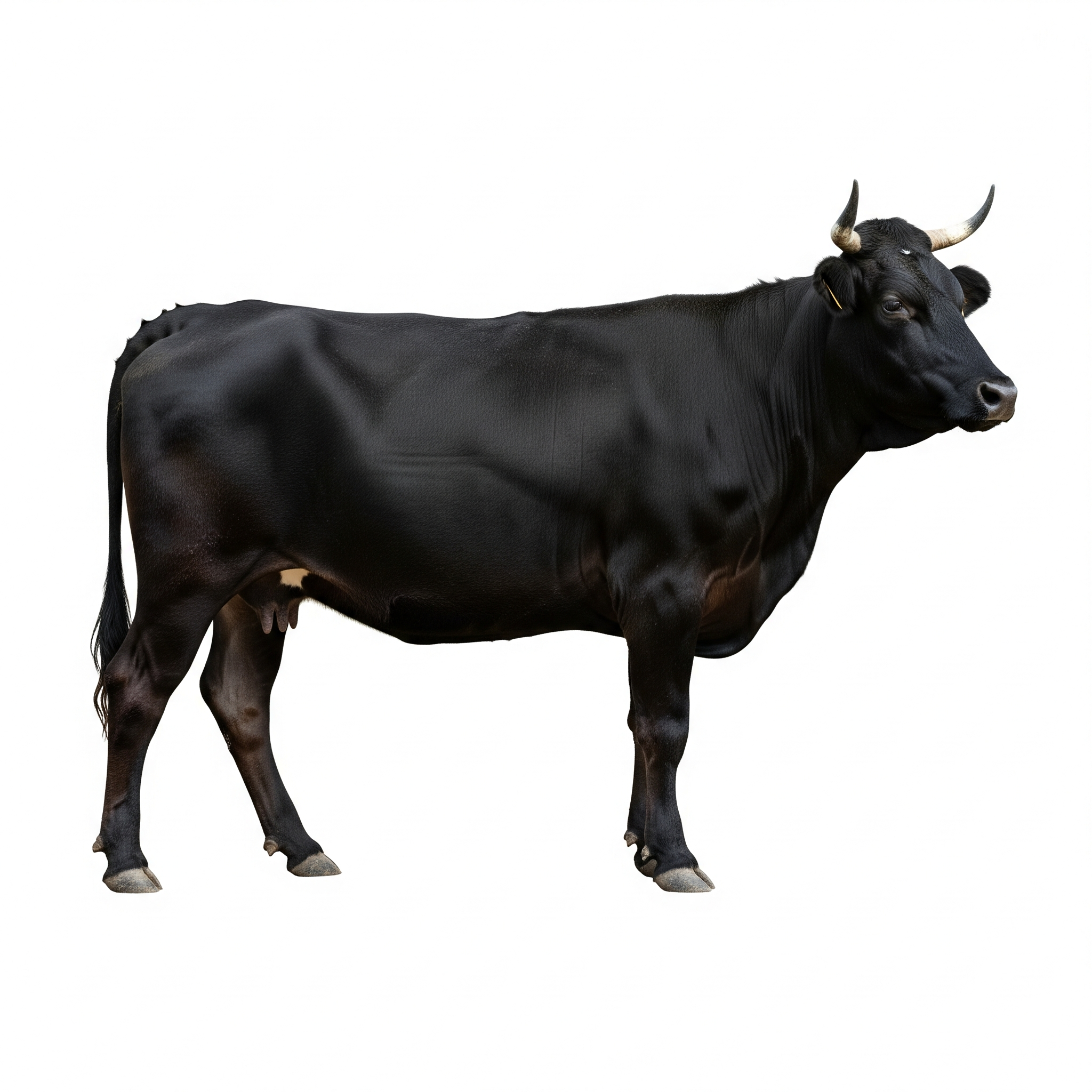
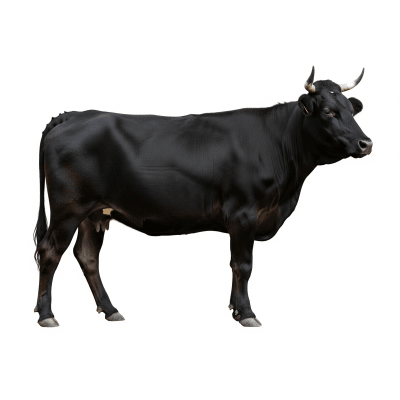
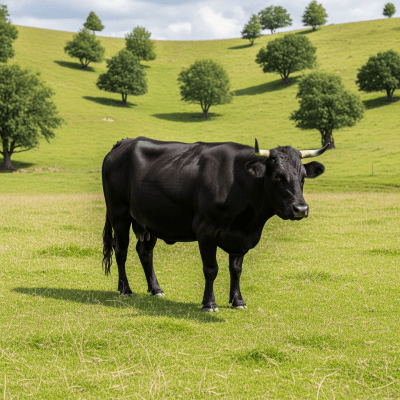
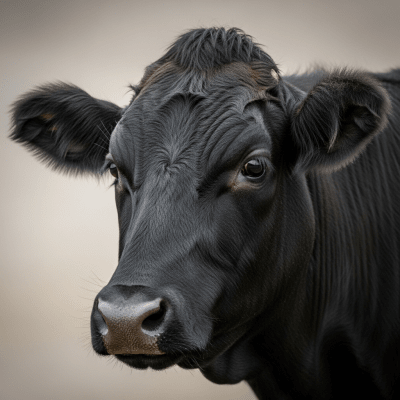
This small to medium-sized breed features a predominantly black coat, occasionally marked with brown or white patches. Anatolian Blacks have a compact body, strong legs, and sometimes a pronounced hump, adaptations that suit their mountainous native terrain.
Valued for its hardiness, the Anatolian Black thrives under extensive management with minimal inputs. It serves multiple roles—providing modest milk yields, local beef, and draught power in rural Anatolian agriculture—making it integral to smallholder livelihoods.
Bring this kind into your world illustrated posters, mugs, and shirts.
Archival print, museum-grade paper
Buy Poster
Stoneware mug, dishwasher safe
Buy Mug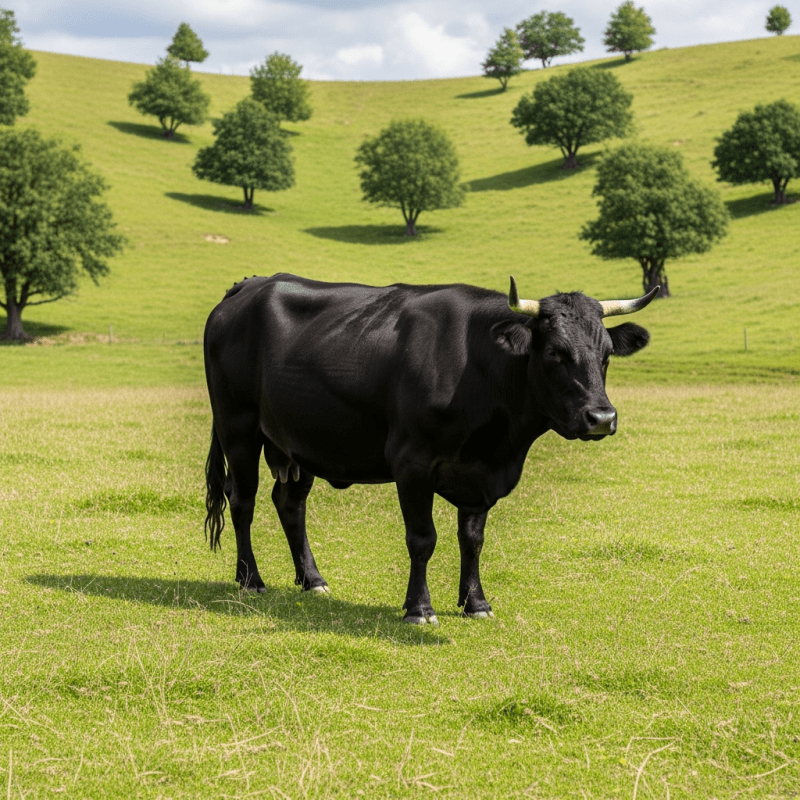
Soft cotton tee, unisex sizes
Buy ShirtDeeply embedded in Anatolian rural heritage, the Anatolian Black symbolizes traditional farming practices. Its milk is transformed into regional cheeses and yogurt, while its meat features in local culinary traditions, underscoring its cultural as well as economic importance.
While primarily recognized as a single indigenous landrace, regional variants of the Anatolian Black exist across Turkey, sometimes known by local names such as Anadolu Kara Sığırı or Turkish Black. These reflect minor adaptations to local environments rather than distinct breeds.
The Anatolian Black produces modest milk volumes, typically between 800 and 1,200 liters per year, which is traditionally processed into cheeses and yogurt. Its beef is valued locally for stews and grilled dishes, though carcass yields and growth rates are lower than commercial breeds.
Thanks to its adaptability and low input requirements, the Anatolian Black thrives in extensive systems with minimal environmental footprint. Its resilience reduces the need for intensive feeding or veterinary interventions, supporting sustainable rural livelihoods in challenging landscapes.
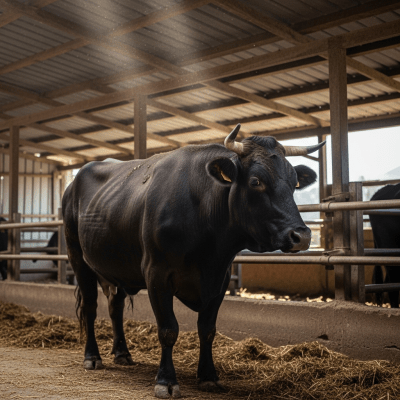
Best managed in extensive, low-input systems, Anatolian Black cattle require minimal specialized care. Their hardiness allows them to withstand poor nutrition and harsh climates, making them suitable for smallholder farmers relying on natural grazing and traditional husbandry practices.