Red Sindhi
The Red Sindhi is a distinguished South Asian dairy cattle breed known for its striking reddish coat and remarkable heat tolerance, thriving in tropical and subtropical climates.
The Red Sindhi is a distinguished South Asian dairy cattle breed known for its striking reddish coat and remarkable heat tolerance, thriving in tropical and subtropical climates.
Originating in the Sindh province of Pakistan, the Red Sindhi breed was formally recognized in the early 20th century. It was developed through selective breeding by local pastoralists and later institutionalized by regional agricultural authorities, maintaining a pure Bos indicus lineage.
Classified within the Bos indicus species, the Red Sindhi is a zebu-type cattle breed. It belongs to the indicine lineage, characterized by a prominent hump and adaptations suited for hot, tropical environments.
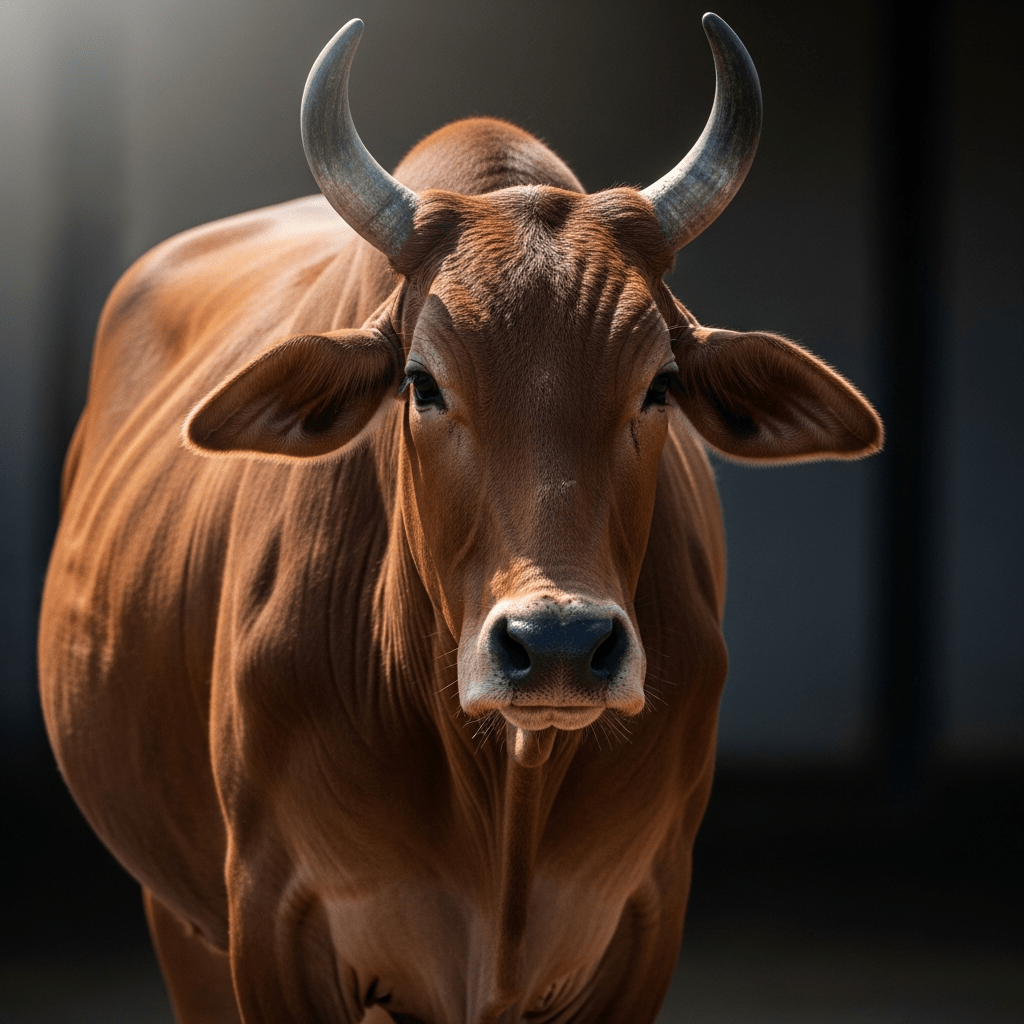
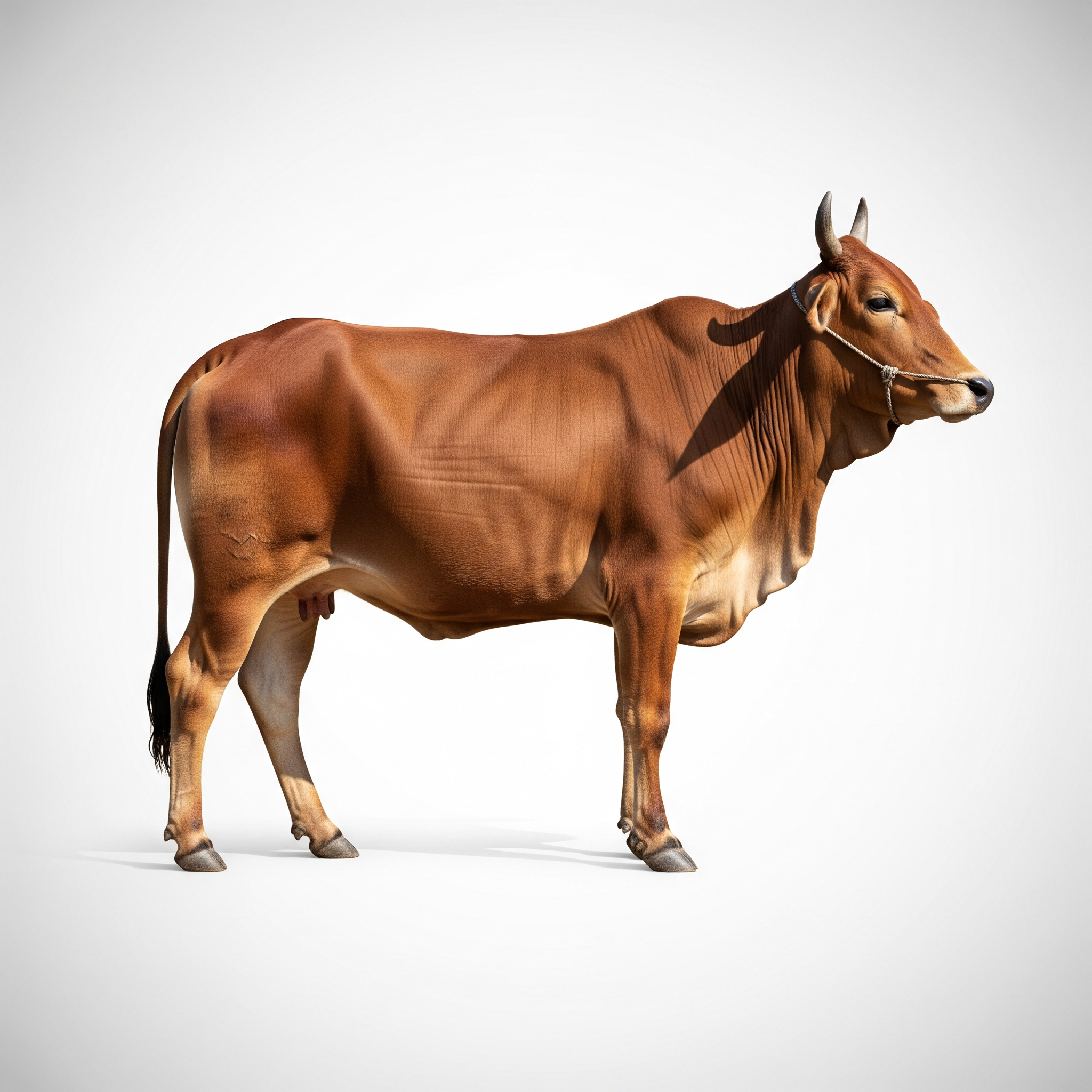
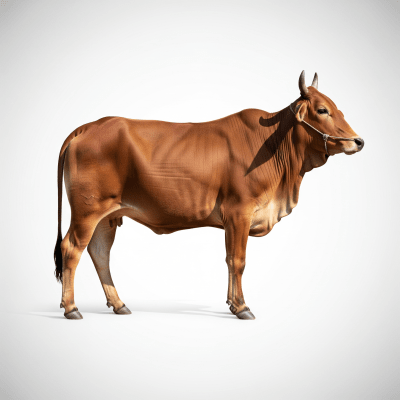
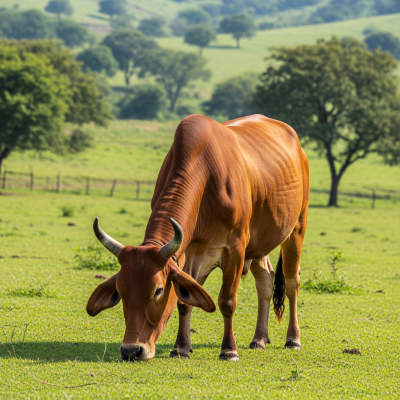
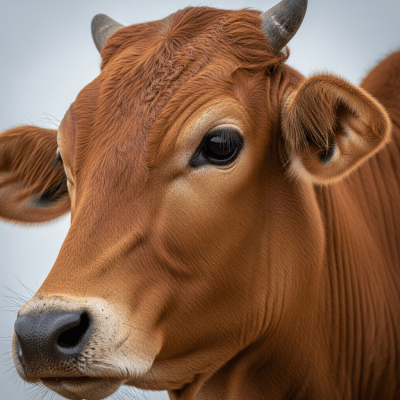
Red Sindhi cattle are medium-sized with mature weights ranging from 350 to 500 kilograms. They display a deep red to reddish-brown coat, short curved horns, and a prominent hump typical of zebu breeds, giving them a distinctive and robust appearance.
Primarily raised for dairy production, Red Sindhi cattle are valued for their consistent milk yield and resilience. They adapt well to extensive grazing and low-input systems, thriving on low-quality forage while showing strong resistance to tropical diseases, especially tick-borne illnesses. Though mainly dairy-focused, they are occasionally used for beef.
Bring this kind into your world illustrated posters, mugs, and shirts.
Archival print, museum-grade paper
Buy Poster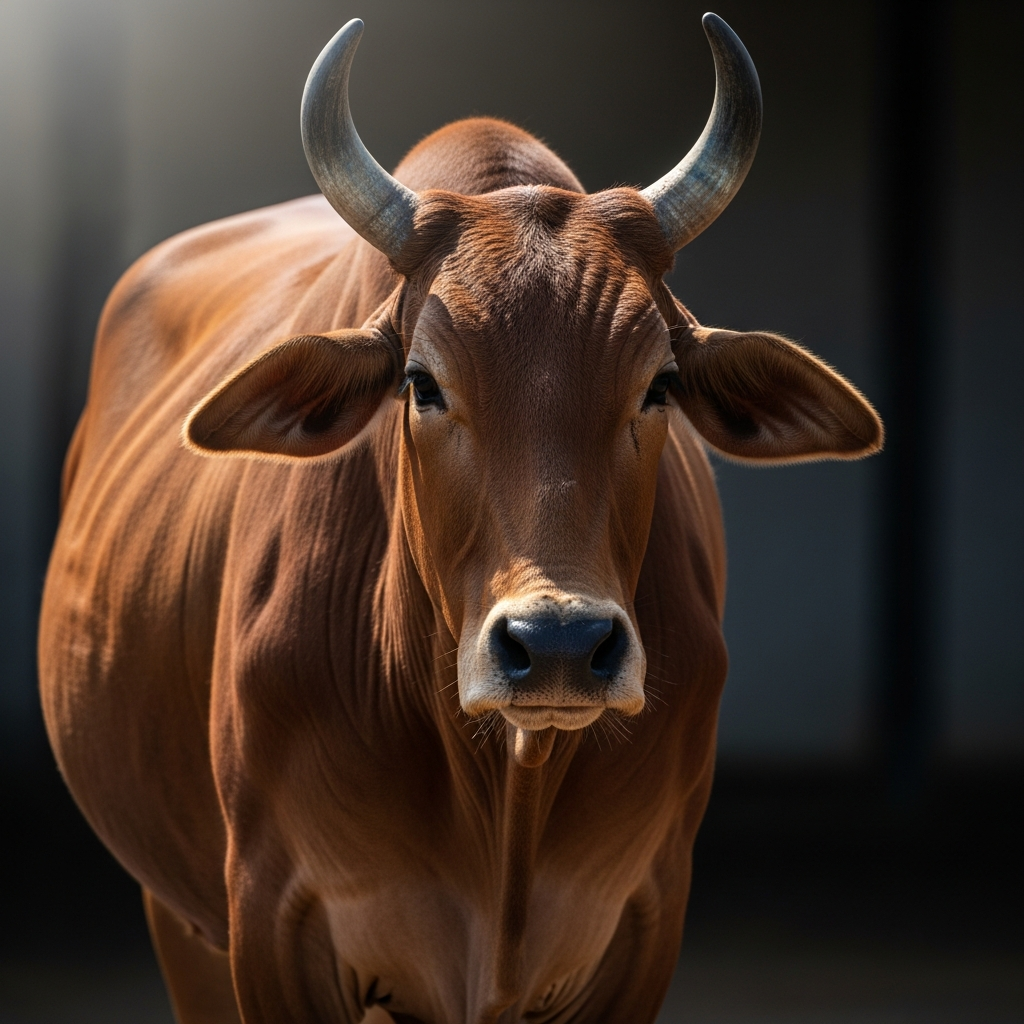
Stoneware mug, dishwasher safe
Buy Mug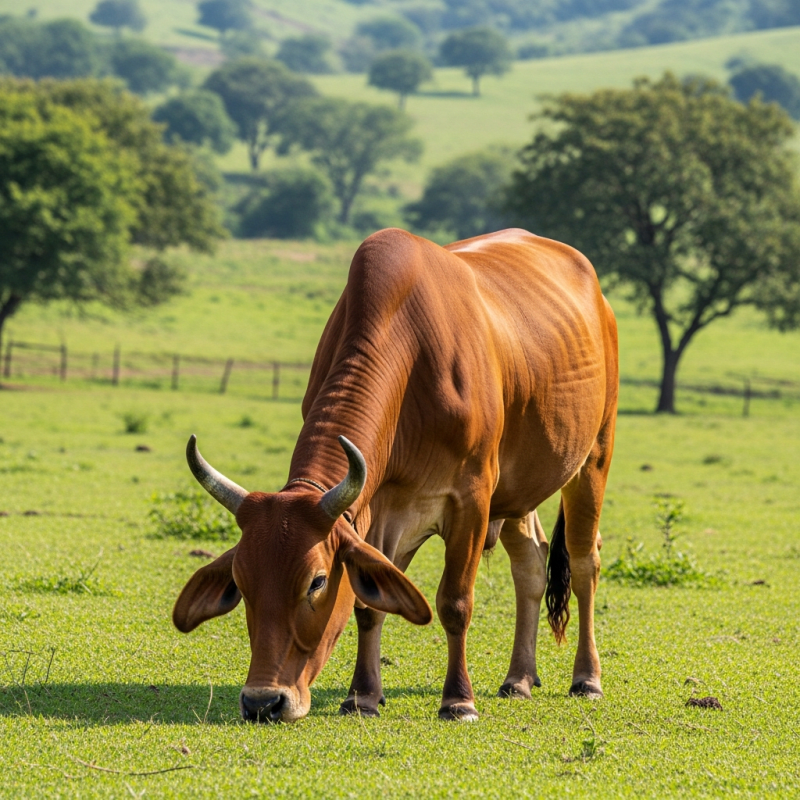
Soft cotton tee, unisex sizes
Buy ShirtThe Red Sindhi holds cultural importance in South Asia, especially within Pakistan and India, where it supports smallholder dairy farmers and contributes to traditional dairy products like yogurt, ghee, and paneer. Its presence reflects the agricultural heritage and pastoral practices of the Sindh region.
The Red Sindhi is recognized as a distinct breed with no widely documented regional variants or strains. It is formally registered under regional breed registries in Pakistan and India, maintaining a pure Bos indicus pedigree without known composites or hybrids.
Red Sindhi cattle produce moderate quantities of milk, typically between 1,500 and 2,000 liters per lactation, with a butterfat content suited for processing into fresh dairy products such as yogurt, ghee, and paneer. While primarily a dairy breed, their beef is considered secondary and less emphasized in quality compared to specialized beef breeds.
Adapted to extensive grazing on low-quality forage, Red Sindhi cattle are well-suited to sustainable low-input farming systems in hot climates. Their disease resistance reduces the need for chemical treatments, and their efficient adaptation to harsh environments helps minimize resource consumption compared to less hardy breeds.
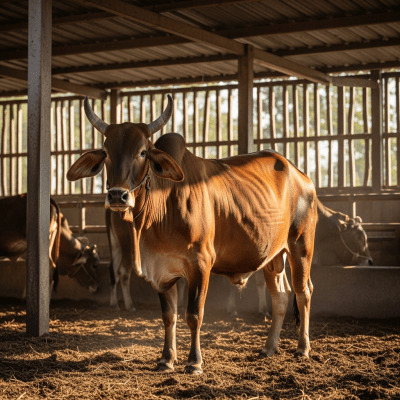
Red Sindhi cattle require minimal husbandry intervention due to their adaptability and resilience. They thrive under extensive grazing conditions and tolerate heat and tropical diseases well. Best practices include providing adequate shade and water, maintaining pasture quality, and monitoring for common tropical ailments to ensure longevity and productivity.