Brahman
The Brahman is a distinctive breed of domestic cattle renowned for its exceptional heat tolerance, disease resistance, and adaptability to tropical climates, primarily raised for beef production and draught purposes.
The Brahman is a distinctive breed of domestic cattle renowned for its exceptional heat tolerance, disease resistance, and adaptability to tropical climates, primarily raised for beef production and draught purposes.
Developed in the United States during the late 19th and early 20th centuries, the Brahman breed emerged from crossbreeding several Indian zebu cattle breeds such as Gir, Guzerat, Nelore, and Krishna Valley. These breeds were imported between 1854 and the early 1900s, culminating in the formal recognition of the Brahman with the establishment of the American Brahman Breeders Association in 1924.
Brahman cattle belong to the species Bos taurus indicus, a subspecies of domestic cattle characterized by their indicine (zebu) genetic lineage. They are classified as a domestic breed within the broader family Bovidae and subfamily Bovinae, distinguished by their tropical adaptations and often used as foundation stock for composite breeds.
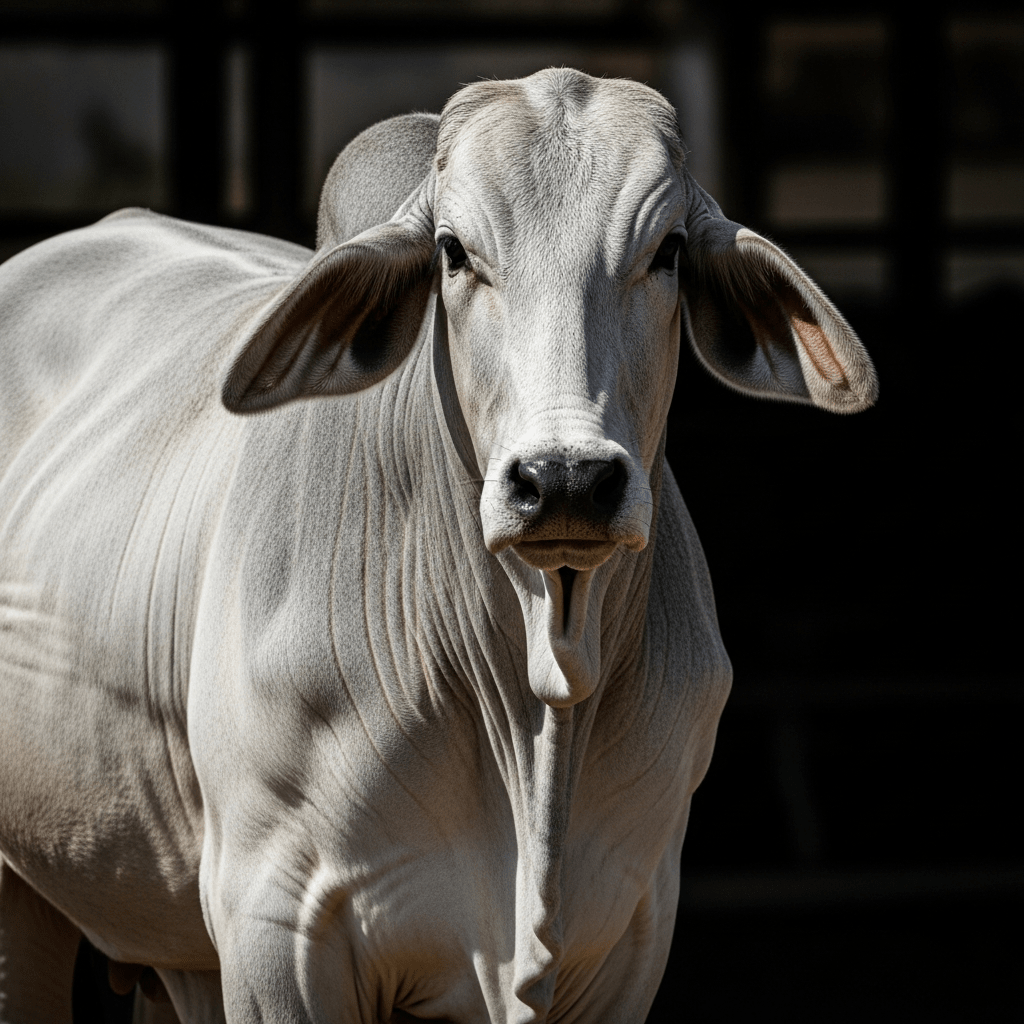
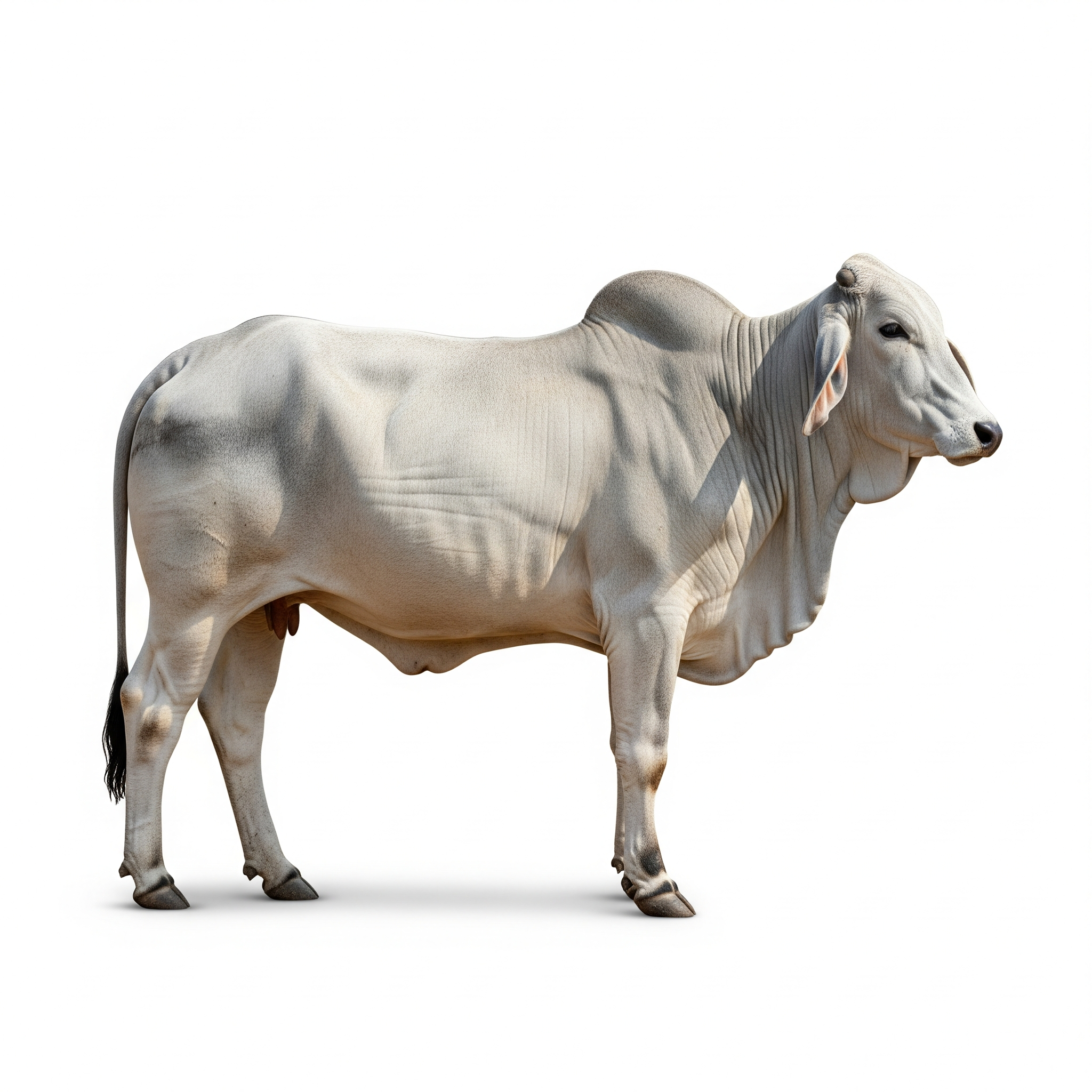
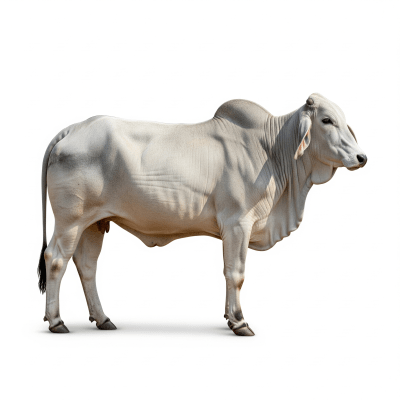
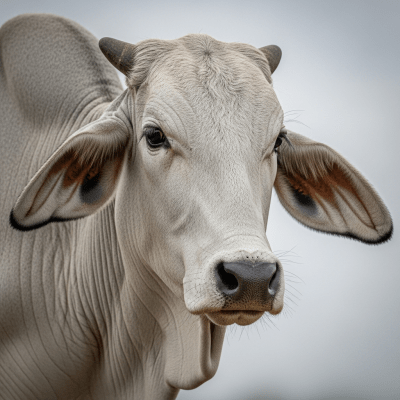
Brahmans are medium to large cattle, weighing between 500 and 1,100 kilograms. They feature a prominent hump over their shoulders, loose skin, and large drooping ears. Their short, glossy coat varies in color from light gray to red or black, giving them a striking and recognizable appearance.
Valued primarily for beef production, Brahmans thrive in hot, humid environments thanks to their high resistance to heat, parasites, and tropical diseases. They exhibit moderate growth rates and are known for their hardiness and longevity, often remaining productive for 15 years or more. Beyond beef, they are also used for draught work and serve ceremonial roles in some cultures.
Bring this kind into your world illustrated posters, mugs, and shirts.
Archival print, museum-grade paper
Buy Poster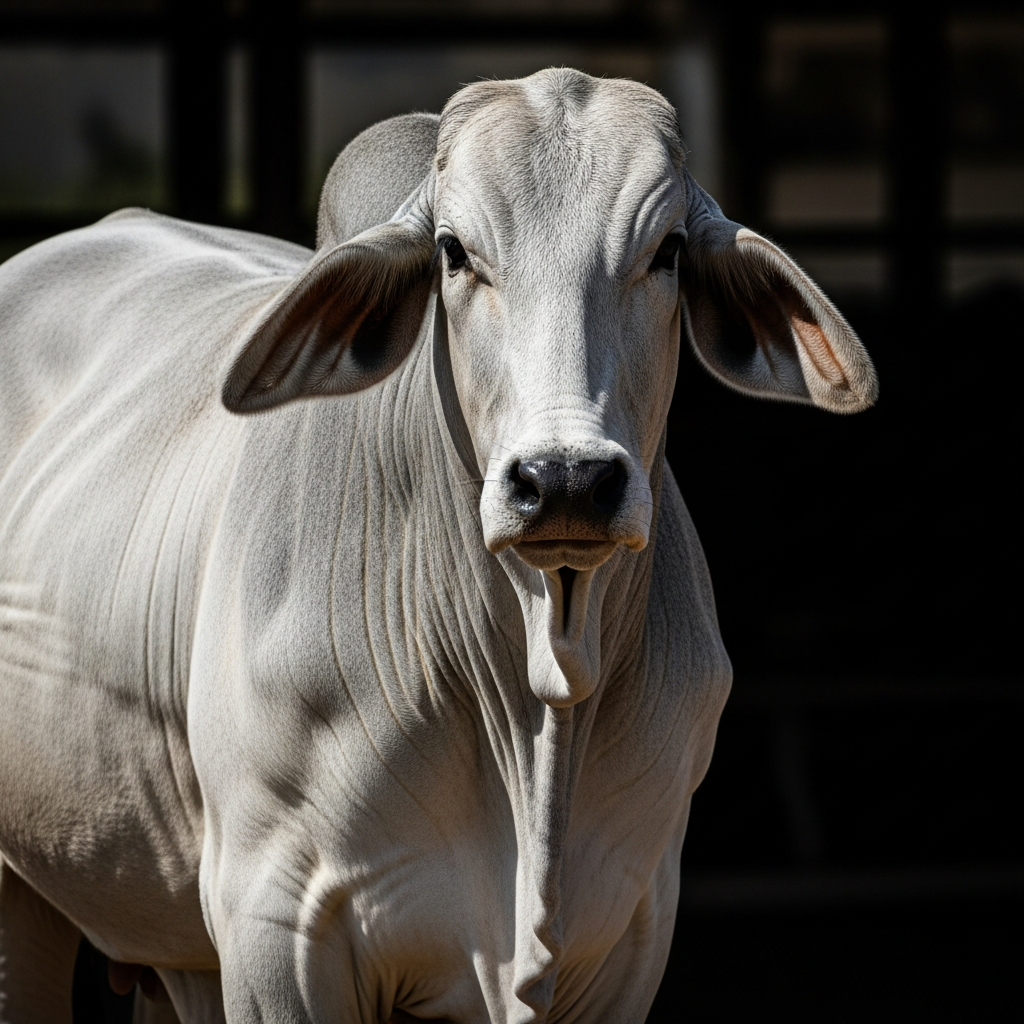
Stoneware mug, dishwasher safe
Buy Mug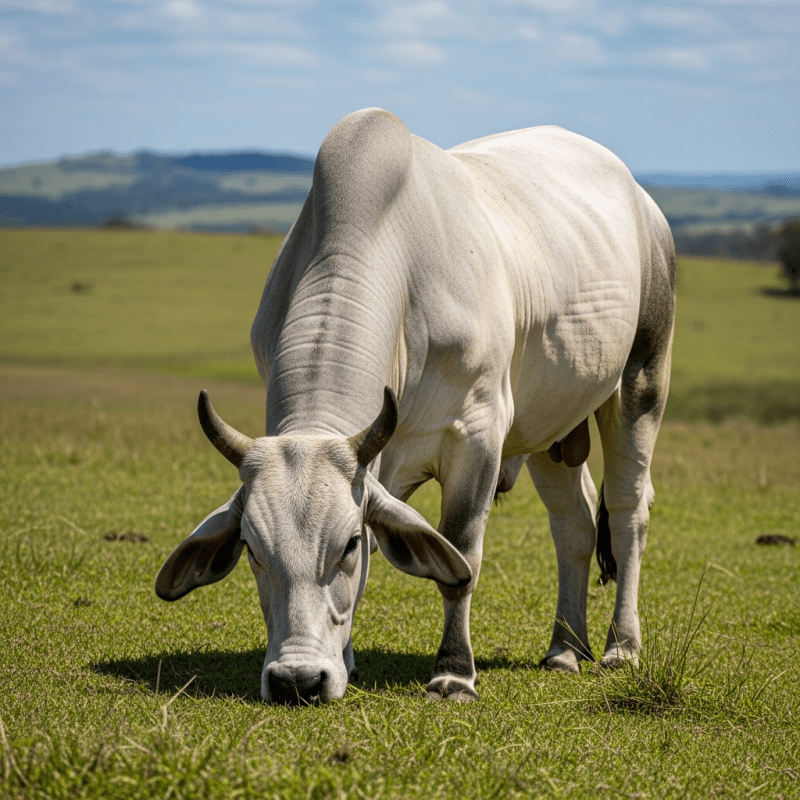
Soft cotton tee, unisex sizes
Buy ShirtIn addition to their agricultural importance, Brahman cattle hold cultural significance in regions where they are raised, often appearing in local ceremonies and traditional practices. Their adaptability and resilience have made them a symbol of endurance in tropical farming communities worldwide.
Regional variants of the Brahman exist in countries like Australia, Brazil, and South Africa, often with local registry distinctions. The breed also serves as a genetic foundation for composite breeds such as Brangus (Brahman × Angus), Beefmaster, and Santa Gertrudis, which combine Brahman hardiness with traits from taurine cattle.

Brahman cows produce moderate milk yields of 1,000 to 2,000 kilograms per lactation, though they are not primarily dairy cattle. Their beef is lean with moderate marbling, prized for its quality in tropical markets and often processed for both local consumption and export. The meat tends to be leaner than that of European beef breeds but remains flavorful and nutritious.
Brahman cattle's adaptability to harsh tropical environments reduces the need for intensive management and veterinary interventions, which can lessen environmental strain. Their resistance to heat and parasites allows for sustainable grazing in regions where other breeds might require more resources. However, like all cattle, they contribute to greenhouse gas emissions and require responsible pasture management to minimize ecological impacts.
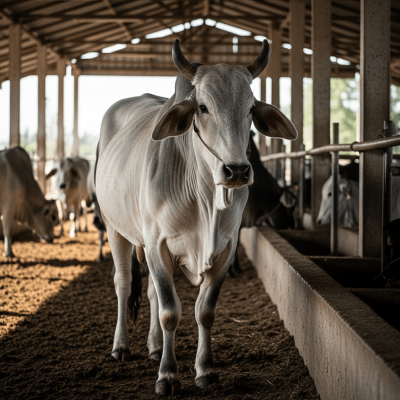
Effective management of Brahman cattle involves leveraging their natural heat tolerance and parasite resistance by providing adequate shade and water in hot climates. Their hardiness allows for extensive grazing systems with less intensive feed supplementation. Regular health monitoring is essential, though they generally require fewer treatments for tropical diseases. Their docile yet sometimes excitable temperament benefits from calm handling practices to ensure safety and productivity.