Highland
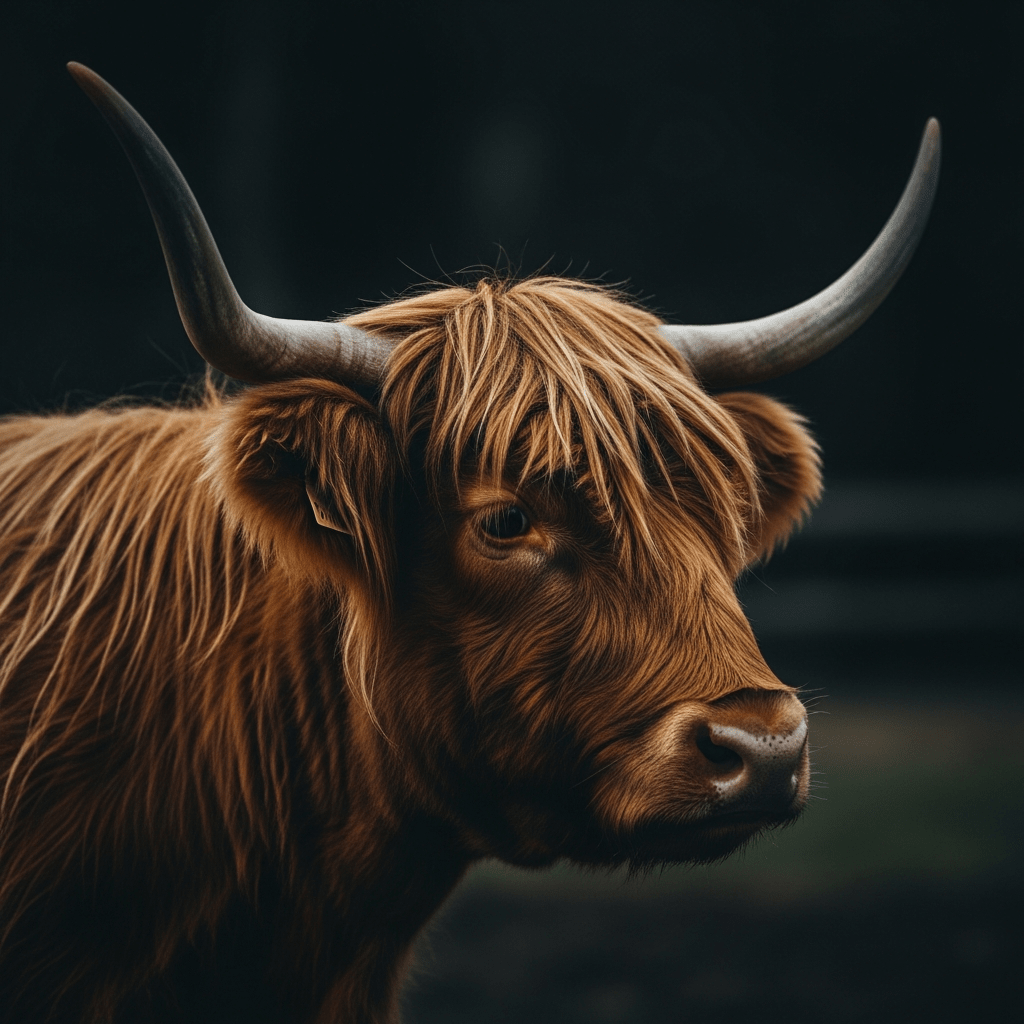
The Highland is a distinctive long-haired cattle breed from Scotland, celebrated for its resilience in harsh climates and prized primarily for its high-quality beef.
The Highland is a distinctive long-haired cattle breed from Scotland, celebrated for its resilience in harsh climates and prized primarily for its high-quality beef.
Originating in the Scottish Highlands and Western Isles, the Highland breed evolved from ancient cattle kept by Scottish clans. It has remained a purebred taurine lineage with formal records dating back to the establishment of the Highland Cattle Society in 1884.
Highland cattle belong to the species Bos taurus and are classified as a purebred taurine breed. They are part of the broader domestic cattle group known for beef production and adaptability to rugged environments.
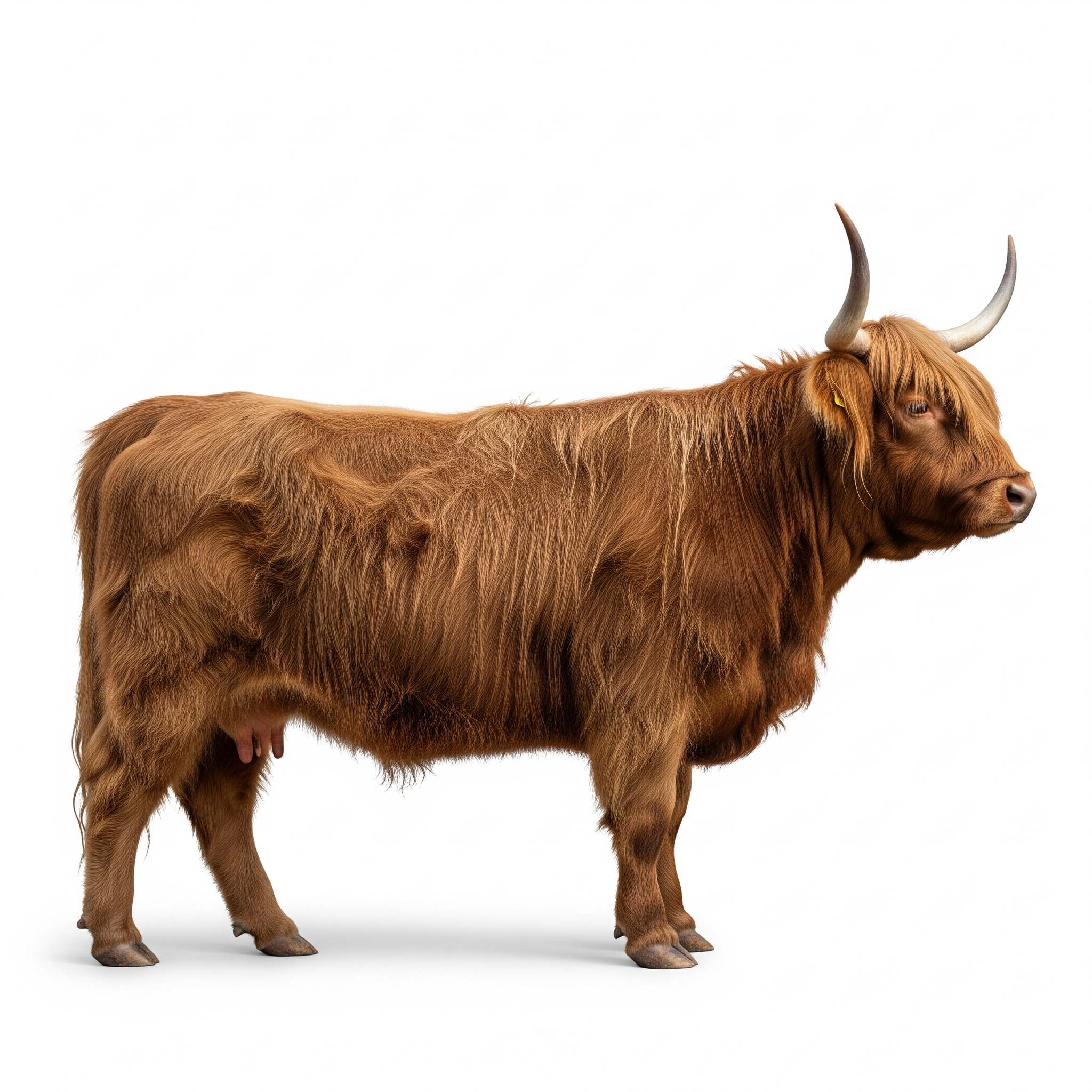
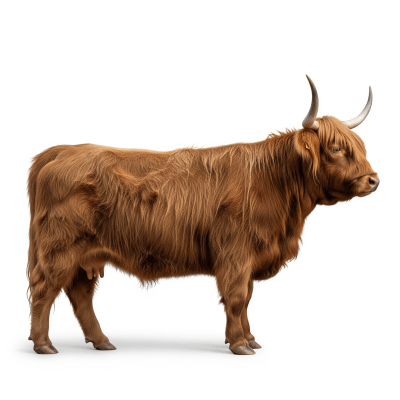
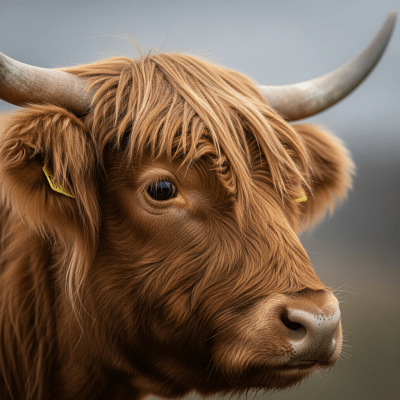
Highlands are medium-sized cattle with mature weights ranging from 500 to 1000 kilograms. They feature long, shaggy coats in colors such as red, black, yellow, dun, and white, providing excellent insulation. Their long, curved horns sweep outward and upward in cows, complementing their sturdy, rugged build.
Known for a docile temperament and strong maternal instincts, Highland cattle are slow-growing but well-suited to extensive grazing on marginal land. They require minimal shelter and supplemental feeding, making them ideal for harsh climates. Their primary use is beef production, with occasional roles in conservation grazing and landscape management.
Bring this kind into your world illustrated posters, mugs, and shirts.
Archival print, museum-grade paper
Buy Poster
Stoneware mug, dishwasher safe
Buy Mug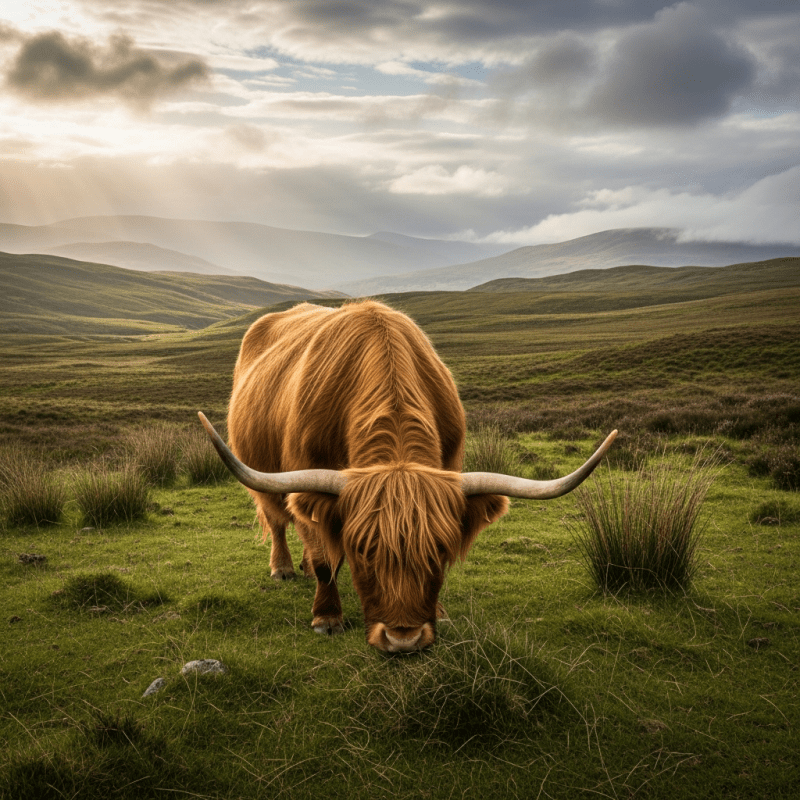
Soft cotton tee, unisex sizes
Buy ShirtHighland cattle hold a cherished place in Scottish heritage, often featured in cultural events and tourism as symbols of the rugged Highlands. Their iconic appearance and historical ties to Scottish clans contribute to their enduring cultural appeal.
The Highland breed is recognized under the Highland Cattle Society with regional coat color variations including red, black, yellow, dun, and white. Despite these color differences, all variants are registered within the same breed standard, maintaining a consistent genetic lineage.
Highland cattle produce beef that is tender, flavorful, and low in fat, often sought after in niche markets. Their milk production is minimal and not commercially exploited, focusing instead on beef quality and marbling that appeals to discerning consumers.
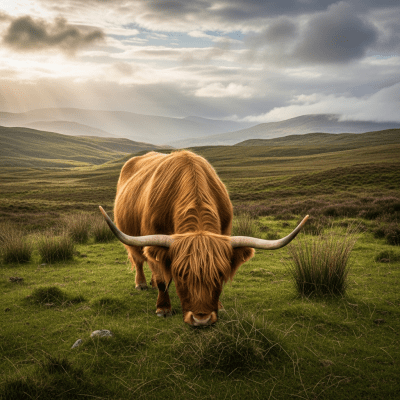
Thanks to their adaptability, Highland cattle thrive on marginal lands with minimal supplemental feeding, supporting sustainable grazing practices. Their use in conservation grazing helps maintain natural landscapes, although like all cattle, their environmental footprint requires mindful management.
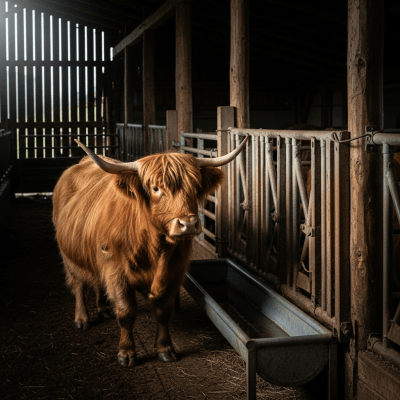
Highland cattle require minimal shelter due to their dense coats and natural hardiness. They are best managed in extensive grazing systems on rough terrain and marginal pastures. Their docile nature and disease resistance simplify care, though slow growth rates mean longer periods to reach market weight.