Gir
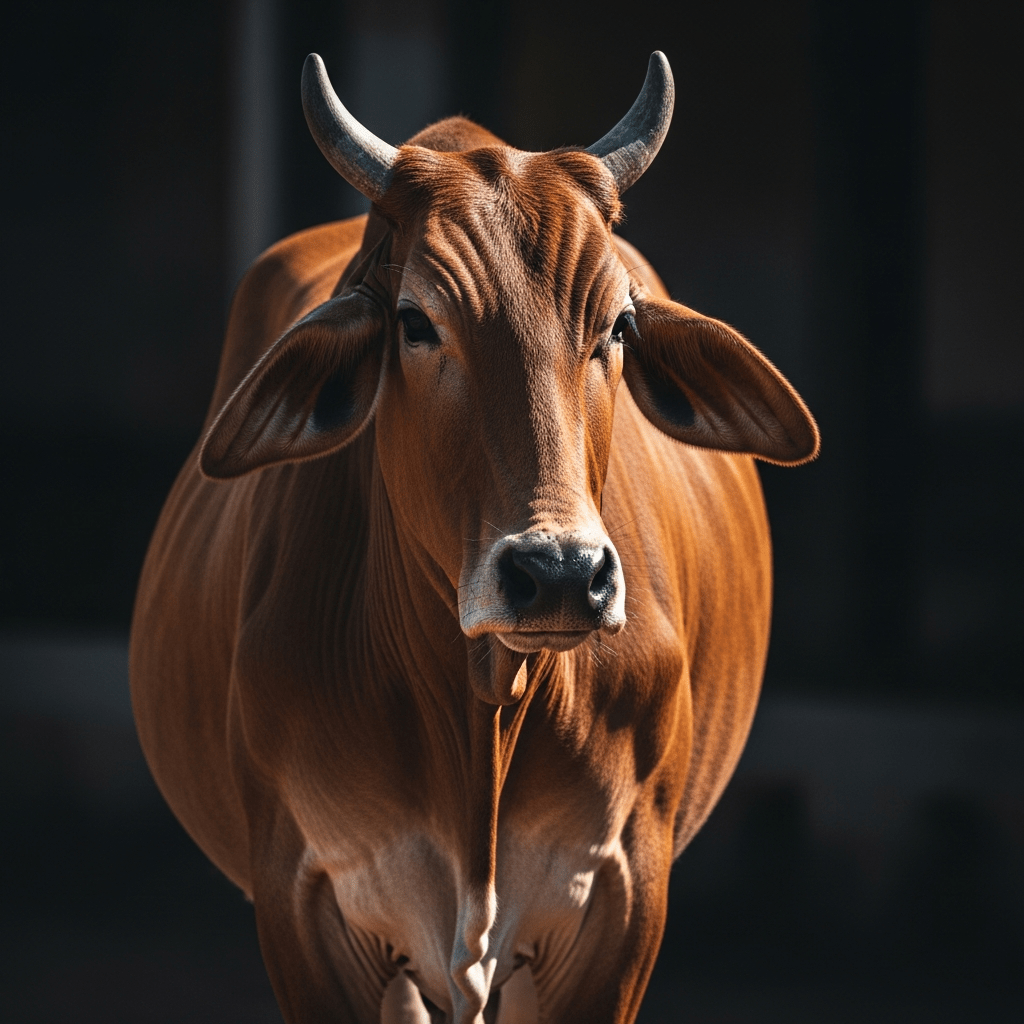
The Gir is a distinguished Indian zebu cattle breed known for its unique convex forehead, long pendulous ears, and exceptional dairy production in tropical climates.
The Gir is a distinguished Indian zebu cattle breed known for its unique convex forehead, long pendulous ears, and exceptional dairy production in tropical climates.
Originating from the Gir forest region of Gujarat, India, the Gir breed was developed by local pastoralist communities, especially the Maldharis, with historical roots tracing back to the 19th century. It evolved as a stabilized zebu lineage without formal crossbreeding and has since contributed genetically to composite breeds like Brazil’s Girolando.
Classified within the Bos indicus species, Gir cattle are part of the broader zebu group characterized by a hump and tropical adaptations. They belong to the domestic cattle family, distinguished from taurine cattle by their heat tolerance and disease resistance, and serve as a foundational breed for tropical dairy genetics.
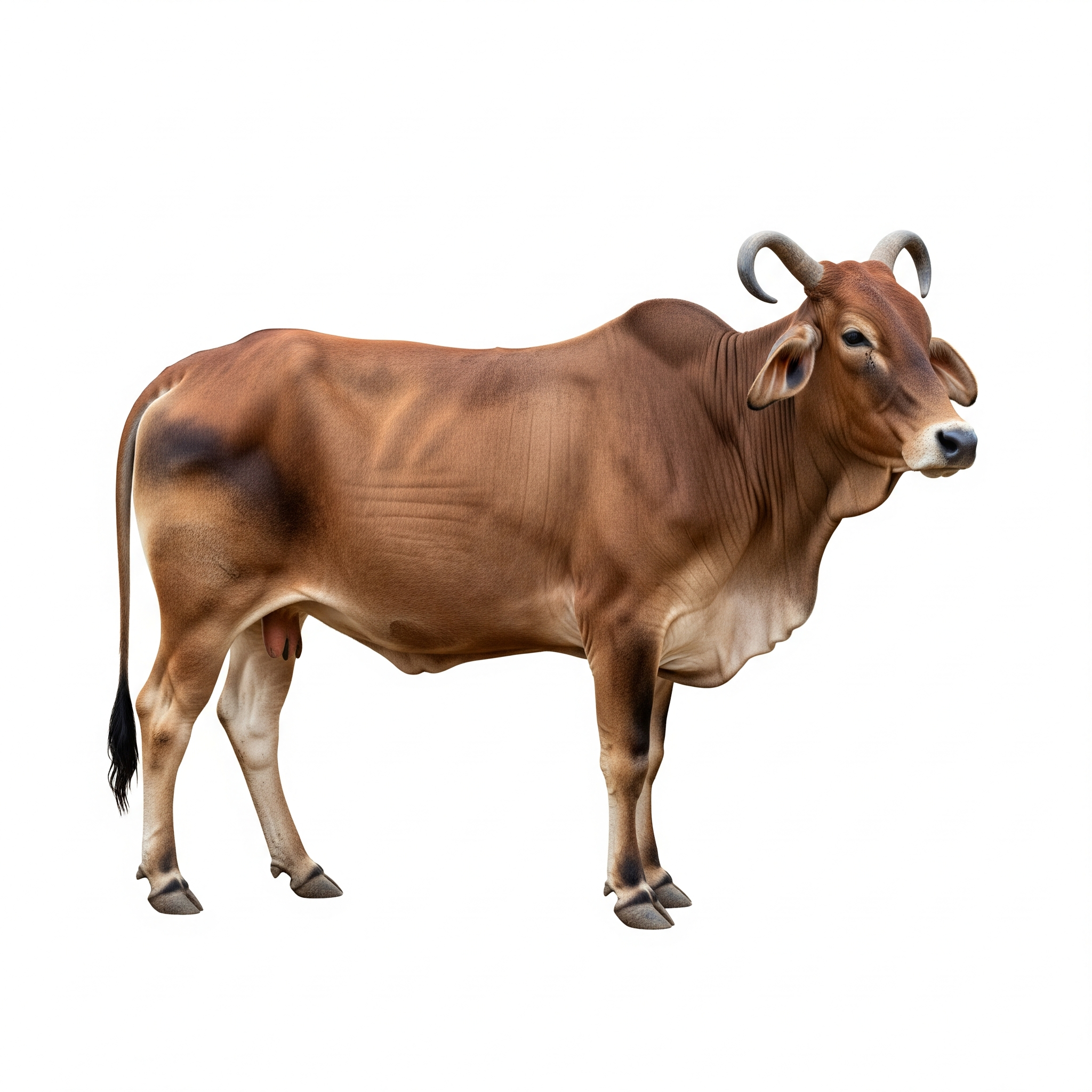
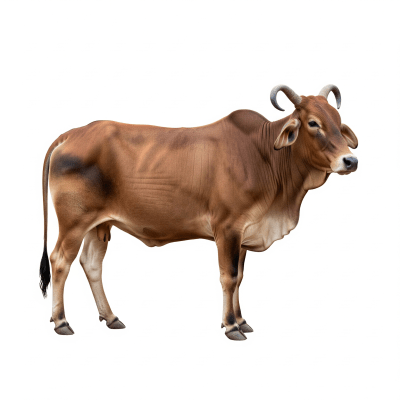
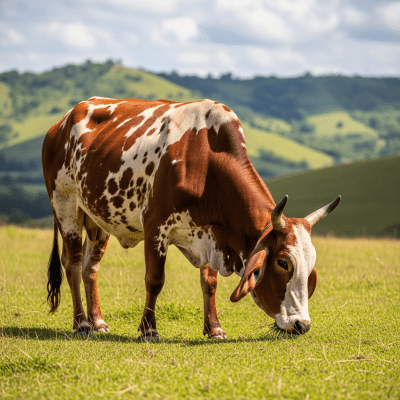
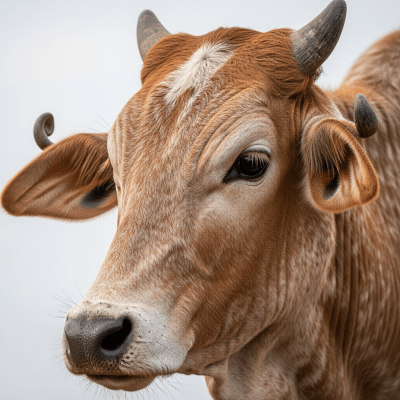
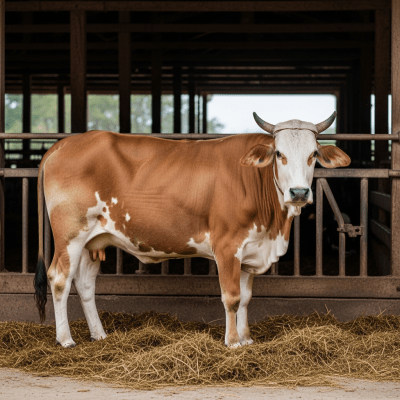
Gir cattle are medium to large-sized, weighing between 385 and 800 kilograms. They feature a distinctive domed (convex) forehead and long, pendulous ears. Their coat varies from red to speckled patterns, ranging from white to yellowish-red, giving them a striking and recognizable appearance.
Primarily raised for dairy production, Gir cattle excel in tropical environments due to their heat tolerance and resistance to local diseases. While they mature slowly, they have a long productive lifespan and are also employed as draught animals in their native regions, demonstrating versatility in agricultural roles.
Bring this kind into your world illustrated posters, mugs, and shirts.
Archival print, museum-grade paper
Buy Poster
Stoneware mug, dishwasher safe
Buy Mug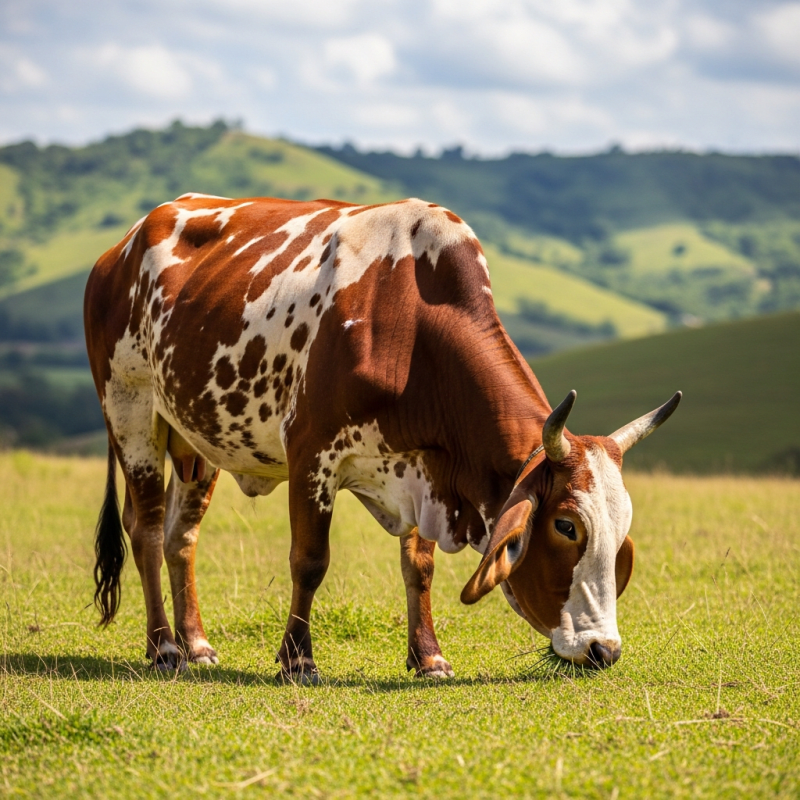
Soft cotton tee, unisex sizes
Buy ShirtIn western India, the Gir breed holds cultural importance, often associated with religious and ceremonial practices. Its prominence in local pastoralist traditions and its revered status in the region underscore its role beyond agriculture, symbolizing heritage and identity.
While Gir itself is a distinct breed, it has influenced several composite breeds, most notably the Girolando in Brazil, which combines Gir and Holstein genetics to enhance tropical dairy production. Regional naming variations include 'Gyr' and 'Surti,' though the latter may overlap with other breeds.
Gir cattle produce milk that is highly valued for its rich butterfat content, ranging from 4.5% to 5.0%, making it especially suitable for traditional Indian dairy products like ghee and paneer. While primarily a dairy breed, their meat is less emphasized but contributes to local consumption.
Adapted to tropical environments, Gir cattle exhibit efficient heat tolerance and disease resistance, reducing the need for intensive veterinary interventions. Their slow maturation and longevity support sustainable herd management, though like all cattle, they contribute to greenhouse gas emissions and require responsible grazing practices.
Effective management of Gir cattle involves providing adequate shade and water to support their heat tolerance, alongside routine health monitoring to leverage their disease resistance. Their slow growth rate necessitates patient breeding strategies, while their dual use for dairy and draught demands balanced nutrition and workload management.