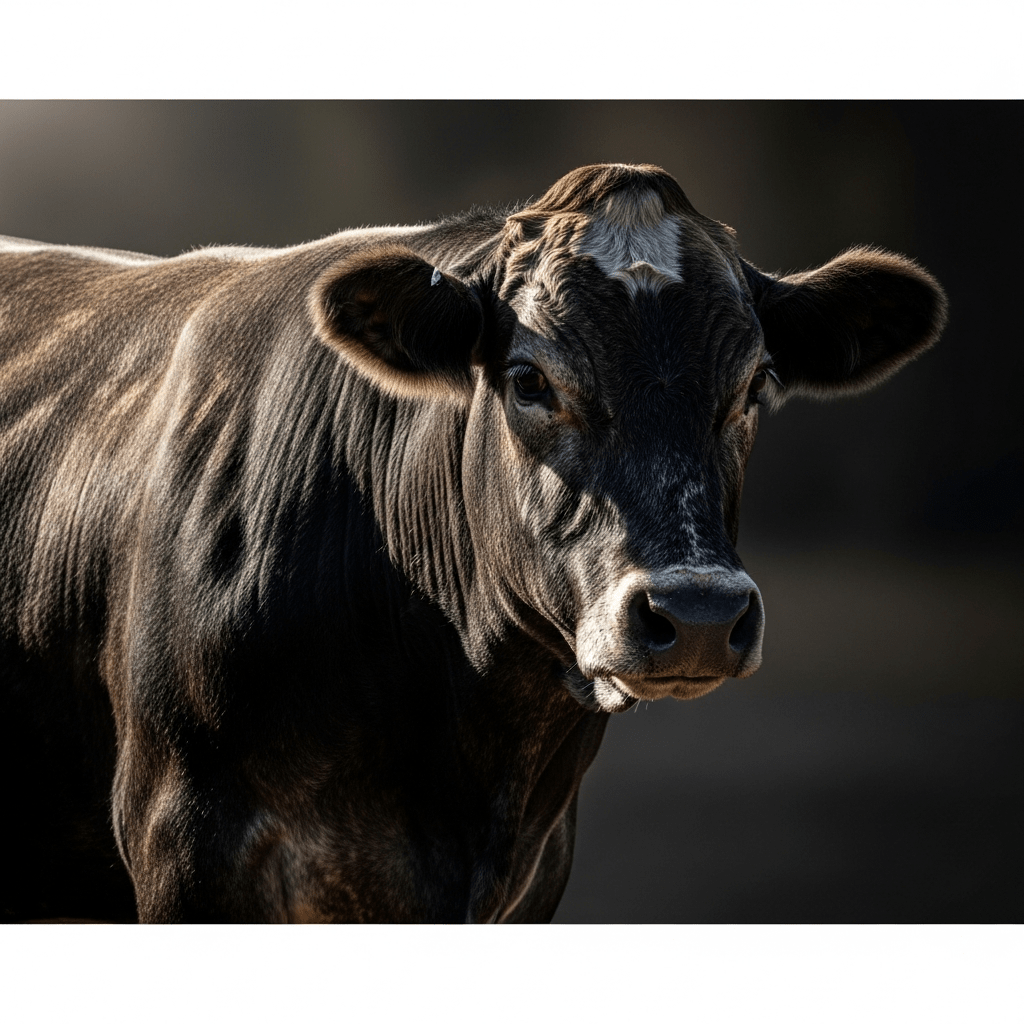
Stabilizer
The Stabilizer is a composite beef cattle breed developed to combine superior growth, fertility, and carcass quality into a high-performance, low-maintenance animal.
The Stabilizer is a composite beef cattle breed developed to combine superior growth, fertility, and carcass quality into a high-performance, low-maintenance animal.
Originating in the United States in the late 20th century, the Stabilizer was created by the Leachman Cattle Company through deliberate crossbreeding of Red Angus, Hereford, Simmental, and Gelbvieh breeds. This blend was designed to merge the maternal strengths of British breeds with the growth and carcass traits of Continental cattle, and the breed has since expanded into the United Kingdom and other regions.
Classified as a composite beef breed, the Stabilizer represents a hybrid lineage combining taurine British and Continental cattle genetics. It is recognized in some national registries and maintained through structured crossbreeding programs, reflecting its status as a modern, commercially bred composite rather than a traditional pure breed.
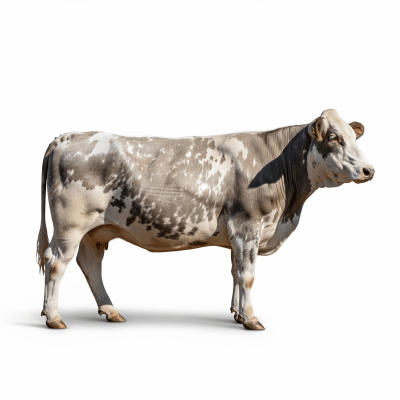
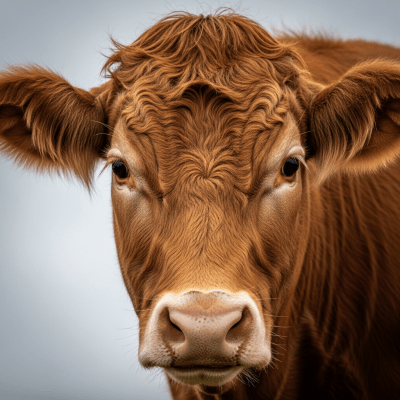
Stabilizer cattle are medium to large in size, with mature weights ranging from approximately 550 to 1,000 kilograms. They typically exhibit a solid red or reddish-brown coat and predominantly possess polled (hornless) genetics, presenting a robust and uniform appearance suited to beef production.
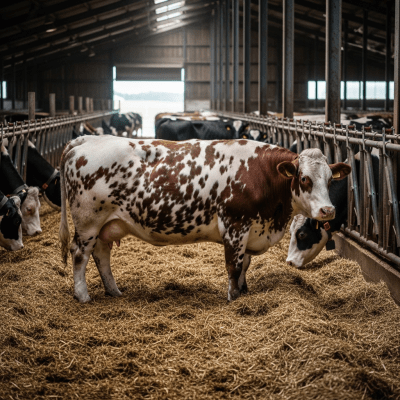
Primarily raised for beef production, Stabilizers are valued for their rapid growth, high feed efficiency, and fertility. They adapt well to diverse production systems, from pasture-based to intensive operations, and are selected for calving ease and docile temperament, making them manageable and productive in commercial beef herds.
Bring this kind into your world illustrated posters, mugs, and shirts.
Archival print, museum-grade paper
Buy Poster
Stoneware mug, dishwasher safe
Buy Mug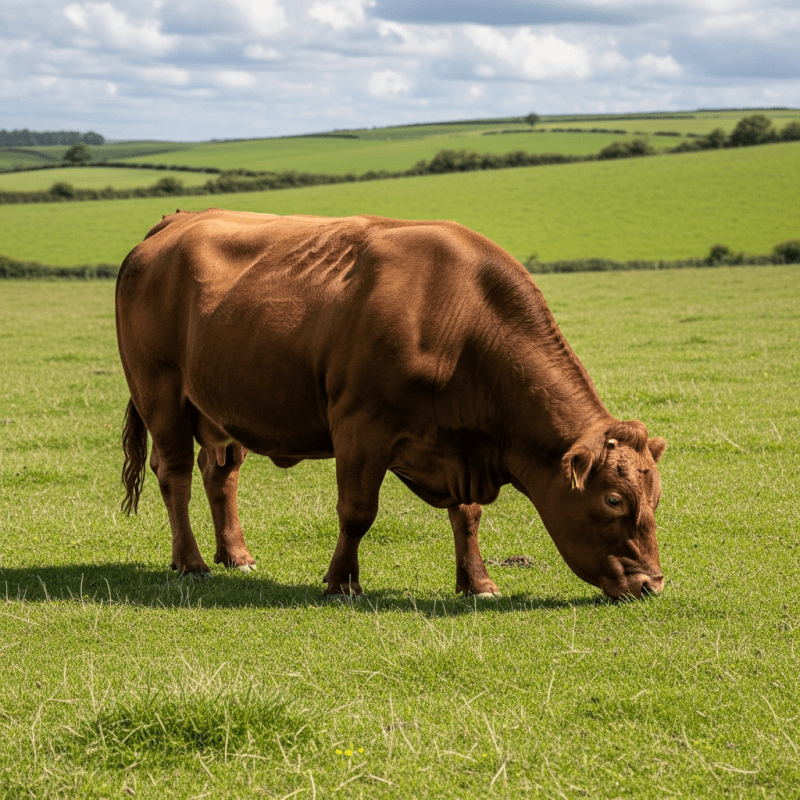
Soft cotton tee, unisex sizes
Buy ShirtWhile the Stabilizer does not hold notable roles in art or myth, its cultural significance lies in modern agricultural practices where it symbolizes the trend toward composite breeds engineered for efficiency and sustainability in beef production, particularly in the US and UK markets.
The Stabilizer is itself a composite breed derived from Red Angus, Hereford, Simmental, and Gelbvieh genetics. Variations exist primarily in proprietary lines managed by commercial breeders in the US and UK, with some regional naming differences such as "Stabicross" and "Stabiliser." These lines emphasize different balances of maternal traits, growth rates, and carcass characteristics depending on breeding goals.

Though not used for dairy, the Stabilizer is valued for producing lean, well-marbled beef with consistent carcass quality. Its meat appeals to commercial producers seeking efficient, low-input animals that deliver reliable performance in beef supply chains.
Stabilizer cattle are bred for high feed efficiency and adaptability, traits that can contribute to more sustainable beef production by reducing resource inputs per unit of meat produced. Their suitability for both pasture and intensive systems allows flexibility in management practices aimed at minimizing environmental footprint.
Best practices for managing Stabilizer cattle include providing balanced nutrition to support their rapid growth and fertility, ensuring calving assistance when needed due to selection for ease of calving, and maintaining health protocols to leverage their reported disease resistance. Their docile temperament facilitates handling, and their adaptability allows them to thrive in diverse production environments from pasture-based to feedlot systems.