Simbrah
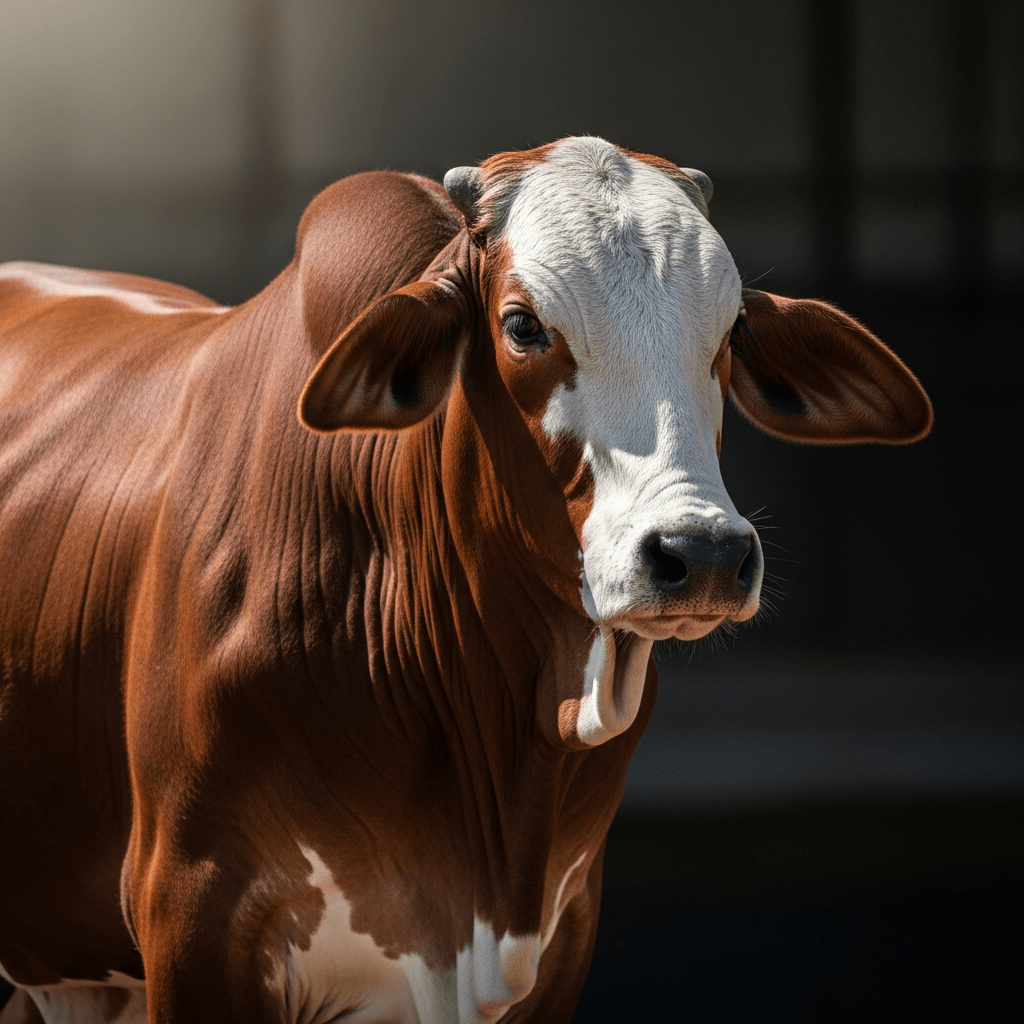
The Simbrah is a composite beef cattle breed combining the rapid growth and meat quality of Simmental with the heat tolerance and disease resistance of Brahman, making it well-suited for tropical and subtropical climates.
The Simbrah is a composite beef cattle breed combining the rapid growth and meat quality of Simmental with the heat tolerance and disease resistance of Brahman, making it well-suited for tropical and subtropical climates.
Developed in the United States during the late 1960s and 1970s, primarily in Texas, the Simbrah breed was created by commercial breeders aiming to optimize beef production in hot climates. It is a deliberate hybrid, typically blending about five-eighths Simmental and three-eighths Brahman genetics, with recognition from the American Simbrah Breeders Association and other regional registries.
Simbrah belongs to the domestic cattle group as a composite breed, derived from crossing Bos taurus (Simmental) and Bos indicus (Brahman) lineages. This hybrid status places it within the broader taurine–indicine cattle classification, valued for combining traits from both genetic backgrounds.
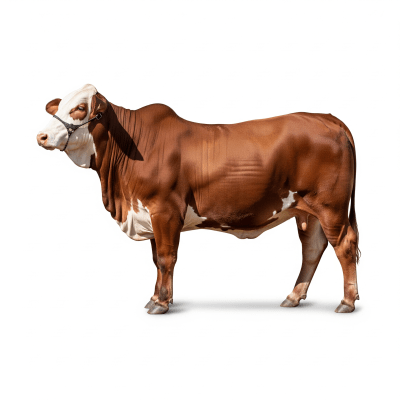
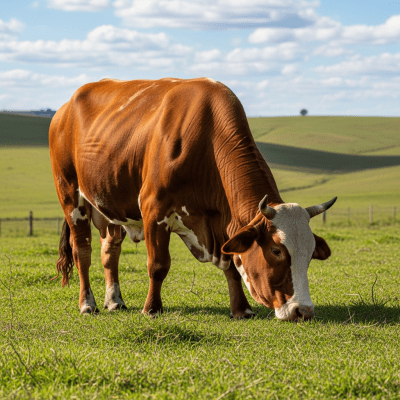
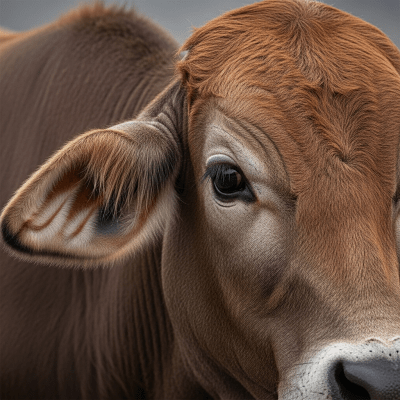
Simbrah cattle are medium to large in size, with mature weights ranging from 600 to 1,100 kilograms. Their coat colors vary, most commonly appearing as red or red-and-white, but also including solid black or brown shades, reflecting their Simmental heritage. Their physical form balances the robust build of Brahman with the muscularity of Simmental cattle.
Primarily raised for beef production, Simbrah cattle excel in tropical and subtropical environments due to their heat tolerance and resistance to ticks and parasites inherited from Brahman ancestry. They demonstrate good growth rates, feed efficiency, and maternal qualities, with cows noted for high fertility and strong mothering instincts. Their adaptability allows them to thrive under extensive grazing systems and challenging climates.
Bring this kind into your world illustrated posters, mugs, and shirts.
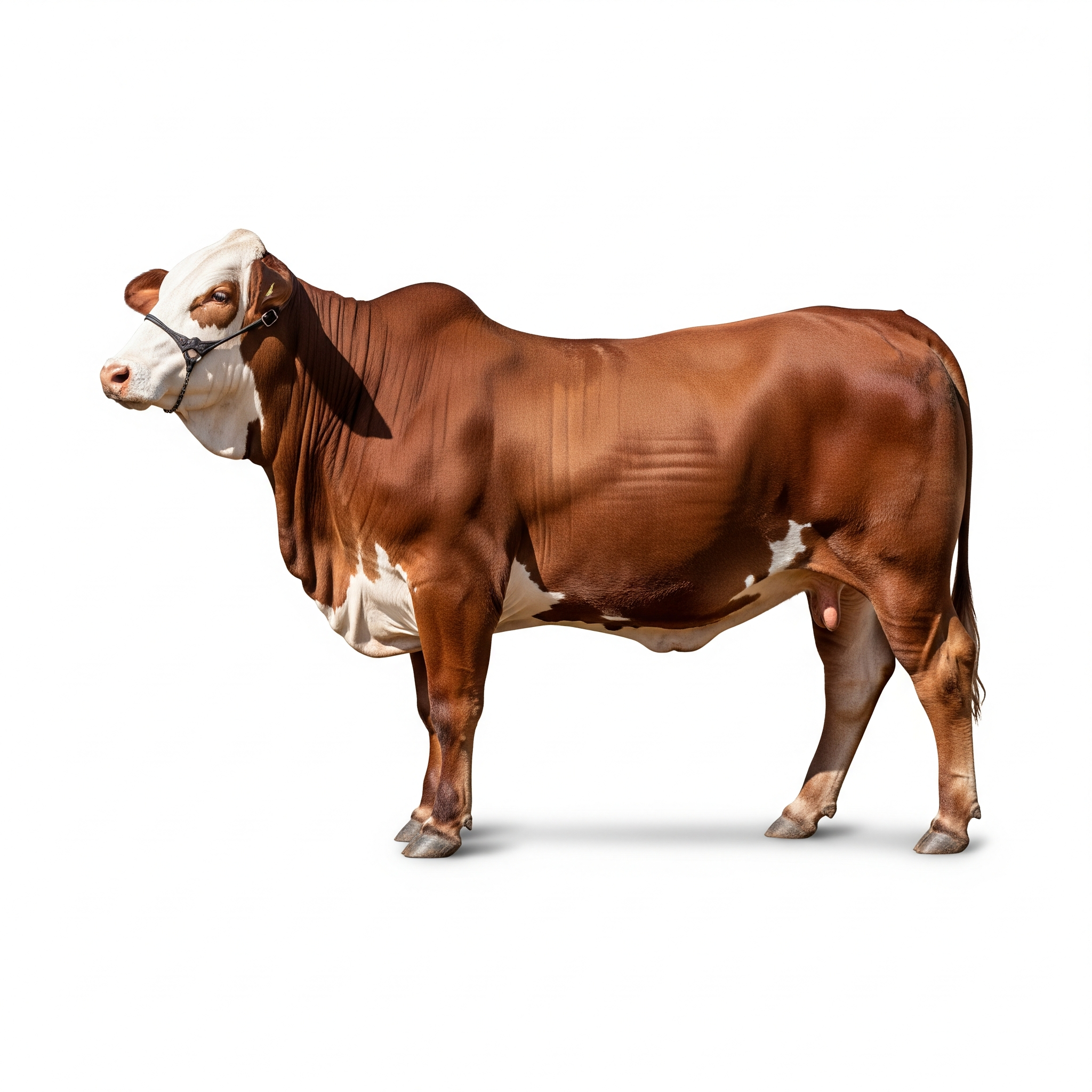
Archival print, museum-grade paper
Buy Poster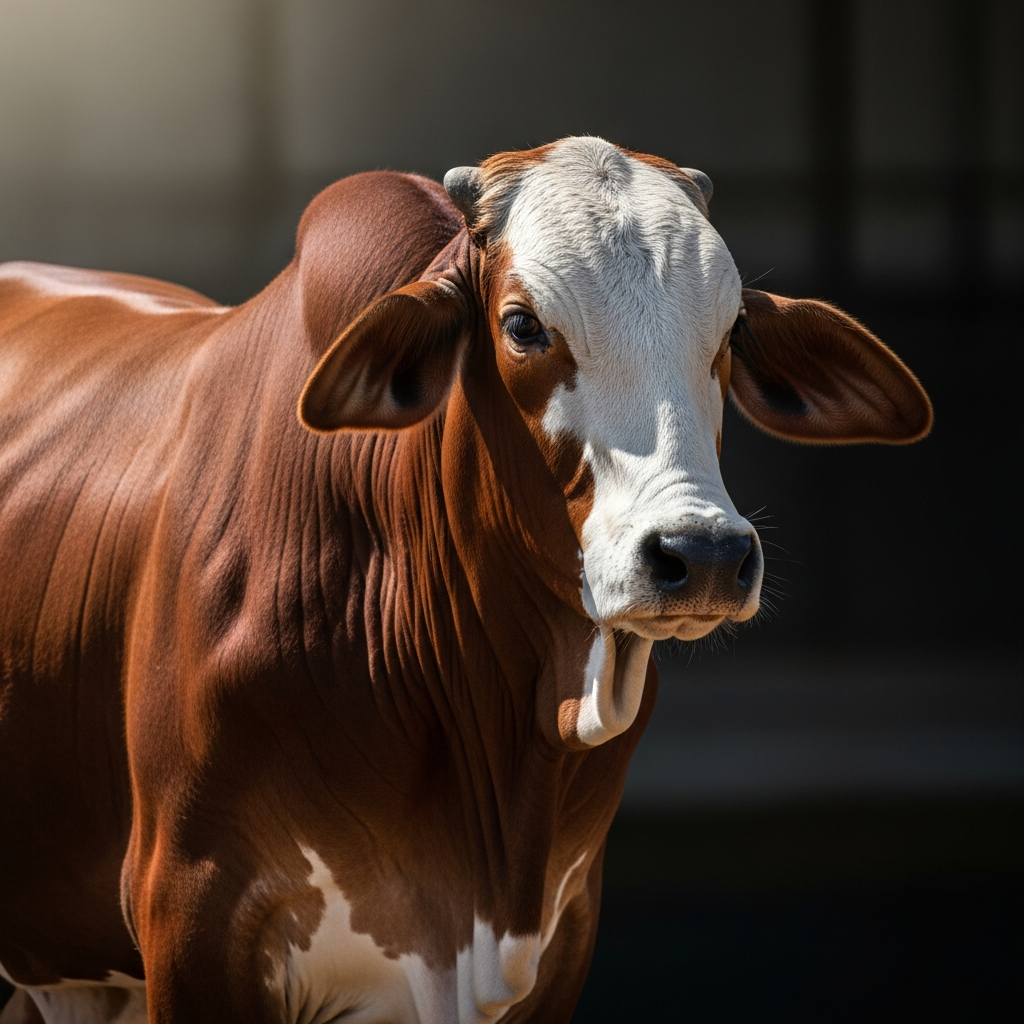
Stoneware mug, dishwasher safe
Buy Mug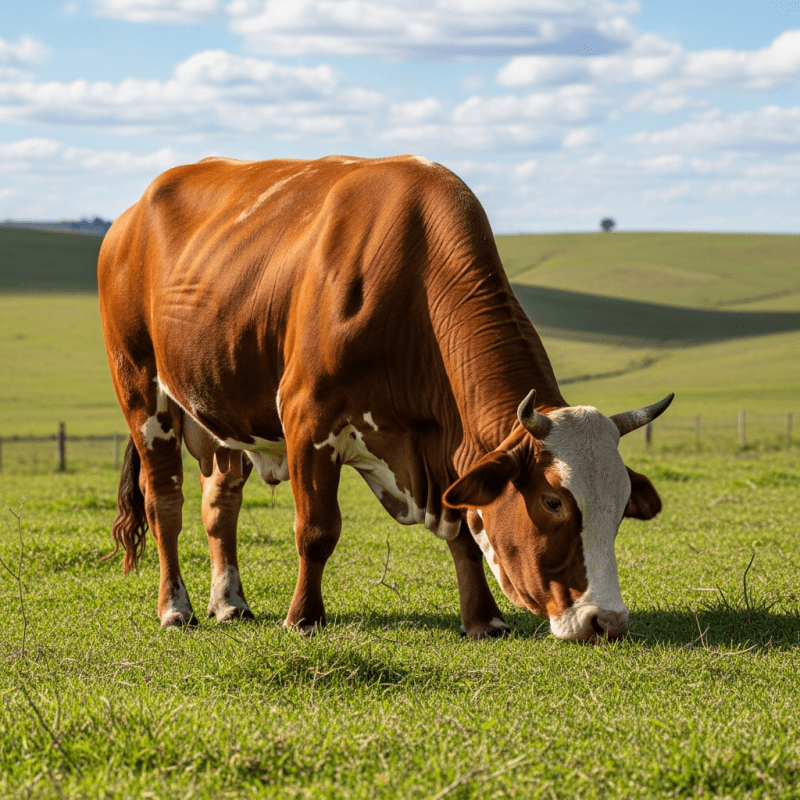
Soft cotton tee, unisex sizes
Buy ShirtWhile Simbrah cattle are chiefly valued for their agricultural utility, they also represent a successful example of crossbreeding innovation in the United States, particularly Texas, reflecting the region’s efforts to improve beef production in hot climates. Their presence in tropical beef markets underscores their role in supporting sustainable livestock farming in these areas.
Simbrah is itself a composite breed resulting from crossing Simmental and Brahman cattle. Regional variants exist in Latin America, including Mexico and Colombia, where local adaptations and registry standards may differ slightly. These variations maintain the core genetic blend but may emphasize traits suited to specific tropical environments.
Simbrah cattle produce high-quality beef characterized by good carcass weights, moderate marbling, and tenderness. While milk production is minimal and not a breed focus, their beef is prized in both commercial and premium markets across tropical and subtropical regions.
Thanks to their heat tolerance and resistance to parasites, Simbrah cattle adapt well to humid and challenging environments, reducing the need for intensive veterinary interventions. Their efficiency in feed conversion and growth supports sustainable beef production in tropical climates, helping to mitigate environmental stresses associated with less adapted breeds.
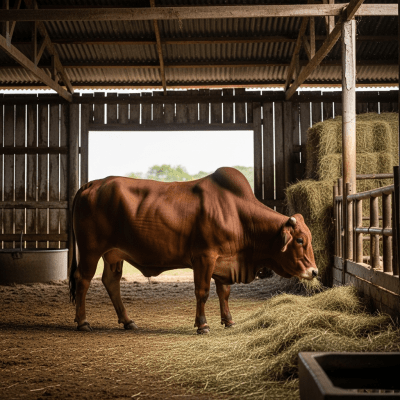
Effective management of Simbrah cattle involves leveraging their adaptability to hot, humid climates. They thrive under extensive grazing systems and require attention to parasite control, though their natural resistance reduces chemical treatments. Breeders focus on maintaining hybrid vigor through planned breeding programs registered with recognized associations to optimize growth, fertility, and overall herd health.