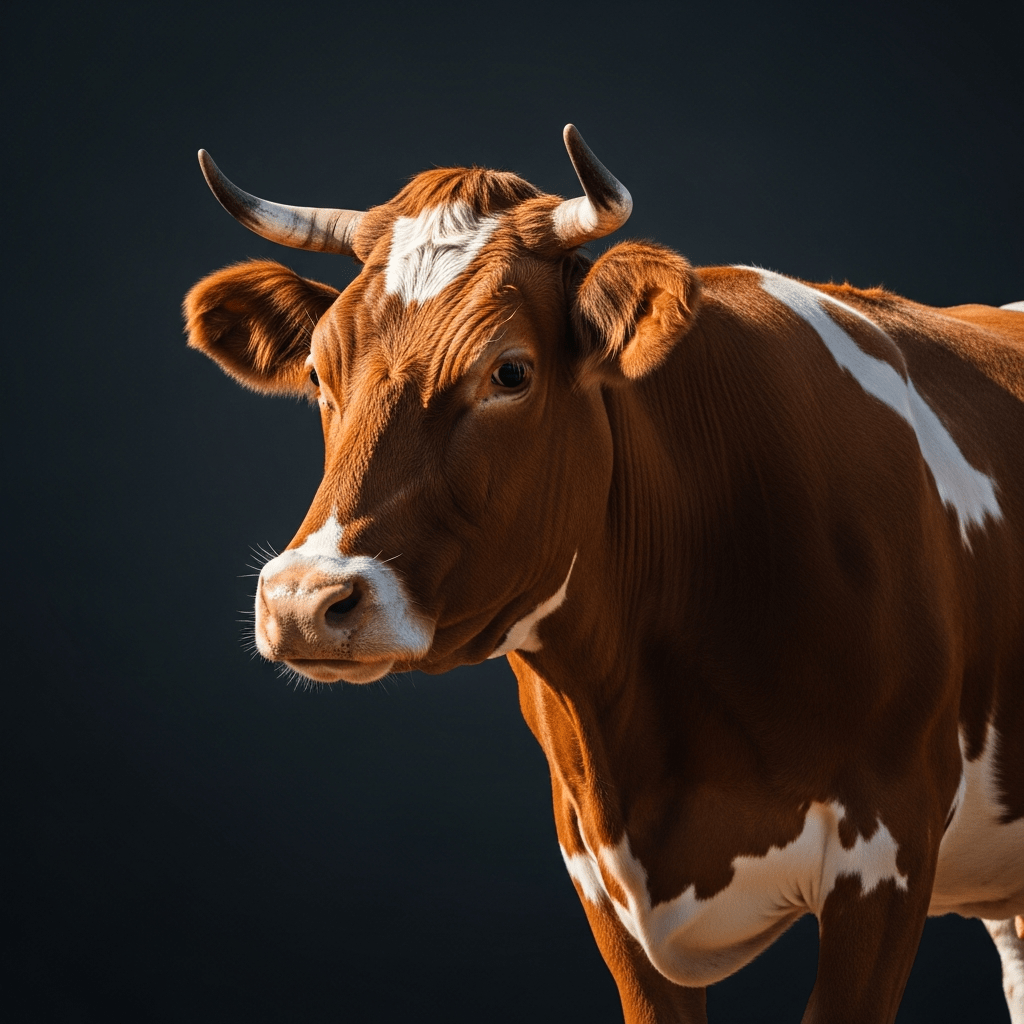
Guernsey
The Guernsey is a medium-sized dairy cattle breed renowned for its rich, golden-colored milk and gentle temperament.
The Guernsey is a medium-sized dairy cattle breed renowned for its rich, golden-colored milk and gentle temperament.
Originating from the Channel Island of Guernsey, this breed was developed through selective breeding of local island cattle with influences likely from French Norman and Breton stock. Formal records trace back to the early 19th century, marking its emergence as a distinct breed shaped by the island’s pastoral traditions.
Guernsey cattle belong to the domestic dairy breeds within the Bos taurus species, classified among European taurine cattle. They are recognized by breed registries such as the Guernsey Cattle Breeder's Society and are distinct for their dairy specialization compared to beef or dual-purpose cattle.
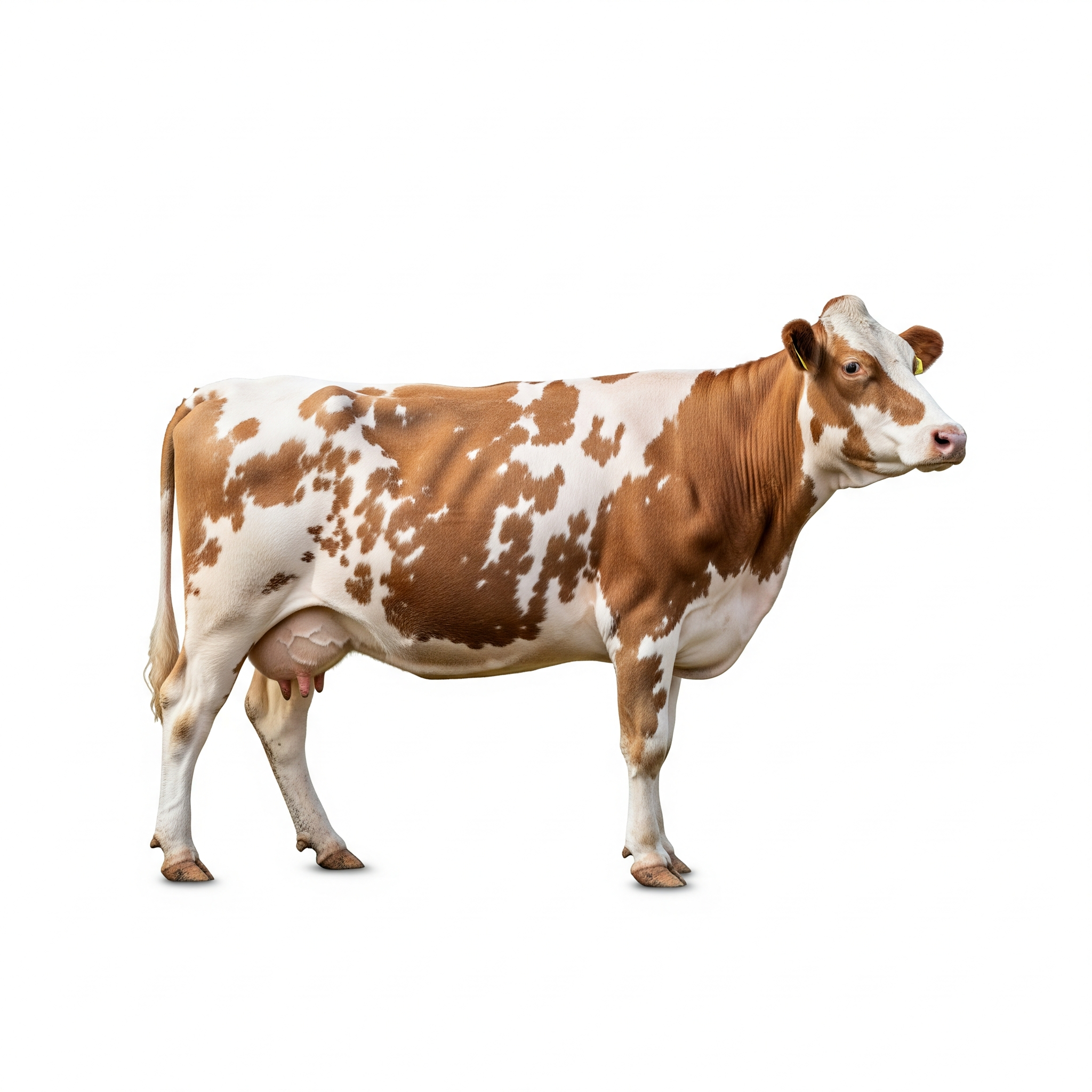
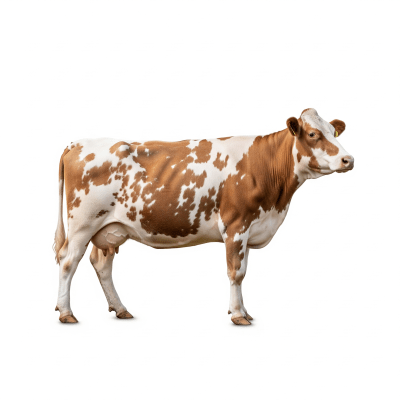
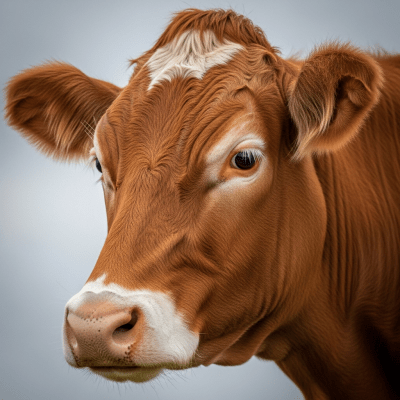
Guernseys display a striking fawn or red-and-white coat with clear, defined markings. They are medium-sized animals, with mature weights ranging from 450 to 700 kilograms. Their build is balanced for dairy production, complemented by a calm and approachable demeanor.
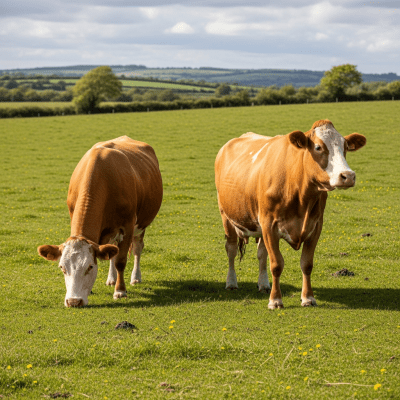
Primarily valued for dairy production, Guernsey cows are known for their docile temperament and ease of handling. They adapt well to pasture-based systems, exhibiting moderate feed requirements and notable calving ease. While mainly dairy-focused, cull animals occasionally enter local meat markets.
Bring this kind into your world illustrated posters, mugs, and shirts.
Archival print, museum-grade paper
Buy Poster
Stoneware mug, dishwasher safe
Buy Mug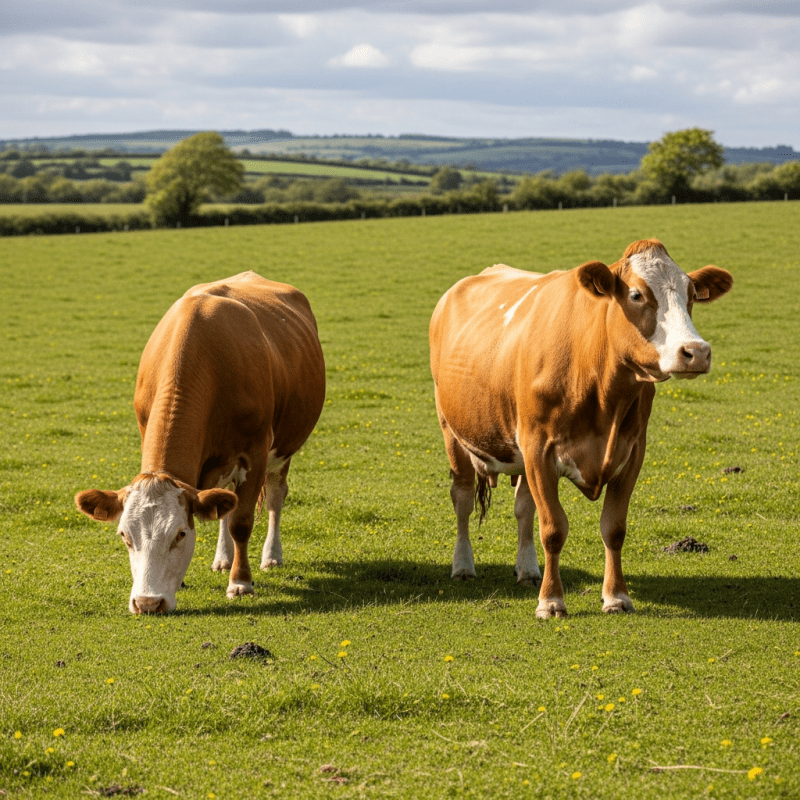
Soft cotton tee, unisex sizes
Buy ShirtGuernsey cattle hold cultural importance on their namesake island and in dairy farming communities worldwide, symbolizing quality and tradition. Their distinctive golden milk has inspired specialty dairy products, contributing to regional identities in the UK, US, Australia, and New Zealand.
The Guernsey breed is relatively uniform, with no widely recognized regional variants or sub-breeds. While local strains may exist within the Channel Islands or export populations, the breed maintains consistent characteristics under the standards of the Guernsey Cattle Breeder's Society.
Guernsey milk is celebrated for its rich flavor and golden hue, attributed to high beta-carotene levels. Its butterfat content ranges from 4.5% to 5%, and protein content from 3.5% to 3.8%, making it especially suited for premium butter, cheese, and specialty dairy products. Meat from Guernsey cattle is less prominent commercially and typically comes from cull animals rather than dedicated beef production.
Guernsey cattle's moderate size and efficient feed use contribute to a relatively sustainable dairy operation, especially in pasture-based systems. Their adaptability and hardiness support lower-input management, which can reduce environmental footprints compared to larger, high-yielding breeds. However, like all cattle, they contribute to methane emissions and require responsible grazing management to maintain ecosystem balance.
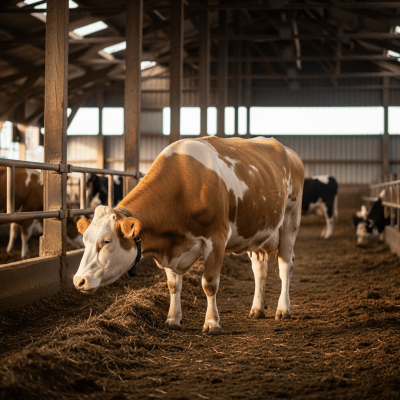
Effective management of Guernsey cattle emphasizes pasture-based feeding, leveraging their adaptability and moderate nutritional needs. Their docile nature facilitates handling and calving, reducing labor challenges. Regular health monitoring and balanced nutrition support their productivity and longevity, while adherence to breed registry standards ensures maintenance of characteristic traits.