
Jersey
The Jersey is a small-framed dairy cattle breed famed for its rich, high-butterfat milk and efficient feed use.
The Jersey is a small-framed dairy cattle breed famed for its rich, high-butterfat milk and efficient feed use.
Originating from the Channel Island of Jersey, this breed emerged by the 18th century through community selection and strict import bans that preserved its genetic purity. Its development was shaped by island legislation rather than any single breeder or institution.
Jerseys belong to the domestic cattle group Bos taurus, classified among dairy breeds prized for milk production. They are distinct from other Channel Island breeds like the Guernsey, maintaining a unique lineage recognized by the Jersey Cattle Society.
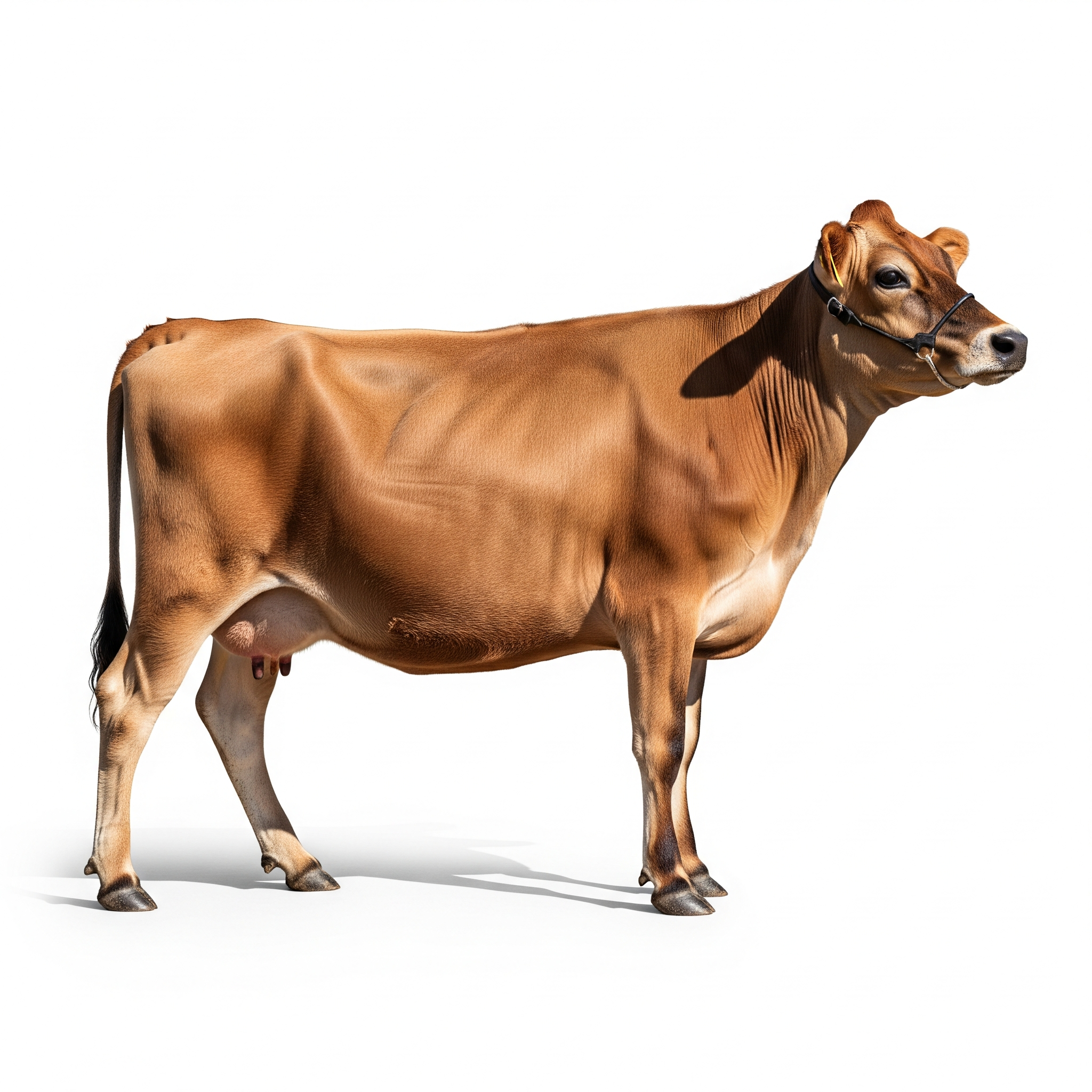
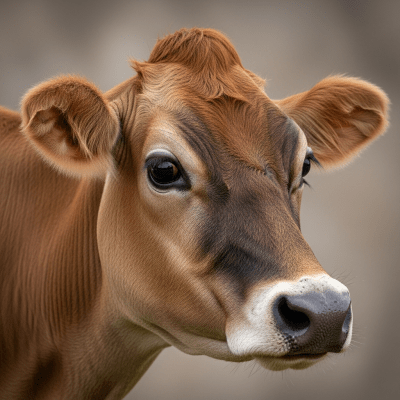
Jerseys are small to medium-sized cattle, typically weighing between 400 and 700 kilograms. Their coat ranges from light fawn to dark brown, often featuring lighter shading around the muzzle and eyes. Their compact, refined body type complements their efficient dairy role.
Primarily raised for dairy, Jerseys produce high volumes of milk relative to their size, with exceptional butterfat content often exceeding 4.8%. They adapt well to diverse climates, exhibit a docile temperament, and are known for ease of calving and efficient feed conversion, making them economically valuable in both pasture and intensive systems.
Bring this kind into your world illustrated posters, mugs, and shirts.
Archival print, museum-grade paper
Buy Poster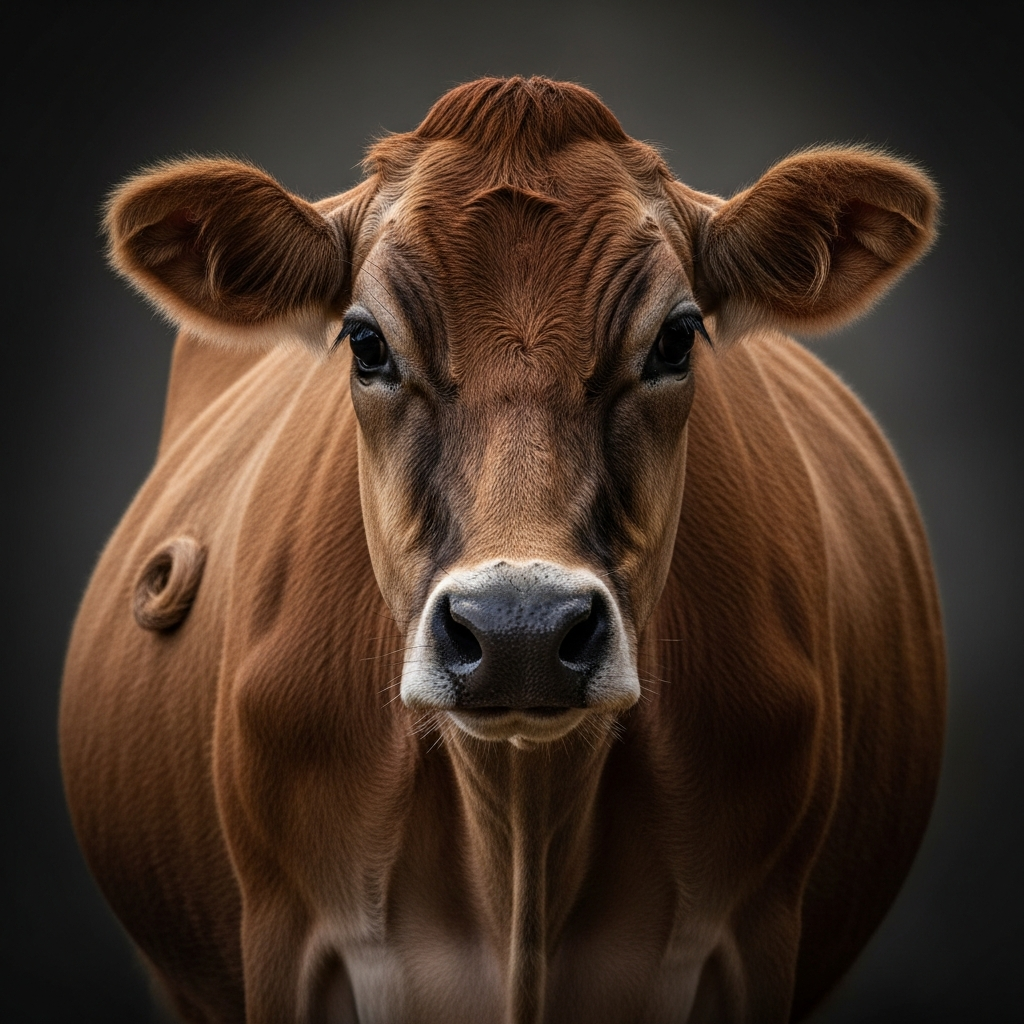
Stoneware mug, dishwasher safe
Buy Mug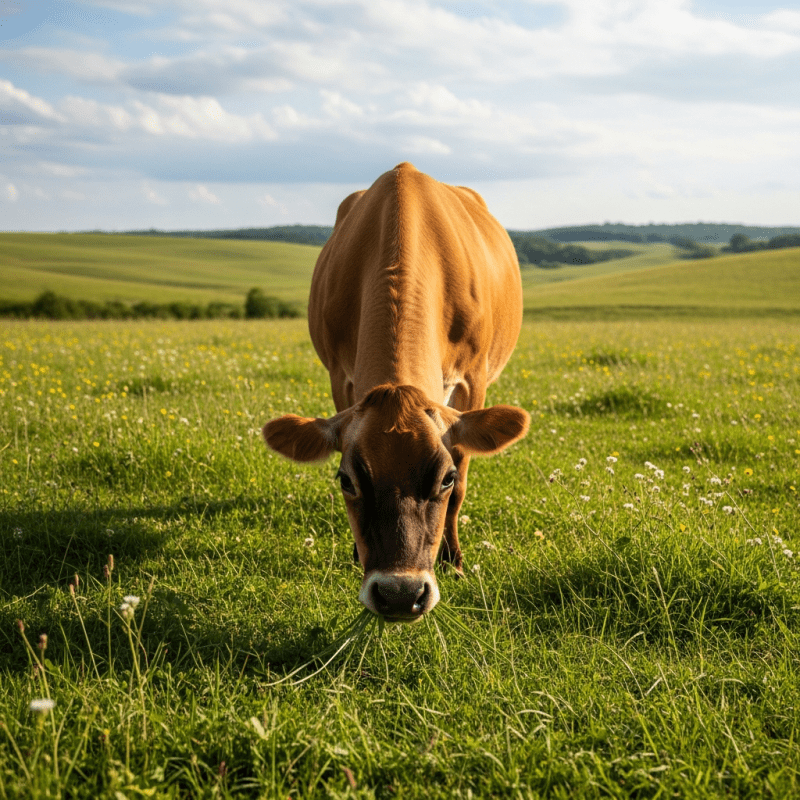
Soft cotton tee, unisex sizes
Buy ShirtThe Jersey breed holds a notable place in agricultural heritage, symbolizing the Channel Islands' rich farming traditions. Its milk is celebrated in premium dairy products like cheese and butter, contributing to culinary cultures that prize quality and flavor. Jerseys also appear in regional identity and breed societies that uphold their legacy.
The Jersey breed is relatively uniform due to its island origin and strict breeding controls. While regional variants exist, all registered Jerseys trace their lineage back to the Channel Island population. It is distinct from other Channel Island breeds such as the Guernsey, with no major recognized sub-breeds or strains.

Jersey milk is renowned for its rich composition, especially its high butterfat content, which enhances the flavor and texture of cheese and butter. The milk’s protein content also supports premium dairy product quality. While Jerseys are not primarily raised for beef, surplus males provide lean meat for local markets.
Thanks to their efficient feed conversion and smaller size, Jerseys have a relatively low environmental footprint compared to larger dairy breeds. Their adaptability to various climates supports sustainable farming practices, reducing resource demands. However, like all cattle, they contribute to greenhouse gas emissions and require responsible management to minimize ecological impact.
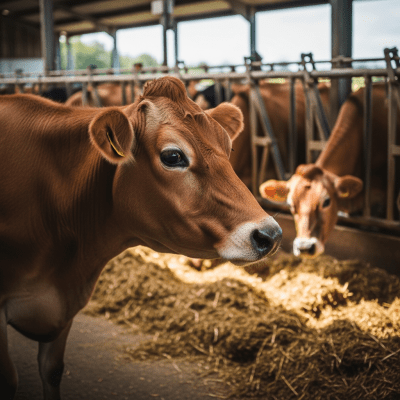
Jerseys thrive under both pasture-based and intensive dairy systems. Their hardy nature and ease of calving simplify management, while their docile temperament facilitates handling. Optimal care includes balanced nutrition to support high milk yield and maintaining herd health to prevent disease. Breeders often emphasize genetic purity and adherence to registry standards to preserve breed qualities.