Hereford
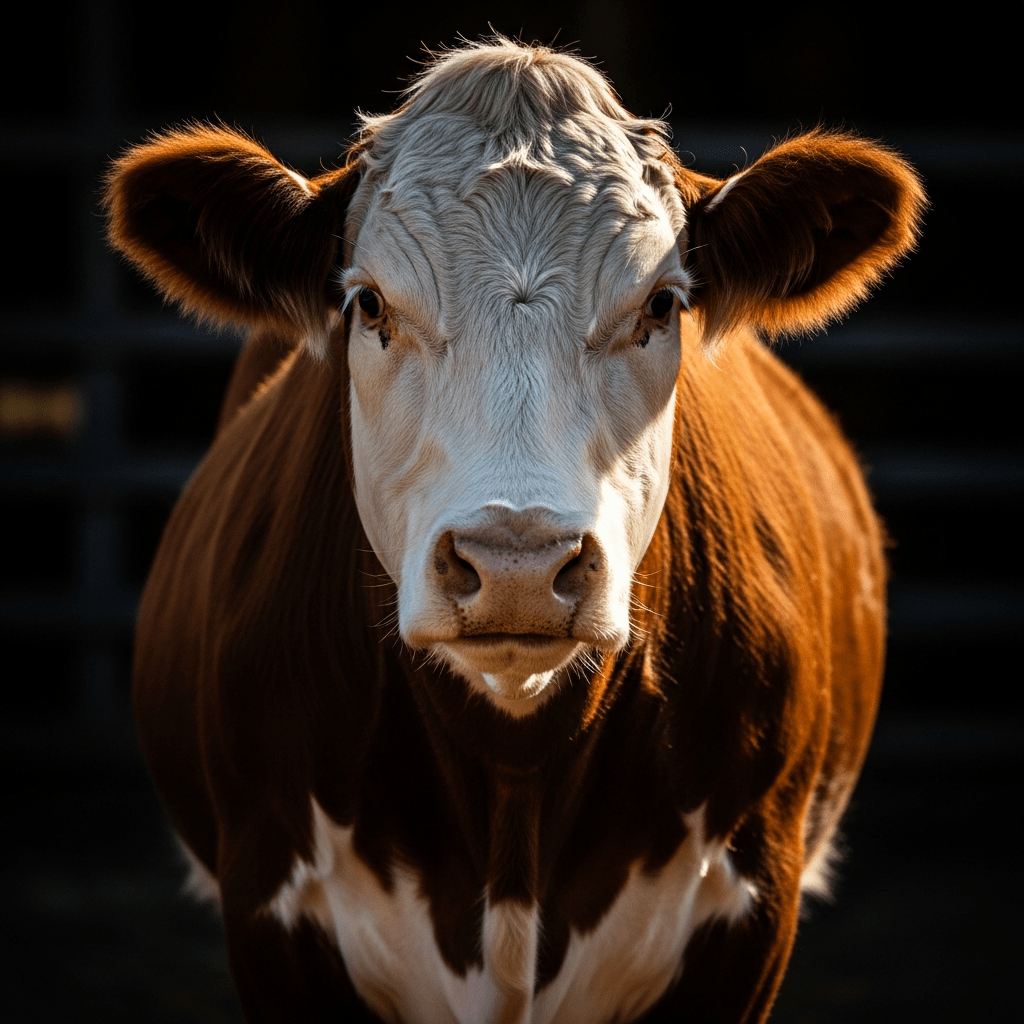
The Hereford is a renowned beef cattle breed, easily recognized by its red body and distinctive white face, prized worldwide for its adaptability, docile nature, and efficient beef production.
The Hereford is a renowned beef cattle breed, easily recognized by its red body and distinctive white face, prized worldwide for its adaptability, docile nature, and efficient beef production.
Originating in Herefordshire, England, the Hereford breed was developed in the late 18th century with formal improvement efforts beginning around 1742. Selected for beef quality, hardiness, and strong foraging ability, the breed’s foundation stock was carefully maintained by local breeders and the Hereford Herd Book Society, established in 1878. The breed was introduced to North America in 1817 and later spread to Australia, South America, and other temperate regions. Notably, the Polled Hereford strain, naturally hornless, originated in Iowa, USA, in 1901.
Hereford cattle belong to the domestic cattle group within the genus Bos, classified as Bos taurus. They are a distinct breed within beef cattle, recognized for both horned and polled strains, and are part of the broader taurine lineage adapted primarily to temperate climates.
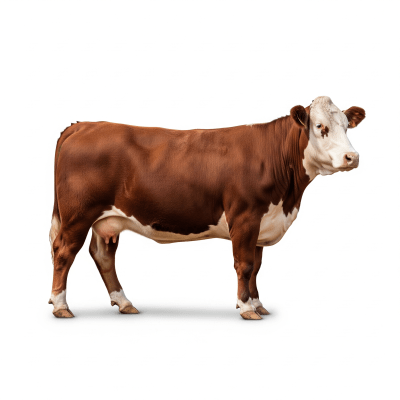
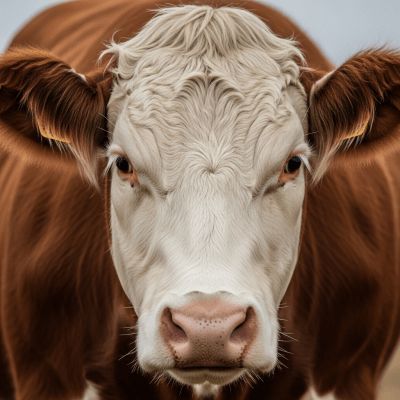
Herefords are medium to large-sized cattle, with mature bulls weighing between 850 and 1,250 kilograms and cows ranging from 500 to 800 kilograms. Their striking appearance features a deep red body contrasted by a white face, crest, underline, tail switch, and often white markings on the legs. Both horned and naturally hornless (polled) variants exist, contributing to their recognizable silhouette.
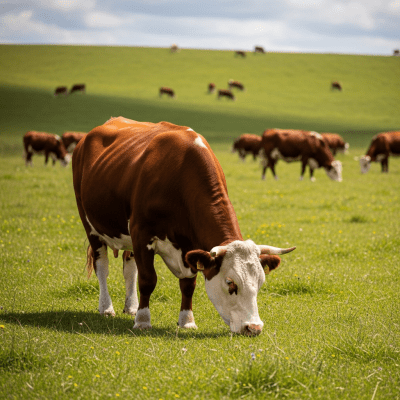
Primarily raised for beef production, Herefords are valued for their calm and docile temperament, which makes them easy to handle. They exhibit strong foraging abilities and thrive under extensive grazing systems. Their adaptability allows them to perform well in diverse temperate climates, showing resilience to harsh weather and maintaining good longevity and fertility. Average daily weight gains range from 1.0 to 1.5 kilograms under optimal conditions.
Bring this kind into your world illustrated posters, mugs, and shirts.
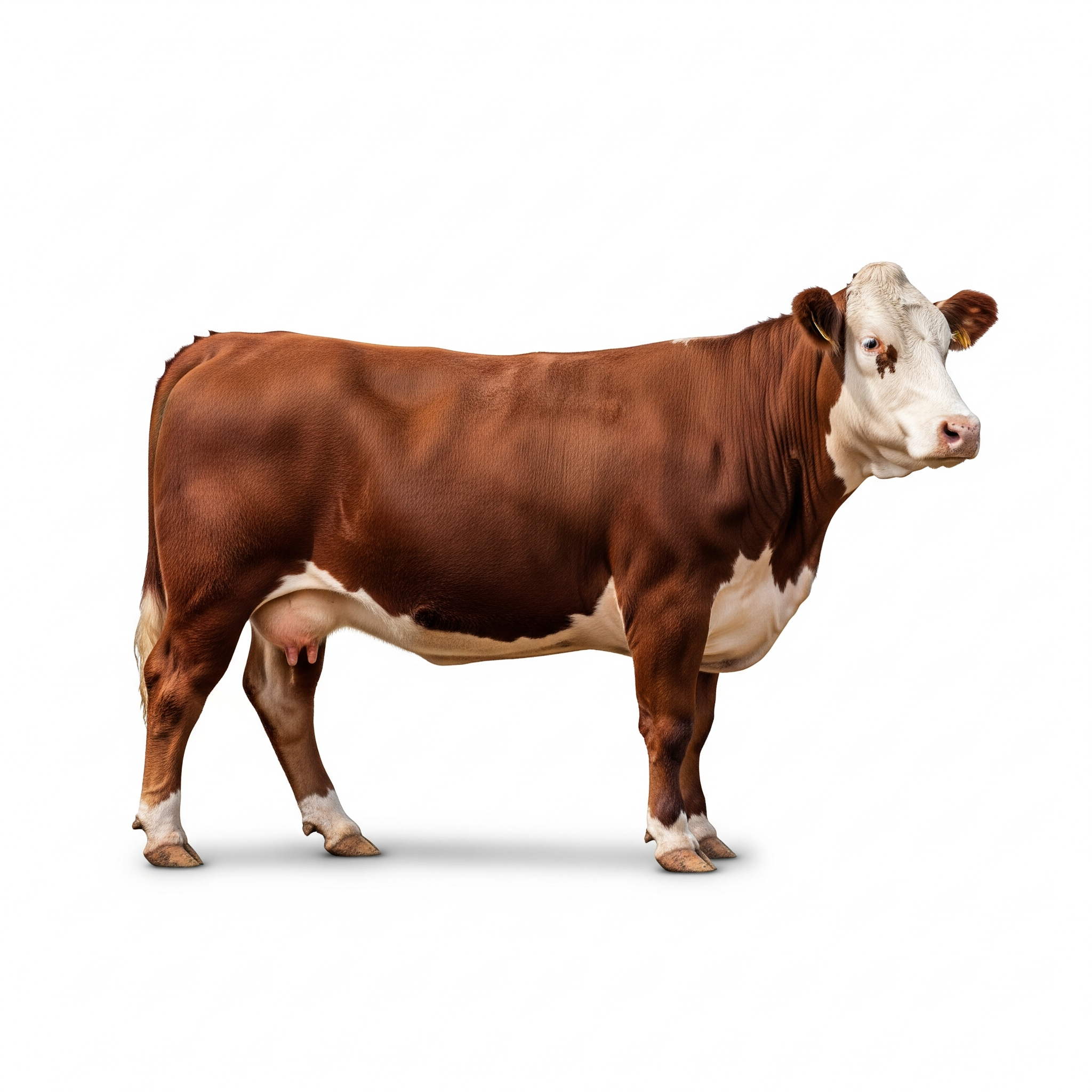
Archival print, museum-grade paper
Buy Poster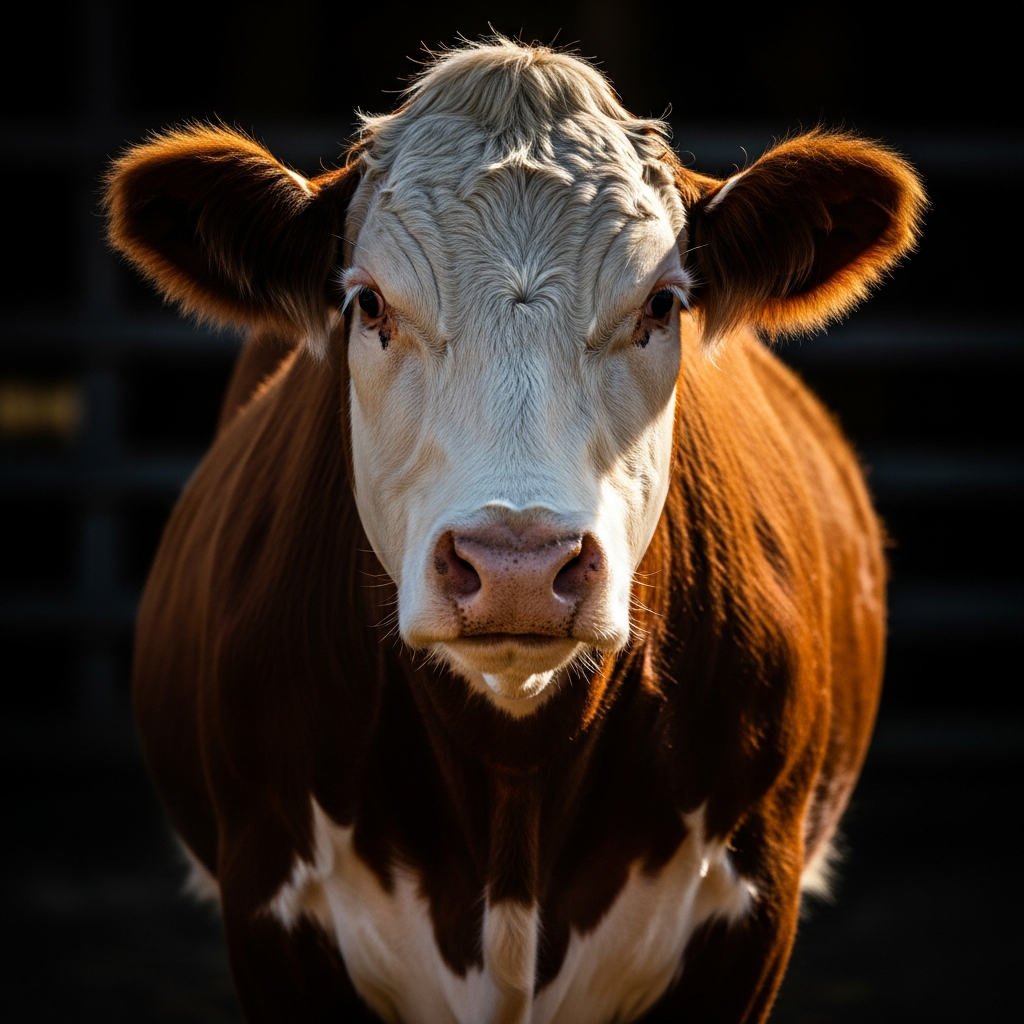
Stoneware mug, dishwasher safe
Buy Mug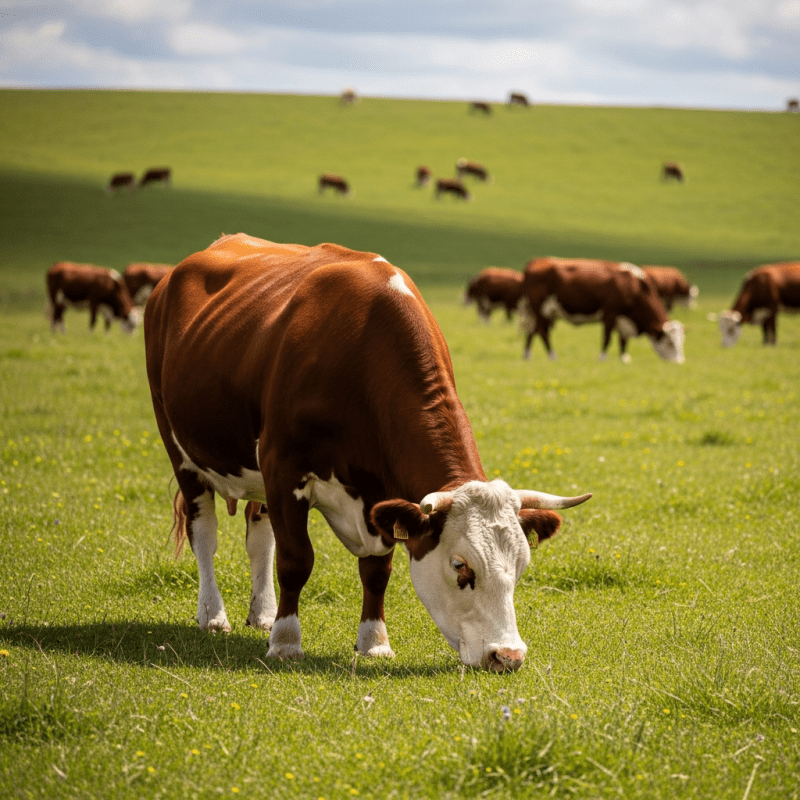
Soft cotton tee, unisex sizes
Buy ShirtHereford cattle hold a prominent place in agricultural heritage, symbolizing quality beef production in many countries. They feature in rural traditions and are often showcased in livestock exhibitions. The breed’s image is widely used in marketing premium beef products, such as the Certified Hereford Beef label in the United States, reflecting its cultural and economic importance in the beef industry.
The Hereford breed includes both the traditional horned Hereford and the Polled Hereford strain, which lacks horns naturally. Regional adaptations have produced variants such as the Australian Hereford and South American Hereford, each suited to local climates and management systems. These variations maintain the breed’s core characteristics while optimizing performance in diverse environments.
Herefords are primarily beef cattle, producing meat noted for its excellent marbling, tenderness, and rich flavor. Their beef is favored in premium markets and is often marketed under labels like Certified Hereford Beef in the USA. While not typically used for dairy, their meat quality makes them a cornerstone of efficient and high-quality beef production worldwide.
Hereford cattle are well-suited to extensive grazing systems, which can support sustainable land use in temperate regions. Their hardiness and efficient foraging reduce the need for intensive feed inputs. However, like all cattle, their environmental impact includes methane emissions and land use considerations, which require responsible management to balance productivity with ecological sustainability.
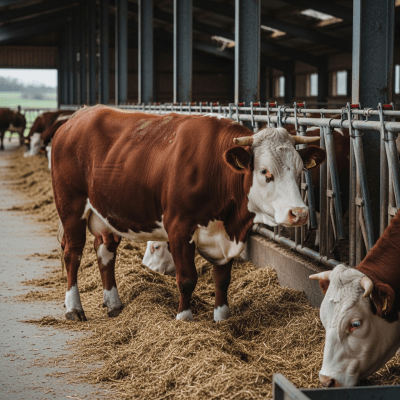
Effective care of Hereford cattle involves providing ample grazing opportunities in temperate climates where they thrive. Their docile nature facilitates handling and routine management. Good practices include monitoring nutrition to support growth and fertility, protecting against harsh weather when necessary, and maintaining herd health through regular veterinary care. Both horned and polled strains require similar management, with attention to breeding goals aligned with beef production efficiency.