Murray Grey
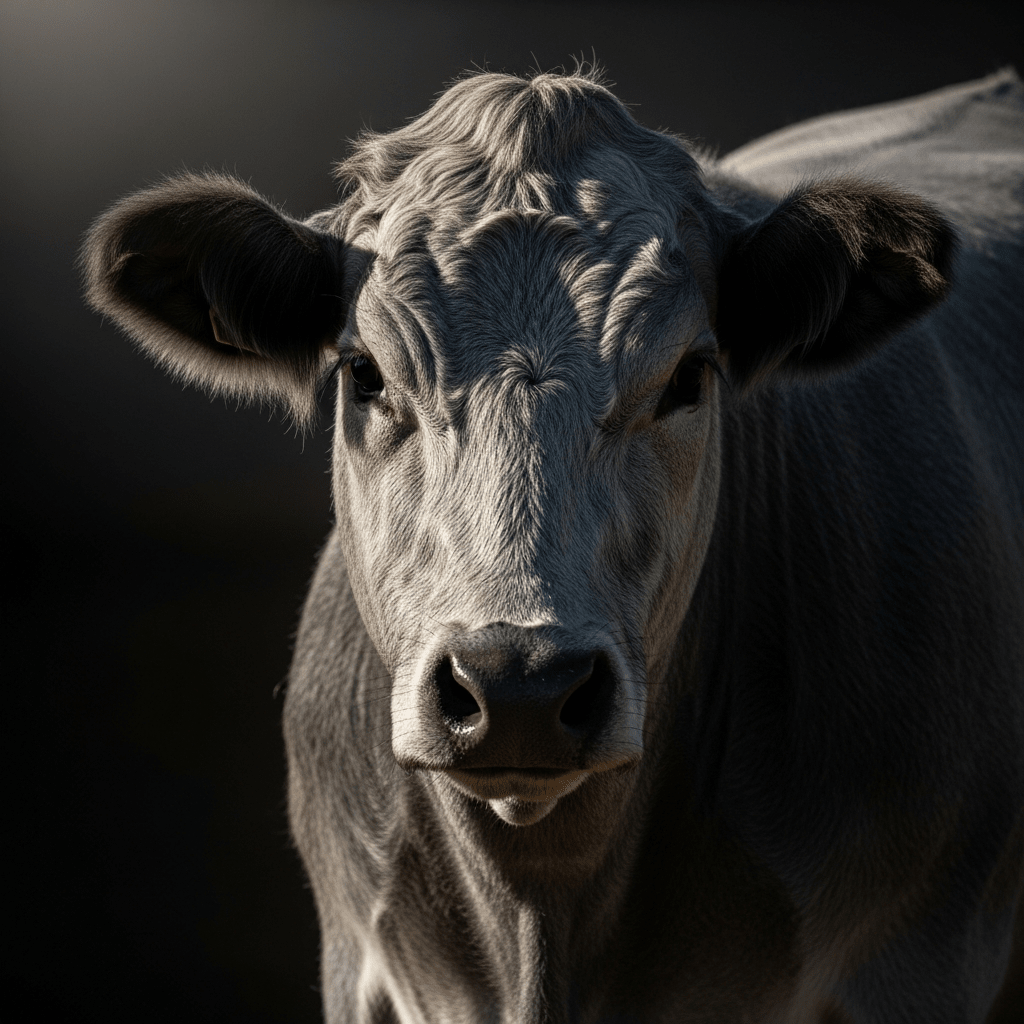
The Murray Grey is an Australian beef cattle breed known for its distinctive silver-grey to dark grey coat, docile nature, and superior meat quality.
The Murray Grey is an Australian beef cattle breed known for its distinctive silver-grey to dark grey coat, docile nature, and superior meat quality.
Originating in the early 20th century along the upper Murray River region of New South Wales and Victoria, Australia, the Murray Grey breed emerged from accidental crosses between Aberdeen Angus bulls and roan Shorthorn cows. These crosses produced grey calves with desirable beef traits, leading to the breed's formal recognition in the 1960s and the establishment of the Murray Grey Beef Cattle Society in 1969.
The Murray Grey belongs to the domestic cattle group within the Bos taurus species, classified as a beef breed. It is a polled, medium-to-large sized breed valued primarily for beef production and fits within the broader family of taurine cattle known for temperate climate adaptation.
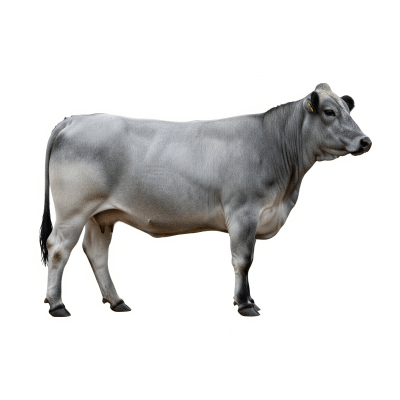
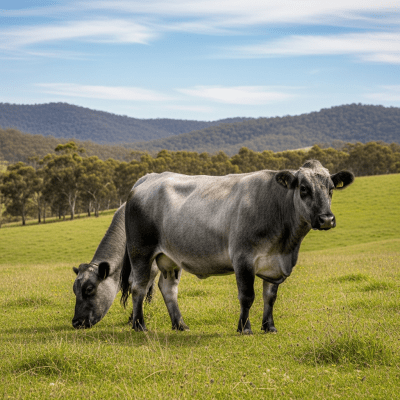
Murray Grey cattle are medium to large with strong muscling and a naturally hornless (polled) build. Their smooth, fine coat ranges from silver-grey to dark grey, offering a visually striking and uniform appearance that also provides protection against sunburn.
Renowned for their calm and docile temperament, Murray Greys are primarily raised for beef production. They exhibit rapid growth rates and efficient feed conversion, adapting well to both temperate and subtropical climates. Their resilience and ease of management make them a preferred choice for beef farmers, and they are often used in crossbreeding programs to enhance meat quality and temperament.
Bring this kind into your world illustrated posters, mugs, and shirts.
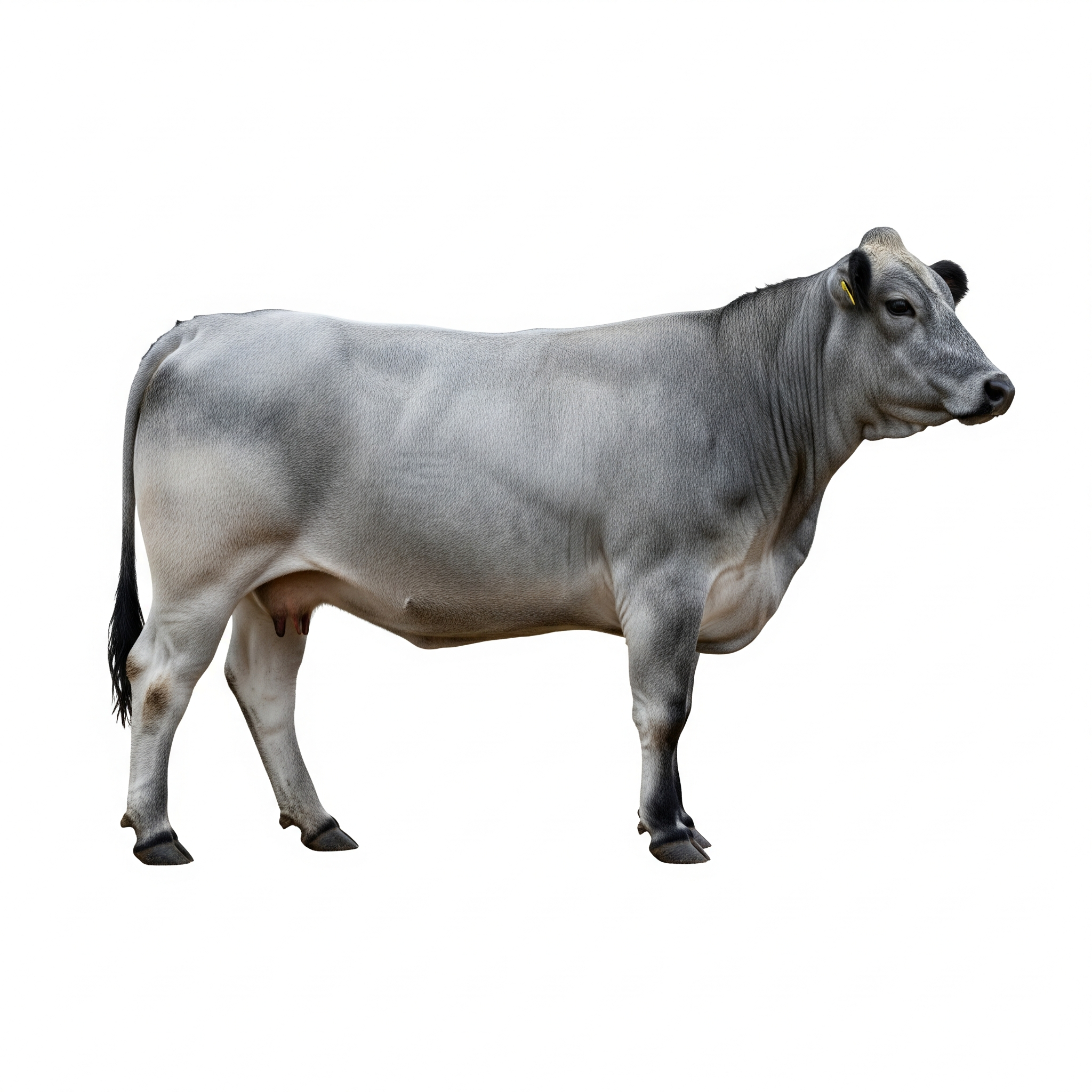
Archival print, museum-grade paper
Buy Poster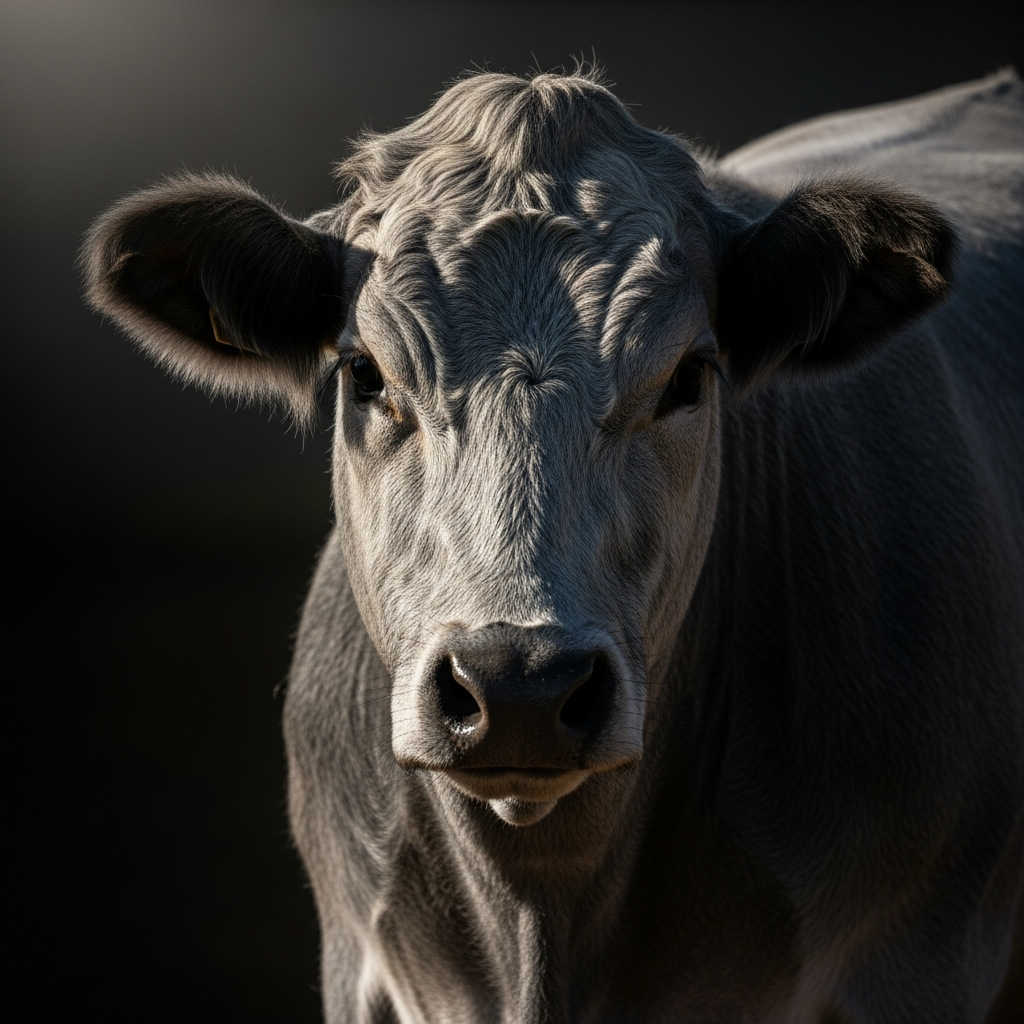
Stoneware mug, dishwasher safe
Buy Mug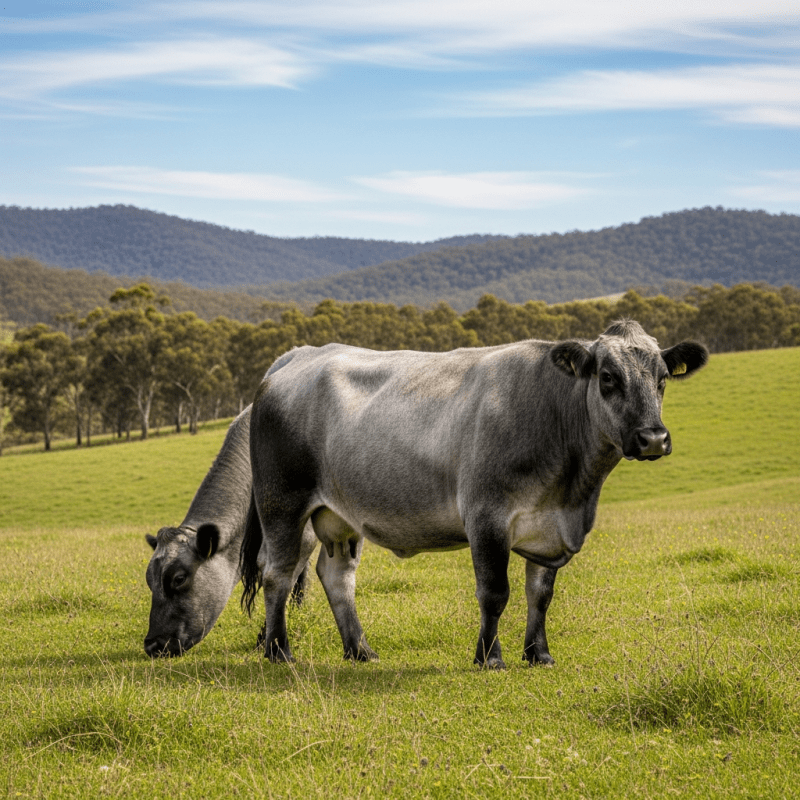
Soft cotton tee, unisex sizes
Buy ShirtWhile not widely featured in art or mythology, the Murray Grey holds regional importance in Australian agriculture as a symbol of efficient and high-quality beef production. Its reputation for premium meat has contributed to its cultural identity within Australian farming communities and niche beef markets internationally.
The Murray Grey breed is recognized as a distinct breed without formally acknowledged regional variants or sub-breeds. Occasionally referred to as "Australian Grey" in export markets, it maintains a consistent breed standard overseen by the Murray Grey Beef Cattle Society.

Murray Greys are prized for their beef, which is noted for excellent marbling, tenderness, and consistent carcass quality. While not used for dairy, their meat commands premium prices in niche and branded beef programs, reflecting its high culinary value.
Adapted to temperate and subtropical climates, Murray Greys exhibit efficient feed conversion and rapid growth, which can contribute to more sustainable beef production by optimizing resource use. Their natural resistance to sunburn reduces health issues related to environmental stress, supporting animal welfare and lowering management inputs.
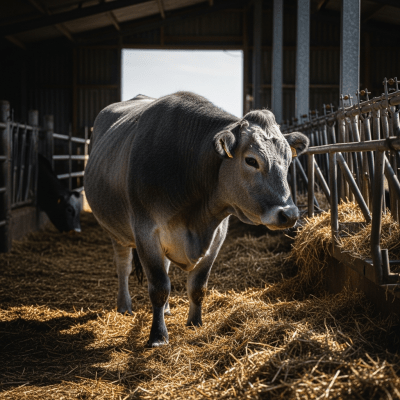
Management of Murray Grey cattle benefits from their docile temperament and adaptability. They thrive in diverse climates and require standard beef cattle husbandry practices. Their polled nature reduces the need for dehorning, and their coat pigmentation offers protection against sun-related ailments, simplifying health care and improving overall herd welfare.