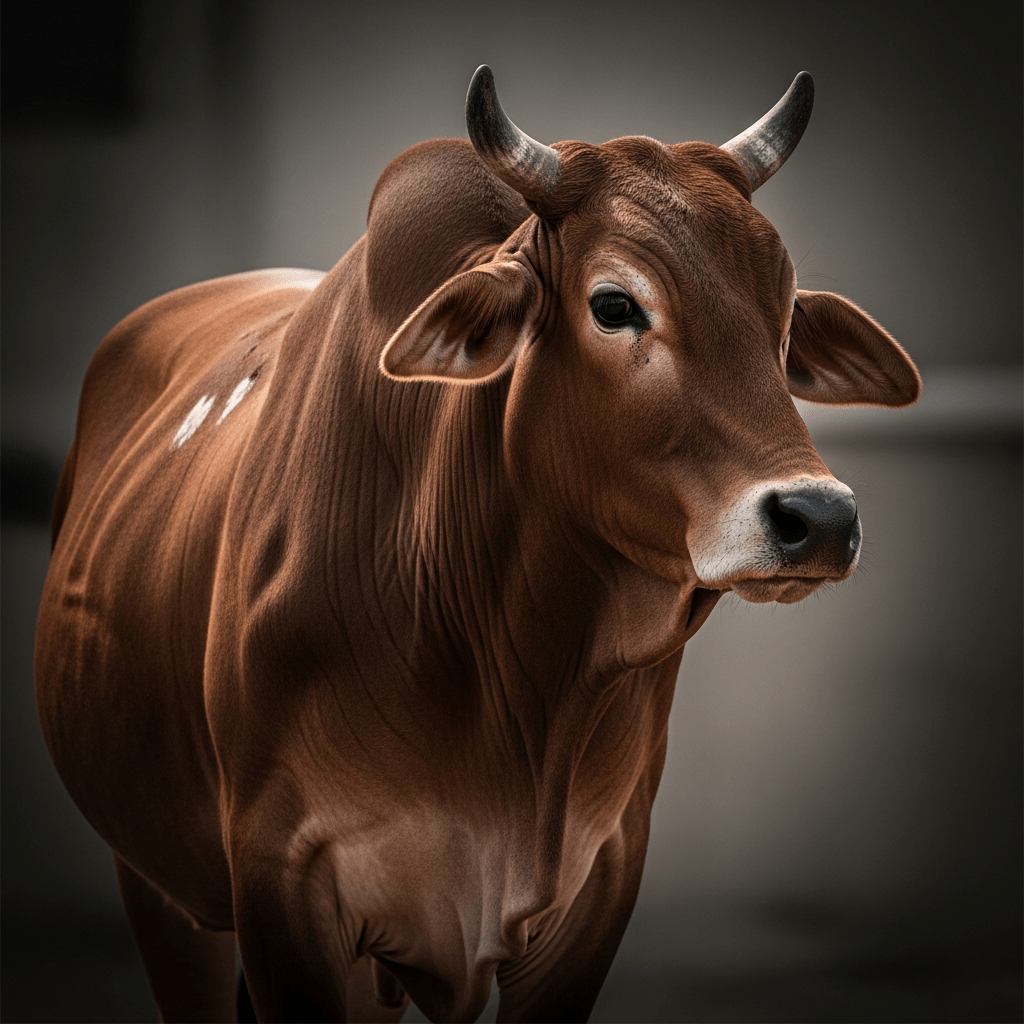
Sahiwal
The Sahiwal is a distinguished indicine cattle breed from the Punjab region, celebrated for its high milk production, heat tolerance, and natural resistance to parasites, making it one of the premier tropical dairy breeds worldwide.
The Sahiwal is a distinguished indicine cattle breed from the Punjab region, celebrated for its high milk production, heat tolerance, and natural resistance to parasites, making it one of the premier tropical dairy breeds worldwide.
Originating in the Sahiwal district of Punjab, spanning parts of modern-day Pakistan and India, the Sahiwal breed has roots dating back to the late 19th century. Developed by local pastoralists and later refined through government breeding programs, it represents a pure Bos indicus lineage without taurine crossbreeding.
Sahiwal cattle belong to the Bos indicus species, a group of humped cattle adapted to tropical climates. Within the broader cattle taxonomy, they are classified as a domestic breed prized primarily for dairy production, with some secondary use for beef.
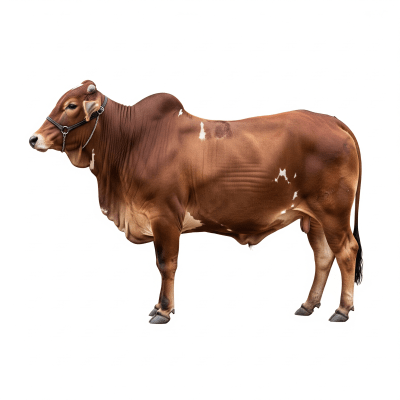
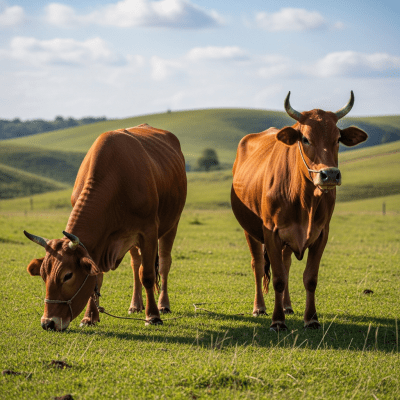
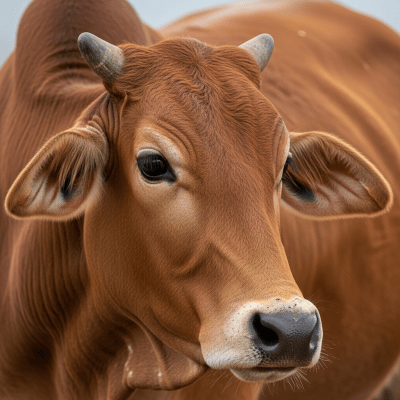
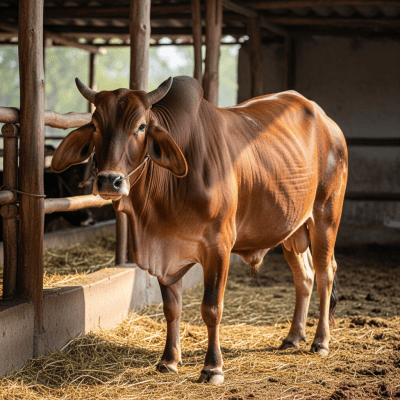
Medium to large in size, Sahiwal cattle typically weigh between 400 and 700 kilograms. They display a rich reddish-brown coat, often lighter around the neck and underbelly. Distinctive physical features include loose skin, a prominent dewlap, and well-developed udders, all contributing to their adaptability and dairy function.
Known for their docile temperament, Sahiwal cattle adapt well to grazing and thrive in tropical environments. Their primary role is dairy production, yielding between 2,000 and 3,000 liters of milk per lactation, with some individuals producing even more. They are also valued for their natural resistance to ticks and parasites, reducing maintenance needs.
Bring this kind into your world illustrated posters, mugs, and shirts.
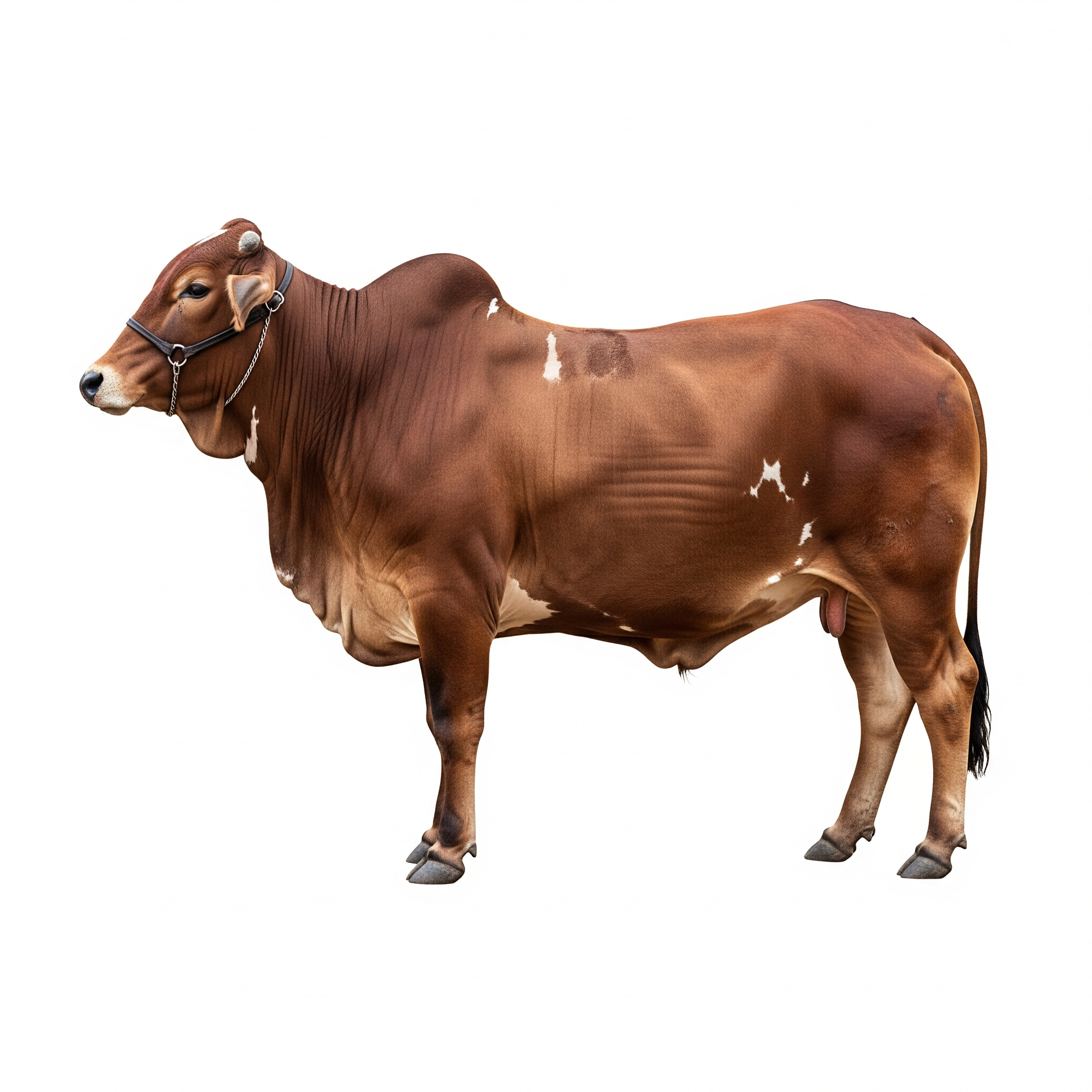
Archival print, museum-grade paper
Buy Poster
Stoneware mug, dishwasher safe
Buy Mug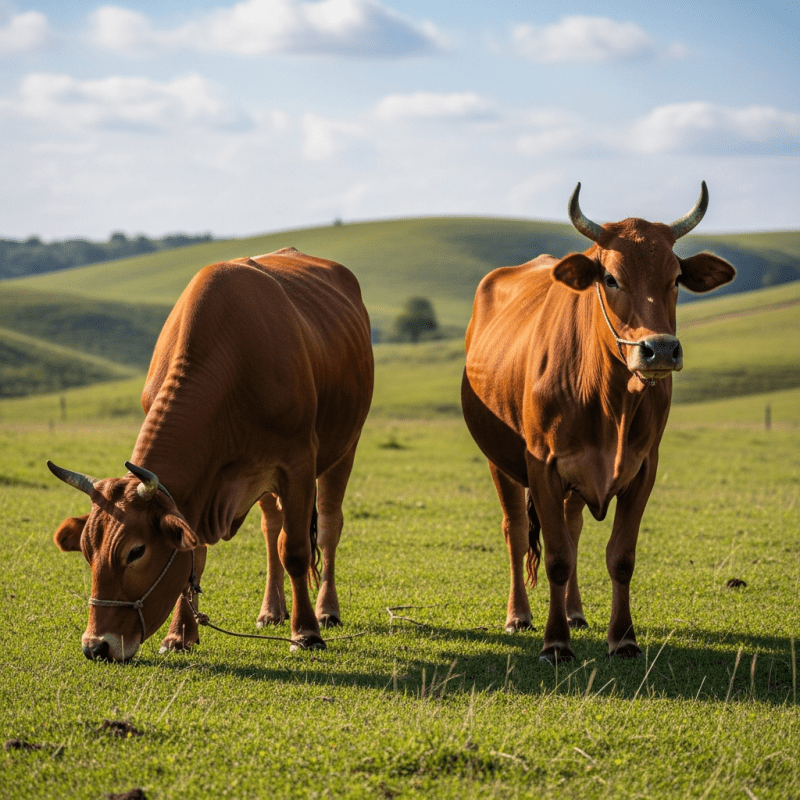
Soft cotton tee, unisex sizes
Buy ShirtIn South Asia, the Sahiwal breed holds cultural importance as a vital source of dairy for rural and peri-urban communities. Its milk, rich in butterfat, is integral to traditional products like ghee, yogurt, and paneer, embedding the breed deeply in regional culinary and agricultural heritage.
The Sahiwal breed itself is a distinct indicine breed without formally recognized sub-breeds or strains. Regional synonyms such as Montgomery and Lambi Bar reflect local naming traditions rather than genetic variations. The breed is often used in crossbreeding programs to enhance heat tolerance and milk production in tropical zones.
Sahiwal milk is prized for its high butterfat content, ranging from 4.5% to 5%, making it ideal for producing rich dairy products like ghee, yogurt, and paneer. While primarily a dairy breed, Sahiwal cattle also provide beef, though this is a secondary use and less emphasized in their breeding.
Thanks to their adaptability and natural resistance to parasites, Sahiwal cattle require relatively low maintenance and fewer chemical treatments, reducing environmental strain. Their heat tolerance allows them to thrive in tropical climates where other breeds might struggle, supporting sustainable dairy farming in challenging environments.
Raising Sahiwal cattle involves providing ample grazing opportunities suited to tropical climates. Their docile nature and parasite resistance simplify management, requiring less intensive veterinary intervention. Government breeding programs in Pakistan and India have helped standardize care practices, promoting their health and productivity in both smallholder and commercial settings.