Nelore
The Nelore is a prominent zebu beef cattle breed known for its exceptional heat tolerance, parasite resistance, and adaptability to tropical climates.
The Nelore is a prominent zebu beef cattle breed known for its exceptional heat tolerance, parasite resistance, and adaptability to tropical climates.
Originating from the Nellore district in India, Nelore cattle trace their lineage to the Ongole breed of Andhra Pradesh. They were introduced to Brazil in the late 19th and early 20th centuries, where breed standards were formalized mid-20th century to enhance beef traits and tropical adaptation.
Nelore cattle belong to the Bos indicus species, commonly known as zebu cattle, distinguished by their tropical adaptations. They are a key breed within the indicine lineage, contrasting with taurine cattle (Bos taurus) primarily found in temperate regions.
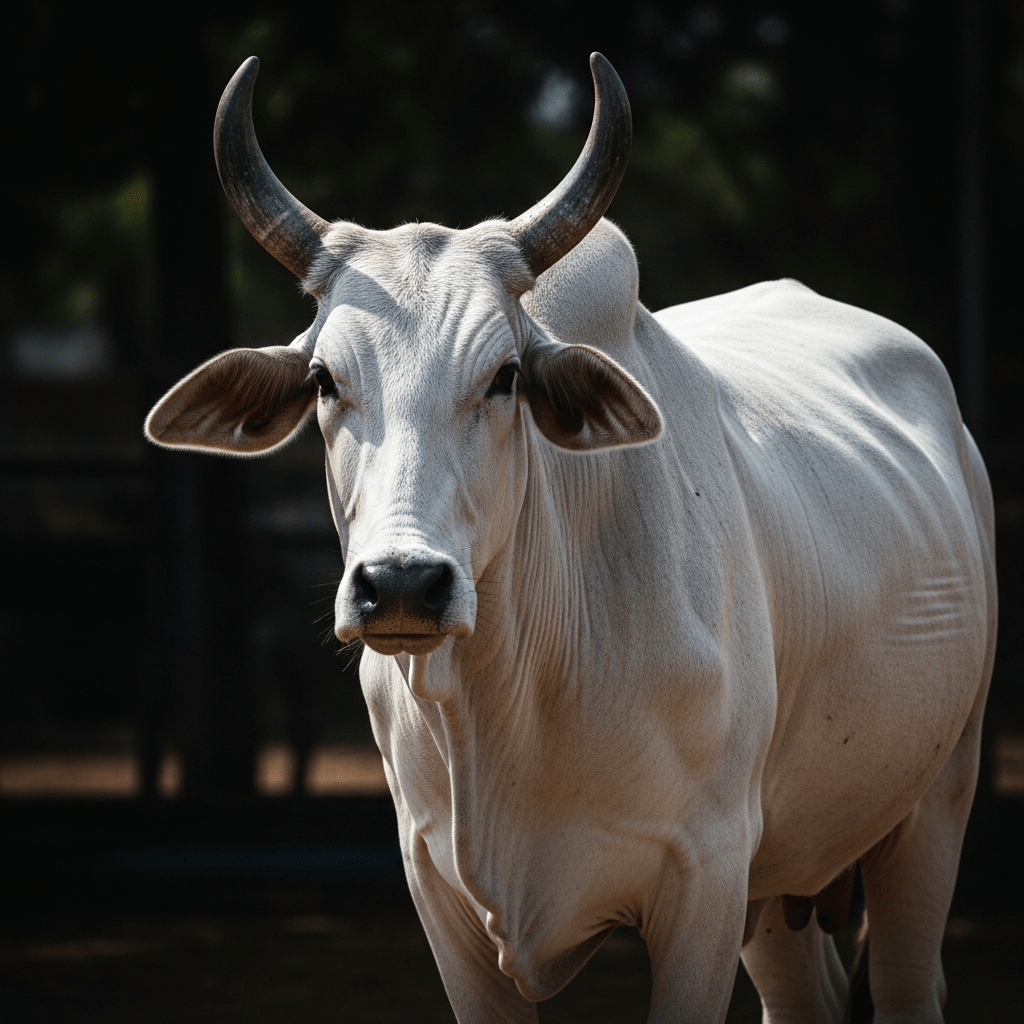
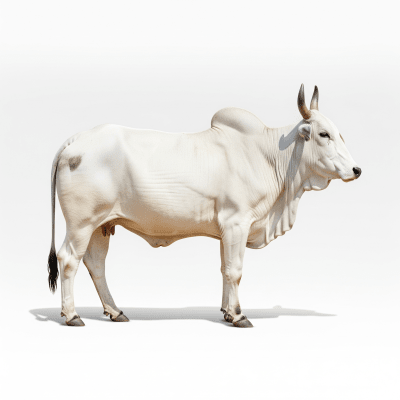
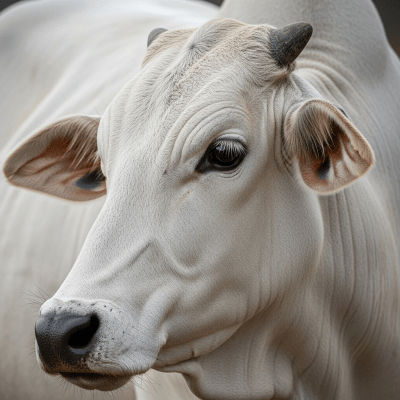
Nelore cattle are medium to large-sized, featuring a distinctive prominent hump over their shoulders and loose skin. Their coat ranges from white to light gray, complemented by black skin pigmentation that provides natural sun resistance.
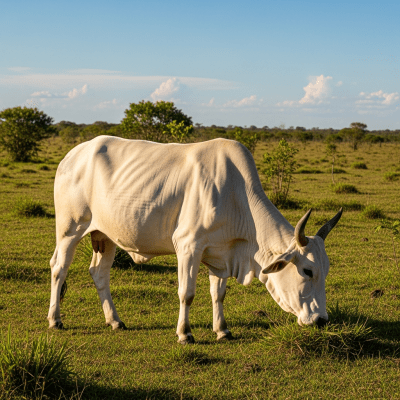
Primarily raised for beef production, Nelore cattle thrive in pasture-based systems across tropical environments. They exhibit moderate growth rates, efficient feed conversion, and notable resilience to parasites and heat, making them well-suited for extensive grazing and commercial beef operations.
Bring this kind into your world illustrated posters, mugs, and shirts.
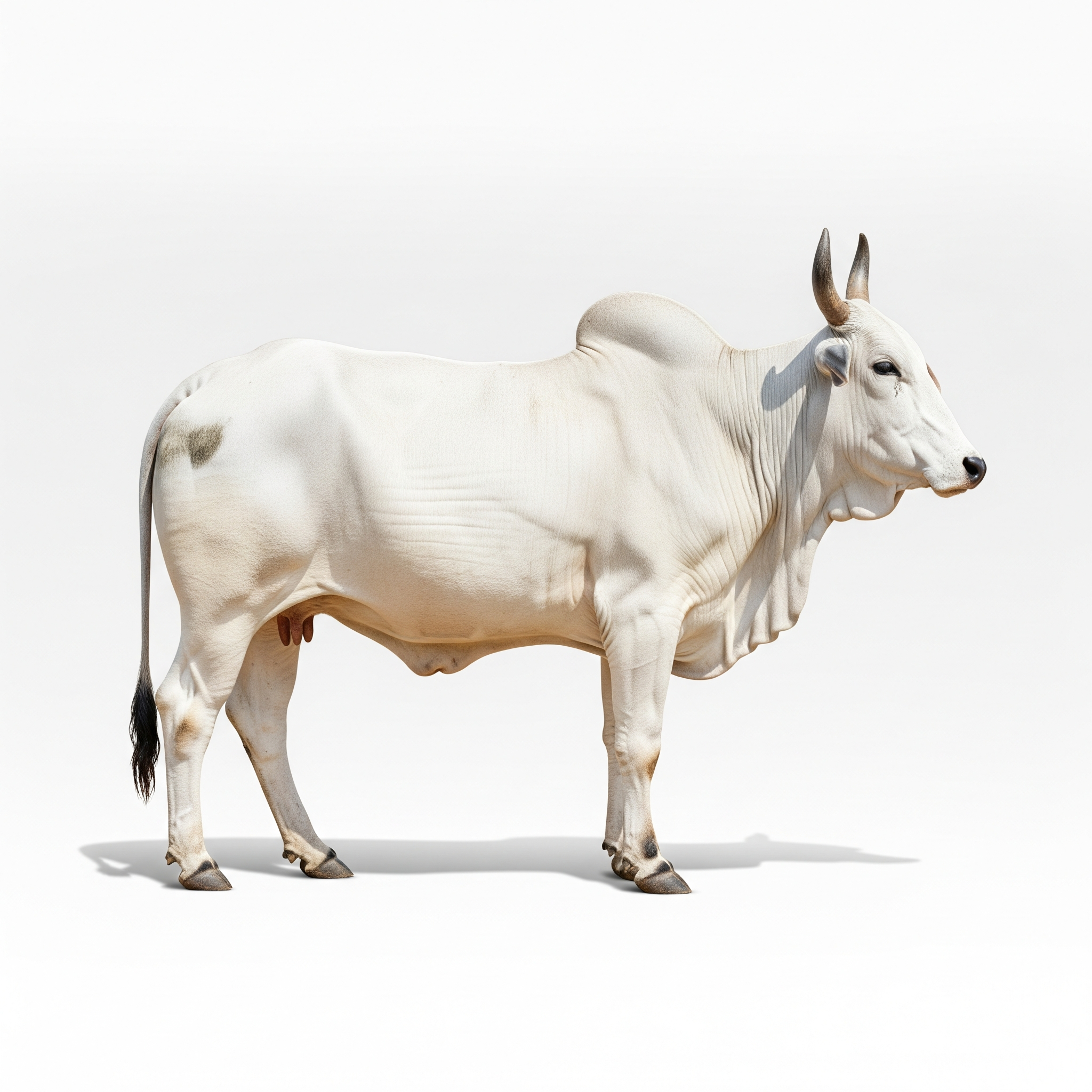
Archival print, museum-grade paper
Buy Poster
Stoneware mug, dishwasher safe
Buy Mug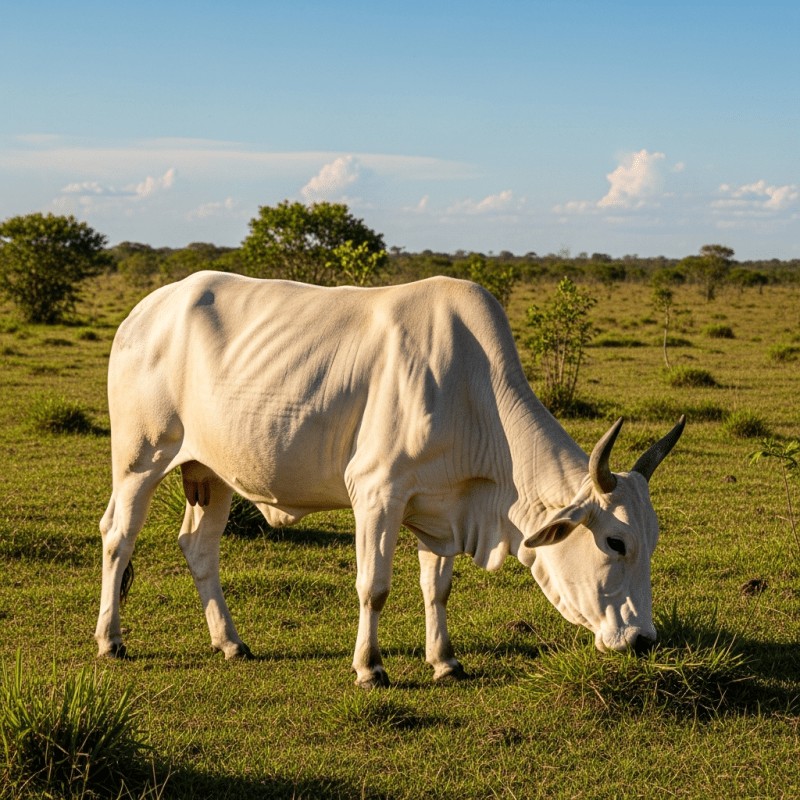
Soft cotton tee, unisex sizes
Buy ShirtIn Brazil and South America, Nelore cattle are central to the beef industry and agricultural identity, symbolizing adaptation and productivity in tropical farming. Their prominence reflects a cultural and economic legacy tied to regional livestock development and export markets.
Nelore cattle have regional variants and are commonly crossbred with European taurine breeds such as Angus to combine tropical adaptability with improved meat quality. These composites are widespread in South America, especially Brazil, enhancing beef production under diverse conditions.
Nelore beef is prized for its lean carcasses and suitability to pasture-based systems. While marbling tends to be lower than in European breeds, the meat is valued for its adaptability and consistency. Milk production is minimal and not a primary focus for this breed.
Thanks to their efficient feed conversion and resilience to parasites, Nelore cattle are well-adapted to tropical pastures, often requiring fewer inputs than less adapted breeds. Their hardiness supports sustainable beef production in challenging environments, though large-scale grazing still requires careful ecosystem management.
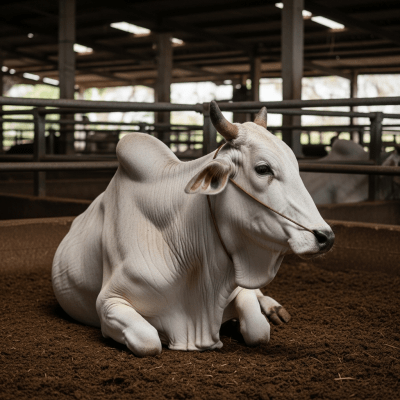
Effective management of Nelore cattle involves extensive grazing on tropical pastures, leveraging their natural heat and parasite resistance. Selection focuses on maintaining adaptability and beef traits, while attention to nutrition and health monitoring ensures optimal growth and productivity in tropical farming systems.