Belgian Blue
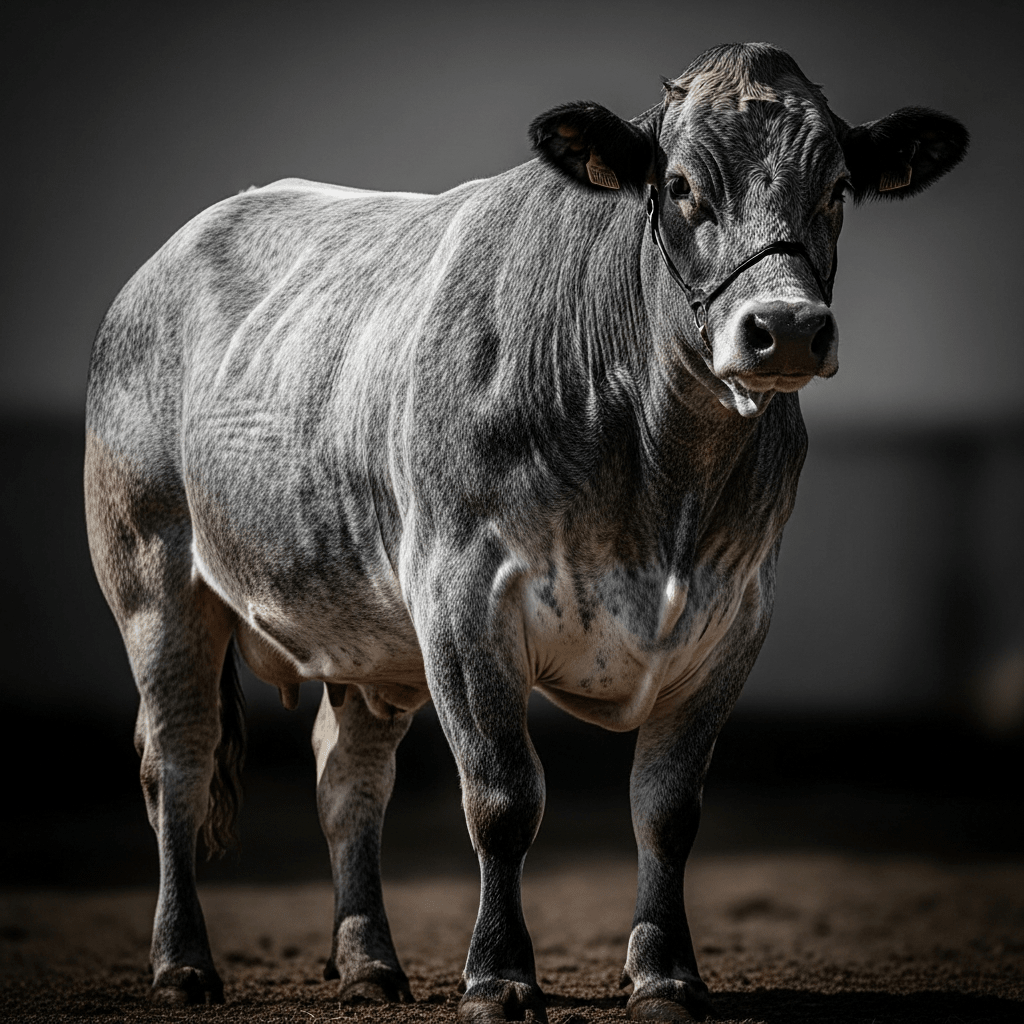
The Belgian Blue is a distinctive Belgian beef cattle breed known for its "double-muscled" physique, delivering exceptional lean meat and rapid growth.
The Belgian Blue is a distinctive Belgian beef cattle breed known for its "double-muscled" physique, delivering exceptional lean meat and rapid growth.
Originating in Belgium, the Belgian Blue breed was formally developed from the late 19th century, with its breed registry established in the 1970s. It emerged through crossbreeding local Belgian cattle with imported Shorthorn and Charolais stock, selectively bred for a genetic mutation in the myostatin gene that produces its characteristic double muscling.
Belgian Blue cattle belong to the domestic beef cattle group within Bos taurus, classified as a specialized beef breed. They are recognized by the Belgian breed registry and distinguished by their unique genetic trait causing muscle hypertrophy, setting them apart from typical beef breeds.
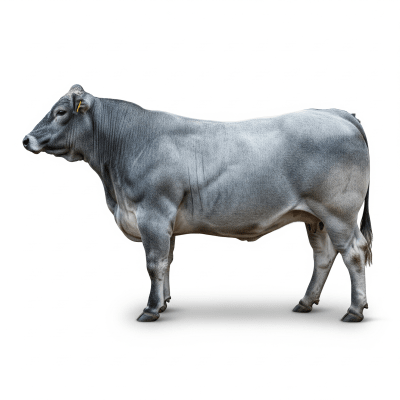
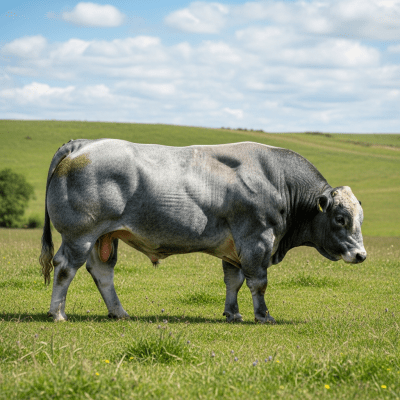
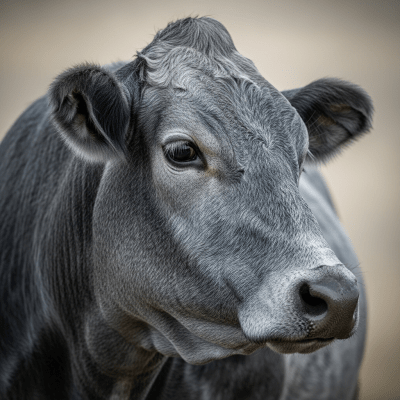
Belgian Blues are medium to large cattle with a short, broad frame and fine bones. Their most striking feature is pronounced muscle hypertrophy, especially visible in the rump, shoulders, and back. Their coat varies from white and blue-grey to black, often mottled, contributing to their distinctive appearance. Mature bulls weigh between 850 and 1,250 kilograms, while cows range from 700 to 900 kilograms.
Primarily raised for beef production, Belgian Blues are prized for their rapid growth and high muscle-to-fat ratio, resulting in lean, tender meat. Their muscular build, however, leads to calving difficulties, often necessitating caesarean sections. While their milk yield is moderate, the breed is not selected for dairy purposes and is almost exclusively used in beef systems.
Bring this kind into your world illustrated posters, mugs, and shirts.
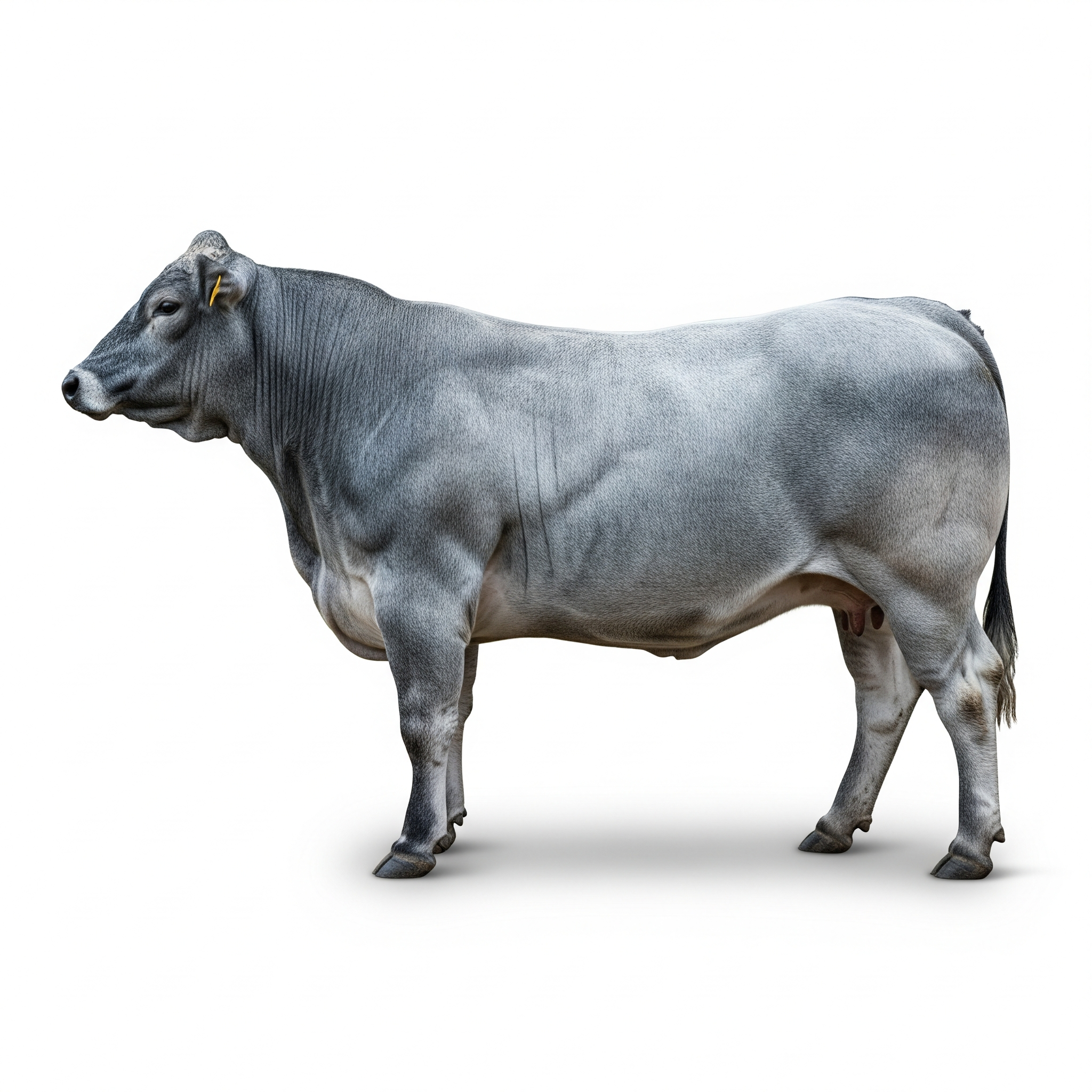
Archival print, museum-grade paper
Buy Poster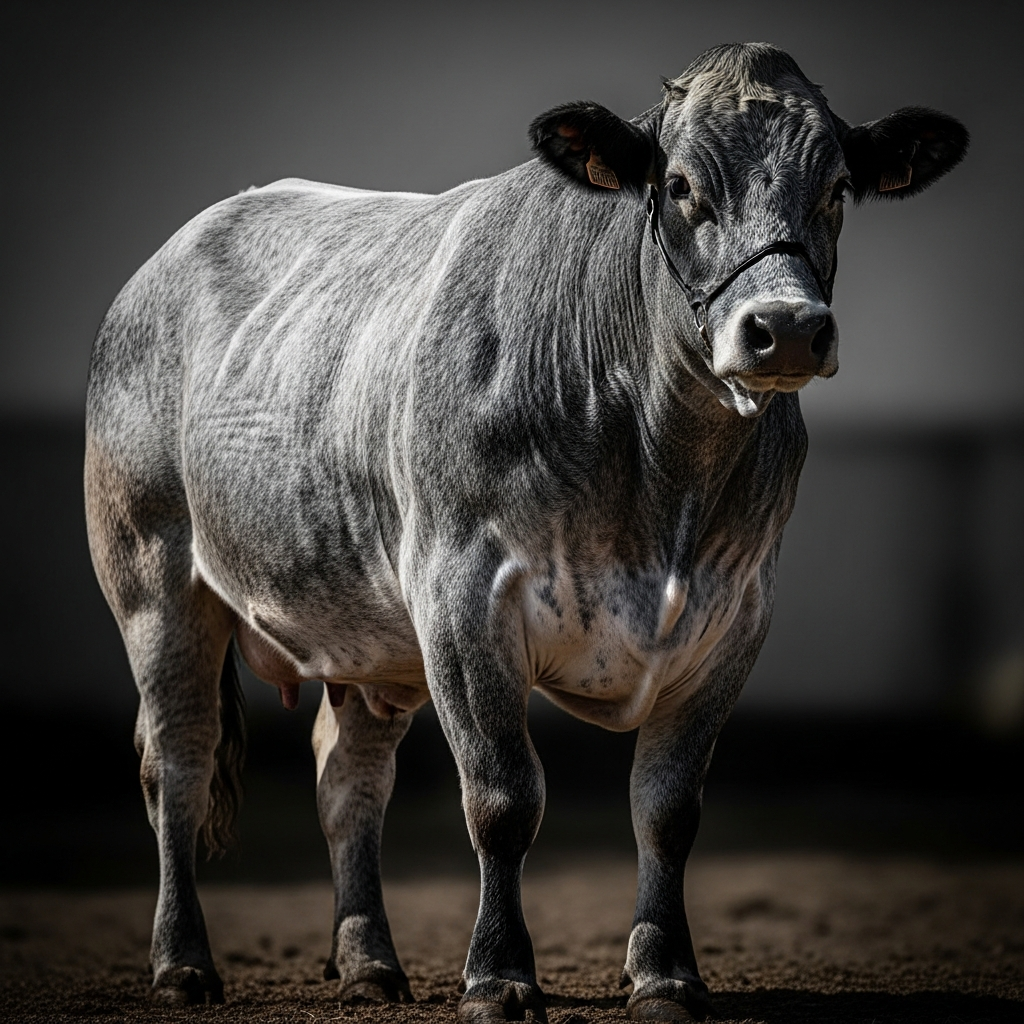
Stoneware mug, dishwasher safe
Buy Mug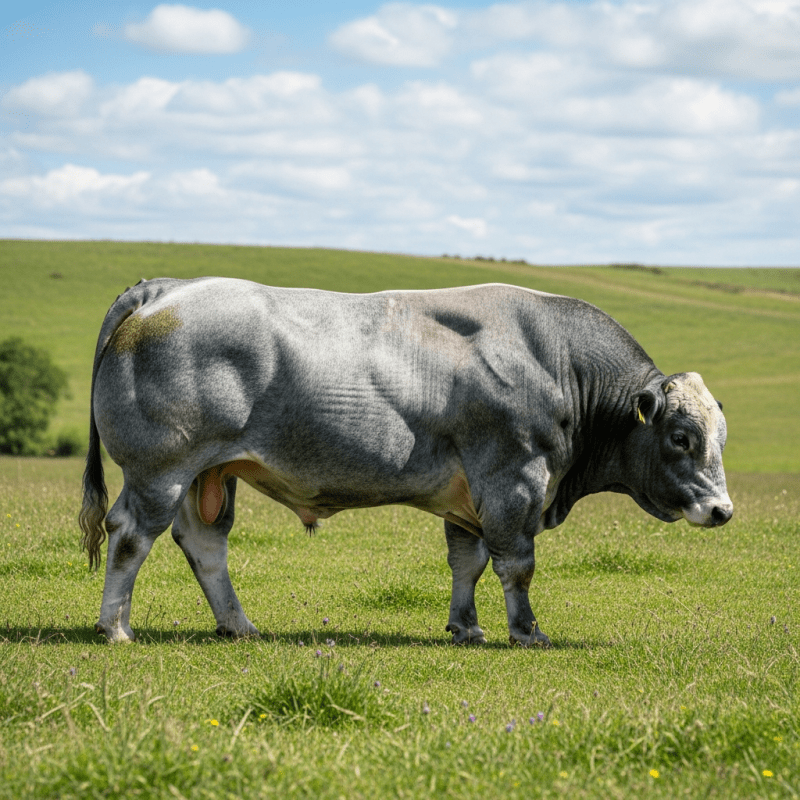
Soft cotton tee, unisex sizes
Buy ShirtIn Belgian agricultural heritage, the Belgian Blue symbolizes modern selective breeding and commercial beef efficiency. Its striking physique has made it a subject of interest in farming communities and livestock exhibitions, representing advances in genetic selection for meat production.
The Belgian Blue is a distinct breed without widely recognized regional variants, all registered under the Belgian breed registry. It is sometimes referred to by synonyms such as "Blanc-Bleu Belge," "Belgisch Witblauw," or "Belgian White Blue." While no formal sub-breeds exist, its genetics contribute to composite breeds aimed at improving beef traits elsewhere.
Belgian Blue cattle produce moderate milk volumes but are primarily valued for their exceptional beef quality. Their meat is lean, tender, and high in muscle content, offering a superior carcass yield with minimal fat. This makes Belgian Blue beef highly sought after in European and international markets for both retail and foodservice.
While Belgian Blues offer efficient meat production through rapid growth and high carcass yield, their specialized genetics and calving challenges require careful management. Intensive breeding and surgical births can increase resource inputs, and the breed’s high feed demand may impact sustainability compared to less specialized cattle.
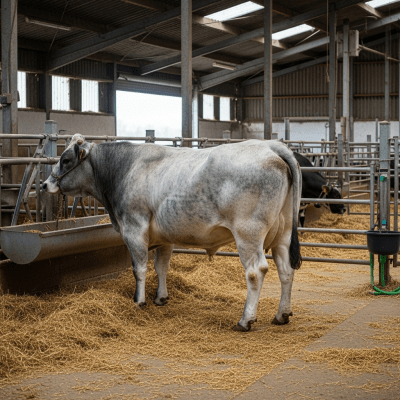
Raising Belgian Blue cattle demands attentive husbandry, particularly around calving due to frequent dystocia. Most births require veterinary-assisted caesarean sections. Their muscular build necessitates balanced nutrition to support rapid growth without compromising health. Regular health monitoring and specialized breeding programs ensure the breed’s productivity and welfare.