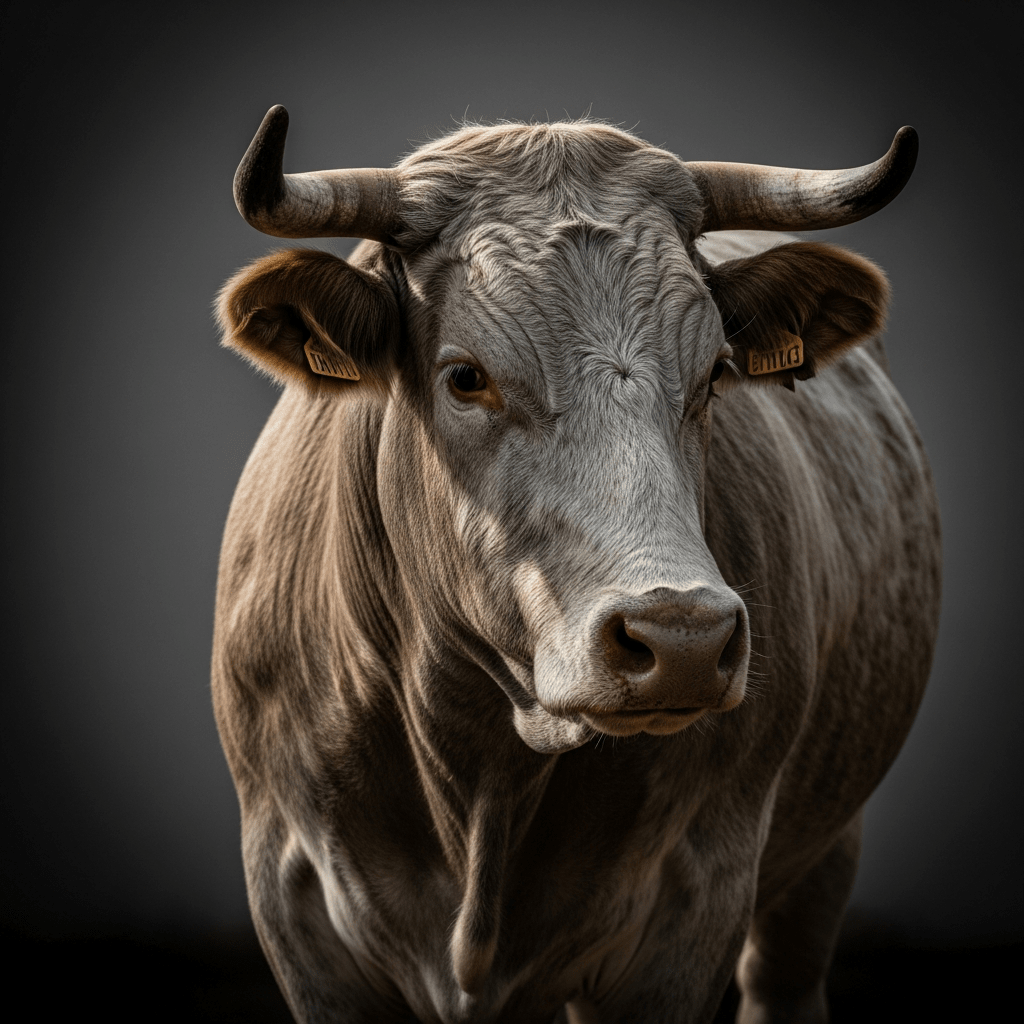
Bos Taurus
Bos taurus is the species name for domestic taurine cattle, the primary type of cattle raised worldwide for dairy, beef, and dual-purpose production in temperate regions.
Bos taurus is the species name for domestic taurine cattle, the primary type of cattle raised worldwide for dairy, beef, and dual-purpose production in temperate regions.
Bos taurus was domesticated from wild aurochs (Bos primigenius) in the Near East and Europe between 8,000 and 10,000 years ago. Over millennia, selective breeding shaped numerous breeds adapted for milk, meat, and labor, forming the foundation of modern European-origin cattle.
Bos taurus belongs to the genus Bos within the subfamily Bovinae and family Bovidae. It is distinct from Bos indicus (zebu cattle), representing the taurine lineage primarily adapted to temperate climates. The species encompasses a wide range of breeds classified by production type, morphology, and genetic lineage.
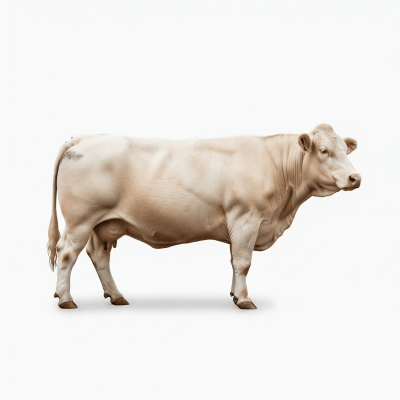
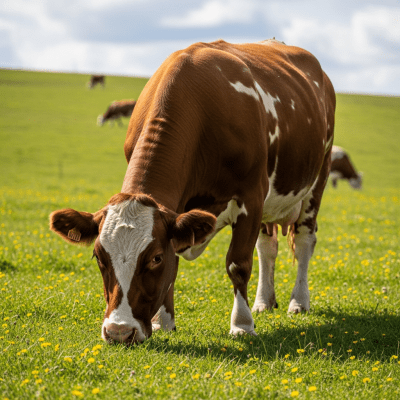
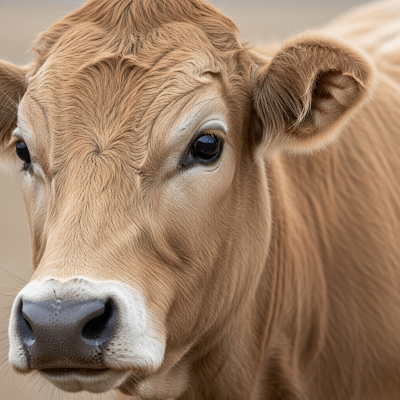
Bos taurus cattle vary widely in appearance, typically weighing between 400 and 1,000 kilograms. Their coats range across black, red, brown, white, and mixed patterns. Both horned and naturally polled (hornless) forms exist, with body types adapted to specific breed functions and environments.
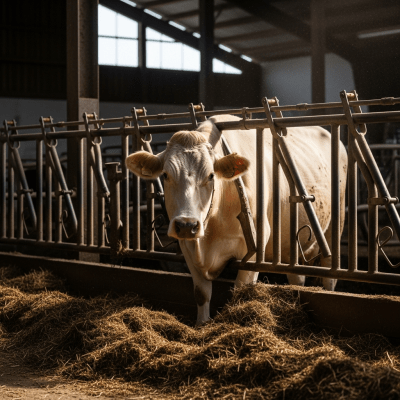
These cattle serve multiple roles including dairy production, beef supply, and dual-purpose uses combining milk and meat. They interact closely with humans through managed grazing, feedlot systems, and selective breeding programs, contributing significantly to global agriculture and rural livelihoods.
Bring this kind into your world illustrated posters, mugs, and shirts.
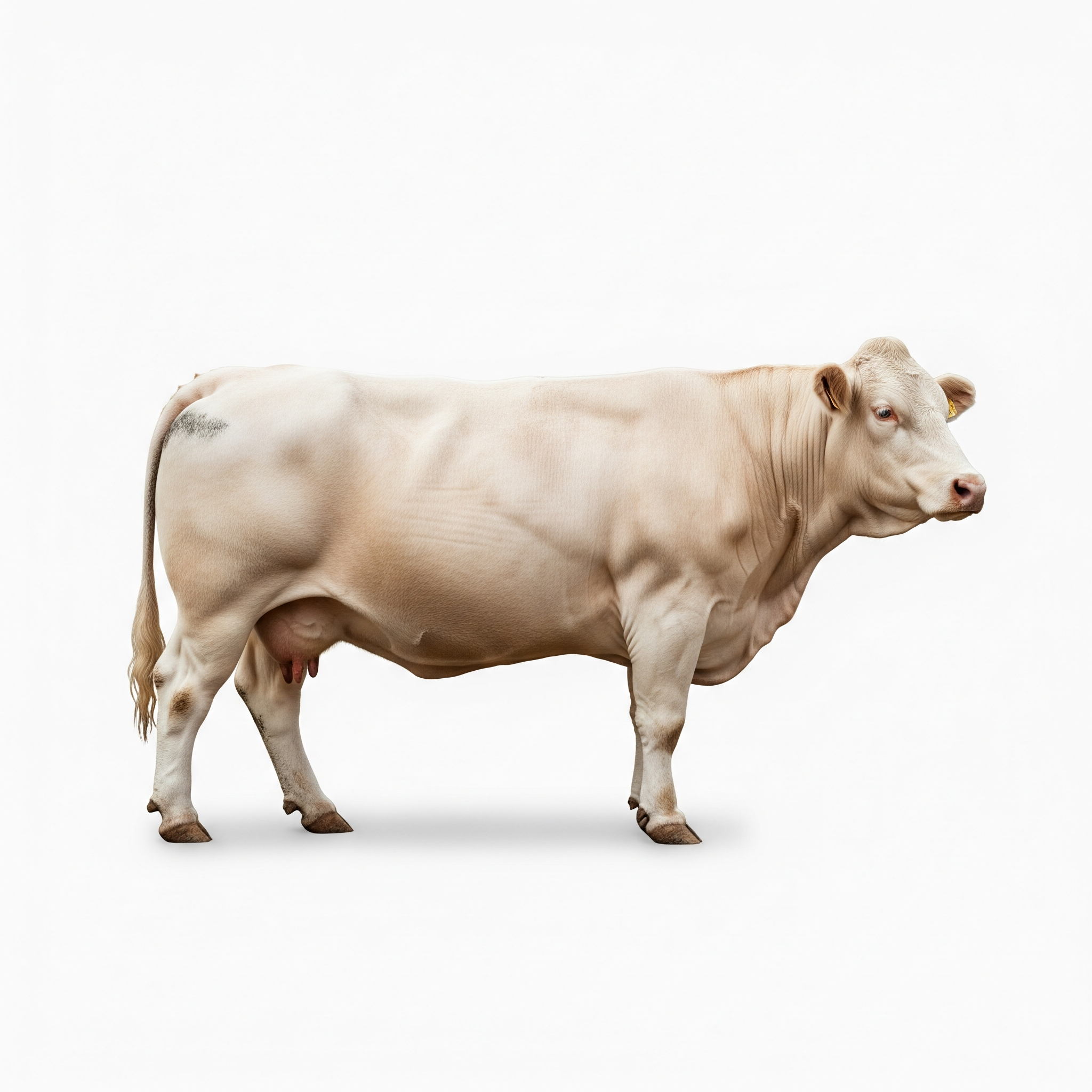
Archival print, museum-grade paper
Buy Poster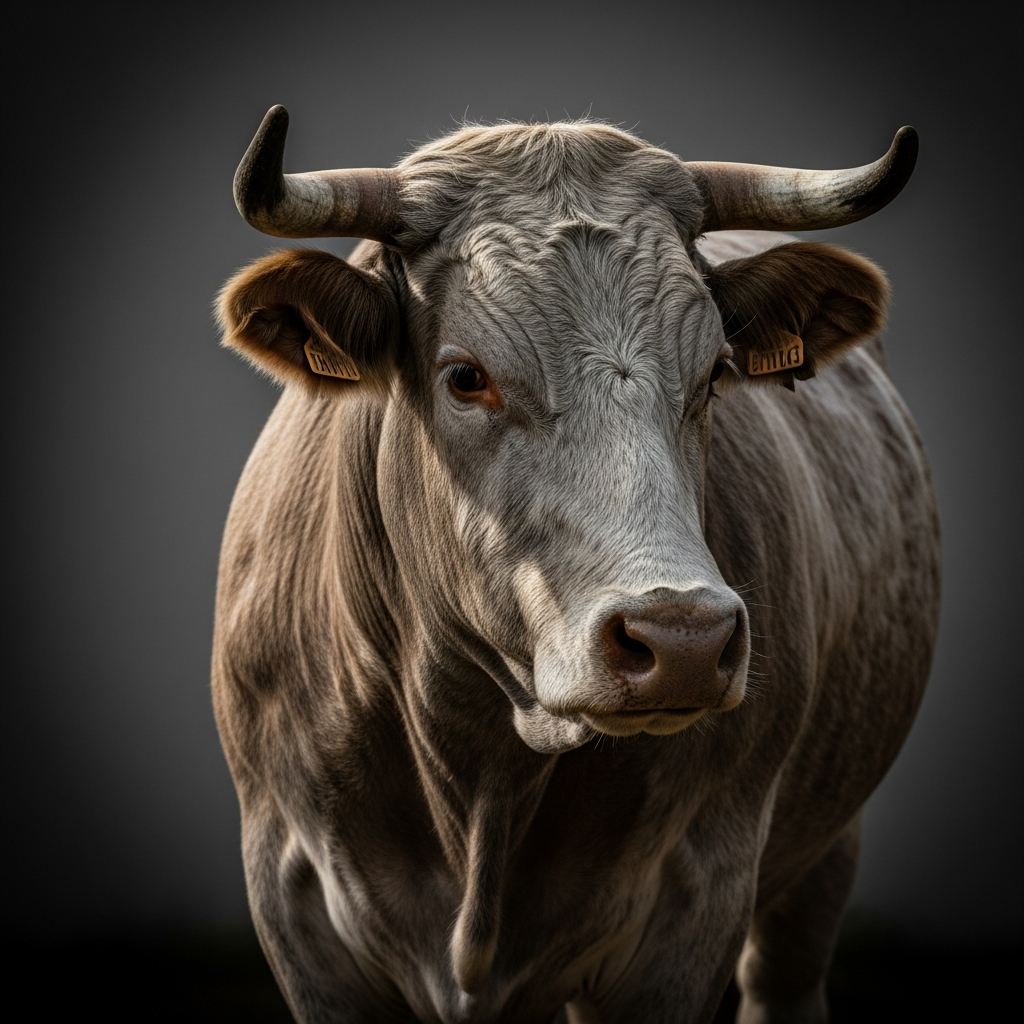
Stoneware mug, dishwasher safe
Buy Mug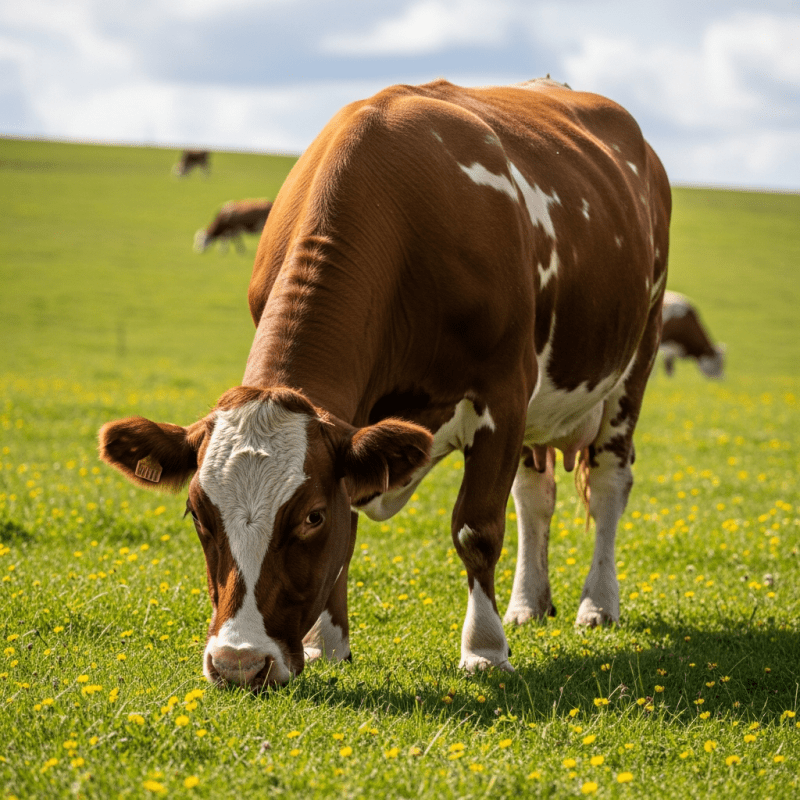
Soft cotton tee, unisex sizes
Buy ShirtBos taurus cattle hold deep cultural importance across many societies. They appear in art, folklore, and religious symbolism, especially in Europe and the Americas. Their products—milk, meat, leather—are integral to culinary traditions and festivals, reflecting centuries of human-animal relationships.
Bos taurus encompasses a vast array of breeds developed primarily in Europe and spread globally. Common dairy breeds include Holstein, Jersey, and Guernsey; beef breeds feature Angus, Hereford, and Charolais; while many dual-purpose breeds, such as Simmental and Brown Swiss, serve both milk and meat production. Coat colors, size, and production traits vary widely among these breeds.
Milk from Bos taurus cattle is prized for its high volume and quality, supporting diverse dairy products like cheese and butter. Beef quality varies by breed, with some selected for marbling and tenderness, such as Angus. The species' products are central to global food markets, valued for flavor, texture, and nutritional content.
Bos taurus cattle significantly influence ecosystems through grazing and land use. While they support food security, their production can contribute to greenhouse gas emissions, land degradation, and water use concerns. Sustainable management practices are increasingly emphasized to balance productivity with environmental stewardship.
Effective care of Bos taurus cattle involves balanced nutrition, health monitoring, and appropriate housing or pasture access. Management practices vary by production system but generally include routine veterinary care, breeding oversight, and environmental adaptation to optimize welfare and productivity.