Origin Story
Domestication of the chicken traces back thousands of years to Southeast Asia, where wild junglefowl were first tamed. Over centuries, selective breeding spread globally, adapting chickens to varied climates and human needs, resulting in the rich variety of breeds seen today.
Classification
Chickens belong to the species Gallus gallus domesticus and are classified into breeds, varieties, and types based on genetics, morphology, and function. Breeds are distinct populations with defined traits, while varieties are subdivisions often distinguished by color or pattern. Functional types include broilers (meat), layers (egg producers), dual-purpose breeds, and ornamental varieties.
Appearance or Form
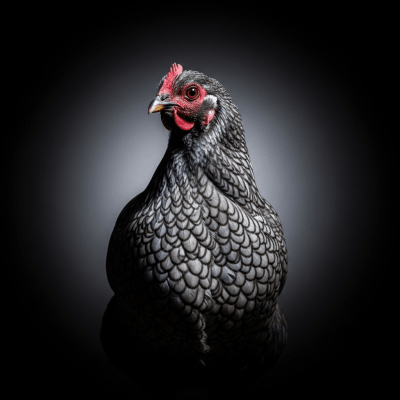
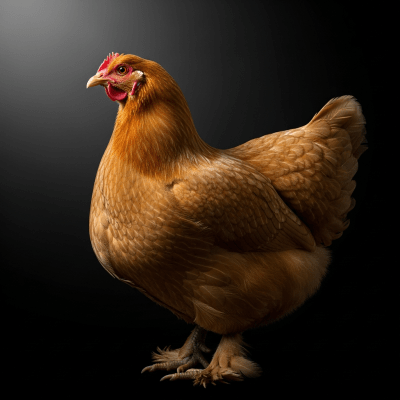
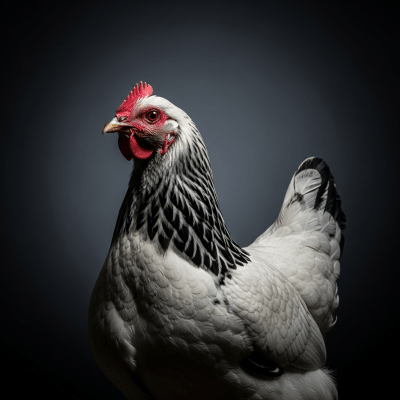
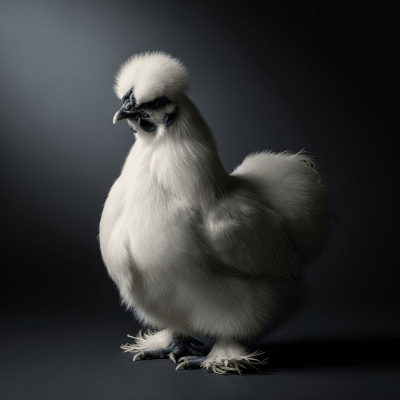
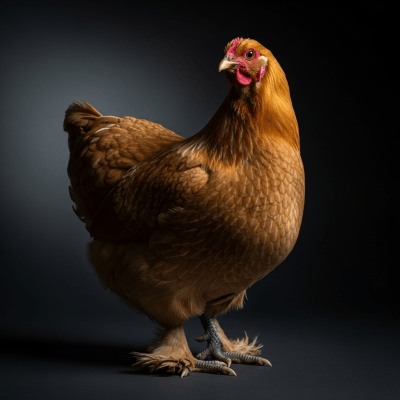
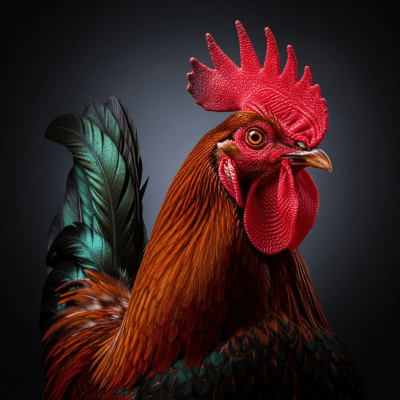
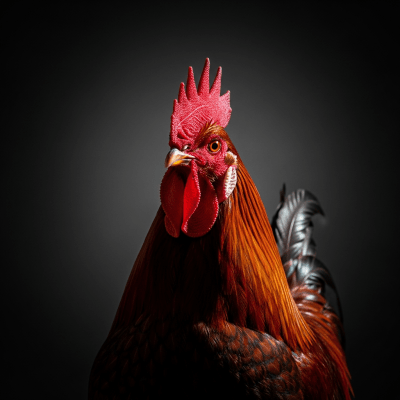
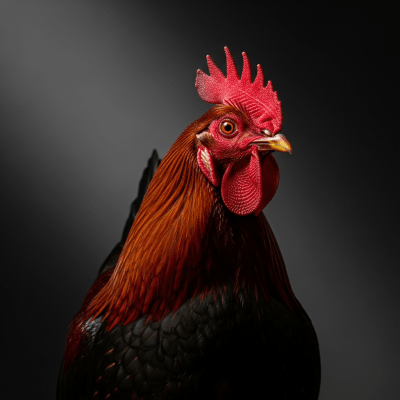
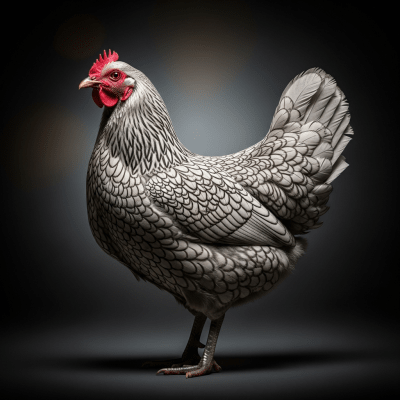
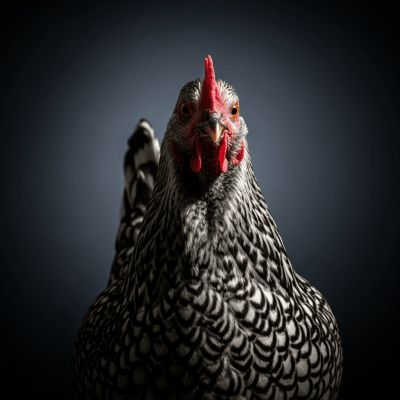
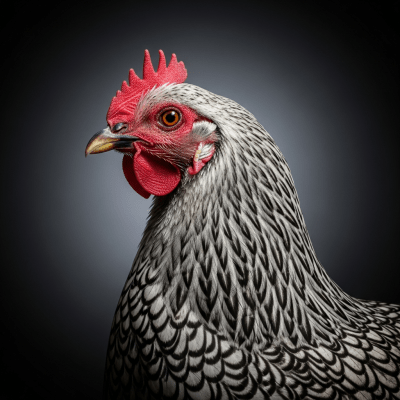
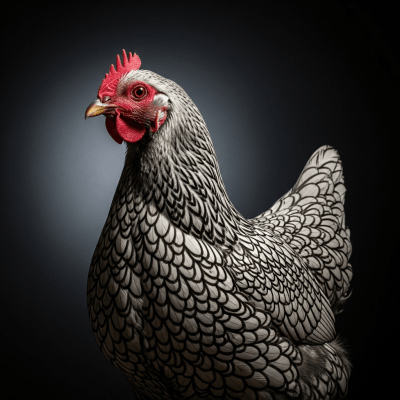
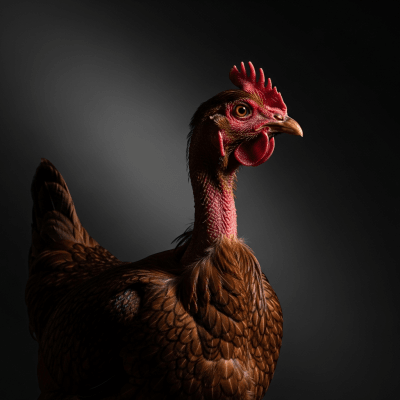
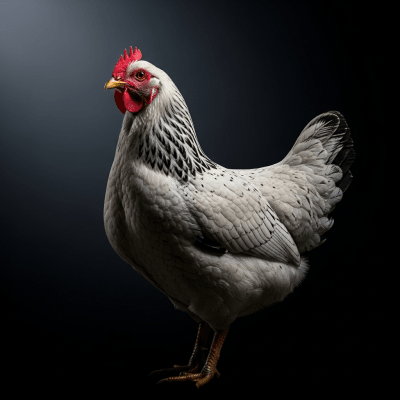
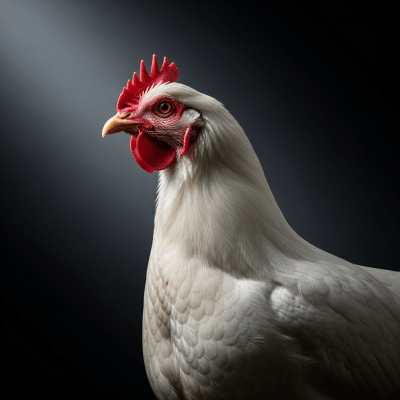
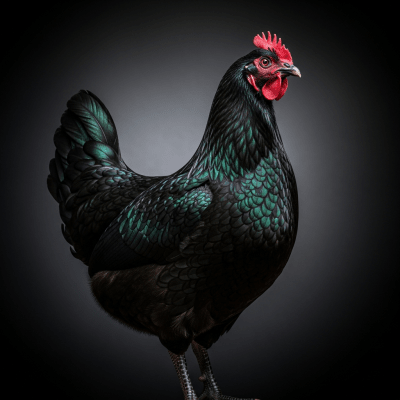
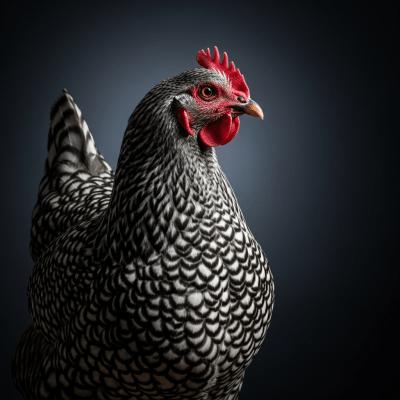
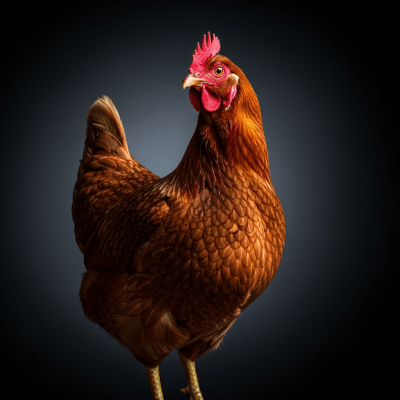
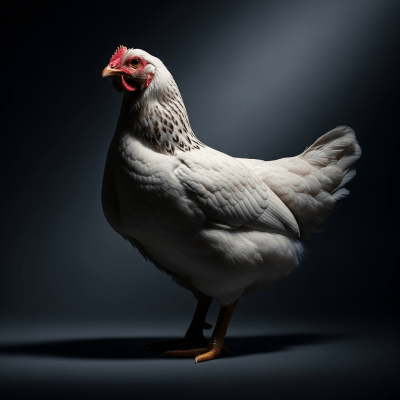
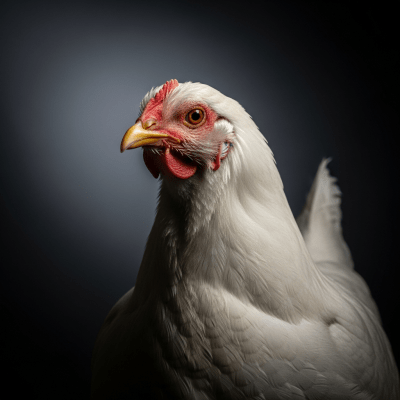
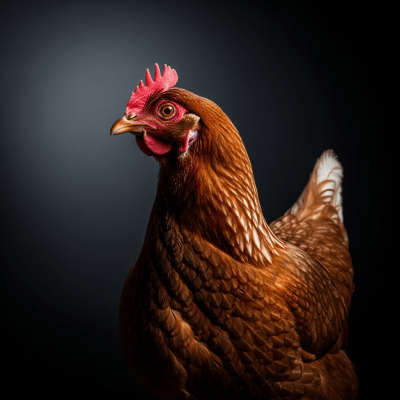
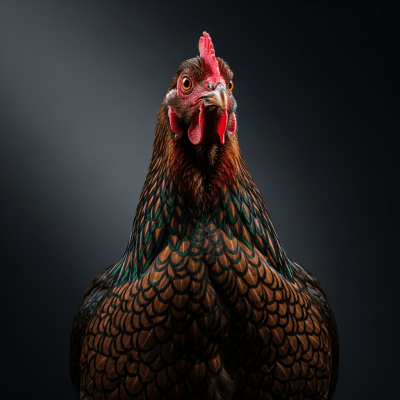
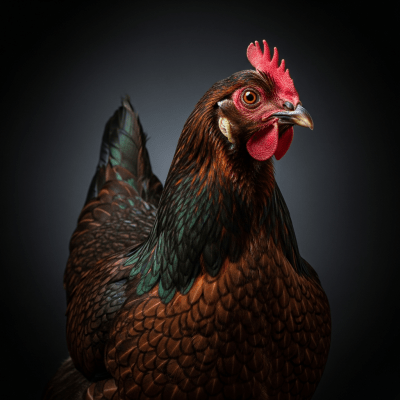
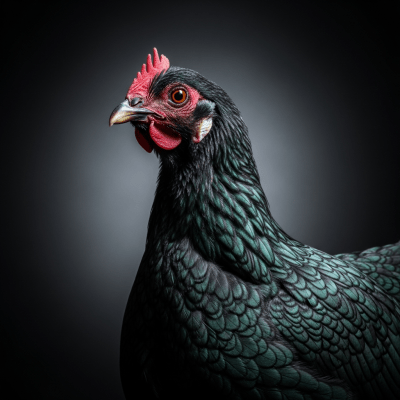
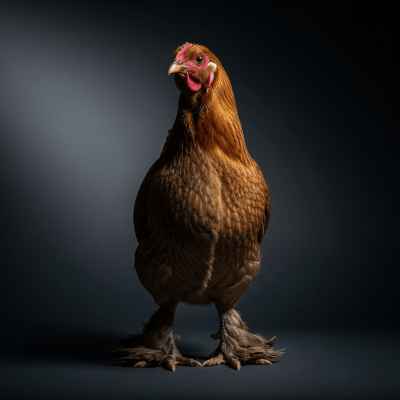
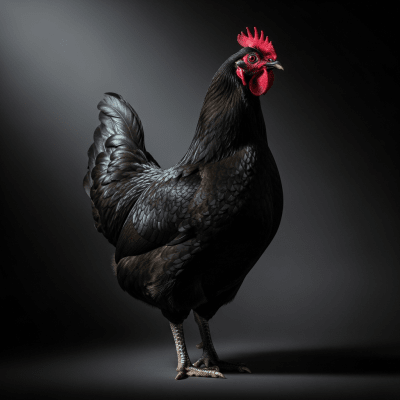
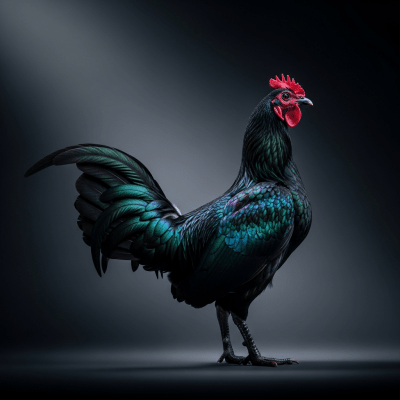
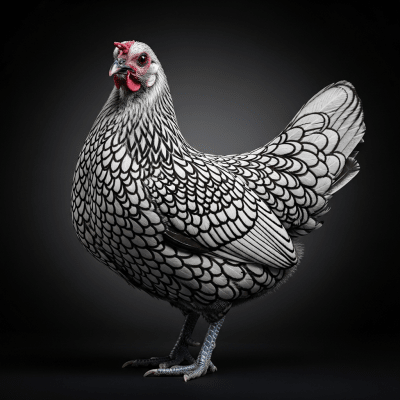
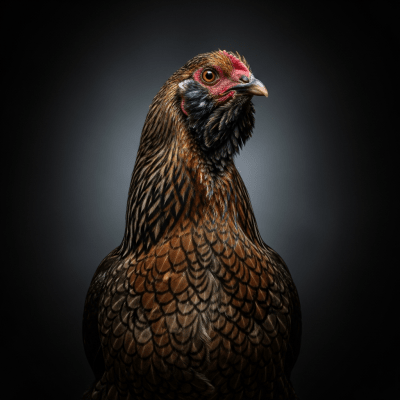
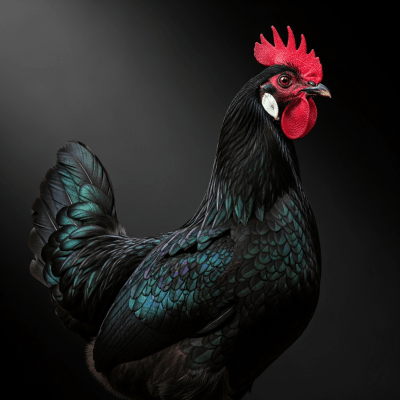
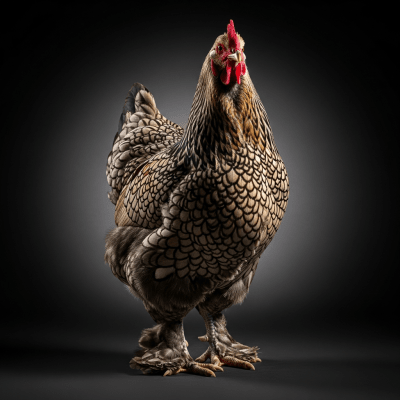
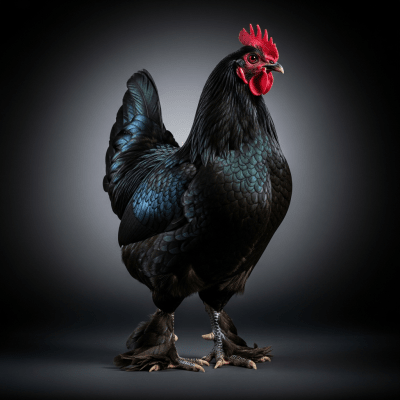
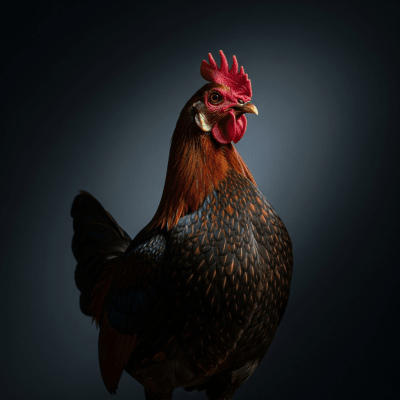
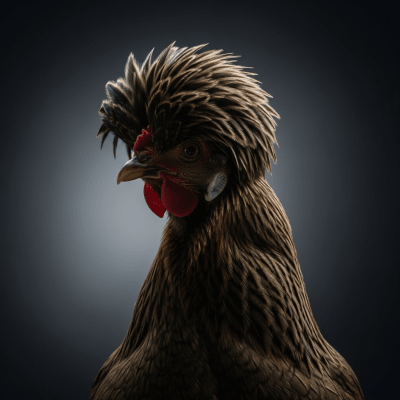
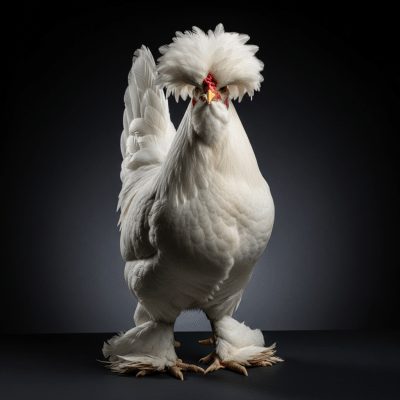
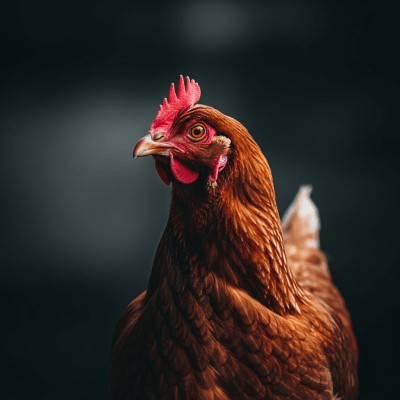
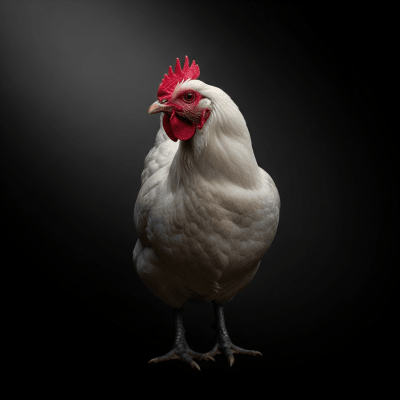
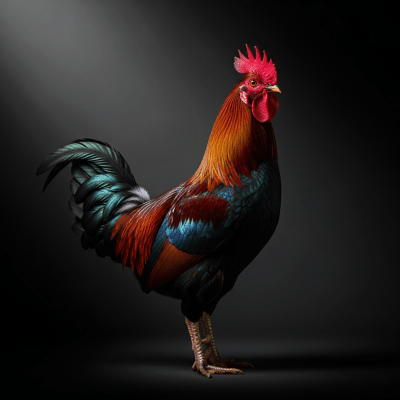
Chickens exhibit a wide range of physical traits, including diverse feather colors and patterns, comb shapes, and body sizes. From the miniature bantams to large dual-purpose breeds, their appearance reflects both genetic heritage and selective breeding goals, making them visually distinctive across breeds.
Behavior or Usage
Chickens are primarily raised for their meat and eggs, with broilers optimized for rapid growth and layers for high egg production. Beyond agriculture, many breeds serve ornamental or exhibition purposes, showcasing unique plumage and traits. Their behavior includes social flock dynamics, foraging instincts, and vocal communication, all integral to their management and husbandry.