Origin Story
The story of dogs begins thousands of years ago, when early humans domesticated wolves, gradually shaping their behavior and appearance through selective breeding. This process, unfolding across continents and cultures, transformed wild canids into the myriad breeds we know today. From ancient hunting partners to modern household pets, dogs’ origins reflect a deep, evolving partnership between species, influenced by geography, necessity, and human ingenuity.
Classification
Dogs belong to the Animalia kingdom, classified scientifically as Canis lupus familiaris—a subspecies of the gray wolf. Within the broader family Canidae, dogs are distinguished from wild relatives like wolves, foxes, and coyotes by their domestication and breed diversity. Recognized breed groups, such as Sporting, Working, Herding, and Toy, organize dogs by function and traits, with major authorities like the American Kennel Club (AKC) and Fédération Cynologique Internationale (FCI) setting standards for breed recognition and classification.
Appearance or Form
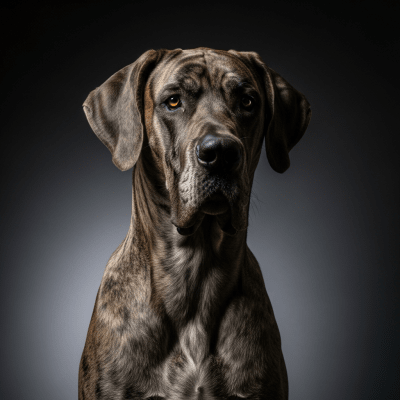
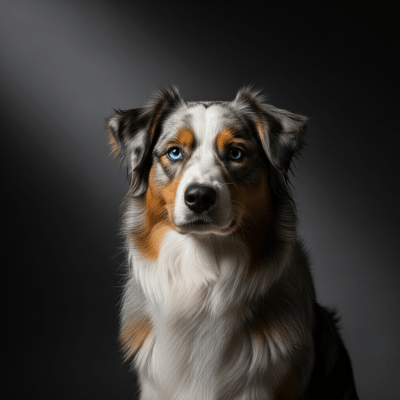
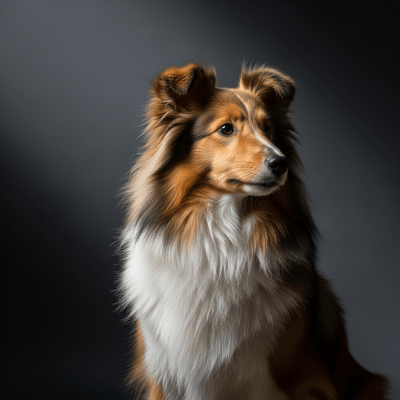
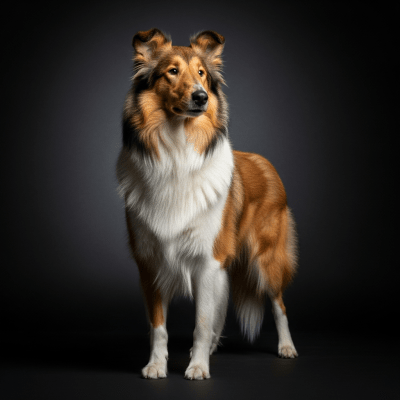
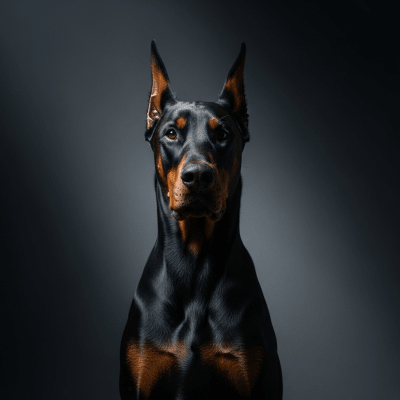
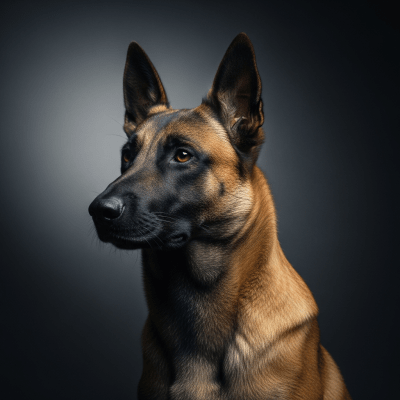
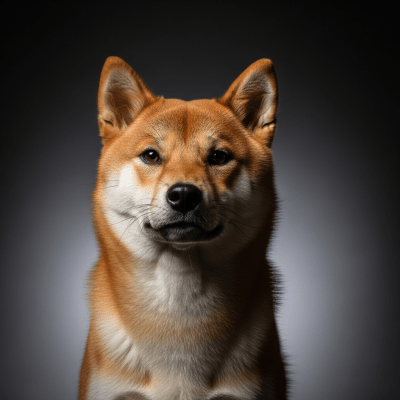
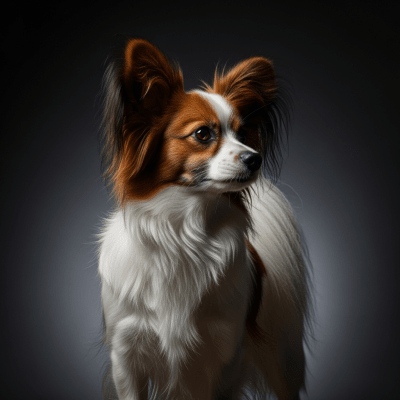
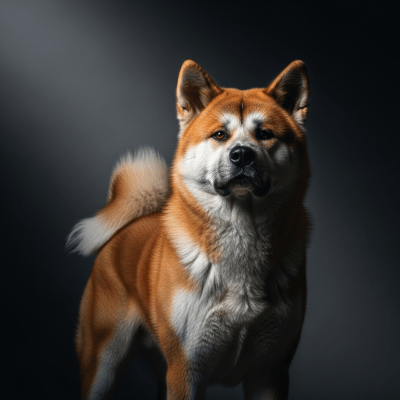
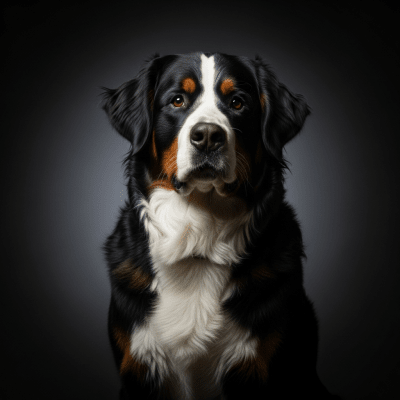
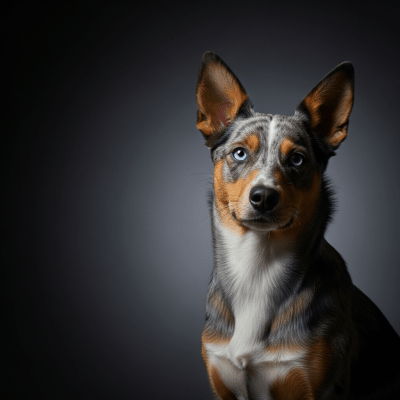
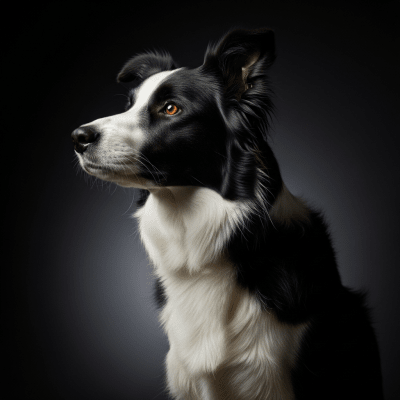
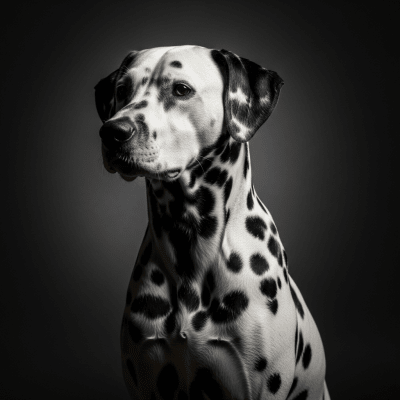
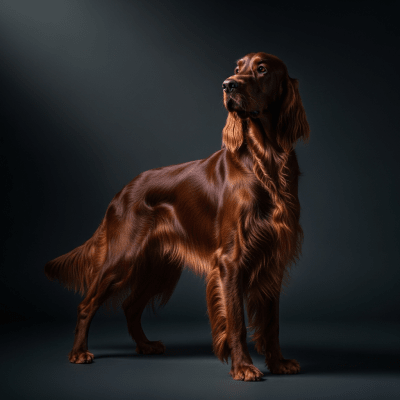
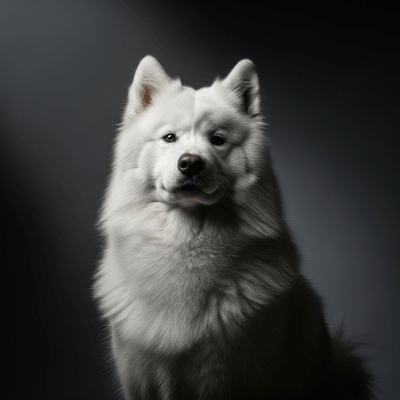
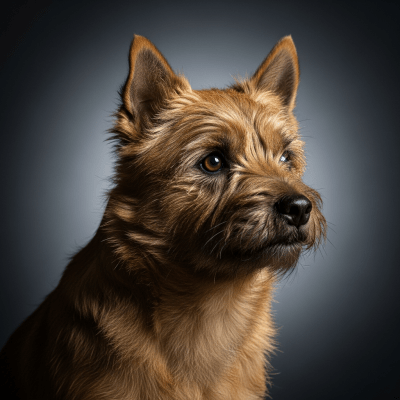
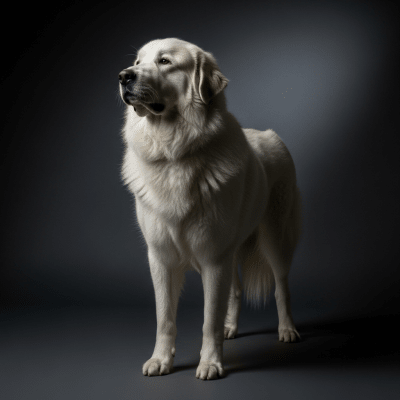
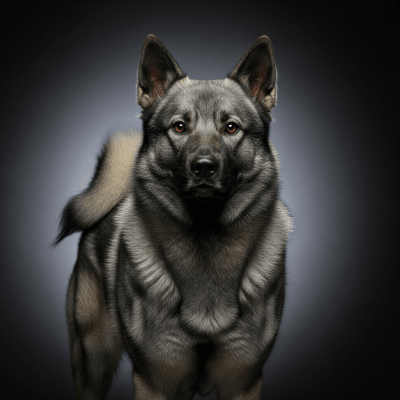
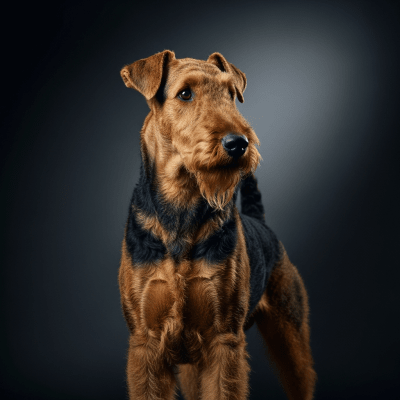
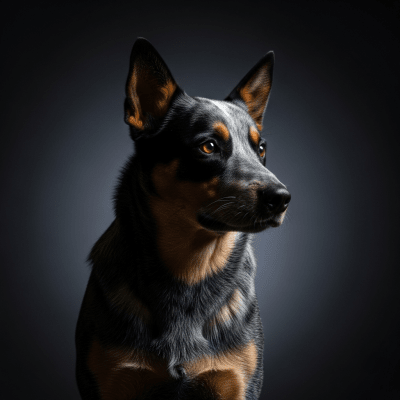
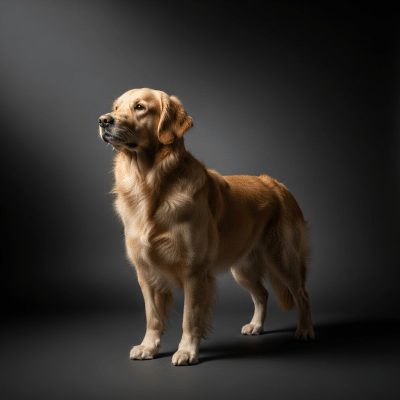
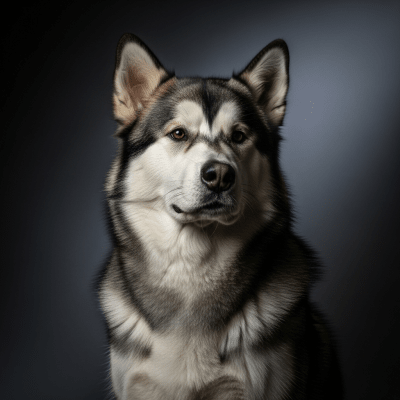
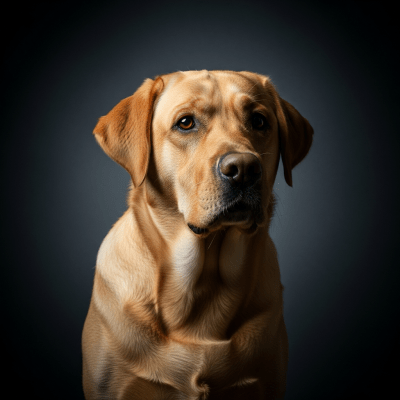
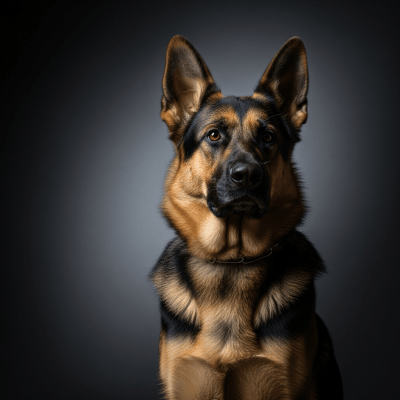
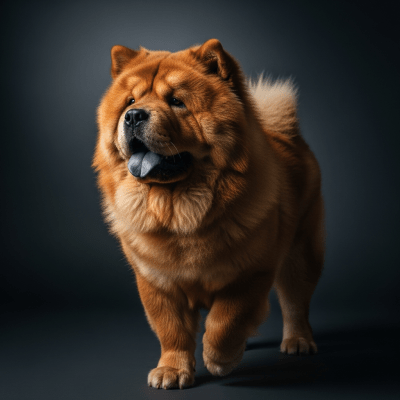
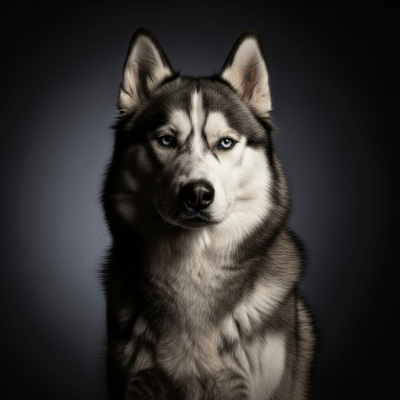
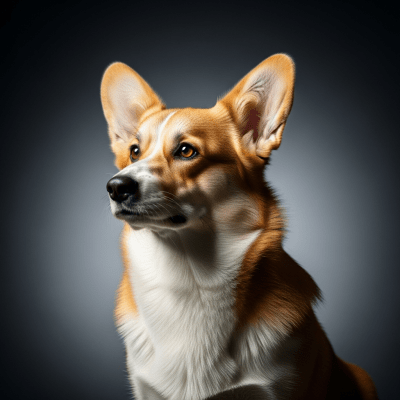
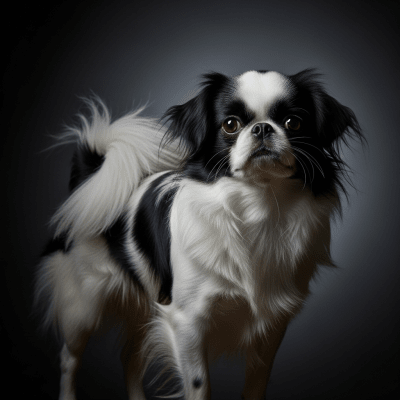
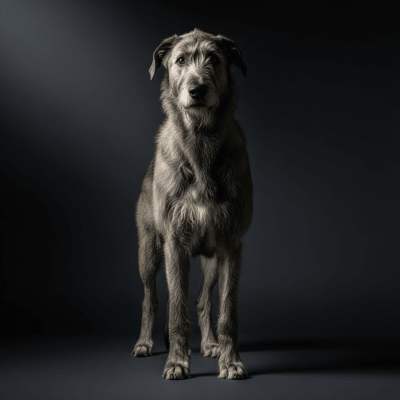
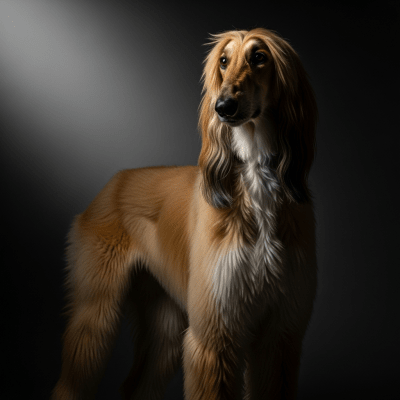
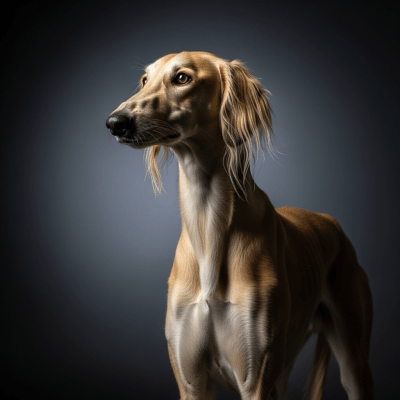
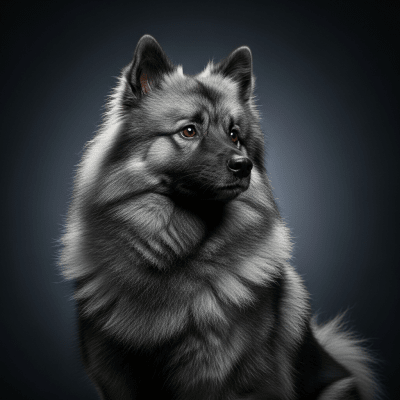
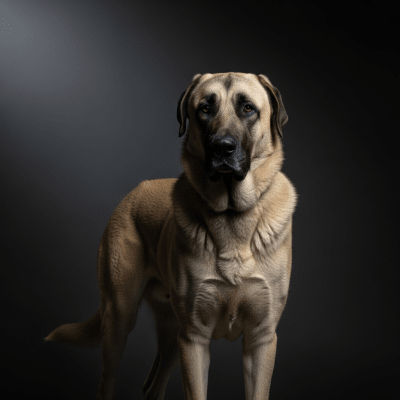
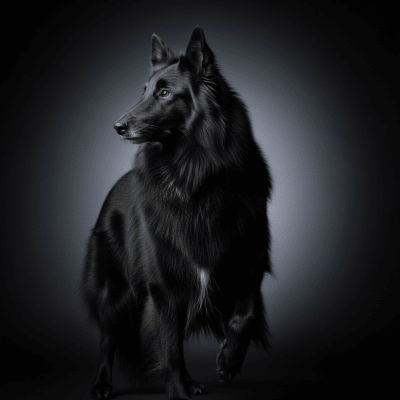
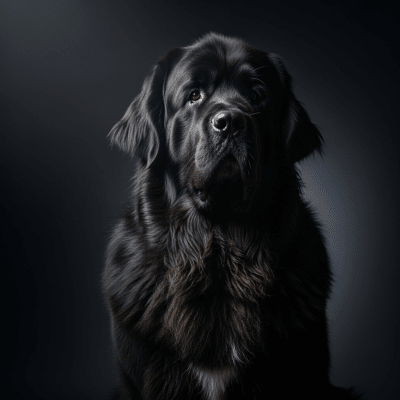
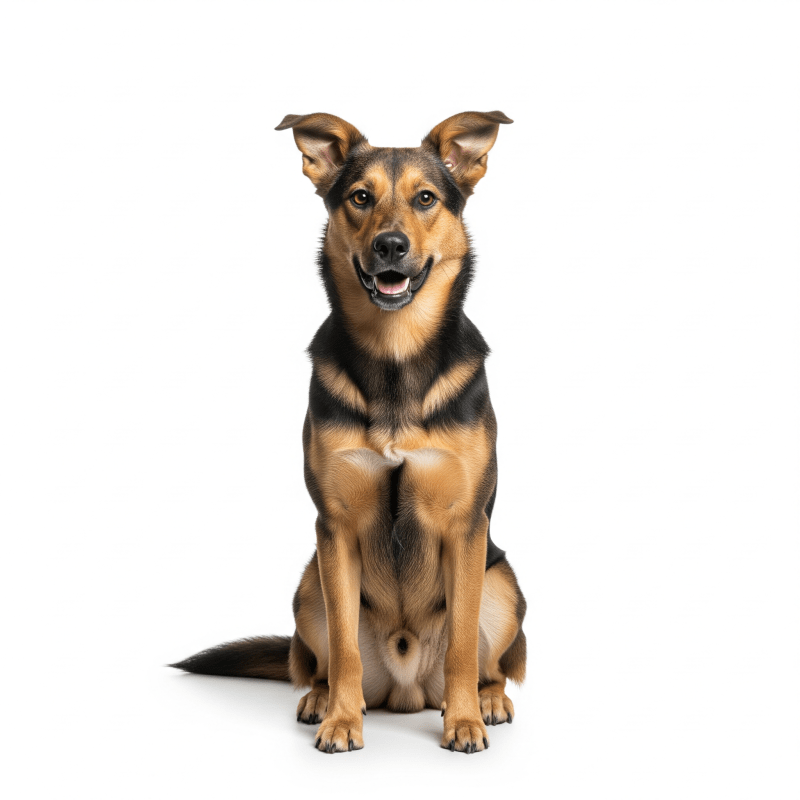
Dogs display an extraordinary range of physical traits, from the diminutive Chihuahua to the towering Great Dane. Their coats vary in length, texture, and color—curly, straight, wiry, or smooth—while body shapes reflect centuries of selective breeding for tasks like running, swimming, or guarding. Ears may be floppy or erect, tails straight or curled, and eyes expressive in countless ways. This diversity makes dogs one of the most visually varied species on earth.
Behavior or Usage
Dogs are celebrated for their adaptability and intelligence. Historically, they have served as hunters, herders, guardians, and companions. Today, their roles span from working dogs—such as police, guide, and therapy animals—to beloved family pets. Their behavior is shaped by breed, upbringing, and purpose, with some excelling in agility or obedience, while others thrive as gentle lapdogs. The human-dog relationship is marked by mutual trust, utility, and affection.