Insects

46 kinds of insects described and visualized

Insects are a vast and diverse group of animals classified within the class Insecta, characterized by a three-part body structure, six jointed legs, compound eyes, and typically one or two pairs of wings. Representing the most numerous and varied group of animals on Earth, insects play vital roles in ecosystems, agriculture, and human culture.

A collection from Kinds Of - designing the world’s structured knowledge

Kinds of Insects

Origin Story

The story of insects begins over 400 million years ago during the Devonian period, when early arthropods evolved the distinctive features that define modern insects. Originating in ancient aquatic environments, insects gradually adapted to terrestrial life, developing wings and diverse body forms that allowed them to colonize nearly every habitat on Earth.

Classification

Insects belong to the kingdom Animalia, phylum Arthropoda, and class Insecta. This class is further divided into numerous orders such as Coleoptera (beetles), Lepidoptera (butterflies and moths), Diptera (flies), and Hymenoptera (ants, bees, and wasps). Scientific classification relies on binomial nomenclature, assigning each species a unique two-part Latin name, which helps organize the immense diversity within this group.

Appearance or Form

Insects typically possess a segmented body divided into three main parts: the head, thorax, and abdomen. They have three pairs of jointed legs attached to the thorax and usually one or two pairs of wings, although some species are wingless. Their compound eyes provide a wide field of vision, and many have antennae that serve as sensory organs. Their exoskeletons offer protection and structural support, varying widely in color, size, and shape across species.

Behavior or Usage

Insects exhibit a wide range of behaviors including pollination, predation, decomposition, and social organization. Many species are crucial pollinators supporting global agriculture, while others act as natural pest controllers or decomposers recycling organic matter. Humans have long utilized insects for purposes such as honey production, silk harvesting, and biological pest management, highlighting their ecological and economic importance.

Buy the Collection

See how the Insects edition appears in two poster formats.

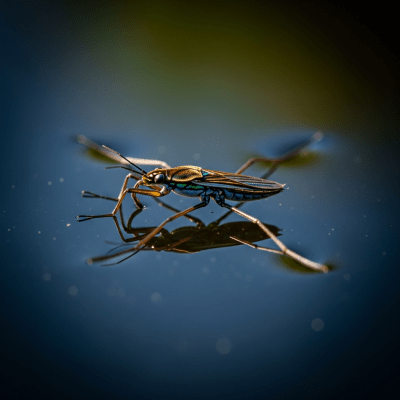
Gerris lacustris

Gerris lacustris

The water strider (Gerris lacustris) is an aquatic insect famed for its unique ability to walk on the surface of calm freshwater using specialized hydrophobic legs.

Corydalus cornutus

Corydalus cornutus

The dobsonfly (Corydalus cornutus) is a large North American aquatic insect known for its striking elongated mandibles in males and its role as an indicator of clean freshwater ecosystems.

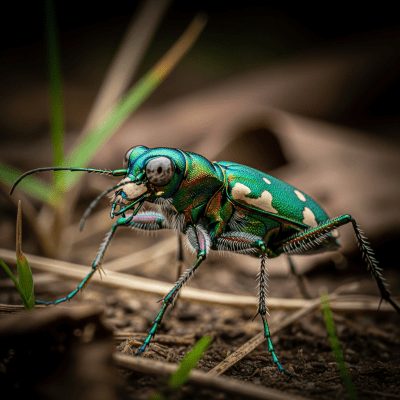
Cicindela campestris

Cicindela campestris

The tiger beetle (Cicindela campestris) is a fast-moving, metallic green predatory beetle known for its remarkable speed and agility in open habitats.

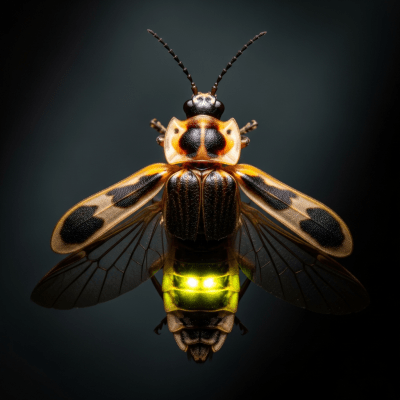
Photinus pyralis

Photinus pyralis

The firefly, Photinus pyralis, is a bioluminescent beetle renowned for its glowing light displays used in nocturnal mating rituals.

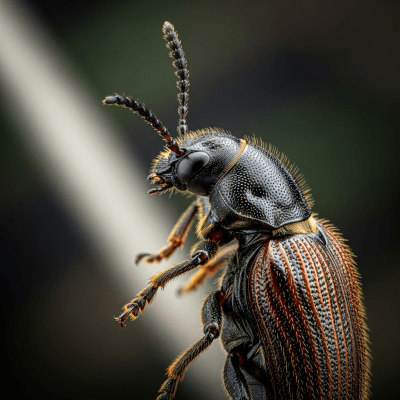
Dendroctonus ponderosae

Dendroctonus ponderosae

The bark beetle, Dendroctonus ponderosae, is a small but impactful insect known for its ability to bore into pine tree bark, causing widespread damage in North American forests.

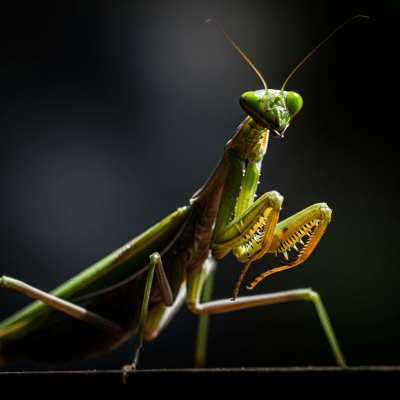
Mantis religiosa

Mantis religiosa

The praying mantis (Mantis religiosa) is a predatory insect famed for its distinctive "praying" posture, where it folds its raptorial forelegs as if in prayer, making it a skilled ambush hunter of insects and small vertebrates.

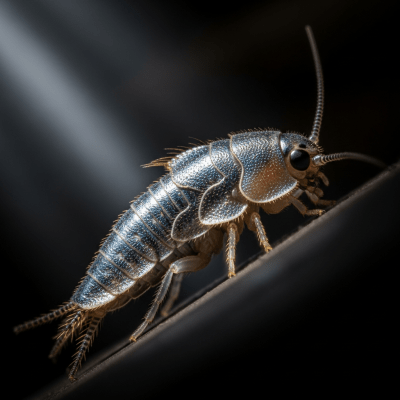
Lepisma saccharina

Lepisma saccharina

Silverfish (Lepisma saccharina) are small, wingless insects known for their silvery, metallic sheen and swift, fish-like movements, commonly found in damp indoor environments where they feed on starchy materials.

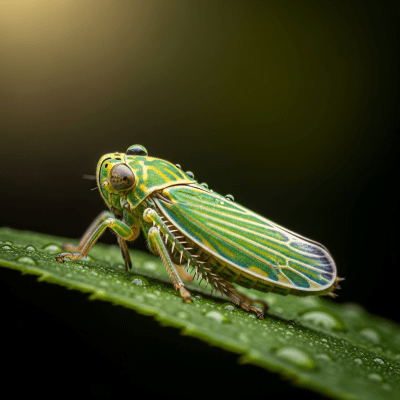
Cicadella viridis

Cicadella viridis

Cicadella viridis, commonly known as the Green Leafhopper, is a small, agile insect recognized for its plant-feeding habits and remarkable jumping ability.

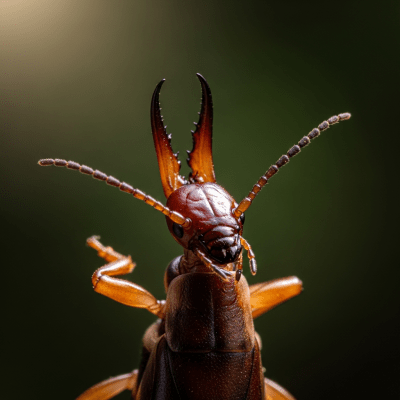
Forficula auricularia

Forficula auricularia

The European earwig (Forficula auricularia) is a small, nocturnal insect known for its elongated, reddish-brown body and distinctive forceps-like pincers at the rear.

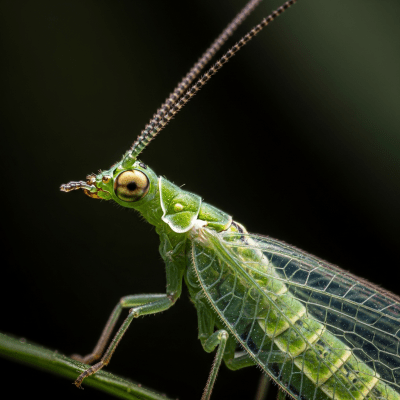
Chrysoperla carnea

Chrysoperla carnea

Chrysoperla carnea, commonly known as the green lacewing, is a delicate insect famed for its lace-like wings and vital role as a natural predator of agricultural pests.

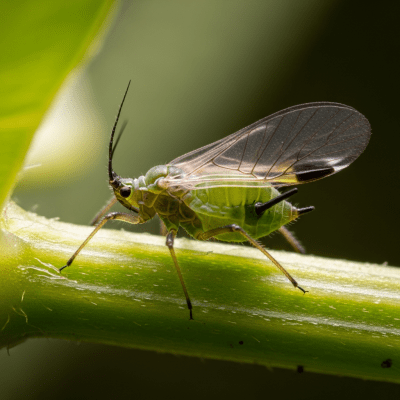
Aphis gossypii

Aphis gossypii

Aphis gossypii, commonly known as the cotton aphid, is a small sap-sucking insect notable for its rapid reproduction and widespread impact as an agricultural pest.

Sitophilus oryzae

Sitophilus oryzae

The weevil, specifically Sitophilus oryzae, is a small beetle known worldwide as a major pest of stored grains, easily identified by its elongated snout and compact body.

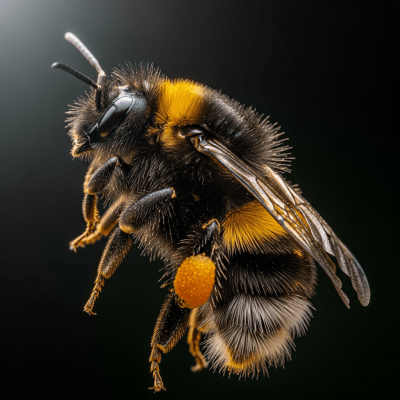
Bombus terrestris

Bombus terrestris

The bumblebee, Bombus terrestris, is a large, fuzzy bee species known for its distinctive black and yellow bands and its essential role as a highly effective pollinator in both natural and agricultural ecosystems.

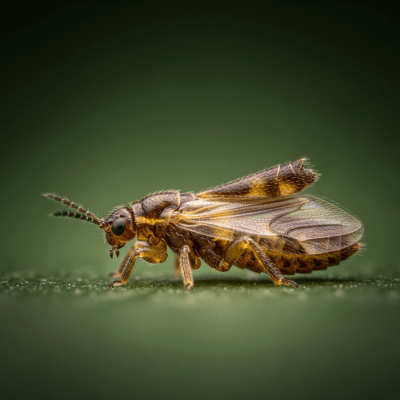
Frankliniella occidentalis

Frankliniella occidentalis

Frankliniella occidentalis, commonly known as the Western flower thrips, is a tiny insect species recognized worldwide for its impact as an agricultural pest and vector of plant viruses.

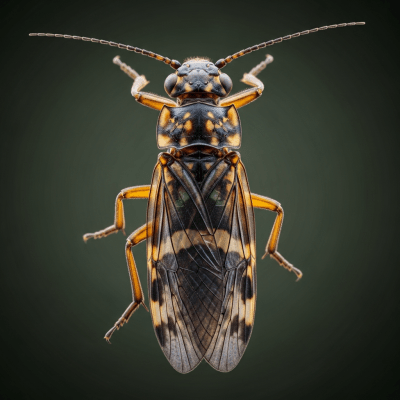
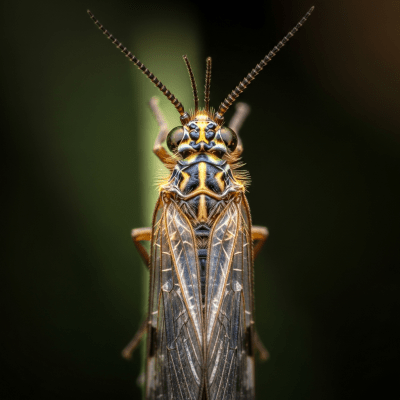
Plecoptera

Plecoptera

Stoneflies (order Plecoptera) are slender aquatic insects known for their sensitivity to water quality, making them vital indicators of clean, well-oxygenated freshwater ecosystems.

Ischnura elegans

Ischnura elegans

The damselfly Ischnura elegans is a slender, delicate insect closely related to dragonflies, recognized for its bright coloration and habit of holding its transparent wings together above its body when at rest.

Buy Large Edition with 16 Kinds

Cultural Significance

Insects have held significant roles in human culture, mythology, and art throughout history. They appear as symbols of transformation, industriousness, and resilience in various traditions. Modern culture continues to embrace insects in literature, design, and education, reflecting their enduring fascination and influence on human creativity and understanding of nature.
Notable Facts

  • Insects make up more than half of all known living organisms on Earth.
  • Some insects, like the honeybee, communicate through complex dances.
  • Beetles represent the largest order of insects, with over 350,000 described species.
  • Many insects undergo complete metamorphosis, transforming from larvae to adults.
  • Despite their small size, insects have colonized nearly every terrestrial habitat worldwide.

Kinds of Insects

Explore the range of forms, textures, and traditions within this collection.

Sorted by popularity

Striking editorial-style portrait of a single Water Strider, from the taxonomy insects.

Gerris lacustris

The water strider (Gerris lacustris) is an aquatic insect famed for its unique ability to walk on the surface of calm freshwater using specialized hydrophobic legs.

Striking editorial-style portrait of a single Dobsonfly, from the taxonomy insects.

Corydalus cornutus

The dobsonfly (Corydalus cornutus) is a large North American aquatic insect known for its striking elongated mandibles in males and its role as an indicator of clean freshwater ecosystems.

Striking editorial-style portrait of a single Tiger Beetle, from the taxonomy insects.

Cicindela campestris

The tiger beetle (Cicindela campestris) is a fast-moving, metallic green predatory beetle known for its remarkable speed and agility in open habitats.

Striking editorial-style portrait of a single Firefly, from the taxonomy insects.

Photinus pyralis

The firefly, Photinus pyralis, is a bioluminescent beetle renowned for its glowing light displays used in nocturnal mating rituals.

Striking editorial-style portrait of a single Bark Beetle, from the taxonomy insects.

Dendroctonus ponderosae

The bark beetle, Dendroctonus ponderosae, is a small but impactful insect known for its ability to bore into pine tree bark, causing widespread damage in North American forests.

Striking editorial-style portrait of a single Praying Mantis, from the taxonomy insects.

Mantis religiosa

The praying mantis (Mantis religiosa) is a predatory insect famed for its distinctive "praying" posture, where it folds its raptorial forelegs as if in prayer, making it a skilled ambush hunter of insects and small vertebrates.

Striking editorial-style portrait of a single Silverfish, from the taxonomy insects.

Lepisma saccharina

Silverfish (Lepisma saccharina) are small, wingless insects known for their silvery, metallic sheen and swift, fish-like movements, commonly found in damp indoor environments where they feed on starchy materials.

Striking editorial-style portrait of a single Leafhopper, from the taxonomy insects.

Cicadella viridis

Cicadella viridis, commonly known as the Green Leafhopper, is a small, agile insect recognized for its plant-feeding habits and remarkable jumping ability.

Striking editorial-style portrait of a single Earwig, from the taxonomy insects.

Forficula auricularia

The European earwig (Forficula auricularia) is a small, nocturnal insect known for its elongated, reddish-brown body and distinctive forceps-like pincers at the rear.

Striking editorial-style portrait of a single Lacewing, from the taxonomy insects.

Chrysoperla carnea

Chrysoperla carnea, commonly known as the green lacewing, is a delicate insect famed for its lace-like wings and vital role as a natural predator of agricultural pests.

Striking editorial-style portrait of a single Aphid, from the taxonomy insects.

Aphis gossypii

Aphis gossypii, commonly known as the cotton aphid, is a small sap-sucking insect notable for its rapid reproduction and widespread impact as an agricultural pest.

Striking editorial-style portrait of a single Weevil, from the taxonomy insects.

Sitophilus oryzae

The weevil, specifically Sitophilus oryzae, is a small beetle known worldwide as a major pest of stored grains, easily identified by its elongated snout and compact body.

Striking editorial-style portrait of a single Bumblebee, from the taxonomy insects.

Bombus terrestris

The bumblebee, Bombus terrestris, is a large, fuzzy bee species known for its distinctive black and yellow bands and its essential role as a highly effective pollinator in both natural and agricultural ecosystems.

Striking editorial-style portrait of a single Thrips, from the taxonomy insects.

Frankliniella occidentalis

Frankliniella occidentalis, commonly known as the Western flower thrips, is a tiny insect species recognized worldwide for its impact as an agricultural pest and vector of plant viruses.

Striking editorial-style portrait of a single Stonefly, from the taxonomy insects.

Plecoptera

Stoneflies (order Plecoptera) are slender aquatic insects known for their sensitivity to water quality, making them vital indicators of clean, well-oxygenated freshwater ecosystems.

Striking editorial-style portrait of a single Damselfly, from the taxonomy insects.

Ischnura elegans

The damselfly Ischnura elegans is a slender, delicate insect closely related to dragonflies, recognized for its bright coloration and habit of holding its transparent wings together above its body when at rest.

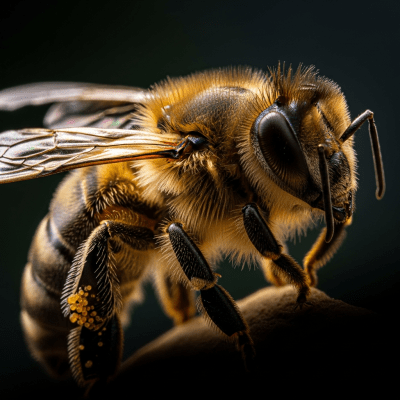
Striking editorial-style portrait of a single Honey Bee, from the taxonomy insects.

Apis mellifera

The honey bee (Apis mellifera) is a domesticated insect renowned worldwide for its vital role in pollination and honey production.

Striking editorial-style portrait of a single Botfly, from the taxonomy insects.

Dermatobia hominis

Dermatobia hominis, commonly known as the human botfly, is a parasitic fly species whose larvae uniquely develop within the skin of mammals, including humans, causing cutaneous myiasis primarily in tropical Central and South America.

Striking editorial-style portrait of a single Caddisfly, from the taxonomy insects.

Hydropsyche spp.

Hydropsyche caddisflies are aquatic insects known for their silk-spinning larvae that construct protective nets and cases in freshwater streams, serving as vital indicators of water quality and key prey for fish.

Striking editorial-style portrait of a single Gnat, from the taxonomy insects.

Sciaridae

Gnats are small, delicate flies primarily from the family Sciaridae, recognized for their slender bodies, long legs, and swarming behavior that often makes them common nuisances in homes and agricultural settings.

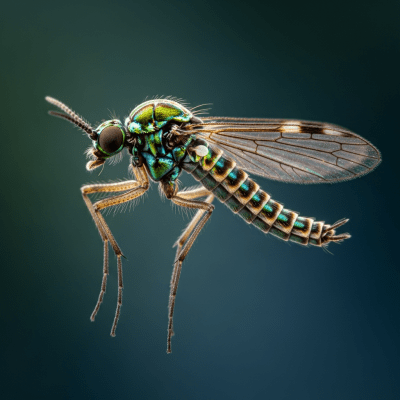
Striking editorial-style portrait of a single Midge, from the taxonomy insects.

Chironomus plumosus

The midge, Chironomus plumosus, is a small, non-biting aquatic fly known for its distinctive feather-like antennae in males and its vital role in freshwater ecosystems.

Striking editorial-style portrait of a single Leafcutter Bee, from the taxonomy insects.

Megachile rotundata

The leafcutter bee (Megachile rotundata) is a solitary bee species celebrated for its unique habit of cutting leaf pieces to build nests and its vital role as an efficient pollinator, especially in agricultural crops like alfalfa.

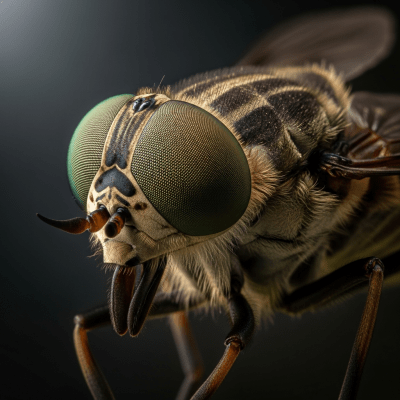
Striking editorial-style portrait of a single Horsefly, from the taxonomy insects.

Tabanus bovinus

The horsefly (Tabanus bovinus) is a large, robust blood-feeding fly known for its painful bite and significant impact as a persistent pest of livestock.

Striking editorial-style portrait of a single Carpenter Ant, from the taxonomy insects.

Camponotus pennsylvanicus

The carpenter ant, Camponotus pennsylvanicus, is a large North American ant species known for nesting in wood by excavating galleries without consuming it.

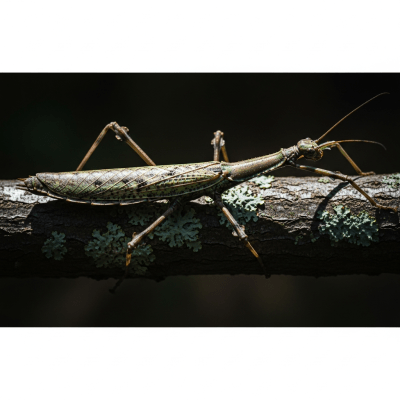
Striking editorial-style portrait of a single Walking Stick, from the taxonomy insects.

Phasmatodea

Phasmatodea, commonly known as walking sticks or stick insects, are insects renowned for their elongated bodies that mimic twigs and branches, providing exceptional camouflage against predators.

Striking editorial-style portrait of a single Moth, from the taxonomy insects.

Bombyx mori

Moths are a vast and diverse group of insects within the order Lepidoptera, primarily recognized for their nocturnal activity and distinctive antennae, setting them apart from their butterfly relatives.

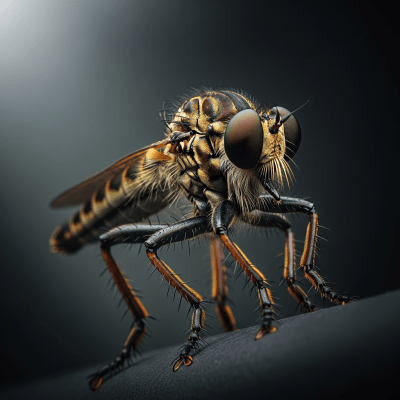
Striking editorial-style portrait of a single Robber Fly, from the taxonomy insects.

Asilidae

Robber flies, belonging to the family Asilidae, are fierce predatory insects known for their aggressive hunting tactics and distinctive bristly faces.

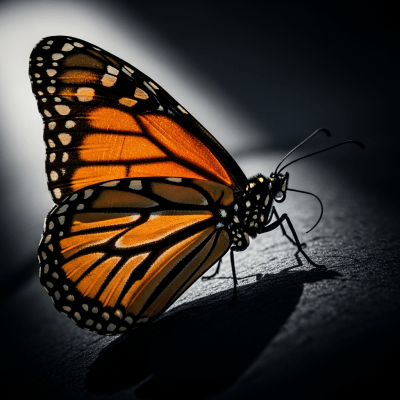
Striking editorial-style portrait of a single Butterfly, from the taxonomy insects.

Danaus plexippus

Butterflies are vibrant, winged insects known for their scaled wings, slender bodies, and distinctive clubbed antennae, celebrated worldwide as symbols of beauty and ecological vitality.

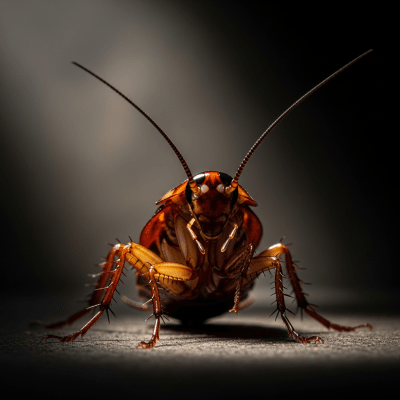
Striking editorial-style portrait of a single Cockroach, from the taxonomy insects.

Blattella germanica

The German cockroach (Blattella germanica) is a small, fast-moving insect known for its flattened body and adaptability, commonly found as a persistent household pest worldwide.

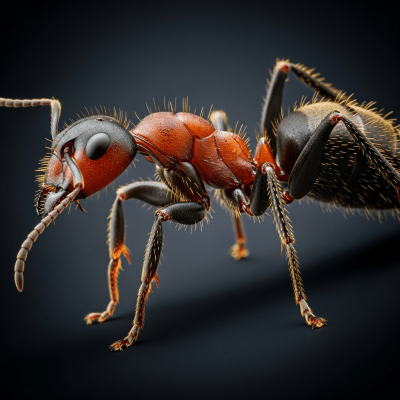
Striking editorial-style portrait of a single Ant, from the taxonomy insects.

Formica rufa

Ants are eusocial insects of the family Formicidae, renowned for their complex colonies, division of labor, and adaptability across diverse terrestrial habitats worldwide.

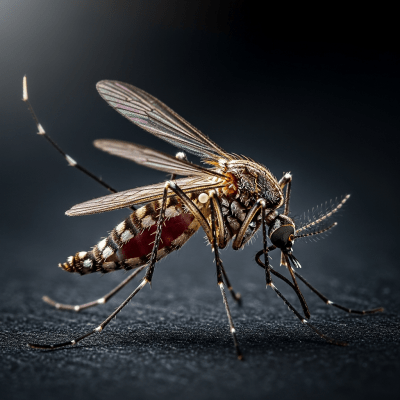
Striking editorial-style portrait of a single Mosquito, from the taxonomy insects.

Culex pipiens

Culex pipiens, commonly known as the mosquito, is a small, slender insect renowned for its role as a widespread vector of human and animal diseases.

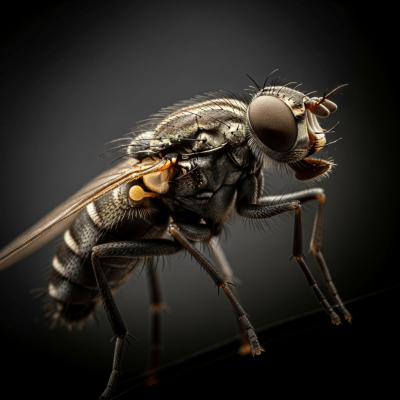
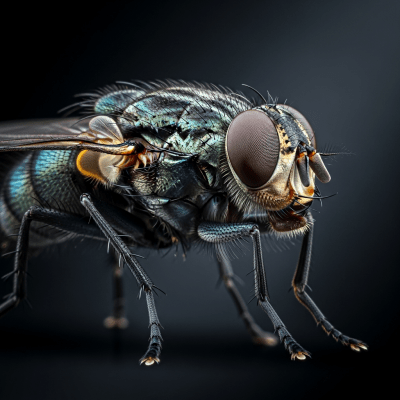
Striking editorial-style portrait of a single Housefly, from the taxonomy insects.

Musca domestica

The housefly (Musca domestica) is a small, widespread insect known for its close association with human environments and its role as a common household pest.

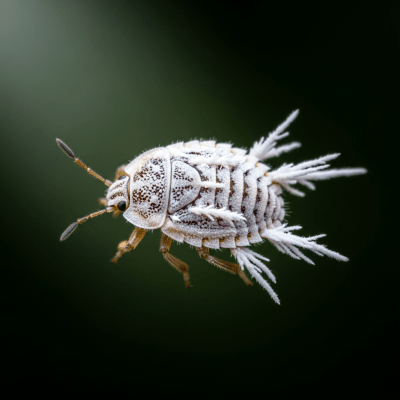
Striking editorial-style portrait of a single Mealybug, from the taxonomy insects.

Planococcus citri

The mealybug (Planococcus citri) is a small, soft-bodied insect known for its distinctive white, powdery wax coating and its role as a widespread agricultural pest, especially on citrus and ornamental plants.

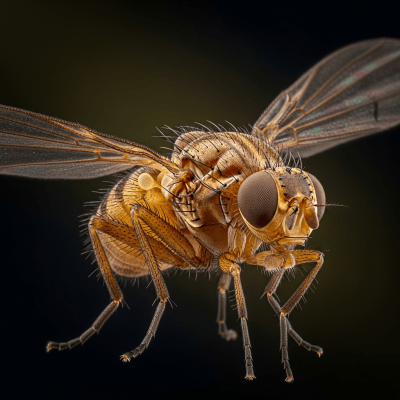
Striking editorial-style portrait of a single Fruit Fly, from the taxonomy insects.

Drosophila melanogaster

The fruit fly, Drosophila melanogaster, is a small, globally widespread insect renowned as a foundational model organism in genetics and biological research.

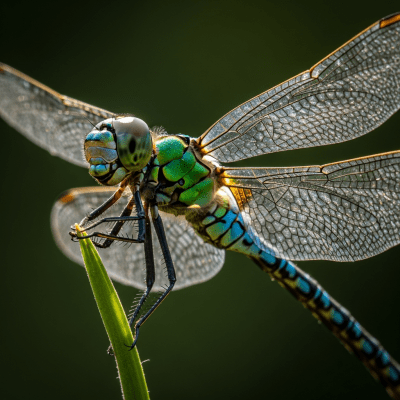
Striking editorial-style portrait of a single Dragonfly, from the taxonomy insects.

Anax junius

The dragonfly Anax junius, commonly known as the Common Green Darner, is a swift and skilled predatory insect recognized for its vibrant colors, multifaceted eyes, and mastery of agile flight.

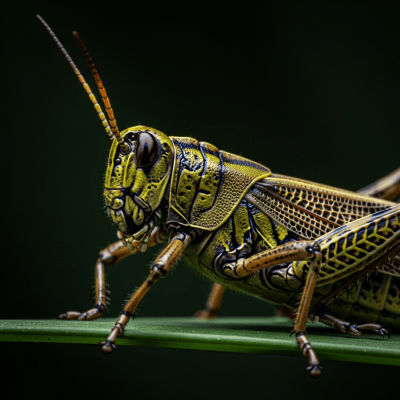
Striking editorial-style portrait of a single Grasshopper, from the taxonomy insects.

Caelifera

Grasshoppers are jumping insects of the suborder Caelifera, recognized for their powerful hind legs and significant impact as agricultural pests worldwide.

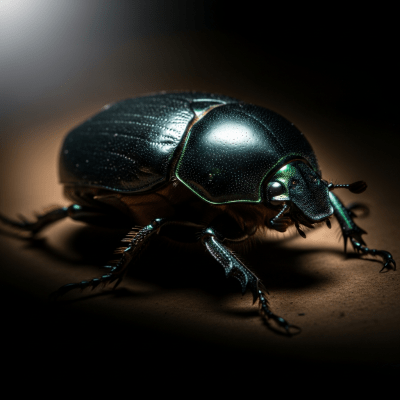
Striking editorial-style portrait of a single Scarab Beetle, from the taxonomy insects.

Scarabaeus sacer

The scarab beetle, Scarabaeus sacer, is a distinctive insect known for its rounded, robust body and its iconic role in ancient Egyptian culture as a symbol of rebirth and the sun.

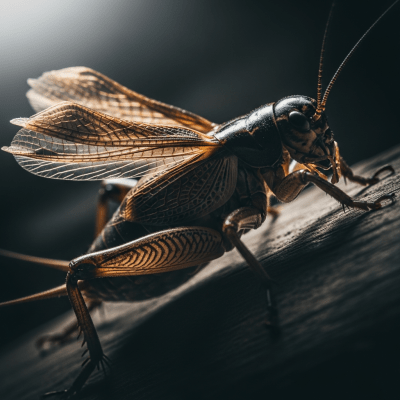
Striking editorial-style portrait of a single Cricket, from the taxonomy insects.

Gryllus campestris

The field cricket, Gryllus campestris, is a terrestrial insect known for its distinctive male chirping used to attract mates, characterized by a robust body and powerful hind legs specialized for jumping.

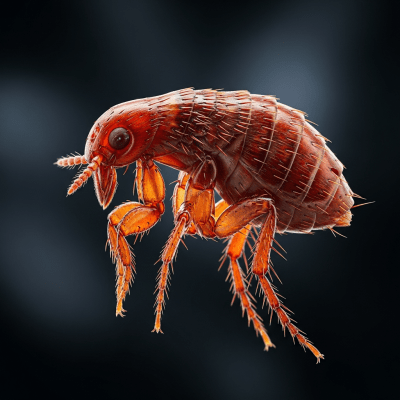
Striking editorial-style portrait of a single Flea, from the taxonomy insects.

Pulex irritans

The flea (Pulex irritans) is a small, wingless insect known for its remarkable jumping ability and its role as a parasitic blood feeder on mammals, including humans.

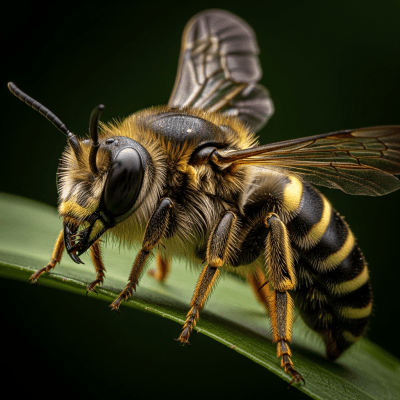
Striking editorial-style portrait of a single Wasp, from the taxonomy insects.

Vespula vulgaris

Wasps are a diverse group of insects known for their slender bodies, narrow waists, and striking black-and-yellow coloration, playing vital roles as both predators and pollinators.

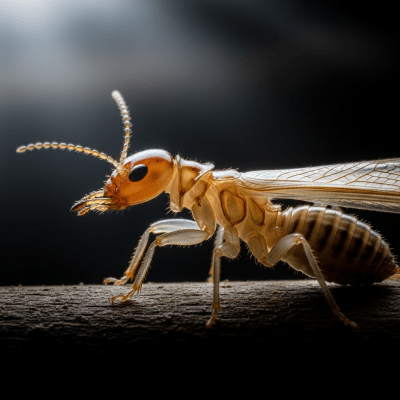
Striking editorial-style portrait of a single Termite, from the taxonomy insects.

Reticulitermes flavipes

Reticulitermes flavipes, commonly known as the eastern subterranean termite, is a highly social insect famed for its role as a major decomposer of wood and a significant structural pest in North America.

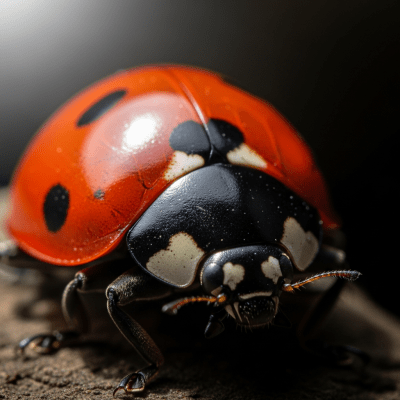
Striking editorial-style portrait of a single Ladybug, from the taxonomy insects.

Coccinella septempunctata

The ladybug, scientifically known as Coccinella septempunctata, is a small, brightly colored beetle famed for its seven black spots and vital role as a natural predator of garden pests.

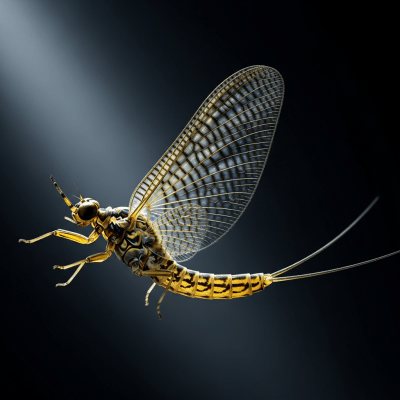
Striking editorial-style portrait of a single Mayfly, from the taxonomy insects.

Ephemera danica

The mayfly, Ephemera danica, is a delicate aquatic insect known for its brief adult life and its role as a vital indicator of freshwater ecosystem health.

Striking editorial-style portrait of a single Booklouse, from the taxonomy insects.

Liposcelis bostrychophila

The booklouse, Liposcelis bostrychophila, is a tiny, soft-bodied insect commonly found in human homes, known for feeding on mold and detritus and thriving in humid environments.

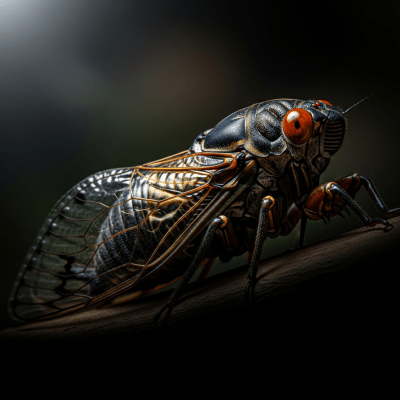
Striking editorial-style portrait of a single Cicada, from the taxonomy insects.

Magicicada septendecim

Magicicada septendecim, commonly known as the periodical cicada, is a North American insect famed for its remarkable 17-year synchronized mass emergences and its distinctive, loud mating calls.

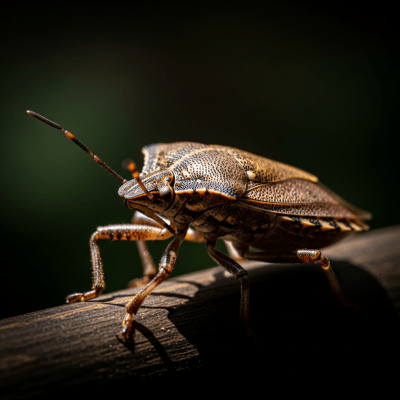
Striking editorial-style portrait of a single Stink Bug, from the taxonomy insects.

Halyomorpha halys

The brown marmorated stink bug (Halyomorpha halys) is a shield-shaped insect native to East Asia, recognized for the distinctive odor it emits when disturbed and its status as a widespread agricultural pest.

A collection is complete only when its kinds are seen in full.