Origin Story
The evolutionary journey of octopuses traces back hundreds of millions of years within the class Cephalopoda. Emerging from ancient molluscan ancestors, octopuses adapted to marine habitats across the globe, diversifying into species that inhabit shallow coastal waters to the deep sea. Their origins reflect a long history of specialization, including the development of advanced nervous systems and camouflage abilities that have enabled their survival in varied oceanic niches.
Classification
Octopuses belong to the order Octopoda within the class Cephalopoda, part of the phylum Mollusca. This order is divided mainly into two suborders: Incirrina, which includes most benthic, finless octopuses commonly encountered near the sea floor, and Cirrina, comprising finned, deep-sea species. Families such as Octopodidae and Amphitretidae group genera like Octopus and Grimpoteuthis. This hierarchical structure reflects both morphological traits and genetic relationships, providing a framework for studying their diversity and evolution.
Appearance or Form
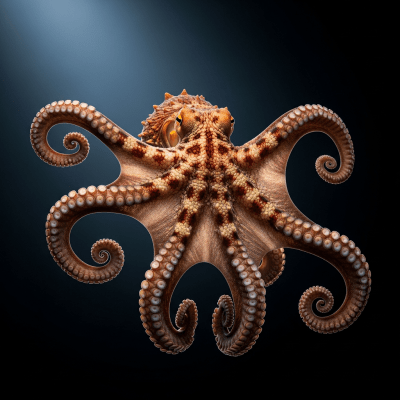
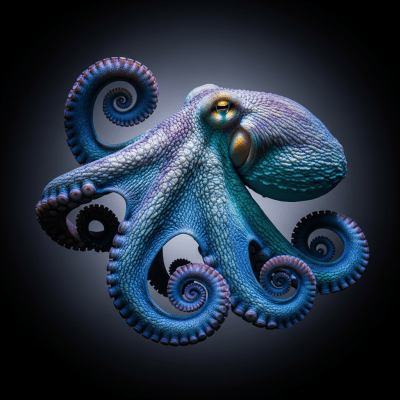
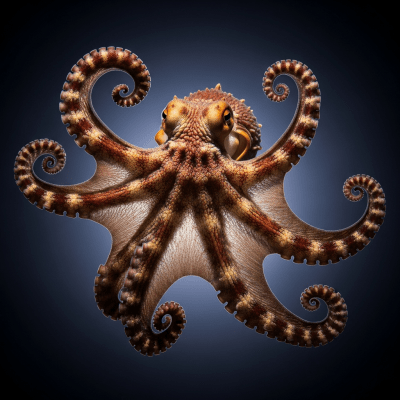
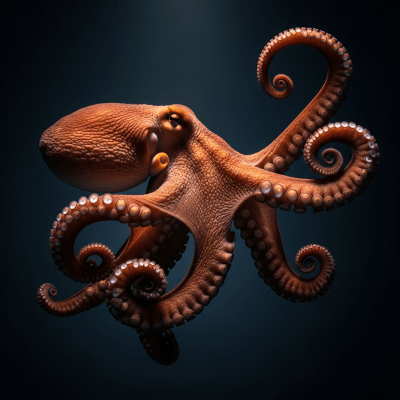
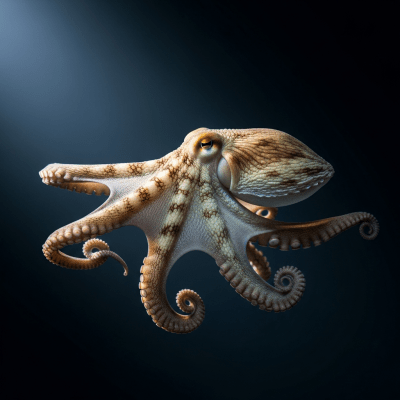
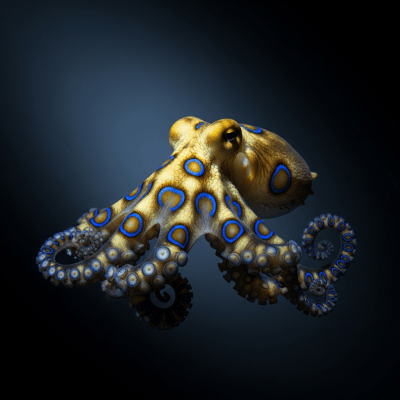
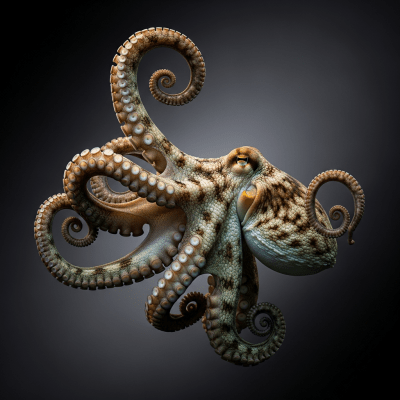
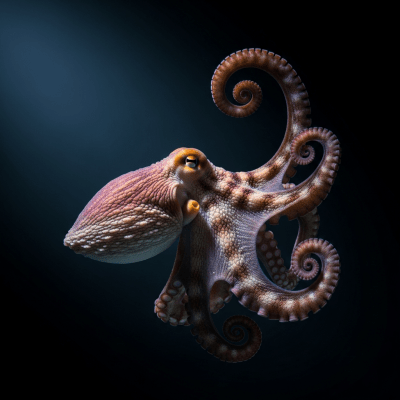
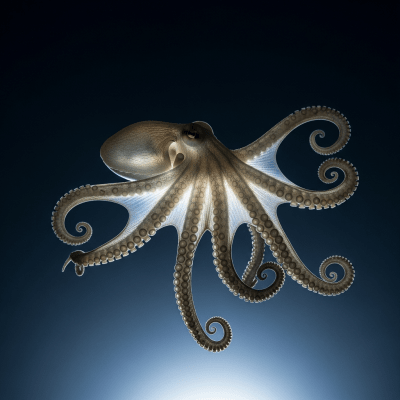
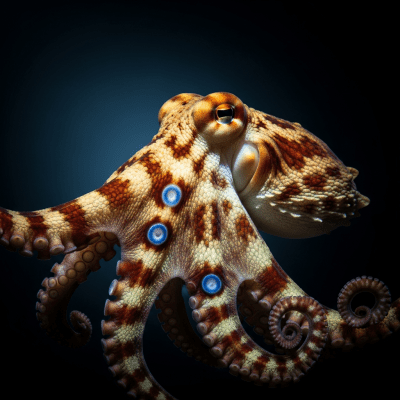
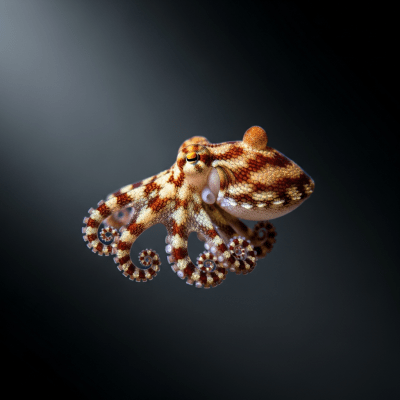
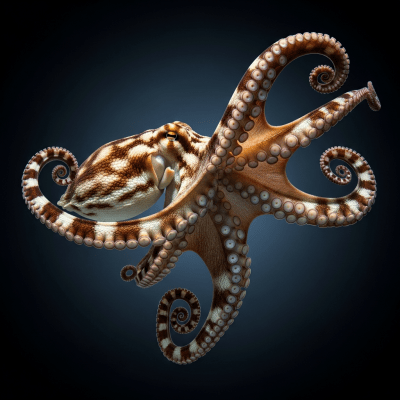
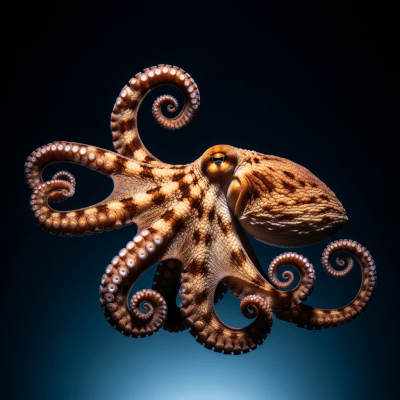
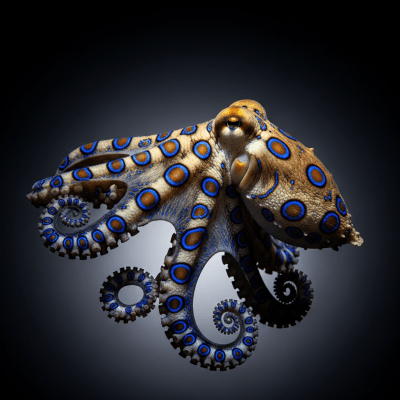
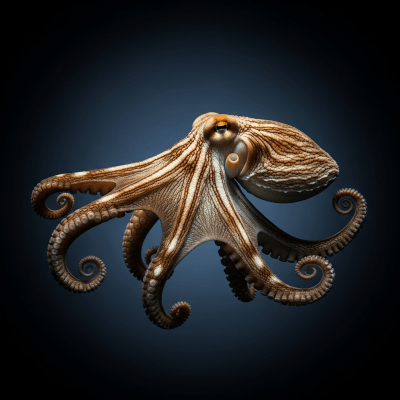
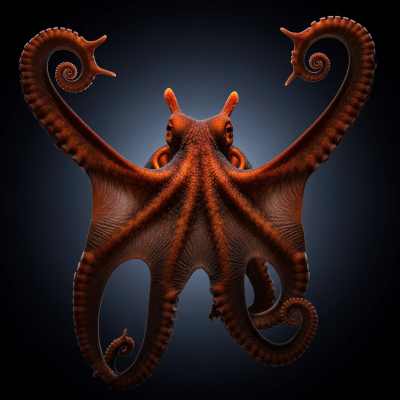
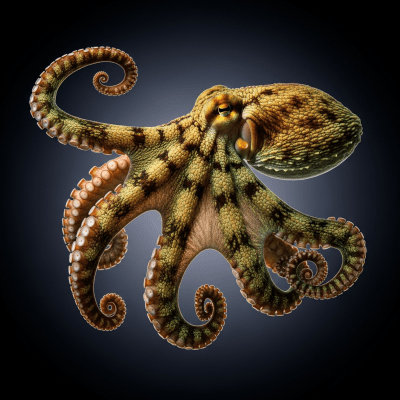
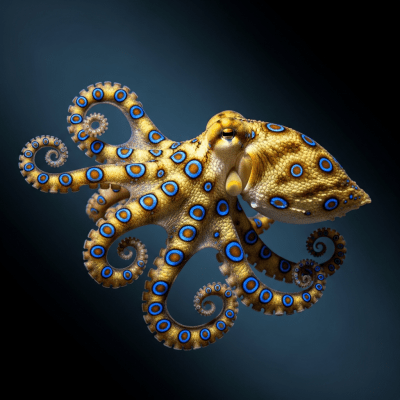
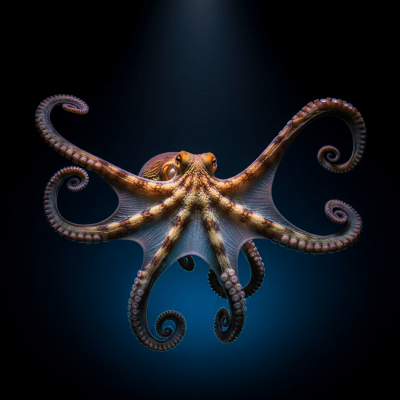
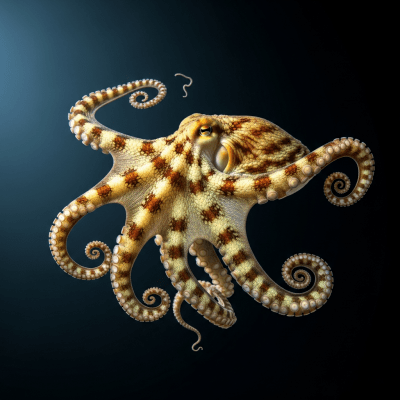
Octopuses exhibit a distinctive body plan characterized by a bulbous head, large eyes, and eight highly flexible arms lined with suction cups. Their soft, boneless bodies allow them to squeeze through narrow spaces, while many species can change skin color and texture for camouflage or communication. Some deep-sea octopuses possess fins for swimming, contrasting with the finless forms common in coastal species. Their appearance varies widely, from the familiar reddish-brown hues of common octopuses to the ghostly translucence of deep-ocean dwellers.
Behavior or Usage
Octopuses are renowned for their intelligence, exhibiting problem-solving skills, tool use, and complex hunting strategies. They primarily feed on crustaceans, mollusks, and fish, using their arms and beak to capture and consume prey. For humans, octopuses hold culinary value in many cultures and are subjects of scientific research due to their cognitive abilities. Additionally, they play vital ecological roles as both predators and prey within marine ecosystems.