Corydalus Cornutus
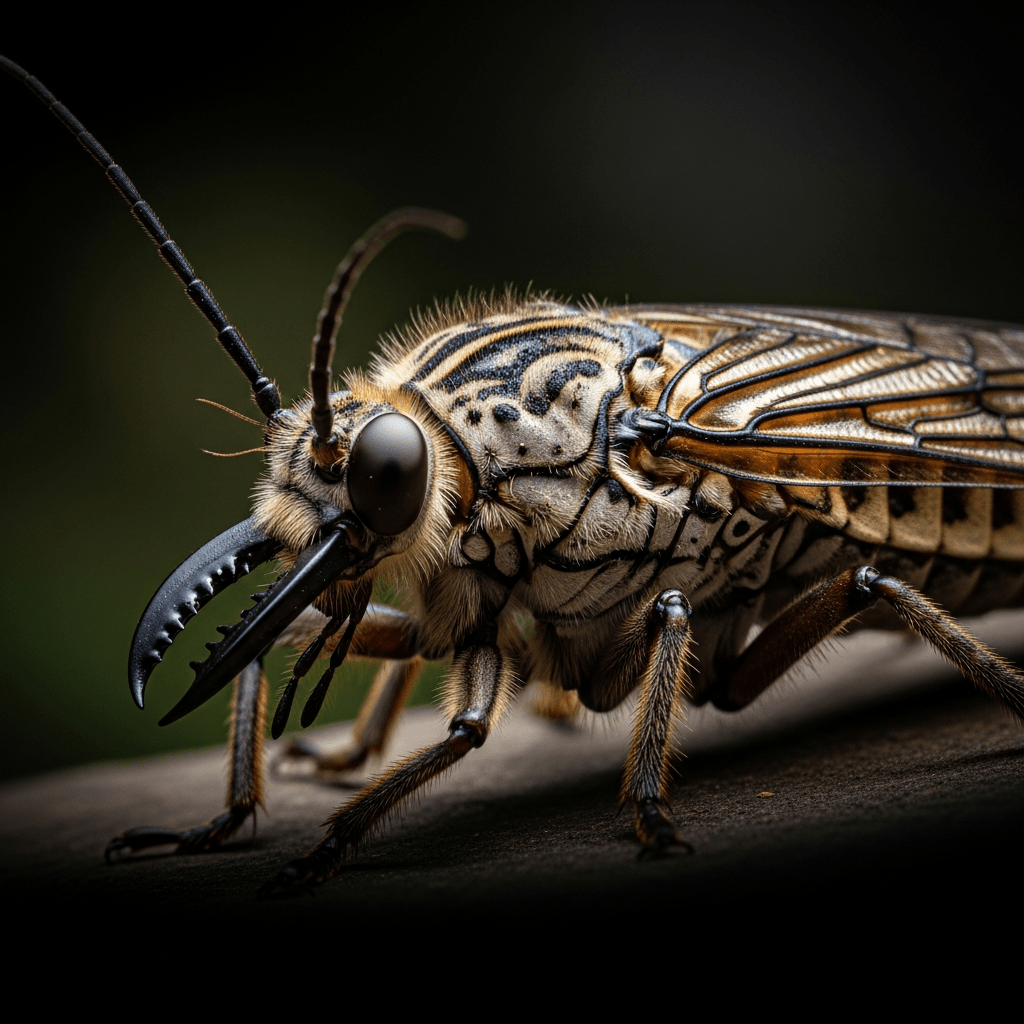
The dobsonfly (Corydalus cornutus) is a large North American aquatic insect known for its striking elongated mandibles in males and its role as an indicator of clean freshwater ecosystems.
The dobsonfly (Corydalus cornutus) is a large North American aquatic insect known for its striking elongated mandibles in males and its role as an indicator of clean freshwater ecosystems.
First described by Carl Linnaeus in 1758, the dobsonfly has a well-established lineage within the family Corydalidae, order Megaloptera. Its discovery and documentation date back to the early days of formal entomological classification.
The dobsonfly belongs to the class Insecta, order Megaloptera, and family Corydalidae. Within this family, it is classified under the genus Corydalus and species cornutus, making it a distinctive member of large aquatic insects.
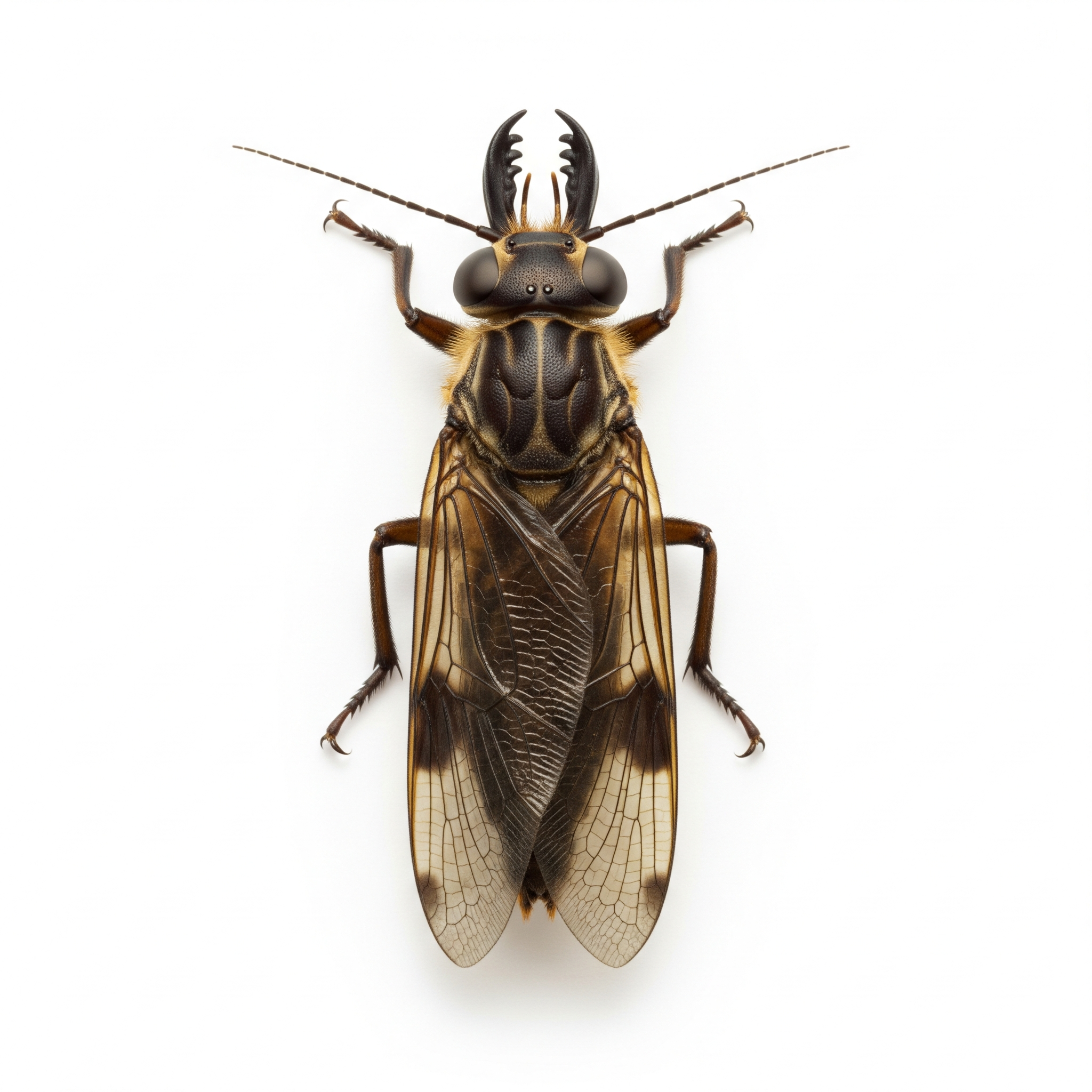
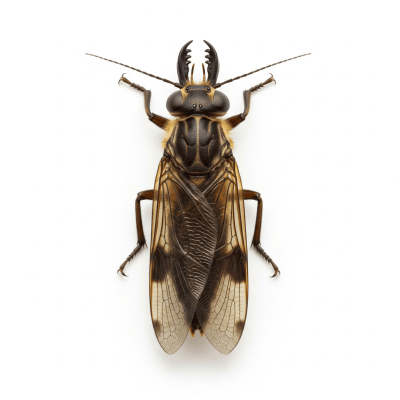
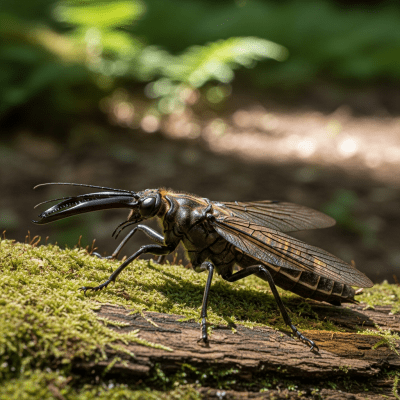
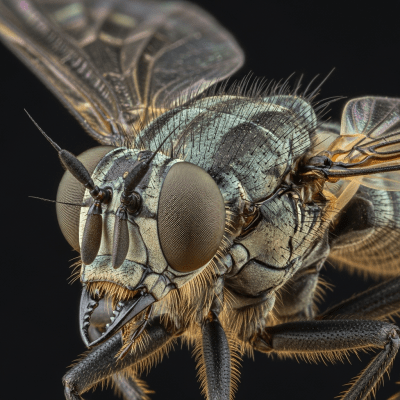
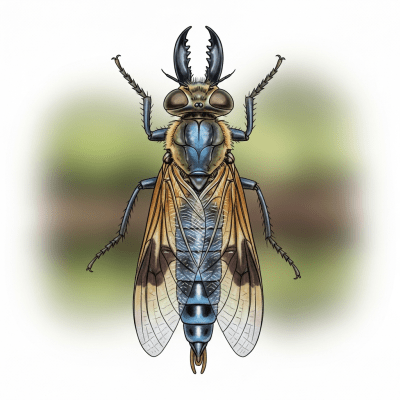
Adult dobsonflies are sizable insects, measuring 70 to 90 millimeters in length, with brownish-gray bodies and two pairs of large, membranous wings marked by intricate venation. Males exhibit pronounced sexual dimorphism through their elongated, sickle-shaped mandibles, while females have shorter, sturdier jaws. Larvae, known as hellgrammites, are aquatic and bear lateral abdominal filaments used for respiration.
Dobsonfly larvae are aquatic predators living up to three years in clean, fast-flowing streams, hunting smaller invertebrates. Adults are short-lived, surviving only a few days to a week, during which males use their impressive mandibles in mating displays. The larvae are prized as effective fishing bait, especially for bass and trout, though adults have no known culinary or commercial use.
Bring this kind into your world illustrated posters, mugs, and shirts.
Archival print, museum-grade paper
Buy Poster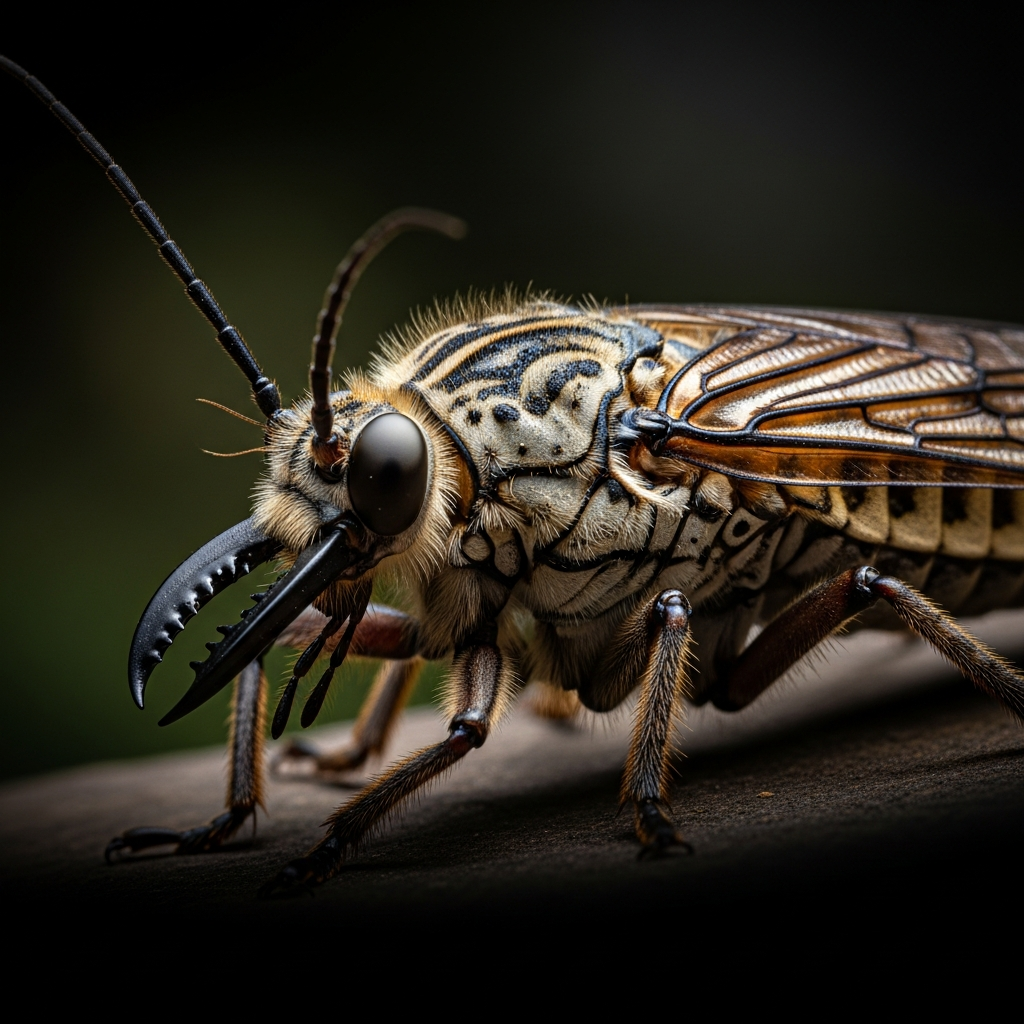
Stoneware mug, dishwasher safe
Buy Mug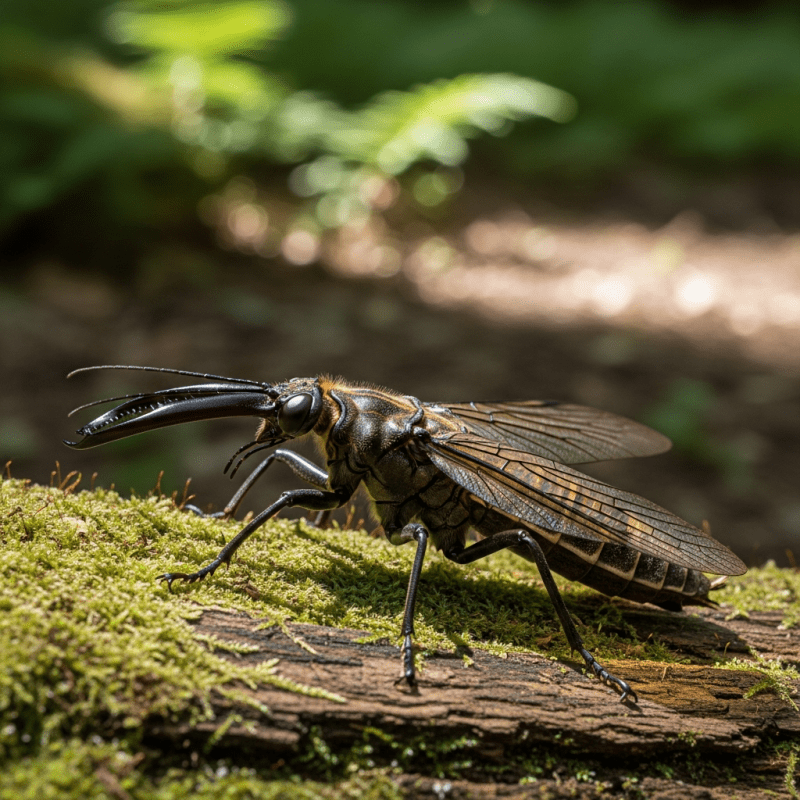
Soft cotton tee, unisex sizes
Buy ShirtWhile the dobsonfly holds limited cultural prominence, its larval form, the hellgrammite, is valued regionally as fishing bait. Beyond this practical use, the species has little noted symbolic or artistic significance.
Dobsonflies inhabit clean, fast-flowing freshwater streams and rivers across North America. Their aquatic larvae require well-oxygenated water with rocky or gravelly substrates, making them sensitive to pollution and habitat disturbance. Adults are terrestrial but remain close to larval habitats.
The dobsonfly undergoes complete metamorphosis, progressing through four stages: egg, aquatic larva (hellgrammite), pupa, and adult. Larvae live underwater for up to three years, breathing through lateral abdominal filaments and preying on other aquatic insects. Pupation occurs in moist terrestrial environments near water, after which adults emerge for a brief life focused on reproduction.
As aquatic predators, dobsonfly larvae help regulate populations of other invertebrates, contributing to freshwater ecosystem balance. Their sensitivity to pollution makes them valuable bioindicators for monitoring water quality. Adults provide a food source for birds and other predators during their short lifespan.
Dobsonflies face threats primarily from water pollution and habitat degradation, which reduce the quality of their freshwater environments. Conservation efforts focus on maintaining clean streams and rivers to support their populations. Currently, the species is not considered endangered but serves as a sentinel for freshwater ecosystem health.