Origin Story

Dermatobia hominis was first formally described by Carl Linnaeus in 1781. Native to the tropical and subtropical regions of Central and South America, this species evolved within the family Oestridae, a group of obligate parasitic flies. Its natural history is entirely wild, with no domestication or breeding by humans.

Classification

The human botfly belongs to the class Insecta, order Diptera (true flies), and family Oestridae, which includes various parasitic flies. Within this family, it is classified under the genus Dermatobia and species hominis, distinguishing it as a unique agent of mammalian parasitism.

Appearance or Form

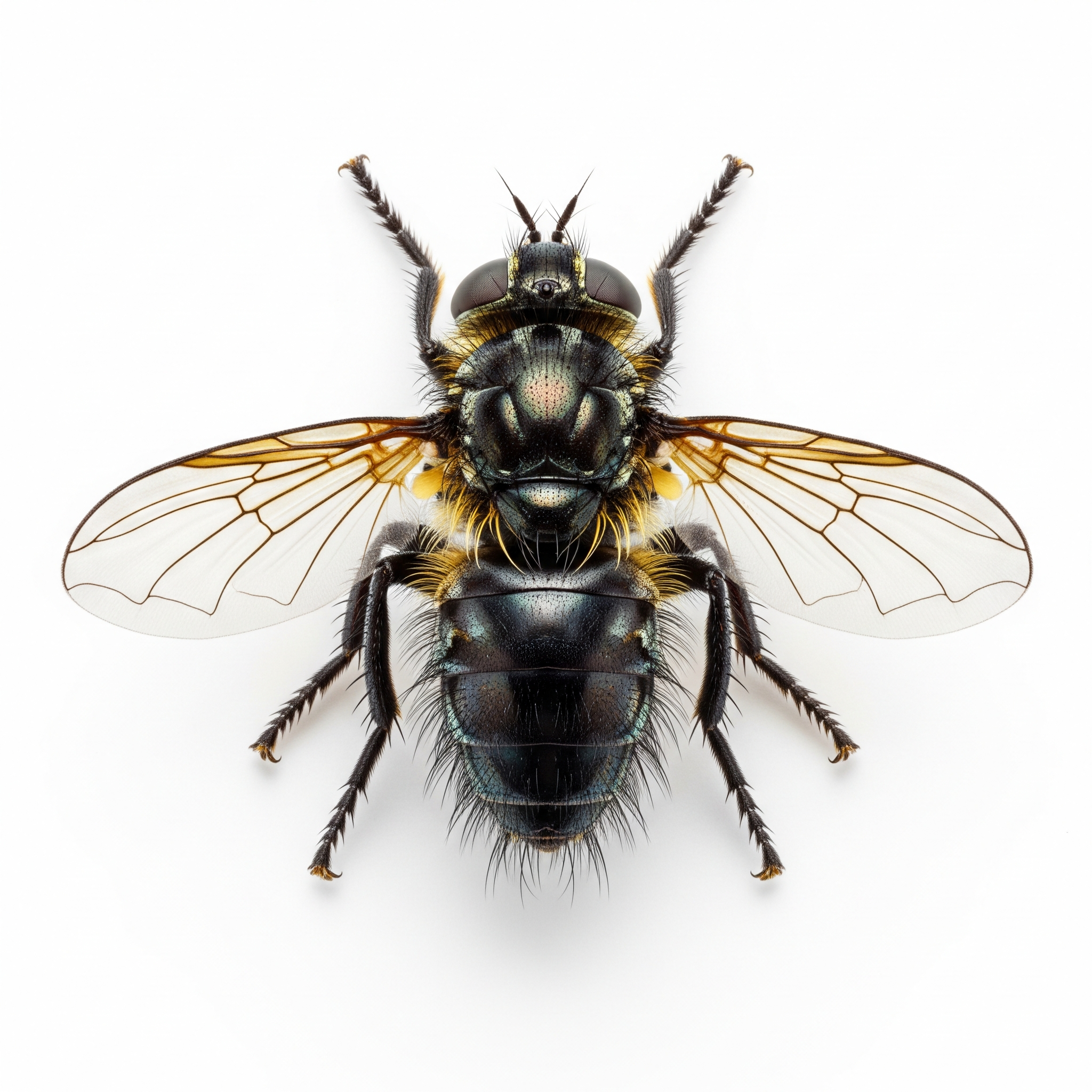
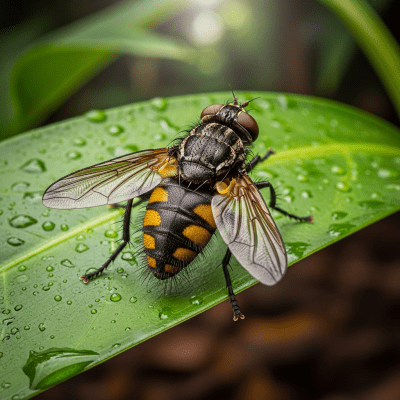
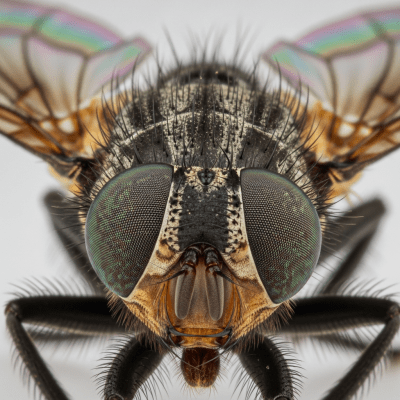
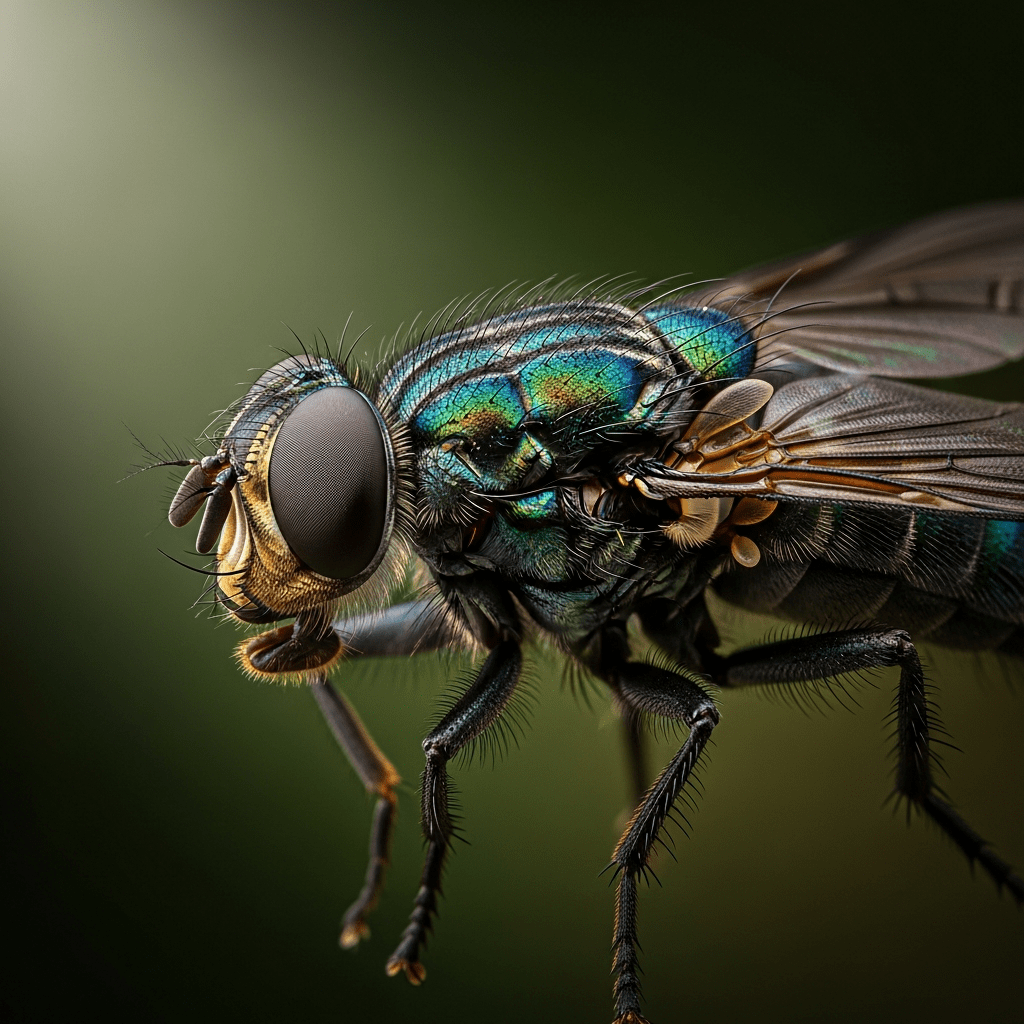
Adult Dermatobia hominis are medium-sized flies measuring 12 to 18 millimeters in length. They have a robust, hairy body with a grayish to brown coloration, accented by a distinctive blue-black sheen on the thorax. Their legs are yellowish, and like other flies, they possess six legs. Adults do not feed and have a sturdy, somewhat intimidating appearance.

Behavior or Usage

The adult botfly exhibits a remarkable reproductive behavior: females capture blood-feeding insects such as mosquitoes or ticks and attach their eggs to these vectors. When these carrier insects bite a mammalian host, the botfly eggs hatch, and larvae penetrate the host's skin. The larvae develop within a furuncular lesion for five to ten weeks before emerging to pupate in the soil. This parasitic lifecycle is medically significant and causes discomfort and sometimes infection in affected hosts.

Merchandise & Prints

Bring this kind into your world � illustrated posters, mugs, and shirts.

Dermatobia hominis Dermatobia hominis Poster

Dermatobia hominis Poster

Archival print, museum-grade paper

Dermatobia hominis Dermatobia hominis Mug

Dermatobia hominis Mug

Stoneware mug, dishwasher safe

Dermatobia hominis Dermatobia hominis Shirt

Dermatobia hominis Shirt

Soft cotton tee, unisex sizes

Attributes & Insights

Taxon-Specific Insights

🌍Cultural Significance

While Dermatobia hominis is primarily regarded as a pest due to its parasitic larvae, it holds cultural significance in some indigenous communities where traditional remedies and practices exist for safely extracting larvae from the skin. Beyond these contexts, the botfly features little in art or popular culture.

📌Notable Facts

  • The botfly is the principal cause of human cutaneous myiasis in the Neotropics.
  • Its larvae develop entirely under the skin of mammalian hosts, including humans, livestock, and wild animals.
  • Adults do not feed and live solely to reproduce.
  • Females use other blood-feeding insects as unwitting vectors to deliver their eggs.
  • The species was first described by Linnaeus over two centuries ago, in 1781.

🌍Habitat And Distribution

Dermatobia hominis inhabits tropical and subtropical regions of Central and South America. It is most commonly found in rural and forested environments where its mammalian hosts and vector insects thrive. Its distribution aligns closely with the range of blood-feeding mosquitoes and ticks that facilitate its unique reproductive cycle.

Visual Variations

High quality studio photograph of a single Botfly, belonging to the taxonomy insects
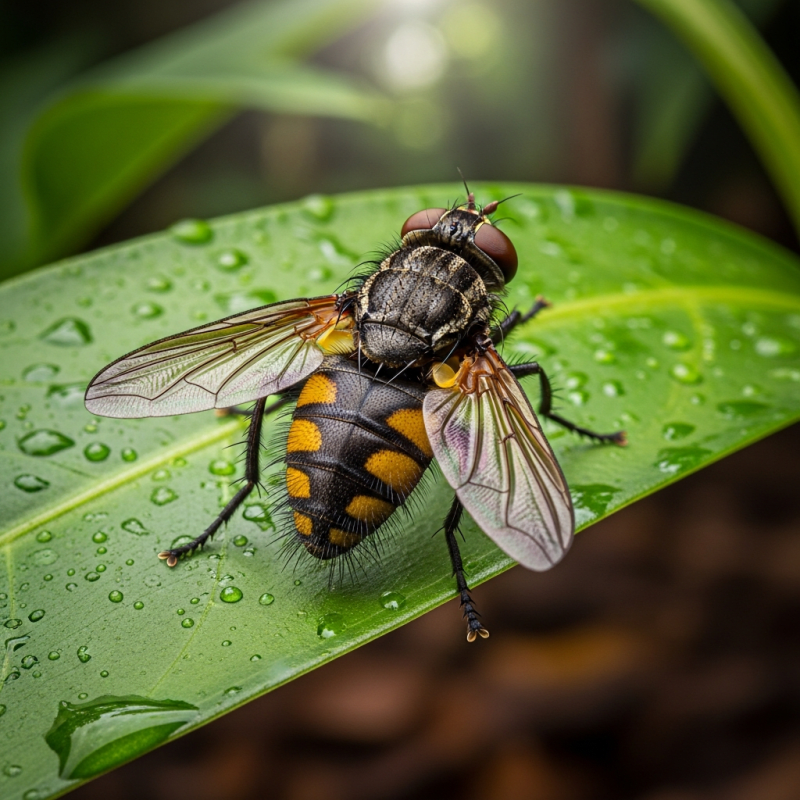
Detailed image showing a Botfly in its natural environment
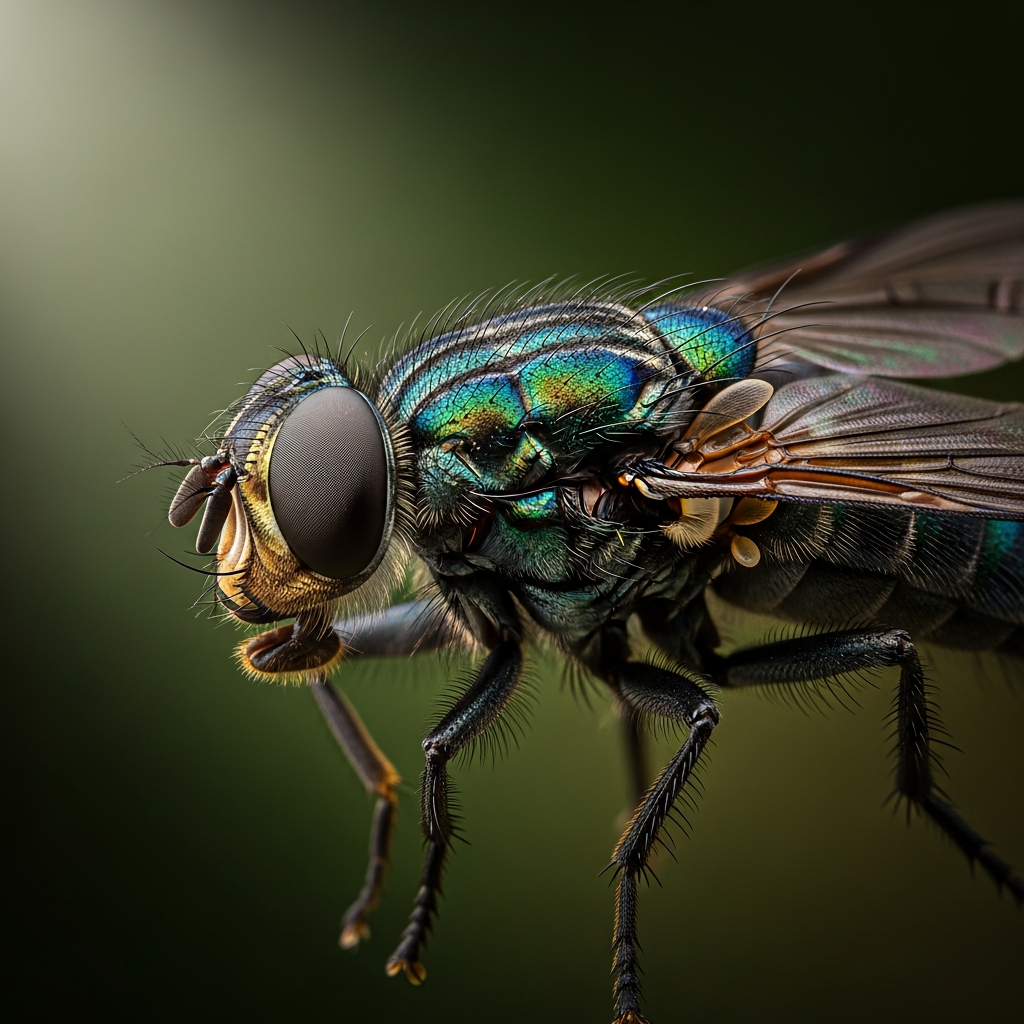
Macro photograph of a Botfly
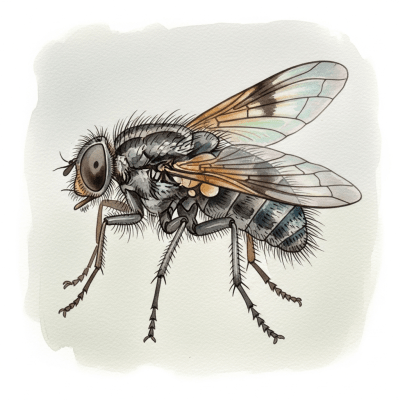
Artistic depiction of a single Botfly, belonging to the taxonomy insects

Composition & Context

Taxon-Specific Insights

🐛➡️🦋Lifecycle And Development

The botfly undergoes complete metamorphosis with four distinct stages: egg, larva, pupa, and adult. Females lay eggs on blood-feeding insects, which transfer larvae to mammalian hosts during feeding. The larvae burrow into the skin, developing within a furuncular lesion for five to ten weeks. Once mature, they emerge to pupate in the soil before emerging as adults, completing the cycle.

🌱🐝Ecological Roles

As a parasitic insect, Dermatobia hominis plays a specialized ecological role by interacting closely with mammalian hosts and blood-feeding insect vectors. While it does not provide pollination or predation services, it influences host populations and can impact livestock health, indirectly affecting local ecosystems.

⚠️🛡️Threats And Conservation

Currently, there are no significant conservation concerns for Dermatobia hominis. Its populations are stable in native habitats, and no targeted conservation efforts exist. However, its dependence on vector insects and mammalian hosts means environmental changes affecting these species could indirectly influence botfly populations.

Faq

Q: How do botfly larvae get under the skin?
The female botfly attaches eggs to blood-feeding insects, which deposit the larvae onto a host during a bite; the larvae then penetrate the skin.

Q: Are botflies dangerous to humans?
While they cause painful skin lesions, botfly infestations are generally not life-threatening but require medical or traditional removal.

Q: Where are botflies commonly found?
They are native to tropical and subtropical Central and South America, especially in rural and forested areas.