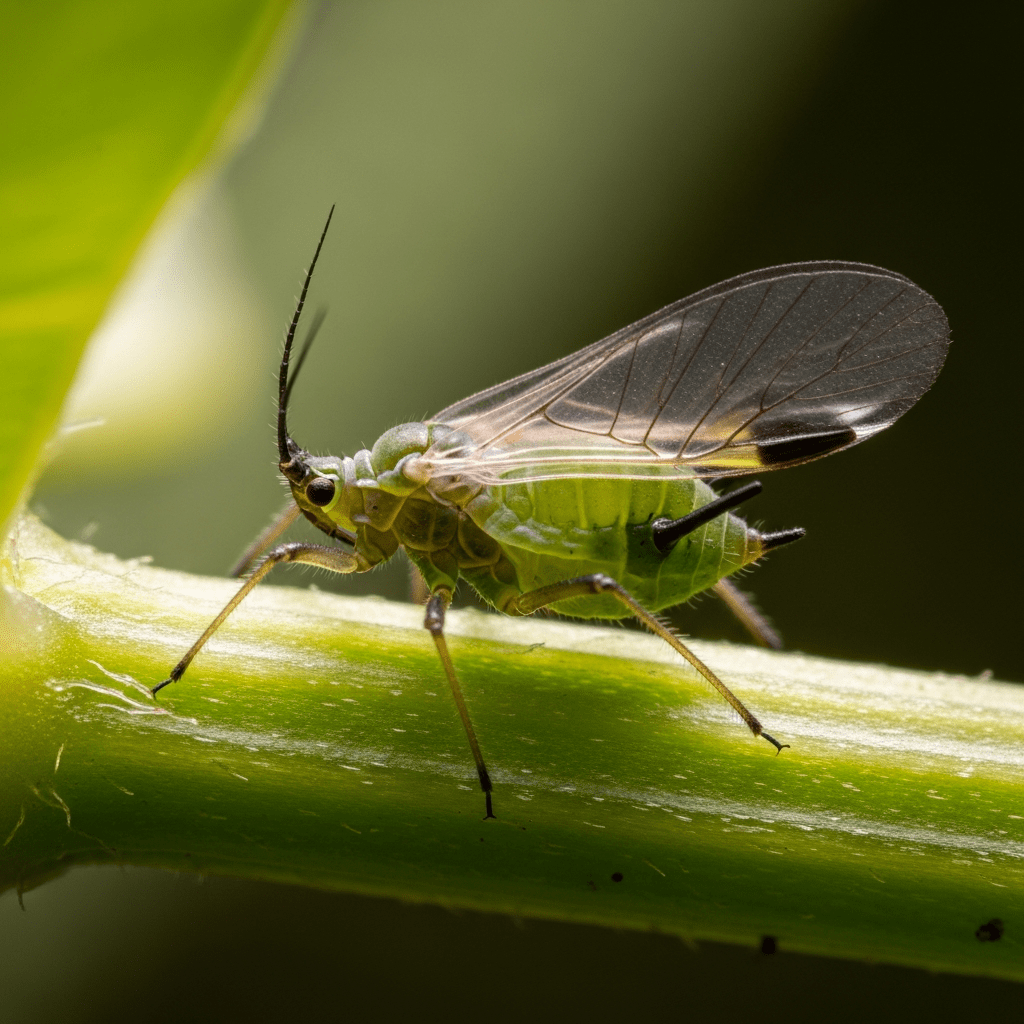
Aphis Gossypii
Aphis gossypii, commonly known as the cotton aphid, is a small sap-sucking insect notable for its rapid reproduction and widespread impact as an agricultural pest.
Aphis gossypii, commonly known as the cotton aphid, is a small sap-sucking insect notable for its rapid reproduction and widespread impact as an agricultural pest.
This species was first formally described by Glover in 1877. As a wild insect, it has evolved naturally without domestication or breeding, developing numerous host-associated biotypes across its range.
Aphis gossypii belongs to the class Insecta, order Hemiptera, and family Aphididae. It is one of thousands of species within the aphid family, characterized by their piercing-sucking mouthparts and plant-feeding habits.
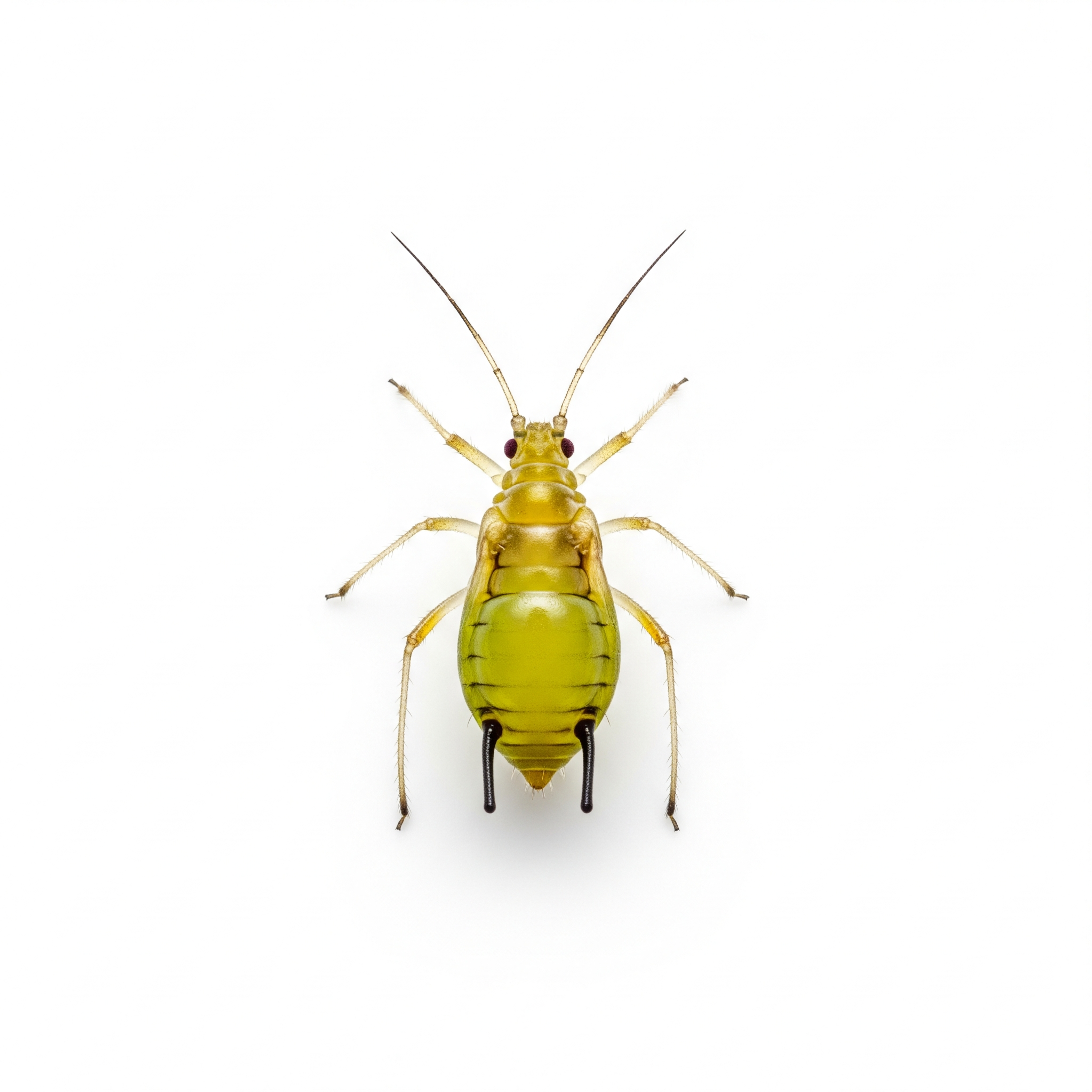
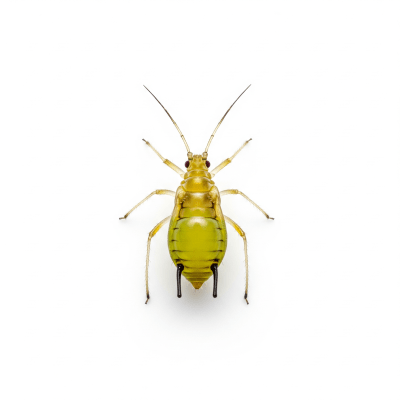
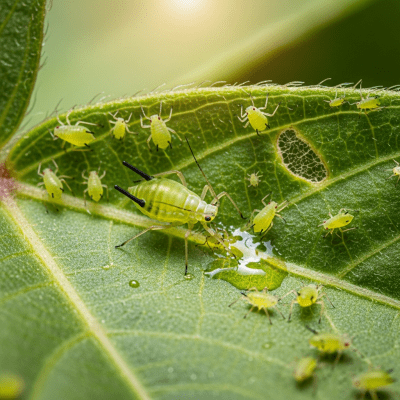
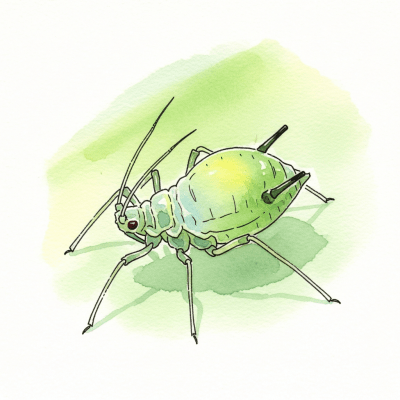
This aphid measures between 1 and 3 millimeters and has a soft, pear-shaped body. Its coloration varies from green and yellow to black or brown depending on the species and host plant. Notable features include long antennae and distinctive cornicles—tube-like structures on the abdomen. Individuals may be winged or wingless.
Aphis gossypii feeds by piercing plant tissues and extracting sap, often causing stunted growth and leaf curling. It reproduces both sexually and asexually through parthenogenesis, enabling rapid population expansion. The aphid excretes a sugary substance called honeydew, which encourages sooty mold growth. It also engages in symbiotic relationships with ants, which protect aphids in exchange for honeydew.
Bring this kind into your world illustrated posters, mugs, and shirts.
Archival print, museum-grade paper
Buy Poster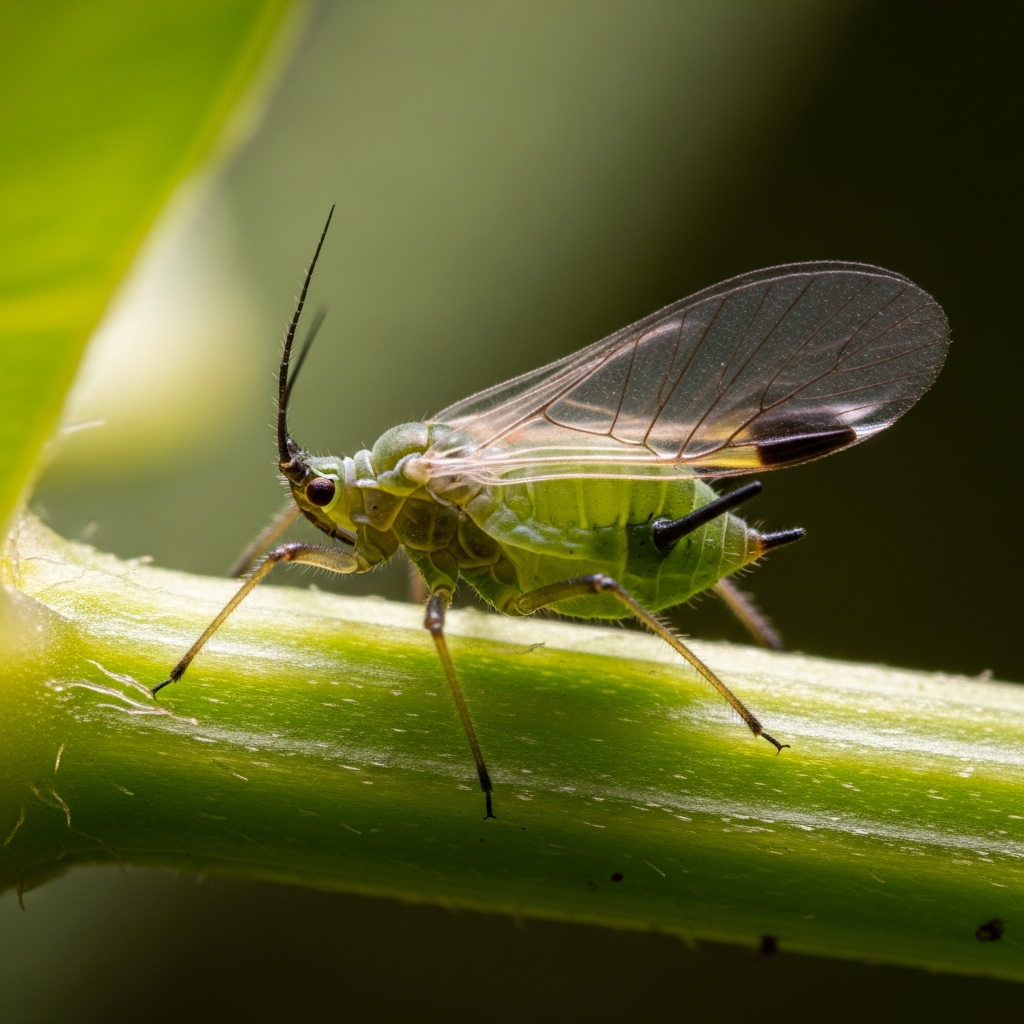
Stoneware mug, dishwasher safe
Buy Mug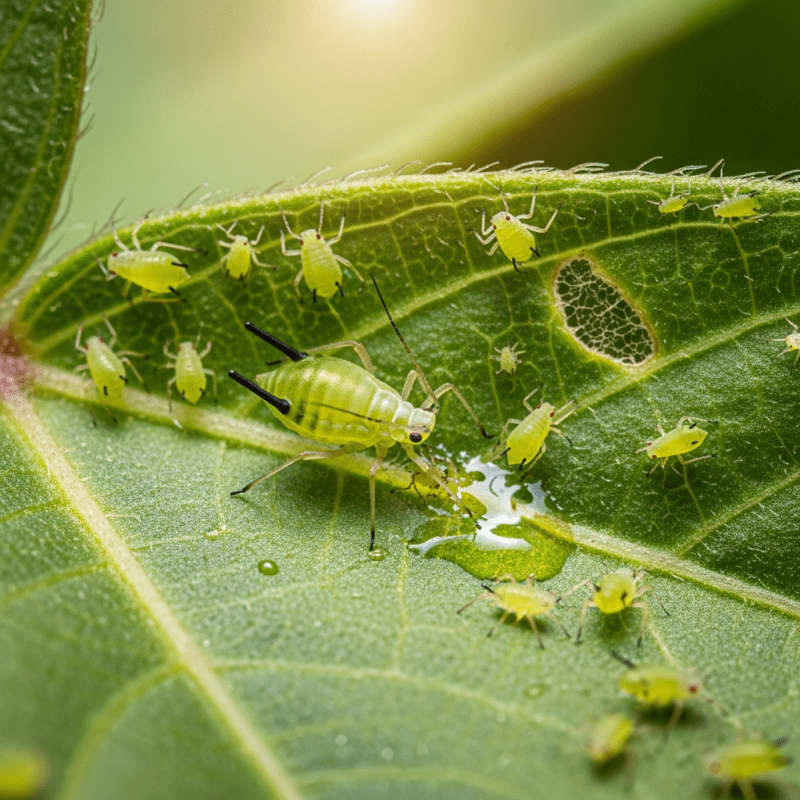
Soft cotton tee, unisex sizes
Buy ShirtWhile aphids have no direct culinary or commercial uses, their role as agricultural pests has made them significant in farming and pest management. They are occasionally studied for their ecological interactions, particularly their symbiosis with ants and influence on nutrient cycling.
Aphis gossypii inhabits a wide range of host plants worldwide, thriving in agricultural fields and gardens. Its adaptability allows it to colonize diverse climates and regions, making it a pervasive pest in many crop systems globally.
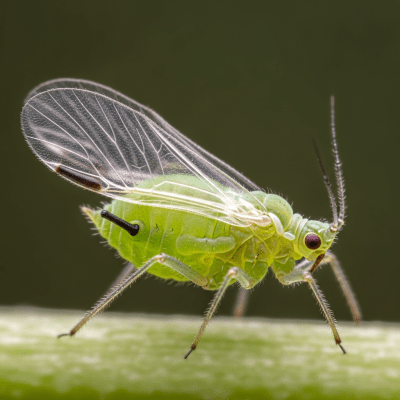
The aphid undergoes incomplete metamorphosis, developing through nymph and adult stages without a pupal phase. Nymphs resemble smaller adults and mature rapidly. Reproduction includes both sexual and asexual phases, with winged forms often produced to disperse to new plants.
Beyond their pest status, aphids serve as a food source for many predators and participate in mutualistic relationships with ants. Their honeydew secretion supports fungal growth and nutrient cycling, influencing plant and soil health within ecosystems.
As a widespread pest, Aphis gossypii faces few natural threats but is targeted by various pest management strategies. Resistance to insecticides poses challenges, while conservation efforts focus on integrated pest management rather than species protection.