Asilidae
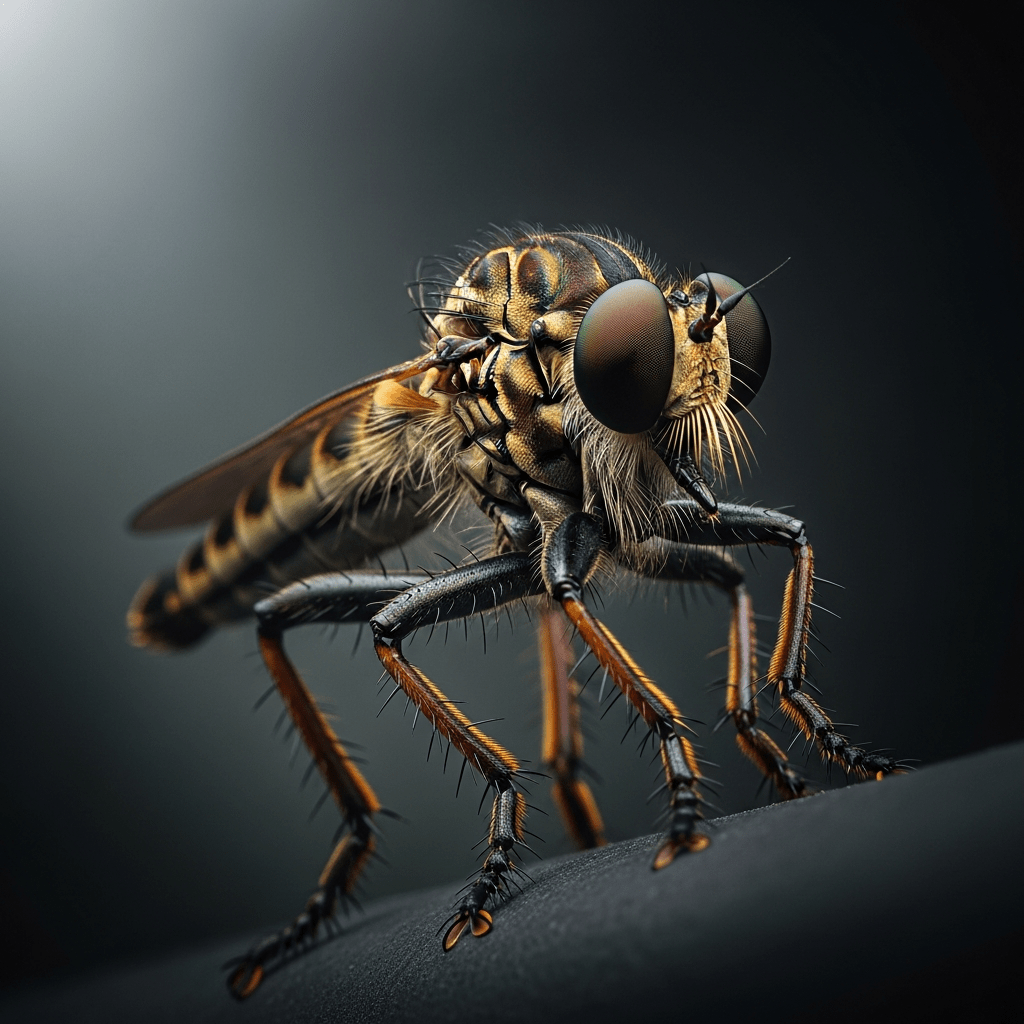
Robber flies, belonging to the family Asilidae, are fierce predatory insects known for their aggressive hunting tactics and distinctive bristly faces.
Robber flies, belonging to the family Asilidae, are fierce predatory insects known for their aggressive hunting tactics and distinctive bristly faces.
The family Asilidae was first formally described in 1802 by the entomologist Pierre André Latreille, marking the recognition of this diverse group of predatory flies found worldwide.
Robber flies are classified within the class Insecta, order Diptera, and family Asilidae. This family encompasses over 7,500 species globally, representing a key lineage of predatory flies.
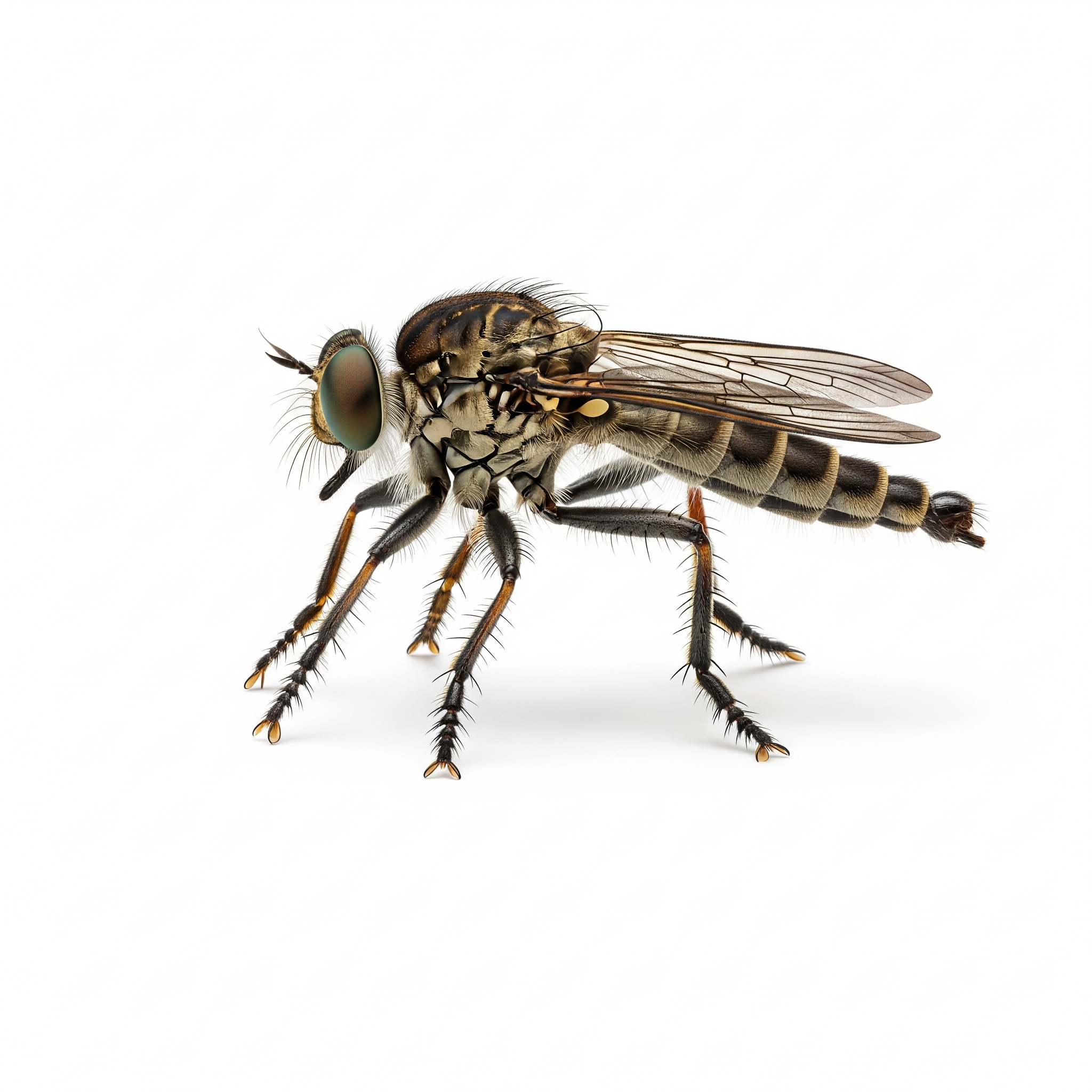
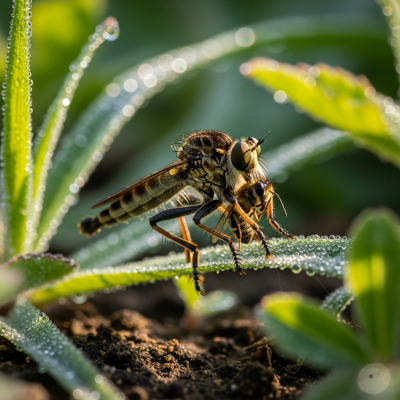
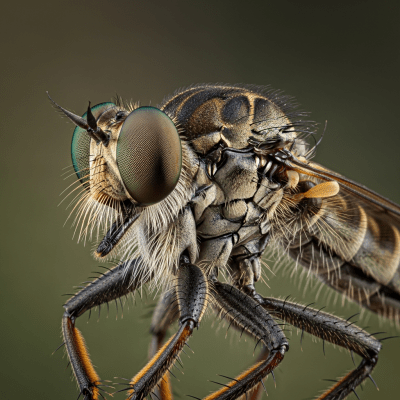
Robber flies possess a robust, elongated body ranging from 3 to over 50 millimeters in length. Their faces are marked by a dense beard of bristles called a mystax, while their long, strong legs are adapted to grasp prey. Coloration varies widely, from muted browns and grays to striking metallic hues, often mimicking bees or wasps. They have one pair of functional wings typical of flies, complemented by halteres for balance.
These insects are apex predators among insects, exhibiting aggressive hunting behavior. They capture prey mid-flight using their powerful legs and inject neurotoxic saliva through a piercing proboscis to immobilize and consume them. Larvae are also predatory, living in soil or decaying wood. While not used commercially or culinarily, robber flies play a vital role in natural pest control and scientific research.
Bring this kind into your world illustrated posters, mugs, and shirts.
Archival print, museum-grade paper
Buy Poster
Stoneware mug, dishwasher safe
Buy Mug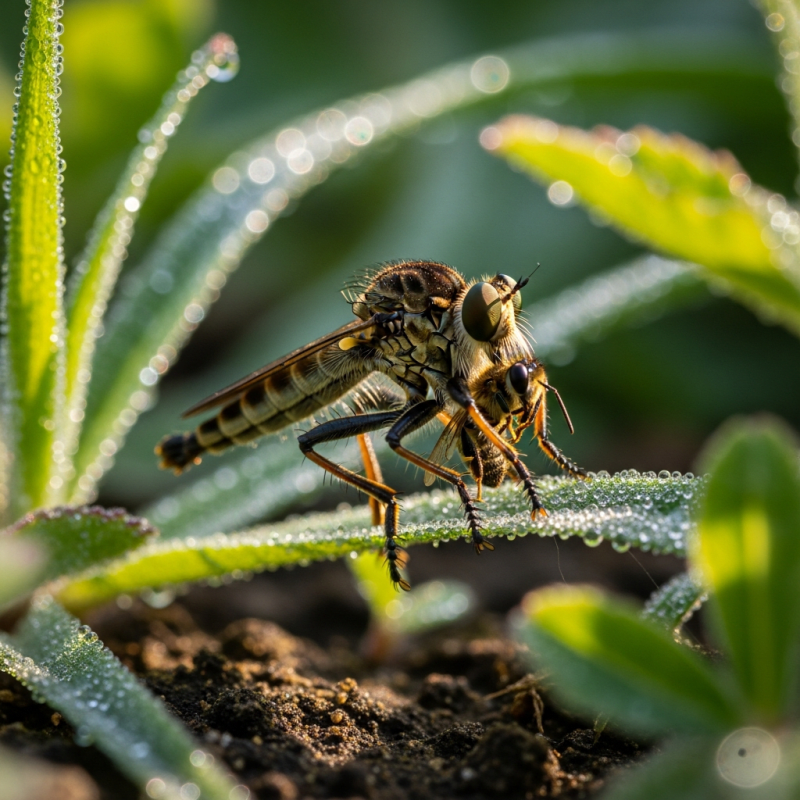
Soft cotton tee, unisex sizes
Buy ShirtRobber flies have limited direct cultural significance but are occasionally referenced in entomological studies and biodiversity awareness. Their striking appearance and predatory nature have earned them the nickname "assassin fly" in some regions, reflecting their fierce reputation.
Robber flies are cosmopolitan, found across the globe in a wide range of habitats including forests, grasslands, deserts, and wetlands. They favor sunny, open spaces where they can actively hunt, while their larvae develop in soil or decaying wood.

Robber flies undergo complete metamorphosis with four stages: egg, larva, pupa, and adult. Eggs are laid in soil or decaying wood, where larvae develop as predators. After pupation, adults emerge ready to hunt and reproduce, continuing the cycle.
As apex insect predators, robber flies help regulate populations of other insects, contributing to natural pest control. Their larvae also prey on soil-dwelling insects, supporting ecosystem balance. They serve as important subjects in entomological research and biodiversity monitoring.
Robber flies face threats primarily from habitat loss and pesticide exposure, which can reduce their populations and disrupt ecological roles. Conservation efforts focus on habitat preservation and reducing chemical impacts to maintain their beneficial presence in ecosystems.