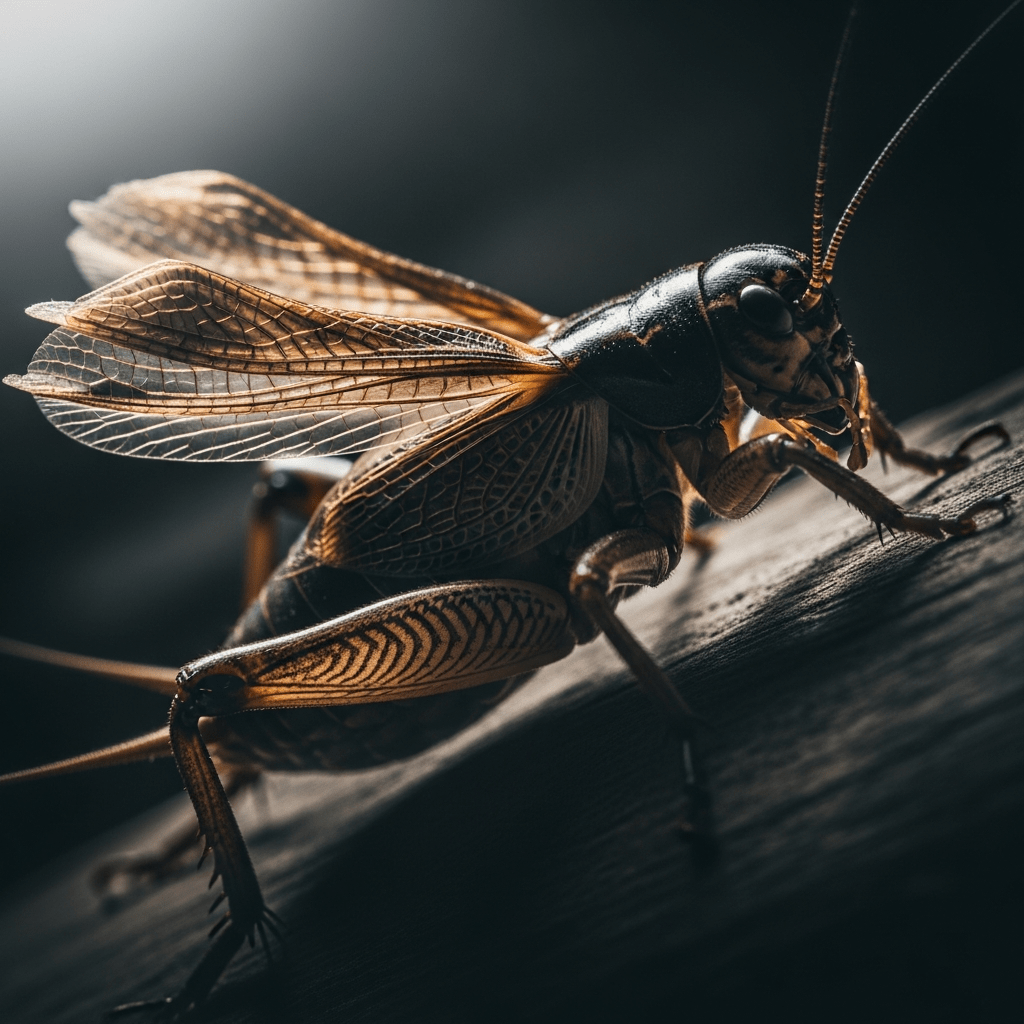
Gryllus Campestris
The field cricket, Gryllus campestris, is a terrestrial insect known for its distinctive male chirping used to attract mates, characterized by a robust body and powerful hind legs specialized for jumping.
The field cricket, Gryllus campestris, is a terrestrial insect known for its distinctive male chirping used to attract mates, characterized by a robust body and powerful hind legs specialized for jumping.
Gryllus campestris was first formally described by Carl Linnaeus in 1758, establishing it as the type species of its genus. This wild species has long been recognized in scientific literature without domestication or breeding origins.
This species belongs to the class Insecta, order Orthoptera, family Gryllidae, and genus Gryllus. It fits within the broader group of insects distinguished by three-part bodies, six legs, and often wings, with crickets notable for their sound-producing abilities.
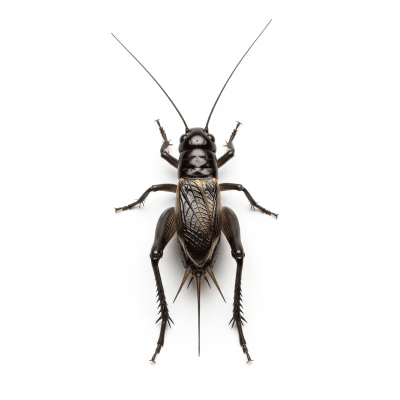
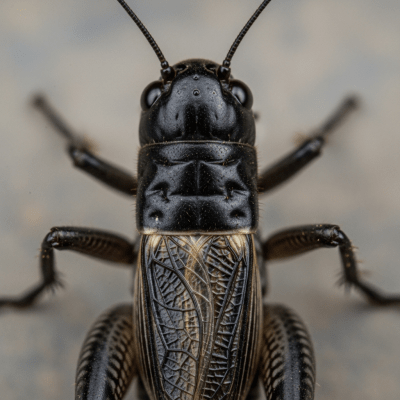
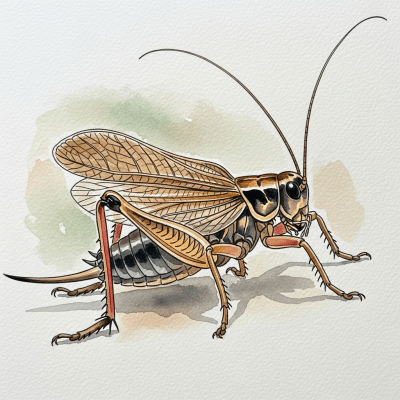
Adult field crickets measure between 20 and 26 millimeters, featuring a dark brown to black, somewhat glossy body. They have a broad head with long, threadlike antennae and muscular hind legs adapted for jumping. Males possess longer forewings used to produce their characteristic chirping, while females have shorter forewings.
Male Gryllus campestris produce chirping sounds by rubbing their forewings together, a behavior known as stridulation, to attract females. They are primarily terrestrial, constructing burrows in dry, sandy soils and grasslands for shelter and egg-laying. While not widely farmed, they are sometimes kept as pets or used as live feed for reptiles and birds.
Bring this kind into your world illustrated posters, mugs, and shirts.
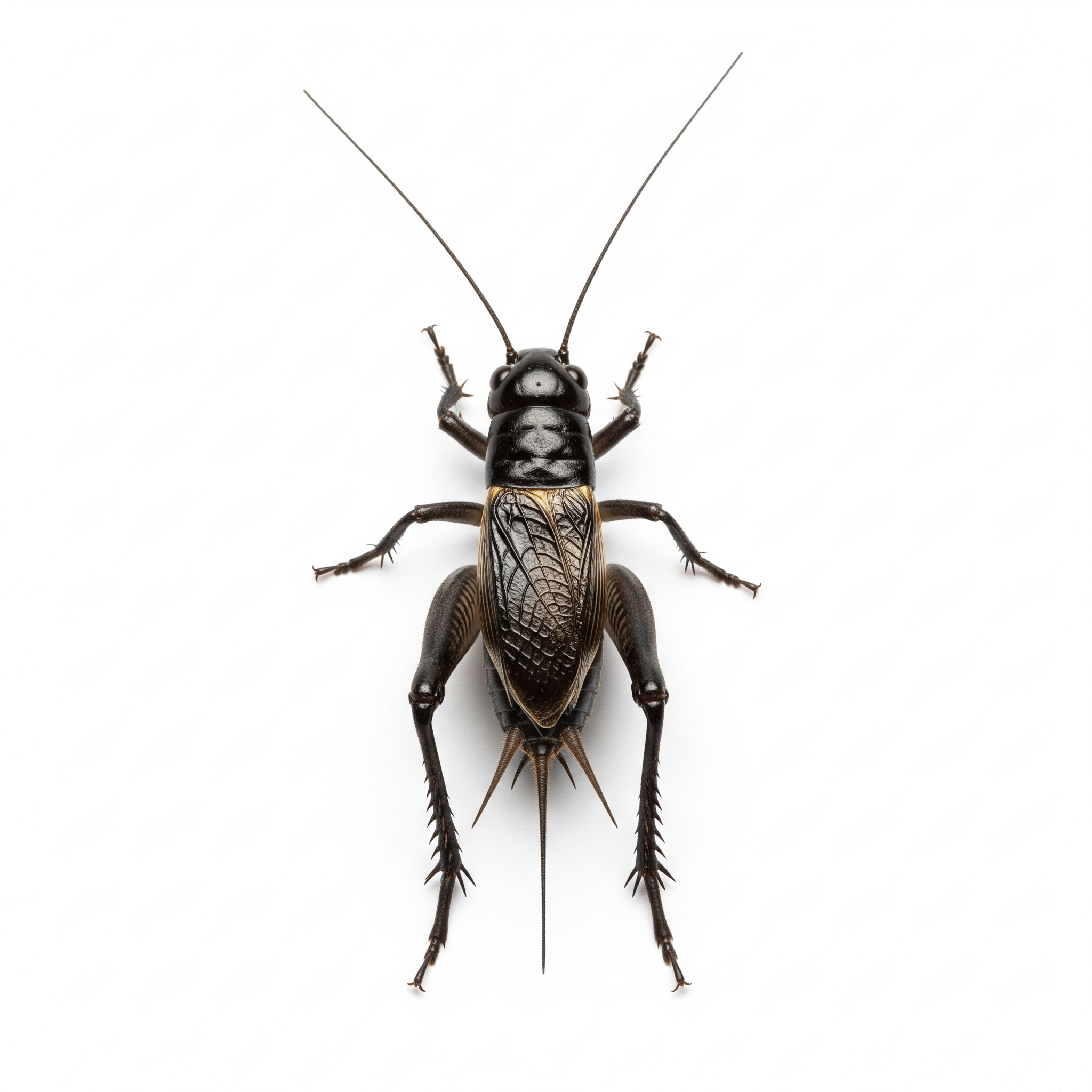
Archival print, museum-grade paper
Buy Poster
Stoneware mug, dishwasher safe
Buy Mug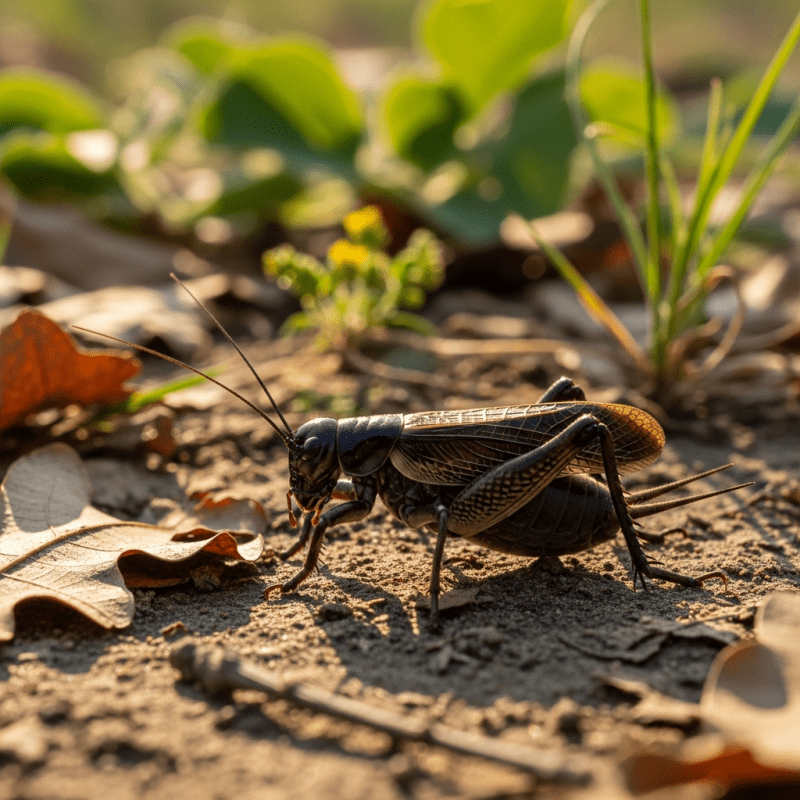
Soft cotton tee, unisex sizes
Buy ShirtThe cricket’s song is a familiar symbol of summer in many cultures, often evoking feelings of warmth and nature. Though less commonly farmed for food than other species, field crickets are occasionally consumed as a protein source and hold a place in folklore and natural soundscapes.
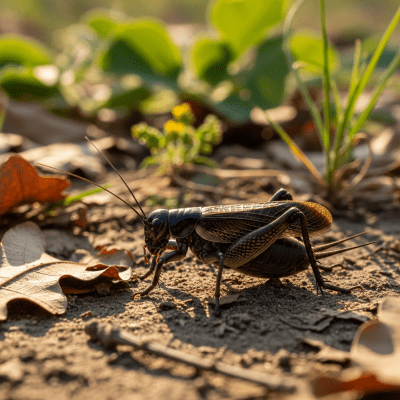
Gryllus campestris inhabits terrestrial environments, favoring dry, sandy soils and open grasslands. It is widespread in regions where these conditions prevail, constructing burrows that provide shelter and sites for egg-laying.
The field cricket undergoes incomplete metamorphosis, progressing through three stages: egg, nymph, and adult. Nymphs resemble smaller wingless adults and gradually develop wings and reproductive organs as they mature, with adults typically emerging in late spring to early summer.
Field crickets contribute to their ecosystems as both prey and detritivores, aiding in nutrient cycling. Their burrowing behavior aerates soil, and their chirping plays a role in mating communication within insect communities.
While specific conservation data on Gryllus campestris is limited, habitat loss and environmental changes could impact populations. Currently, no major threats or conservation measures are documented for this wild species.